FetchStop

Author name: Arushi Choudhary

Toys for Bored Indoor Cats
Cat Toys

Best Toys for Bored Cats | Keep Your Cat Active & Happy

Picture this: it’s 3am, and your cat has decided your feet are prey. Or they’ve knocked your favourite mug off the shelf again all this while maintaining direct, unblinking eye contact. Or they’ve been sleeping 22 hours a day and don’t even bother greeting you at the door anymore. Sound familiar? Definetely, A bored indoor cats symptom. These aren’t personality quirks. They’re signs of a bored cat. And boredom in cats especially indoor cats is one of the most overlooked causes of anxiety, destructive behaviour, and even physical health problems. The good news? The right toy can completely transform your cat’s day. Here’s our 2026 guide to the best toys for bored cats, all available on Amazon UK. Bored Indoor Cats, What’s The Reason? Cats are natural hunters. In the wild, they’d spend a significant portion of their day stalking, pouncing, and problem-solving. Indoors, without that outlet, all that energy and instinct has nowhere to go. Unlike a static crinkle ball that rolls under the sofa in 10 seconds and is forgotten, interactive toys are designed to keep a cat engaged, challenged, and physically active for extended independent play sessions. Boredom in cats can show up in some surprising ways: Signs of Bored Indoor Cats: If any of these sound familiar, it’s time to rethink the toy box. How Much Play Does a Cat Need? Research indicates that at least 20-30 minutes of play daily can prevent obesity, which affects around 60% of cats. Keeping them fit is essential for a long, happy life. That doesn’t have to mean 30 minutes of you waving a wand while your arm goes numb. A mix of interactive play sessions with you and independent toys that work while you’re busy is the smart approach and which is exactly how we’ve structured this list. The 5 Types of Cat Toy Every Bored Indoor Cats Need Not all toys deliver the same kind of stimulation. A well-rounded toy box covers all five of these categories: Toy Type What It Stimulates Best For Wand / Feather Toys Hunting instinct, bonding Active play sessions with you Electronic / Automatic Toys Solo exercise, unpredictability When you’re busy or out Puzzle / Treat Feeders Mental stimulation, problem-solving Slowing down fast eaters Ball Tracks & Rollers Batting, chasing, paw coordination Curious, energetic cats Catnip & Kicker Toys Scent stimulation, kicking, stress relief Downtime enrichment The Best Toys for Bored Indoor Cats, Amazon UK Picks 2026 All products below are confirmed bestsellers on Amazon UK. Each one is matched to the type of enrichment your cat needs most. 1. Migipaws Interactive Automatic Cat Teaser Wand Toy If you work from home or just can’t wave a stick for 30 minutes straight, Migipaws has you covered. This automatic wand toy suctions to the floor and features a 70cm flexible wire that moves unpredictably while mimicking the erratic movement of real prey. It’s rechargeable, has an auto-timer, and is a consistent Amazon UK bestseller in the interactive toys category. The DIY bending design means you can adjust the wire angle to change the challenge level as your cat gets smarter about it. 2. Migipaws Interactive MigiMouse Cat Toy The MigiMouse is a rechargeable plush mouse that rolls, spins 360°, and has a realistic squeak basically it is triggered by smart motion sensors. It’s one of Amazon UK’s top-selling cat toys and for very good reason: it taps directly into a cat’s prey drive in a way that simple balls never quite manage. No batteries required, works with USB recharge and with the realistic squeak sound adds an auditory dimension that engages even the most jaded cats. 3. FurDreams 3-Tier Roller Ball Tower The FurDreams Roller Ball Tower is a perennial UK bestseller for good reason. Three levels, three balls, satisfying batting resistance and it keeps cats entertained during independent play without any charging, batteries, or involvement from you. The design keeps the balls in the track (rather than under the sofa) which dramatically extends the lifespan of a cat’s interest. 4. PetSafe SlimCat Interactive Feeder Ball If you’re wondering how to keep indoor cats stimulated, puzzle feeders are your best friend. These toys make cats work for their food, engaging their minds and slowing down fast eaters. The PetSafe SlimCat is the gold standard in this category with a BPA-free ball with adjustable openings that you fill with kibble or treats. Your cat has to bat it around the room to release the food, turning every meal into a mini enrichment session. It’s lightweight, dishwasher-safe, and suitable for kittens and adults alike. 5. Rosewood Battersea Cat Kicker Fish Toy (Catnip-Infused) Amazon UK’s best-selling catnip kicker and a product with a lovely story behind it of Rosewood partners with the Battersea Dogs & Cats Home charity. This plush fish is infused with natural catnip, the right size for a cat to grab with their front paws and kick with their back legs (satisfying the “rabbit kick” instinct), and made in a durable, washable fabric. 6. TBTeek Motion-Activated Laser Cat Toy (Rechargeable) A rechargeable, motion-activated laser toy with multiple patterns and speed modes that keeps cats sprinting around the room. Unlike a handheld laser pointer, it works autonomously and unlike older laser toys, it’s whisper-quiet so it won’t startle skittish cats. An auto-off function saves battery and prevents overstimulation. Quick Comparison Table: Best Toys for Bored Indoor Cats UK 2026 Toy Type Best For Charging Needed? Amazon UK Migipaws Automatic Wand Electronic wand Solo active play ✅ USB rechargeable Search “Migipaws wand” Migipaws MigiMouse Rolling mouse Stalking & pouncing ✅ USB rechargeable Search “Migipaws MigiMouse” FurDreams Roller Ball Ball track Batting & chasing ❌ No power needed Search “FurDreams Roller Ball” PetSafe SlimCat Puzzle feeder Mental stimulation + eating ❌ No power needed Search “PetSafe SlimCat” Rosewood Battersea Fish Catnip kicker Stress relief & wrestling ❌ No power needed Search “Roosewood Batersea Fish” TBTeek Laser Toy Electronic laser High-energy cardio ✅ USB rechargeable Search “TBTeek Laser Toy” How to Stop Your Cat Getting Bored

Dog Itchy Skin
Dog Care

Is Your Food Causing Dog Itchy Skin? The Best Diets & Ingredients That Actually Help

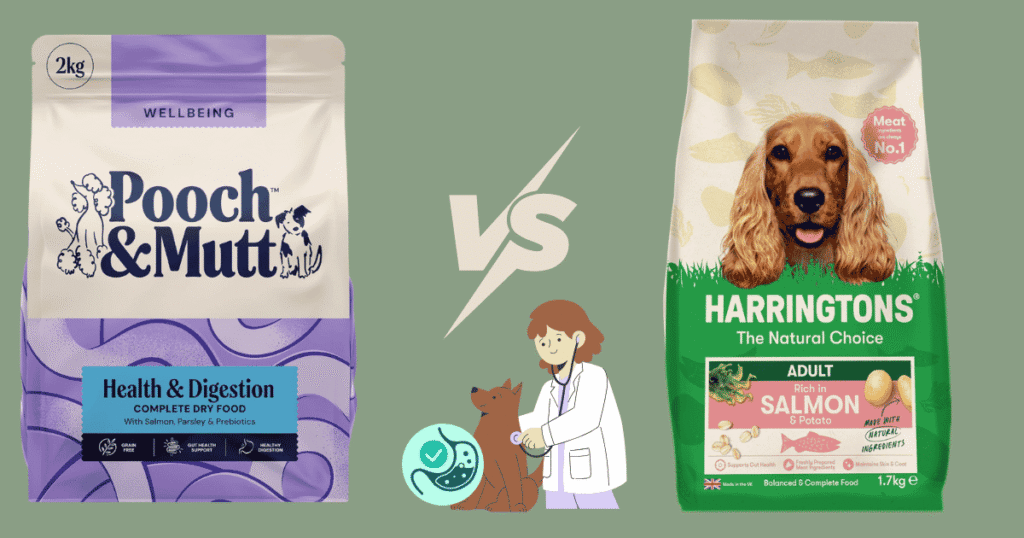
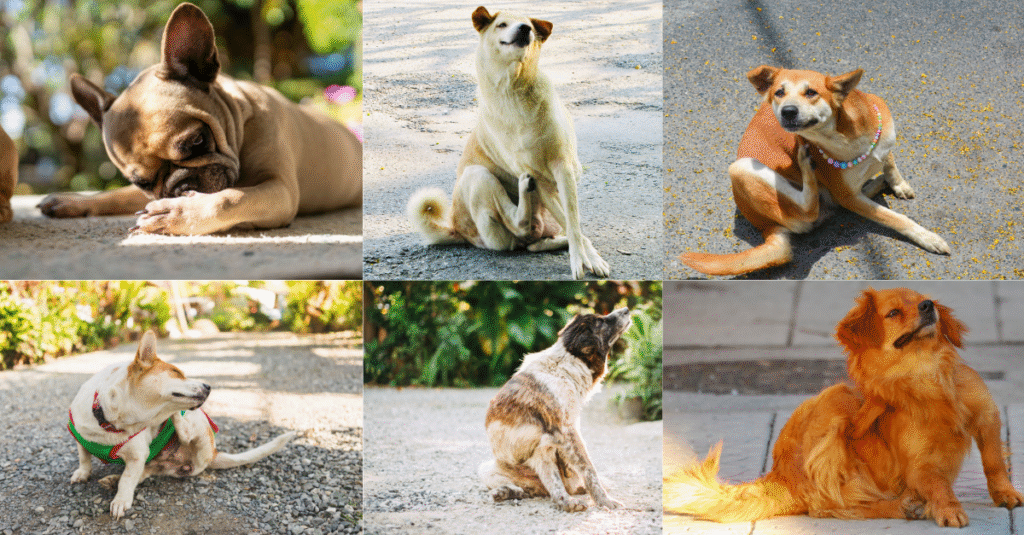
If you’ve ever watched your dog scratch themselves silly, paws going at their neck like they’re trying to dig a tunnel or licking their toes, you’ll know how frustrating it is. You’ve tried the medicated shampoo, ruled out fleas, and had three vet appointments with no clear answer. Here’s what many dog owners don’t consider first: the food bowl, the main cause for dog itchy skin. Diet is one of the most overlooked drivers in dog itchy skin. And the good news? It’s one of the most manageable too. This guide breaks down exactly what to look for, what to avoid, and which foods, all available on Amazon UK, are genuinely making a difference for itchy dogs across the country. Can Food Really Cause Dog Itchy Skin? Yes, and it’s more common than most owners realise. Veterinary surveys suggest that up to 20% of itchy dogs may have a food trigger, with the reaction often showing up as persistent scratching, paw licking, redness around the face, belly, and ears, or recurring ear infections. Dogs react to proteins more than grains like chicken, beef, dairy, and eggs cause most cases. Repeated exposure over time triggers the immune response, and symptoms persist until the trigger leaves the diet. The tricky part is that food allergies in dogs develop over time. Your dog may have eaten chicken their whole life and only now started reacting to it. It’s not about what’s new, basically it’s about what the immune system has finally had enough of. Other signs food may be the culprit: The Most Common Food Triggers for Dog Itchy Skin Some ingredients in dog food like wheat, beef, or dairy are known to trigger allergic reactions or food sensitivities. Over time, repeated exposure to these allergens can damage your dog’s gut health and weaken their immune system, making skin flare-ups more likely. Here’s a quick breakdown of what to watch out for: Ingredient Why It’s a Problem How Common Chicken Most widely used protein, highest sensitisation risk Very Common Beef Second most common animal protein allergen in dogs Common Dairy Many dogs lack enzymes to properly digest lactose Common Wheat / Gluten Can cause gut inflammation and skin reactions Moderate Soy Linked to skin and digestive sensitivities Moderate Eggs Occasionally problematic, especially in sensitive breeds Less Common Artificial additives Colourings and preservatives can aggravate sensitive skin Variable What Actually Helps Dog Itchy Skin: Ingredients to Look For Once you’ve identified what to avoid, the next step is choosing a diet built around ingredients that actively support skin health. 🐟 Salmon & Other Oily Fish Omega-3 fatty acids from fish oils reduce allergic itching by strengthening the skin barrier from the inside out. Salmon, sardines, and trout are the gold standard protein sources for itchy dogs, they’re novel proteins (meaning most dogs haven’t been overexposed to them), and they come naturally packed with the EPA and DHA that calm inflammation in the skin. 🍠 Sweet Potato A gentle, highly digestible carbohydrate that provides natural fibre to support gut health. A healthy gut microbiome is directly linked to better immune regulation, which means fewer skin flare-ups. 🌿 Linseed (Flaxseed) Rich in plant-based omega-3s, linseed supports skin barrier function and helps reduce dryness and flaking. You’ll see it listed in many of the best sensitive-skin dog foods in the UK. 🫘 Chickpeas & Lentils Excellent grain-free carbohydrate alternatives that are gentle on the digestive system and widely tolerated, even by dogs with multiple sensitivities. 🦆 Duck & Venison (Novel Proteins) Novel proteins like kangaroo, venison, or limited-ingredient trout formulas are ideal for elimination trials, choose something your dog hasn’t eaten before to avoid common allergens like beef, chicken, dairy, and soy. How to Do a Food Trial at Home to Help Dog Itchy Skin If your vet suspects a food allergy, they may suggest a food trial. This involves feeding a special diet which is usually a limited ingredient or hydrolysed formula, strictly for 6-12 weeks. Your dog must have no other food, including treats and dental sticks, during the trial, because any additional ingredient could mask whether the diet is working. Here’s a simplified version of the process: Step 1: Switch to a single-protein, limited-ingredient food that uses a protein your dog hasn’t had before (e.g. salmon or duck if they’ve always eaten chicken). Step 2: Transition slowly over 7-10 days also mix increasing amounts of the new food with the old to avoid digestive upset. Step 3: Stick to it strictly for at least 8 weeks. No treats, flavoured supplements, or table scraps. Step 4: Keep a simple diary noting itching levels, coat condition, and any digestive changes. Step 5: If symptoms improve, the food was likely the trigger. Reintroduce old foods one at a time to confirm. The Best Foods for Dog Itchy Skin, Available on Amazon UK All of the following have been selected because they’re widely available on Amazon UK, made with skin-supporting ingredients, and trusted by UK dog owners and vets. 1. Forthglade Wet Dog Food, Salmon with Vegetables (Grain Free) 2. Forthglade Cold Pressed Dry Food, Salmon & Vegetables (Grain Free) 3. Pooch & Mutt Health & Digestion, Salmon & Sweet Potato (Grain Free) 4. Forthglade Wet Dog Food, Salmon & Sardines Variety Pack (Grain Free) Quick Comparison Table: Best Foods for Dog Itchy Skin UK Food Type Main Protein Grain Free Best For Amazon UK Forthglade Salmon Wet Wet Salmon 75% ✅ Yes Everyday sensitive feeding Forthglade’s salmon Forthglade Cold Pressed Dry Dry Salmon 29.5% ✅ Yes Dry food + gut health Forthglade dry food Pooch & Mutt H&D Dry Salmon 45% ✅ Yes Skin + digestion combo Pooch & Mutt Forthglade Salmon & Sardines Wet Salmon 75% ✅ Yes Fish variety variety pack Don’t Forget the Supplements: Skin Support from the Inside Out for Dog Itchy Skin Even the best food works better alongside a targeted omega supplement, especially in the first few weeks of switching, when the skin barrier is still rebuilding. YuMOVE Skin &

What is a Dog Park
Dog Guide

What Is a Dog Park? Definition, Rules & How to Make the Most of One in the UK

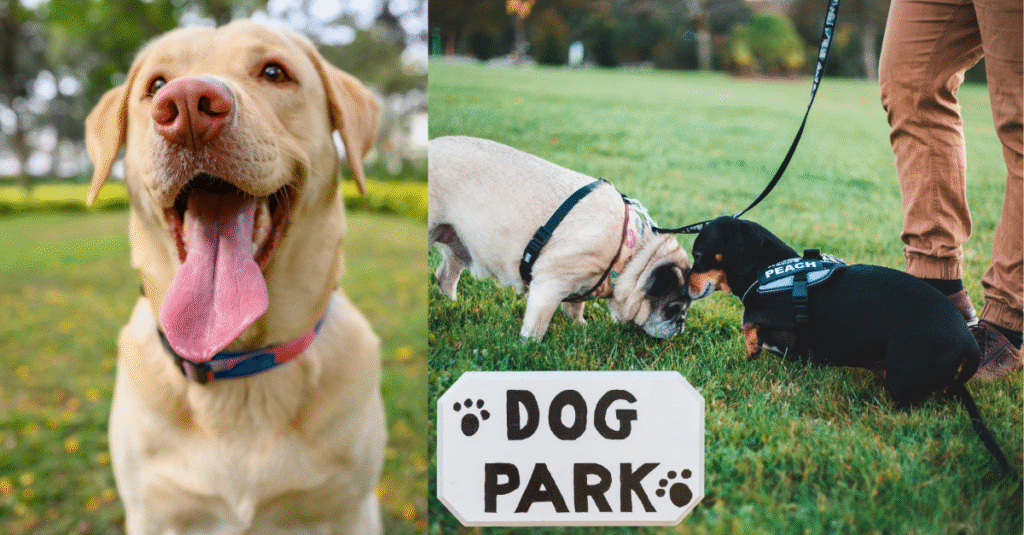
You’ve seen the signs. You’ve probably driven past the fenced-off green spaces where dogs sprint around like they’ve had three espressos. But if you’ve never taken your dog to one or you’re new to the concept altogether, you might be wondering: what actually is a dog park, and is it right for my dog? This guide covers everything: the definition of what is a dog park, the rules, the etiquette, what to bring, and whether your dog is cut out for park life. Plus, we’ve rounded up the best Amazon essentials to pack before your first visit. What Is A Dog Park: Definition A dog park is a designated, enclosed public space where dogs are permitted to exercise and socialise off-lead, under the supervision of their owners. Unlike a standard public park, where dogs may need to be on the lead and share space with cyclists, children, and picnickers, a dog park is specifically designed for canine use. Most are fully fenced with a double-gated entry system (known as an airlock) to prevent dogs from bolting when the gate opens. In the UK, dog parks are sometimes called dog exercise areas, dog fields, or off-lead enclosures. Some are free to use (managed by local councils), while others are privately run and charge a small hourly or session fee. Are Dog Parks Common in the UK? Dog parks are significantly more common in the US and Australia, but they’re growing fast in the UK. You’ll now find them in most major cities like London, Manchester, Edinburgh, Birmingham, Bristol, as well as popping up in smaller towns and rural areas. Some UK dog parks are basic: a fenced field, a water tap, and a poo bin. Others are more developed, with agility equipment, seating areas, dog-washing stations, and separate sections for large and small dogs. Dog Park Rules in the UK: What to Know Rules vary from park to park, but here are the most common ones you’ll encounter at UK dog parks: Dogs must be supervised at all times: You cannot leave your dog unattended, even briefly. Pick up after your dog: Always. Most parks have poo bags and bins on site, but bringing your own is good practice (see our Amazon picks below). Dogs must be vaccinated and healthy: Don’t bring a sick dog or one that hasn’t completed their vaccination schedule. Puppies under 16 weeks are generally advised to avoid dog parks entirely. No aggressive dogs: If your dog has shown aggression towards other dogs or people, a dog park is not appropriate until you’ve worked with a trainer. Use the airlock properly: Always close the first gate before opening the second. This double-gate system is the most important safety feature of any dog park. Keep it treat-aware: Many parks ask you not to bring food or treats into the park, as it can cause resource guarding and conflict between dogs. Check the park’s specific rules. Respect designated zones: Many parks have separate areas for small and large dogs. Use the right section. Is My Dog Ready for a Dog Park? A dog park isn’t right for every dog, and that’s completely fine. Here’s a quick checklist: Your Dog Ready? Vaccinated and up to date on flea/worm treatments ✅ Yes Plays well with other dogs in one-to-one settings ✅ Yes Comes back reliably when called (recall) ✅ Recommended Over 16 weeks old ✅ Yes Has shown aggression to other dogs or people ❌ Not yet Is in season (female) ❌ No as this can cause significant disruption Unneutered male with reactive tendencies ⚠️ Use caution Has an unknown history with other dogs ⚠️ Try a private field first Dog Park Etiquette: The Unwritten Rules Beyond the posted rules, dog parks come with a set of social expectations that make the experience better for everyone. Watch your dog, not your phone. Distracted owners are the number one cause of dog park incidents. Your dog needs you to be present and attentive. Don’t let your dog mob the entrance. When a new dog arrives, the last thing they need is five dogs rushing at them. Redirect your dog away from the gate when newcomers arrive. Read the body language. Stiff posture, a tucked tail, excessive barking, or pinning another dog down are all signals that play is tipping into stress. Intervene calmly before it escalates. Don’t feed other dogs. Even well-meaning treats can cause guarding behaviour or trigger allergies. Always ask before offering anything to a dog that isn’t yours. Step in, don’t shout across the park. If your dog is causing a problem, walk over and deal with it. Shouting commands from distance rarely works and tends to stress everyone out more. What to Bring to a Dog Park: The Essential Kit This is where you can seriously level up your dog park visits and where we come in with some excellent Amazon recommendations to make your trip smoother. 1. Collapsible Dog Bowl for Hydration Dogs work hard at the park. A portable, foldable water bowl clips onto your bag and means you can offer water anytime, anywhere, most parks have a tap or water point. 2. Dog Treat Pouch for Recall & Rewards Even in an off-lead park, having treats on hand is essential especially for reinforcing recall (the “come back to me” command). A hands-free treat pouch clips to your waist so you’re always ready. 3. Dog Poo Bags, Never Be Without Them A non-negotiable. Even if the park has bags on site, they run out. Carrying your own is basic dog park etiquette and keeps you covered everywhere you go. 4.  A High-Visibility Dog Toy Not all parks allow personal toys (check the rules), but where they do, bringing your dog’s own ball or tug toy keeps their attention on you and gives you a recall anchor. A brightly coloured ball is easy to spot in long grass. 5. A Dog Towel or Drying Mitt UK weather being what it is, your dog will almost certainly

Best Vegan Food For Dogs
Dog Care, Dog Food

The Best Vegan Dog Treats in the UK (That Dogs Actually Go Crazy For)

If your dog could talk, they’d probably just scream “TREAT” at you repeatedly, vegan or not, they’re not fussy. But as a pet parent, you care what goes into that enthusiastic little mouth. And if you’re living a plant-based lifestyle (or simply trying to cut back on meat-based products), it makes total sense to extend that thinking to your dog’s snack drawer too. Good news: the UK’s vegan pet treat market has exploded in recent years, and there are now some genuinely brilliant options that dogs absolutely lose their minds over, no meat required. Why Choose Vegan Dog Treats? Before we get into the good stuff, let’s quickly cover why plant-based dog treats are worth considering. Dogs are omnivores, not obligate carnivores like cats. That means their digestive systems can process plant-based foods just fine and for some dogs, a reduction in animal protein can actually be a game-changer. Here’s why many UK pet owners are making the switch: Always check with your vet before making significant changes to your dog’s diet, especially if they have existing health conditions. What to Look for in a Vegan Dog Treat Not all plant-based treats are created equal. Here’s your quick checklist before you buy: Short, recognisable ingredient list: If you can’t pronounce most of it, your dog probably shouldn’t eat it. No added salt, sugar, or artificial preservatives: These are common nasties hiding in budget treats. Whole food ingredients: Sweet potato, chickpeas, oats, lentils, and peas are all excellent. Complete nutritional profile: Treats shouldn’t replace meals, but they shouldn’t be nutritionally empty either. UK-sourced or EU-certified: Traceability matters for quality assurance. The Best Vegan Dog Treats in the UK (2026 Picks) Here’s our carefully curated roundup of plant-based treats that real dogs have voted on with their tails. 1. Lily’s Kitchen Organic Baked Dog Biscuits (Veggie Varieties) Lily’s Kitchen is a trusted name among UK dog owners, Made with wholesome plant-based ingredients, Lily’s Kitchen Breaktime Biscuits are a delicious treat for dogs who love a crunchy snack. Featuring peanut butter and banana, these biscuits provide natural flavour without artificial colours, flavours, or preservatives. Their bite-sized shape makes them ideal for training sessions, rewarding good behaviour, or simply treating your dog between meals. 2. Forthglade Natural Dental Sticks Forthglade is well known for creating natural dog food and treats, and their Dental Sticks offer a plant-based way to support your dog’s oral health. Made with natural ingredients such as sweet potato, mint, and parsley, these grain-free chews help freshen breath while providing a satisfying daily treat. Their chewy texture can also help reduce plaque build-up, making them a popular choice among owners looking for vegan-friendly dental care treats. 3. Soopa Healthy Bites – Carrot & Pumpkin Soopa has built a strong reputation for creating healthy, plant-based dog treats packed with natural superfoods. Their Carrot & Pumpkin Healthy Bites combine two nutrient-rich vegetables in a grain-free recipe that’s gentle on sensitive stomachs. Made with human-grade ingredients and free from artificial additives, these bite-sized treats are perfect for training sessions or rewarding good behaviour. 4. Benevo Pawtato Spinach & Kale Sticks Benevo’s Pawtato range is a popular choice among owners looking for certified vegan dog treats. Made from sweet potato and enriched with spinach and kale, these chewy sticks provide a tasty, plant-based snack without any animal-derived ingredients. Vegan Society certified and free from artificial colours or flavours, they’re a great option for dogs who enjoy a healthy chew between meals. Quick Comparison Table Treat Best For Main Ingredients Grain-Free Approx. Price Lily’s Kitchen Breaktime Biscuits Everyday rewards & training Peanut Butter, Banana, Oats No £3-£5 Forthglade Natural Dental Sticks Dental care & fresh breath Sweet Potato, Pea Flour, Mint Yes £4-£6 Soopa Healthy Bites (Carrot & Pumpkin) Training & sensitive stomachs Pumpkin, Carrot, Chickpea Flour Yes £3-£5 Benevo Pawtato Spinach & Kale Sticks Vegan chews & daily treats Sweet Potato, Spinach, Kale Yes £3-£5 How Many Vegan Treats Can You Give Your Dog Per Day? Treats, vegan or not, should make up no more than 10% of your dog’s daily calorie intake. This is known as the 10% rule, and it applies regardless of how healthy the treat is. As a rough guide: If you’re using treats heavily for training, choose smaller, low-calorie options like Soopa Naturals or break larger treats into pieces. Can All Dogs Eat Vegan Treats? Generally, yes, but with a few caveats. Puppies have different nutritional needs and are best kept on vet-recommended diets. The occasional plant-based treat is fine, but don’t overdo it while they’re still developing. Senior dogs may have dental sensitivities, so opt for softer treat textures. Dogs with existing health conditions, particularly kidney disease, pancreatitis, or diabetes, should always have new foods approved by a vet first. For most healthy adult dogs, high-quality vegan treats are a perfectly safe and enjoyable part of their routine. Final Thoughts The idea that dogs won’t enjoy vegan treats is genuinely outdated. With the quality of plant-based options now available in the UK, your dog can snack happily on treats that are good for them, good for the planet, and, if you choose wisely, free from the allergens that might be causing them grief. Our top pick for most dogs? Forthglade Veggie Range for everyday use, and Soopa Naturals when you want total ingredient peace of mind in regards to training. Whatever you choose, your dog is going to love you for it. (Well, they’d love you anyway, but treats definitely help.) Found this helpful? Browse our full range of pet products on FetchStop, or check out our guide on Dog Essentials | Things You Need for a New Dog

why is my cat so anxious
Cat Care

Why Is My Cat So Anxious? 5 Proven Ways to Help

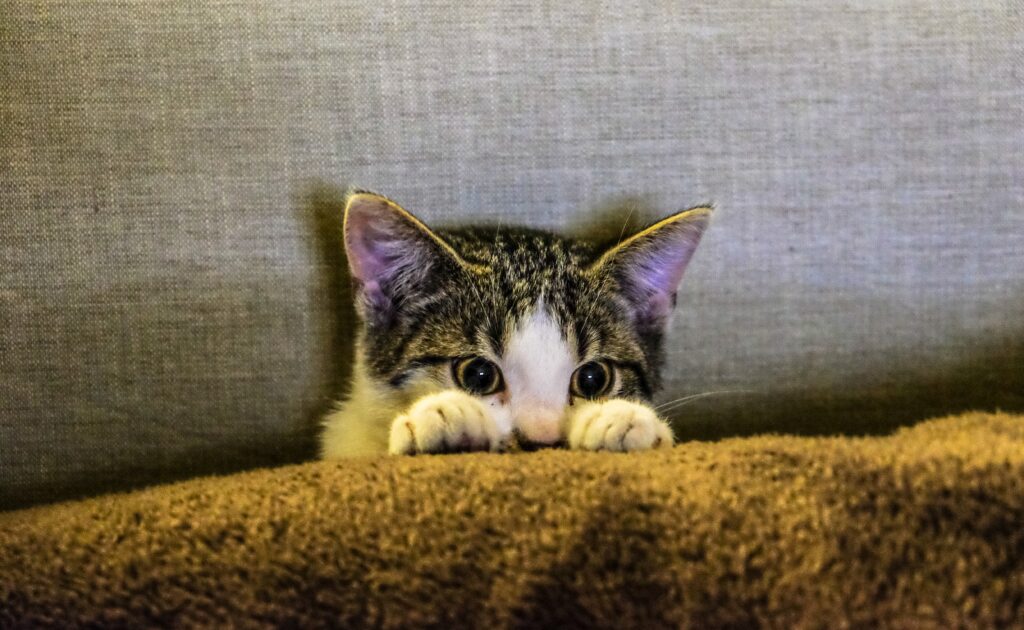
Your cat has a warm bed, premium food, several toys they’ve chosen to ignore, and a human servant who opens doors on demand. So why do they still seem stressed? Why is my cat so anxious? One minute they’re sleeping peacefully in a sunbeam. Next, they’re hiding under the sofa because someone dared to move a dining chair three inches to the left. If you’ve been wondering, “Why is my cat so anxious?”, you’re not alone. Cat anxiety is surprisingly common, and because cats are masters of pretending everything is fine, it often goes unnoticed until the behaviour becomes impossible to ignore. The good news? Once you understand the signs and causes, helping an anxious cat becomes much easier. Let’s decode the mystery. What Does Cat Anxiety Actually Look Like? Unlike dogs, cats rarely announce their worries with dramatic whining and pacing. Most anxious cats are much more subtle. Some common signs of anxiety in cats include: The tricky part is that many of these behaviours can also indicate illness. If symptoms appear suddenly, a veterinary check-up should always be your first step. Why Is My Cat So Anxious? Causes Explained Cats love predictability. They thrive on routine and familiar environments. When something disrupts that sense of security, anxiety often follows. 1. Changes at Home What seems minor to you can feel like a full-scale crisis to your cat. Common triggers include: To your cat, these aren’t “small updates.” They’re suspicious developments that require immediate investigation and several days of concern. 2. Other Cats Cats are territorial creatures. Even if your cat lives alone, they may still be stressed by neighbourhood cats wandering through the garden or appearing at windows. Signs this might be the cause include: For indoor cats especially, seeing an unfamiliar cat outside can feel like spotting an intruder repeatedly peeking through the front door. 3. Lack of Stimulation A bored cat isn’t necessarily a relaxed cat. Cats are natural hunters. Without opportunities to climb, explore, stalk, and play, they can become frustrated and anxious. This is particularly common in indoor cats with limited environmental enrichment. Think of it this way: if your entire life consisted of eating, sleeping, and staring at the same four walls, you’d probably develop some quirks too. 4. Separation Anxiety Yes, cats can get separation anxiety. While they’re often portrayed as fiercely independent, many cats form strong attachments to their owners. Signs may include: Some cats act like they don’t care whether you’re home or not. Others treat a trip to the supermarket like you’ve disappeared on an Antarctic expedition. 5. Past Trauma Cats adopted from shelters or rescue situations may carry stress from previous experiences. A history of neglect, abandonment, poor socialisation, or frightening events can contribute to long-term anxiety. Not every rescue cat develops anxiety, but some need extra time and patience to build confidence. 6. Medical Conditions Certain health problems can mimic or worsen anxiety. Conditions such as: can all lead to behavioural changes that appear anxiety-related. This is why medical causes should always be ruled out before assuming a behavioural problem. How Can You Tell If Your Cat Is Stressed or Just Being a Cat? Excellent question. Cats are naturally quirky creatures. Sleeping in sinks? Normal. Staring at a wall for ten minutes? Potentially normal. The key is looking for changes. Ask yourself: If the answer is yes, anxiety could be playing a role. How to Help an Anxious Cat? The good news is that most anxious cats improve significantly once the source of stress is identified and addressed. Step 1: Create Predictability Cats love routines. Try to keep: Routine helps anxious cats feel safe because they know what to expect. Step 2: Provide Safe Spaces Every cat should have somewhere they can retreat when life feels overwhelming. This might include: Quiet spare rooms A quiet spare room can provide an ideal retreat for anxious cats who need a calm and predictable environment. Giving your cat access to a peaceful space away from household noise, visitors, and other pets can help reduce stress and encourage relaxation. Adding familiar bedding, hiding spots, food, water, and toys can make the room feel safe and secure, allowing your cat to settle at their own pace and build confidence. Never force a nervous cat out of a hiding place. Sometimes they simply need time to decompress. Step 3: Increase Enrichment Mental stimulation is one of the most overlooked anxiety treatments. Try: A busy cat has less time to worry about the neighbour’s suspiciously parked wheelie bin. Step 4: Consider Pheromone Products Synthetic feline pheromones can help create a calming environment. Plug-in diffusers are particularly useful for: Step 5: Address Environmental Triggers If you can identify what’s causing the anxiety, you’re halfway to solving it. Examples: New cat outside?Block visual access to windows temporarily. New pet indoors?Use gradual introductions and separate resources. Loud renovations?Create a quiet sanctuary room away from noise. The goal isn’t to force your cat to cope, it’s to reduce the reason they feel threatened in the first place. When to Contact a Vet for an Anxious Cat? Speak to your vet if: In more severe cases, your vet may recommend behavioural therapy or anti-anxiety medication. There’s no prize for struggling through it alone. Cat anxiety is one of the most common behavioural issues vets encounter. Cat Anxiety: Quick Symptom Guide Symptom Possible Cause Hiding constantly Stress, Illness, Environmental Changes Over-grooming Anxiety, Boredom, Allergies Spraying indoors Territorial Stress, Anxiety, Medical Conditions Excessive meowing Separation Anxiety, Stress Aggression Fear, Pain, Territorial Issues Loss of Appetite Anxiety, illness Restlessness Stress, Medical Conditions What Should You Do If Your Cat Is Anxious? ✓ Rule out medical causes with a vet ✓ Look for recent changes in your cat’s environment ✓ Establish a consistent daily routine ✓ Increase play and enrichment ✓ Provide safe hiding and climbing spaces ✓ Consider a pheromone diffuser ✓ Address specific stress triggers where possible Final Thoughts on Cat Anxiety An anxious cat isn’t being difficult, dramatic, or

Why Is My Parrot Screaming? Common Reasons & Easy Solutions
Bird Behaviour

Why Is My Parrot Screaming? Common Reasons & Easy Solutions

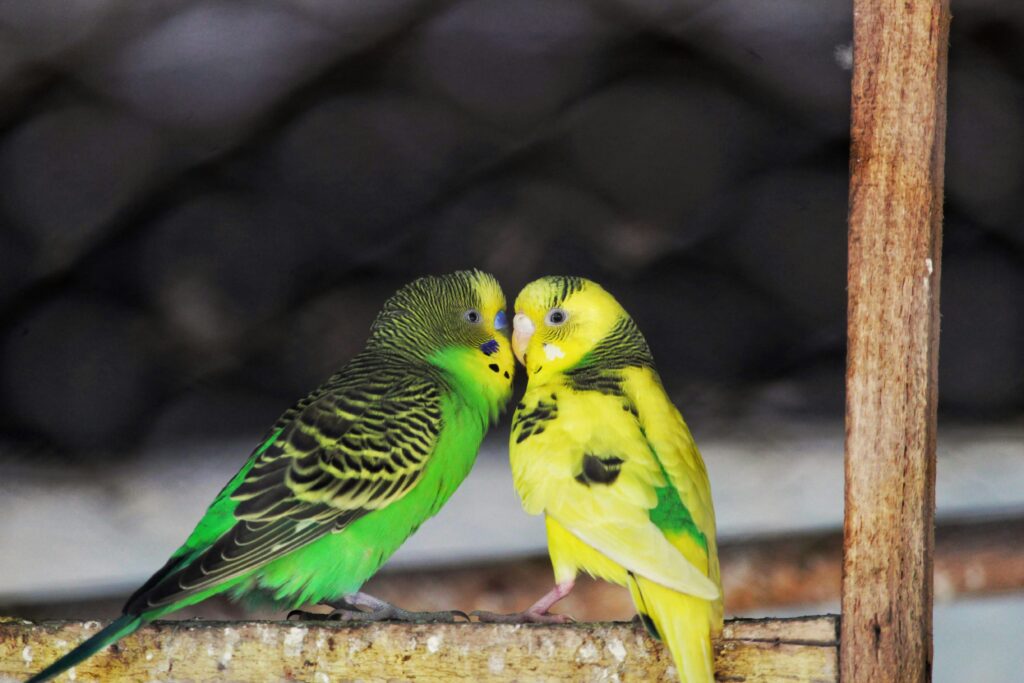
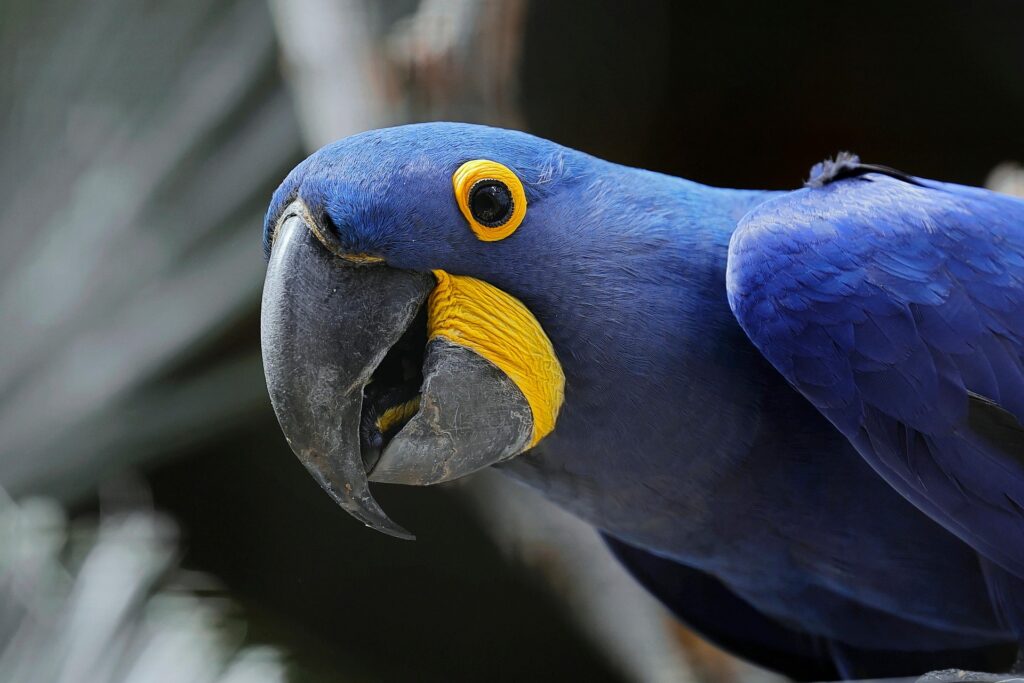
If you’ve ever lived with a parrot, you know the drill, one moment it’s all cuddles and “pretty bird”, and the next? Full-blown opera. But here’s the thing: your feathered bestie isn’t just being dramatic (well… maybe a little). There are real, important reasons behind those big bold squawks. Once you understand them, life with your parrot gets a whole lot more peaceful and honestly, a whole lot more fun!In this guide, we’ll walk through the 7 most common reasons parrots scream, share practical tips to address each one, and recommend some favourite products to help you and your bird thrive together. Let’s go!  Reason 1: Contact Calls, “Where Are You?!” In the wild, parrots live in loud, busy flocks. They use contact calls to keep track of each other across dense forests and wide skies. To your parrot, YOU are the flock, so when you disappear into another room, they call out to check you’re still around. It’s not naughty behaviour, it’s actually a sign of love!  What to do: Call back calmly with a consistent whistle or phrase. Don’t rush back every single time or you’ll reinforce the screaming. A predictable routine also helps your bird feel secure. Pro Tip: Teach a specific whistle as your contact call response. Parrots learn quickly and will feel reassured knowing you’ll always answer! Reason 2: Nature’s Alarm Clock Parrots are hardwired to be vocal at sunrise and sunset in the wild, these are peak socialising moments for the flock. Even as a pampered pet, your parrot carries this ancient instinct. If your bird goes absolutely wild at 6am or right before bedtime, congratulations, you have a perfectly normal parrot! These bursts usually last only 10-20 minutes. What to do: Maintain a consistent sleep schedule of 10-12 hours of darkness per night. Use a quality cage cover to clearly signal “night time” and avoid placing the cage near windows where early light triggers the calls. Pro Tip: A thick, breathable cage cover makes a huge difference for managing dawn and dusk calling. Reason 3: Boredom & Loneliness – “Entertain Me!” Parrots are extraordinarily intelligent specially African Greys and Cockatoos are often compared in cognitive ability to a young child. With that intelligence comes a serious need for mental stimulation, and when that need goes unmet, screaming becomes their favourite hobby. What to do: Rotate a variety of toys regularly, use foraging puzzles that hide food inside, and ensure at least 2-3 hours of out-of-cage social time daily. Bird-safe music or nature sounds also help a lonely bird feel less alone. Pro Tip: Foraging is the single best boredom-buster for parrots. In the wild, they spend hours searching for food, give them that challenge at home! Reason 4: Fear & Alarm – “DANGER!” A sharp, sudden scream, often very different in tone to regular vocalisations usually means your parrot has been frightened. Common triggers include unfamiliar visitors, other pets passing by, loud sudden noises, unusual shadows, or new objects placed near their cage. What to do: Approach calmly, speak softly, and never punish a scared bird. Identify and remove the trigger where possible, and gradually introduce new people, pets, and objects at a safe distance. Parrots are naturally alert animals, and in the wild they’re constantly aware of movement, sounds, and possible danger around them. When a cage is placed in the middle of a busy room or open space, your bird may feel exposed and overstimulated, which can lead to stress, nervous behaviour, or excessive screaming. Creating a calmer environment helps your parrot feel safer, more relaxed, and comfortable enough to rest, play, and socialise confidently. Pro Tip: Place the cage in a corner to give your bird two walls of security, it reduces the number of directions a “threat” can come from! Reason 5: Hunger or Thirst, “Feed Me Now!” Sometimes the answer is beautifully simple: your parrot is hungry, thirsty, or their bowl is empty. Parrots are not shy about demanding room service especially if mealtimes have shifted or their water has gone stale. What to do: Ensure fresh water is available at all times and changed at least twice daily. Feed on a consistent schedule, and offer fresh fruits and vegetables alongside a quality pellet diet. Pro Tip:Try using separate bowls for pellets, fresh foods, and treats to encourage healthy eating habits while reducing food-related screaming and mess. Reason 6: Attention Seeking, “Look at Me!” Here’s a trap many well-meaning bird owners fall into: every time the parrot screams, you come running. Over time, your parrot figures out the magic formula, SCREAM will equal attention. And parrots, being the clever creatures they are, will absolutely work this system. What to do: Reward quiet behaviour with attention and treats. Don’t rush over the moment screaming starts. Wait for even a 2-second pause, then immediately reward it. Give attention proactively  before your bird even starts screaming. Pro Tip: Consistency is everything. If even one person in the household runs over every time, the training won’t stick. Get everyone on the same page! Quick Reference Table: Why Your Parrot Is Screaming Reason What It Sounds Like Why It Happens What you can do Contact Calls Loud calls when you leave the room Your bird is checking where their “flock” went Respond calmly with a whistle or phrase Morning & Evening Calls Excited screaming at sunrise/sunset Natural flock behaviour and instinct Maintain a regular sleep schedule, find perfect cage cover Boredom & Loneliness Repetitive screaming throughout the day Lack of stimulation or social interaction Toys, provide foraging activities Fear & Alarm Sudden sharp scream Something scared your bird Remove the trigger and reassure calmly Hunger or Thirst Persistent demanding calls Empty bowls or changed feeding schedule Keep fresh food and water available Attention Seeking Screams that stop once you respond Learned behaviour for attention Reward quiet behaviour instead with these amazing treates on Amazon Pain or Illness Unusual or sudden vocal changes Possible health issue Contact an avian vet immediately Final Thoughts

Why Do Neutered Cats Spray? Behaviour, Hormones & Solutions
Cat Care

Why Do Neutered Cats Spray? Behaviour, Hormones & Solutions

You did everything right. You got your cat neutered. The vet said it would stop the spraying. And yet, there’s still a suspicious smell coming from the corner of the living room, and your cat is looking extremely unbothered about it. You’re not imagining it. Neutered cats can still spray, and it’s more common than most people realise. The good news? Once you understand why it’s happening, it’s very possible to stop it. Let’s get into it. Wait, Don’t Neutered Cats Stop Spraying? Neutering dramatically reduces the likelihood of spraying, in most cats, yes, it stops it entirely. Studies suggest neutering eliminates spraying in around 85-90% of male cats. But that still leaves a meaningful percentage who continue. And if your neutered male cat is still spraying, you’re clearly not in the lucky majority. Here’s the thing: spraying isn’t purely hormonal. It’s a behaviour with multiple triggers, and testosterone is just one of them. Once that’s removed, the others can still fire. Why Do Neutered Cats Spray? The Real Reasons 1. They Were Neutered Later in Life If your cat was neutered after sexual maturity (typically around 6 months, though some cats develop earlier), the spraying behaviour may already have been learned and reinforced. Habits formed before neutering can persist long after the hormones are gone, especially if the cat was spraying regularly for months beforehand. The earlier the neuter, the lower the risk. But if it happened late, behaviour modification is still absolutely possible. 2. Stress and Anxiety Are the Main Culprit This is the biggest one. Stress is the number one trigger for spraying in neutered cats, full stop. Cats spray to mark territory and self-soothe when they feel threatened or insecure. Common stressors include: If something changed around the time the spraying started, that’s almost certainly your answer. 3. Territorial Marking in Multi-Cat Homes Even without testosterone, cats are deeply territorial animals. In homes with multiple cats, spraying is a communication tool, a way of staking claim over space. If your cats don’t get along well, or if one is being bullied by another, the stressed cat is much more likely to spray. Keyword note: Searches like “why is my male cat spraying all of a sudden” often trace back to a household change that upset the social order. 4. Medical Issues Before you assume it’s entirely behavioural, rule out physical causes. Conditions like urinary tract infections, feline idiopathic cystitis (FIC), or bladder stones can all cause inappropriate urination that looks a lot like spraying. Signs to watch for: If you notice any of these, a vet visit should be your first step, not a deterrent spray. 5. Incomplete Neutering (Cryptorchidism) Rarely, but it does happen, a cat can have an undescended testicle that wasn’t removed during the neuter procedure. This testicle still produces testosterone, meaning the cat is still hormonally intact. If your cat was neutered but spraying returned after a period of no spraying, this is worth raising with your vet. So, how to Stop a Neutered Cat from Spraying Step 1: Clean the Affected Areas Thoroughly This is non-negotiable. Cat urine contains pheromones that act as a signal to spray again in the same spot. Standard cleaning products don’t break these down, you need an enzyme-based cleaner specifically designed for pet urine. Plain water, bleach, or household cleaners can actually make it worse (ammonia in bleach smells similar to urine to a cat, which can encourage re-marking). We use and recommend this product below, it fully neutralises the dour at a molecular level so your cat won’t be drawn back to the same spot. Step 2: Use a Cat Pheromone Diffuser Feliway and similar synthetic pheromone products release a chemical signal that mimics the “friendly marking” cats do when they rub their face on things. It creates a sense of calm and security, essentially telling your cat that this space is safe, reducing the urge to spray-mark. These come as plug-in diffusers, sprays, or collars. Diffusers are the most effective for whole-room coverage. Step 3: Identify and Reduce Stressors Think detective. When did the spraying start? What changed? Go through this checklist: Step 4: Apply a Urine Deterrent Spray to Hotspots Step 5: Increase Environmental Enrichment A bored or under stimulated cat is a stressed cat. More stress = more spraying. Simple changes that help: Step 6: Talk to Your Vet (VERY IMPORTANT and RECOMMENDED) If the spraying is severe, persistent, or accompanied by other symptoms, don’t soldier on alone. Your vet can: There’s no shame in bringing in expert help, spraying is genuinely stressful to live with, and professionals see it constantly. Neutered Male Cat Still Spraying? Quick Diagnosis Guide Situation Most Likely Cause First Step Product Spraying started after a new pet arrived Territorial stress Pheromone diffuser + resource separation Buy on Amazon Always sprayed, even post-neuter Learned behaviour / late neuter Behaviour modification + deterrent spray Buy on Amazon Spraying in the litter tray area Litter tray dissatisfaction Clean tray more frequently, try unscented litter Buy on Amazon Spraying on vertical surfaces near windows Outdoor cat stressor Block sight lines, add enrichment Buy on Amazon Straining or blood in urine Medical issues like UTI or cystitis Vet immediately Contact Immediately Spraying returned after months of nothing Possible cryptorchidism Vet immediately Contact Immediately Your Action Plan: Stop That Spray Final Thoughts A neutered cat still spraying isn’t a failure on your part, and it’s not defiance on your cat’s part. It’s almost always a sign that something in their world feels insecure or threatening, and they’re dealing with it the only way they know how. Fix the environment, reduce the stress, clean out the scent triggers, and stay consistent. Most cats respond really well, and you and your sofa will both be much happier for it. Enjoying this guide? You might also like: How to Stop Cat Scratching Furniture

Cat

How to Get Cats to Use a Scratching Post | Stop Cats Scratching Furniture

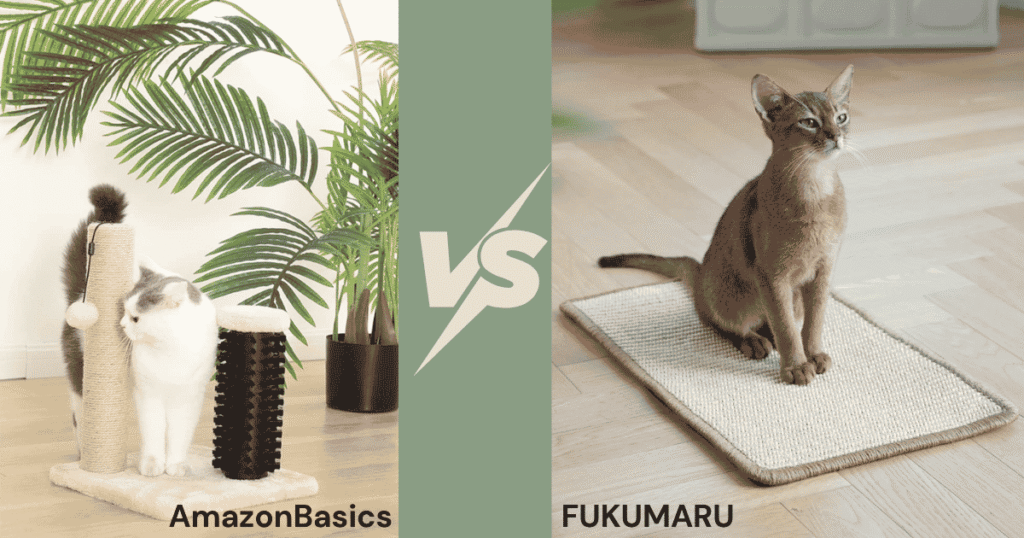
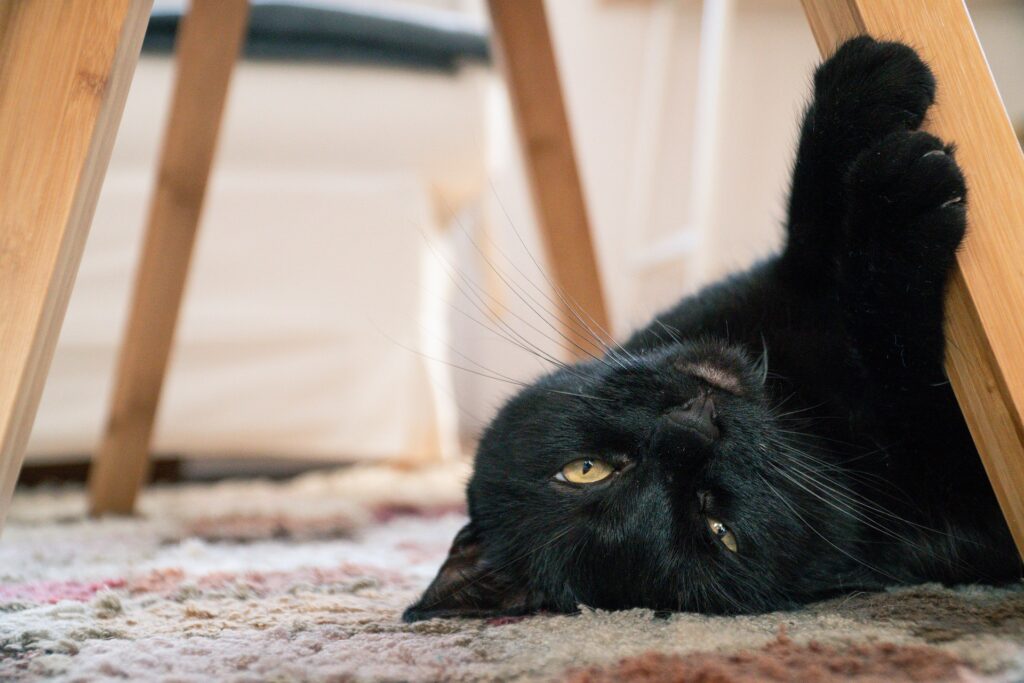
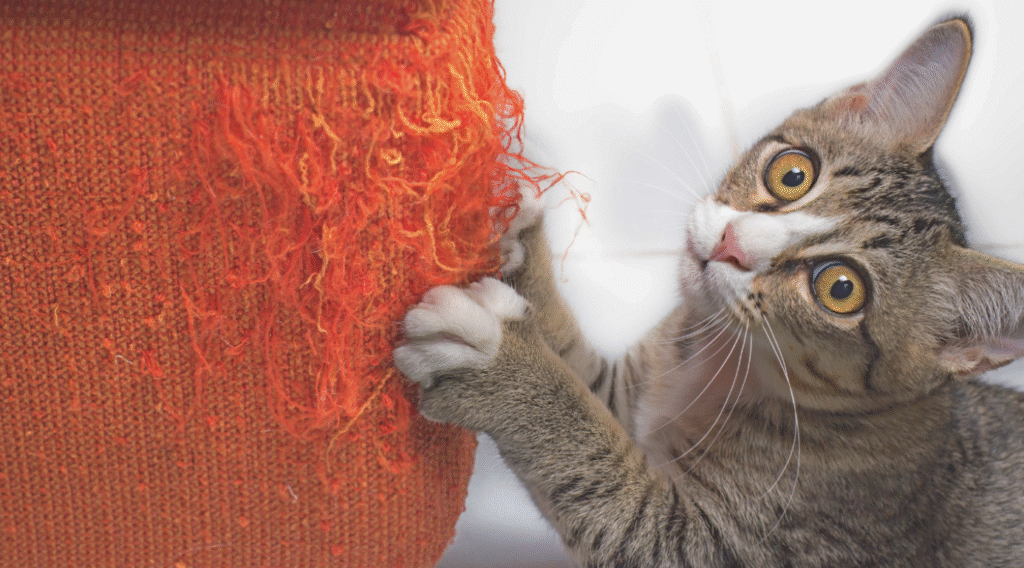
So your cat has officially decided your sofa is their personal scratching post. Fantastic. Nothing tests your patience quite like watching a tiny furry creature destroy furniture while maintaining complete eye contact. The good news? You can absolutely stop your cat scratching furniture without yelling, spraying water, or questioning your life choices. Most cats can be redirected successfully with the right scratching post, proper placement, and a little patience. Here’s how to get your cat to actually use their scratching post instead of turning your couch into confetti. Why Do Cats Scratch Furniture? Before you can stop the behaviour, it helps to understand why cats scratch in the first place. Spoiler: they’re not doing it just to annoy you. Cats scratch because: To your cat, scratching the sofa feels productive, relaxing, and satisfying. Which is honestly a pretty strong sales pitch. The goal isn’t to stop scratching completely. The goal is to redirect it onto something you actually want them to use. Why Your Cat Ignores the Scratching Post A lot of scratching posts fail because they’re simply not appealing to cats, it’s precisely boring. Common problems include: Cats want a scratching surface that feels sturdy and satisfying. If the scratching post moves when they use it once, many cats immediately lose interest. Meanwhile, your sofa is stable, tall, textured, and smells familiar. From your cat’s perspective, the sofa is basically premium luxury scratching furniture. Best Scratching Post for Cats That Scratch Furniture If you want results, start with a tall sisal scratching post. Sisal rope is one of the best materials for cats because it gives the perfect amount of resistance for clawing. Height matters too. Cats love stretching their entire body while scratching, so small posts often get ignored. Look for: Durable construction Tall scratching posts (at least 60–70cm) Heavy, stable bases Sisal rope covering Think of it this way: your cat doesn’t want a flimsy scratching post from the bargain aisle. They want the feline equivalent of gym equipment. Where to Put a Cat Scratching Post Placement is one of the biggest reasons scratching training succeeds or fails. Do not hide the scratching post in a spare room where nobody goes. Cats scratch in social areas because it’s part of marking territory and daily routine. The best places for a scratching post are: If your cat scratches one specific sofa corner repeatedly, place the scratching post directly beside it. Once your cat starts using the post consistently, you can gradually move it if needed. You’re replacing a habit, not introducing random furniture decoration. How to Train Your Cat to Use a Scratching Post Cats respond far better to rewards than punishment. Shouting at them usually just makes them confused or dramatic. One of the easiest ways to encourage scratching post use is with catnip spray. A quick spray on the scratching post makes it instantly more interesting. For cats that react to catnip, it turns the post from “boring object” into “greatest discovery of my entire life.” You can also: Most cats start building the habit within a few weeks when positive reinforcement stays consistent. How to Stop Cats Scratching Sofas and Furniture While training your cat to use the scratching post, it helps to make the sofa less attractive temporarily. Here’s what works well: Double-Sided Tape Cats hate sticky textures on their paws. Applying tape to sofa corners often discourages scratching quickly. Furniture Scratch Protectors Clear furniture guards protect vulnerable corners without ruining how the sofa looks. TOOSOFt Clear Anti Scratch Furniture Protector helps protect sofas, doors, and upholstery from pet scratches while keeping furniture looking neat and stylish. Made from durable reinforced vinyl with strong adhesive, it is easy to apply, removable without residue, and safe for pets. Anti-Scratch Deterrent Sprays Cats dislike certain citrus and herbal scents, making deterrent sprays useful for furniture training. Simply spray the no scratch cat spray directly onto areas to be protected. Reapply every 2-3 days until your cat stops scratching, then once a week to keep them away from the area. Although our cat scratch spray has been thoroughly tested, always patch test initially to ensure no discolouration. The idea isn’t punishment. You’re simply making the furniture less satisfying while the scratching post becomes more rewarding. Indoor Cat Boredom and Destructive Scratching Sometimes scratching problems come from boredom rather than the scratching post itself. Indoor cats need: Without enough stimulation, cats often create their own entertainment. Unfortunately, that entertainment usually involves your furniture. Large cat trees and activity centres can help massively because they combine: Luxury apartment for cats who pay no rent. ✔ 5 levels for climbing and chaos✔ Sisal posts to (hopefully) save your furniture✔ Cozy condo for professional napping✔ 2 toy rats your cat will destroy or ignore completely Strong, stable, and built for midnight zoomies. For many cats, a proper enrichment setup naturally reduces destructive behaviour because they finally have an outlet for their energy. FAQs About Cat Scratching How long does it take for cats to use a scratching post? Most cats adapt within 2–4 weeks if the post is sturdy, well-placed, and paired with positive reinforcement. Why does my cat scratch carpet instead of furniture? Some cats prefer horizontal scratching surfaces. Try cardboard scratch pads or floor scratch mats. Should I punish my cat for scratching furniture? No. Punishment usually creates stress and confusion. Redirection and rewards work far better. Is declawing safe? Declawing is illegal in the UK and considered inhumane by most vets. It’s a painful amputation procedure, not a nail trim. Final Thoughts Stopping your cat from scratching furniture isn’t about controlling them. It’s about understanding what they actually enjoy. Once your cat has: the sofa usually becomes far less interesting. Well… mostly. They’re still cats, after all.

Scroll to Top
Verified by MonsterInsights