3 Best Cat Grooming Brush Picks For Persian Cats: Proven Ways To Stop Mats Fast
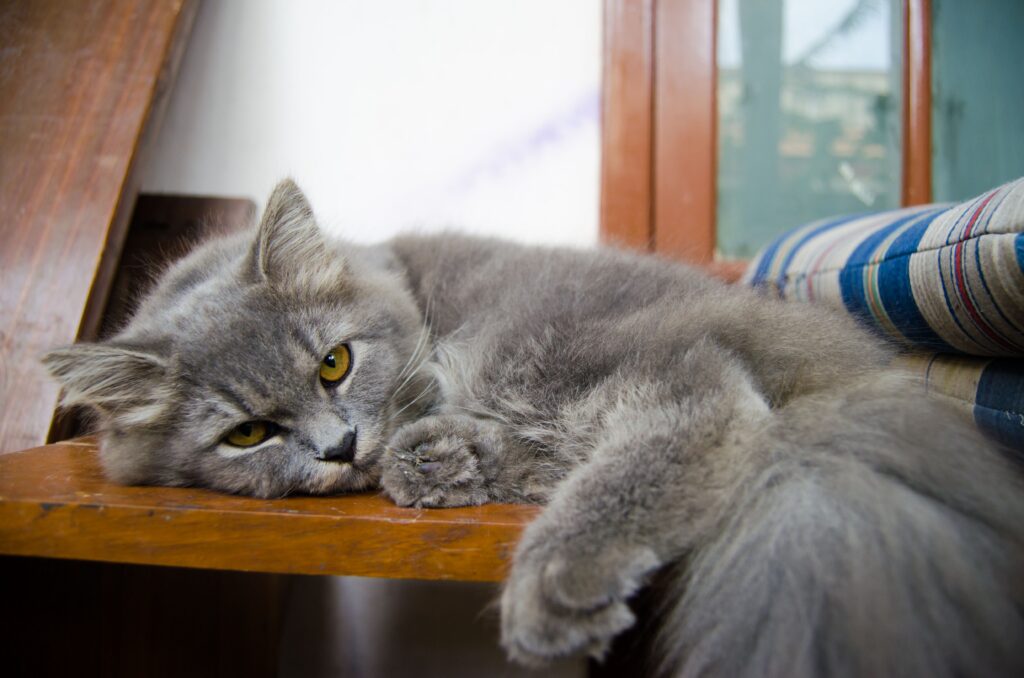
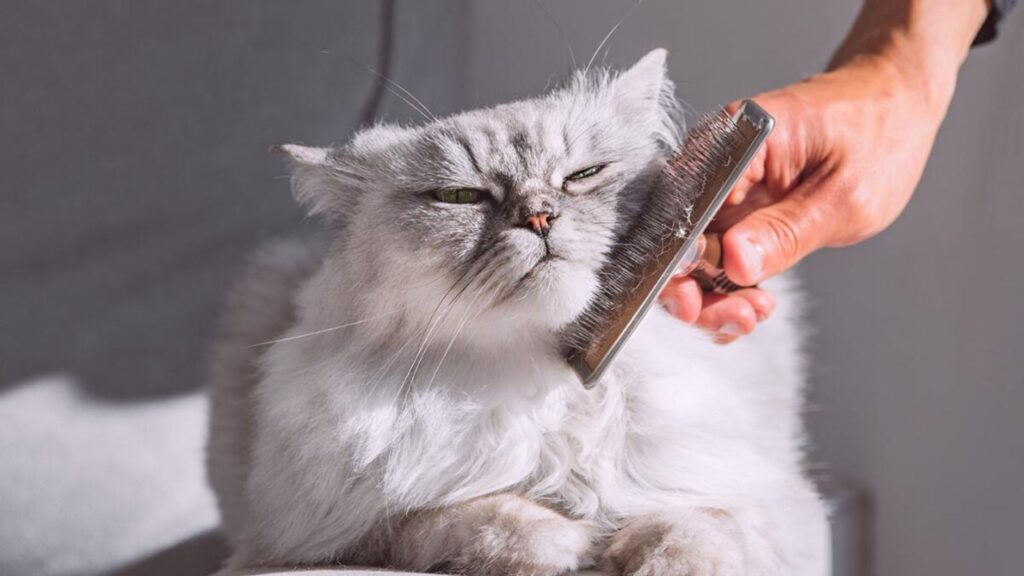
If you live with a Persian, you already know the deal: they look like a cloud, and they shed like one too. One cuddle and suddenly there’s fluff on your sofa, your clothes, and mysteriously, your tea. Long‑haired cats like Persians are gorgeous, but their coats will mat and tangle if you don’t help them out. Think of this guide as a chat with another “floof parent” who’s done the research, spoken to vets, and narrowed it down to three cat grooming brush picks that actually help stop mats fast, not just move loose fur around. Why Persian cats need serious grooming help Persians have long, dense, silky coats plus a thick undercoat, which is basically a matting machine if left alone. Welfare charities and vet sources say long‑haired cats ideally need daily grooming to stay comfy and avoid painful tangles. Without the right cat grooming brush and routine, you can end up with: The goal here is simple: choose the right three tools and use them in a calm, consistent way so mats are dealt with before they become a problem. Pick 1: a slicker cat grooming brush to clear loose fur fast Your first “must‑have” pick for a Persian is a slicker‑style cat grooming brush with fine, flexible pins. This is your daily, quick‑win tool. Pick 2: a wide‑toothed comb to catch hidden mats Slicker brushes are great for surface fur, but Persians hide trouble deeper down. That’s where a wide‑toothed metal comb comes in. If you find a small knot, gently tease it apart with your fingers or, for trickier ones, use a mat‑splitting tool recommended by your vet or groomer rather than scissors. Pick 3: a soft finishing brush or grooming glove for fuss‑free daily use Not every session needs to feel like a full salon appointment. For days when you just want to keep things light, a soft finishing brush or grooming glove is ideal. How to turn these three brushes into a quick routine You don’t need hour‑long sessions to make these tools work. Most long‑haired cat guides suggest little and often. Example routine for a Persian: If you spot big, tight mats or red, sore skin, skip DIY fixes and go straight to your vet or a professional groomer. Heavy mats can be genuinely painful and sometimes need sedation to remove safely. Quick FAQs: stopping Persian mats with the right cat grooming brush Final thoughts: long live the floof If you’ve made it to the end of a blog about cat grooming brushes, you’re officially doing more for your Persian’s coat than your sofa ever dreamed of. Your cat may act like they “woke up like this”, but you now know that behind every silky, mat‑free floof is a human armed with the right tools and a lot of patience. With just three good brushes and a few minutes most days, you’re not just stopping mats fast – you’re cutting down on hairballs, saving your clothes, and turning grooming time into a mini bonding ritual. Your Persian gets to stay gloriously fluffy, and you get to sit down without first de‑fur‑ing your entire life. End of the day, your cat doesn’t care which brush you buy; they care that you show up, go gently, and learn what works for them. The floof is strong – now the grooming game is too. Want to dig deeper into what your cat’s grooming habits are trying to tell you? Read our full guide on cat grooming and anxiety here.