Breed Guide · Giant Guardian Dogs
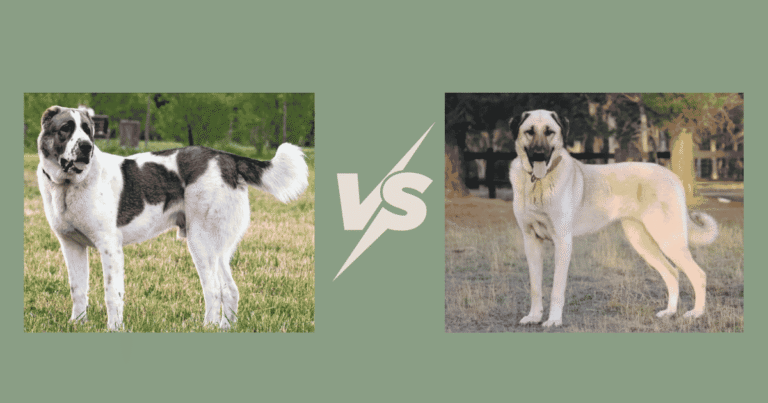
Alabai vs Kangal
Two of the world's most powerful livestock guardian breeds compared side by side size, temperament, trainability, and which suits UK owners best.
Why Are People Comparing the Alabai and Kangal?
The Alabai (Central Asian Shepherd Dog) and the Kangal are two of the most searched giant dog breeds in the UK right now and for good reason. Both are ancient working dogs bred to guard livestock against wolves and bears, both are fiercely loyal, and both are genuinely impressive animals. But they are meaningfully different in origin, build, temperament, and the type of owner they suit. If you are considering either breed or just want to understand what all the fuss is about this guide breaks down everything you need to know before making a decision.
The Two Breeds at a Glance

Breed 1
Alabai (Central Asian Shepherd Dog)
📍 Central Asia Turkmenistan, Kazakhstan, Uzbekistan- Height (male)71-84 cm (28-33 inches) at the shoulder
- Weight (male)50-79 kg (110-170 lbs) sometimes more
- BuildMassive, heavily boned, broad chest and wide head brute strength
- CoatCan be short or long; wide variety of colours including brindle, white, black, fawn
- TemperamentFiercely independent, dominant, highly territorial not for novice owners
- TrainabilityIntelligent but stubborn; requires an experienced, firm handler
- Lifespan10-12 years
- HeritageOne of the oldest dog breeds in existence; thousands of years of history

Breed 2
Kangal (Kangal Shepherd Dog)
📍 Turkey Sivas Province- Height (male)72-81 cm (28-32 inches) at the shoulder
- Weight (male)41-66 kg (90-145 lbs)
- BuildLean, athletic, deep chest built for speed and agility as much as power
- CoatShort, dense double coat; fawn or pale sable with a distinctive black mask and ears
- TemperamentProtective but more people-oriented; calmer with family; slightly easier to manage
- TrainabilityIndependent thinker but responds better to training than the Alabai
- Lifespan10-13 years
- HeritageBred specifically in Sivas, Turkey; celebrated for extraordinary bite force
Strengths and Challenges
Alabai
- Largest and heaviest of the two sheer physical presence deters threats without confrontation
- Extraordinarily tough and resilient; bred to survive harsh Central Asian climates
- One of the oldest dog breeds alive thousands of years of refined guardian instinct
- Deeply loyal and devoted to their family and territory once bonded
- Wide variety of coat types and colours; striking and distinctive in appearance
- Extremely dominant and independent not suitable for first-time or inexperienced dog owners
- Requires a very secure, high-fenced property; will patrol and test boundaries
- Prone to hip dysplasia and joint issues due to their extreme body weight
- May show aggression toward strangers and other animals without thorough early socialisation
- Relatively rare in the UK; finding a reputable breeder takes effort
Kangal
- Renowned worldwide for having one of the most powerful bite forces of any domestic dog breed
- More agile and faster than the Alabai better suited to active outdoor environments
- More people-oriented and slightly easier to socialise than the Alabai
- Gentle and protective with children within their family when properly raised
- Generally healthier joint record than the Alabai; less prone to obesity-related problems
- Still a large, powerful dog requiring an experienced owner not a pet for everyone
- High energy; needs significant daily exercise and outdoor space to thrive
- Can suffer from entropion (an eye condition) worth checking breeding health records
- Protective instincts can be challenging in urban or suburban UK settings
- Also rare in the UK; a recognised breed by the UK Kennel Club but limited breeders
Side by Side Comparison
| Trait | Alabai (Central Asian Shepherd) | Kangal (Kangal Shepherd) |
|---|---|---|
| Origin | Central Asia (Turkmenistan, Kazakhstan) | Turkey (Sivas Province) |
| Size | Larger overall up to 79 kg+ | Slightly smaller up to 66 kg |
| Build | Bulkier, heavier boned, broader head | Leaner, more athletic frame |
| Speed & Agility | Powerful but not built for speed | Faster and more agile |
| Bite Force | Very high large jaw, powerful muscles | Exceptionally high one of the strongest |
| Temperament | Independent, dominant, territorial | Protective but more people-oriented |
| Trainability | Challenging needs very experienced owner | Slightly easier to work with |
| Good with family | Loyal but aloof; bonds strongly with one handler | More family-friendly when well socialised |
| Good with children | Only with very early socialisation | Gentle and protective with own family's children |
| Space needed | Large property with high secure fencing | Large outdoor space essential |
| Health risks | Hip dysplasia, joint issues, obesity | Generally healthier; entropion possible |
| Lifespan | 10-12 years | 10-13 years |
| UK availability | Very rare | Rare but slightly more accessible |
| Best suited to | Experienced owners; rural/farm settings | Experienced owners; farm or large rural property |
Which Breed Is Right for You?
Choose the Alabai if…
You want the most physically imposing guardian dog in the world and you have the experience, space, and commitment to manage one responsibly. The Alabai's sheer size and raw power make it a formidable deterrent, and its ancient guardian instincts are unmatched. It is at its best on a large rural property a smallholding, farm, or estate with an experienced owner who understands dominant, independent breeds and is prepared to invest in early socialisation and consistent training from puppyhood.
This is not a dog for suburban life, for families with young children unless extensively socialised, or for anyone who has not previously owned a giant working breed.
- Experienced owners with large, securely fenced rural properties
- Farms, smallholdings, or estates needing a serious guardian
- Owners who want the rarest and most powerful of the two breeds
- Those who can commit to early socialisation and firm training
Choose the Kangal if…
You want a giant guardian dog that is slightly more manageable, more agile, and more willing to engage with its family. The Kangal is still a serious working dog and emphatically not for novice owners, but its more people-oriented temperament means it can integrate into family life more successfully when properly raised and socialised. Its speed and famous bite force make it an outstanding protector, and its leaner build means fewer of the joint and weight-related health concerns that affect the Alabai.
If you are based in the UK and looking for one of these two breeds, the Kangal is also marginally easier to source from a reputable breeder.
- Experienced owners wanting a more family-integrated guardian
- Rural properties where speed and agility matter as much as size
- Owners who want slightly better health outcomes long-term
- Those who want a distinctive, rare breed with strong guard instincts
Quick Verdict
Common Questions
Is the Alabai or the Kangal bigger?
The Alabai is generally the larger and heavier of the two breeds. Male Alabais typically stand 28-33 inches tall and can weigh between 110 and 170 lbs, sometimes more. Male Kangals stand 28-32 inches and usually weigh between 90 and 145 lbs. The Alabai has a broader, heavier build particularly around the head and chest while the Kangal is leaner and more athletic. In terms of sheer mass, the Alabai wins, but the Kangal is often considered the faster and more agile of the two.
Which is stronger the Alabai or the Kangal?
This depends on how you define strength. In terms of raw physical mass and brute power, the Alabai has the advantage due to its larger size and heavier bone structure. However, the Kangal is widely celebrated for having one of the strongest bite forces of any domestic dog breed, and its agility and speed give it an advantage in active confrontation. Both breeds were developed to protect livestock against wolves and bears, and both are more than capable of fulfilling that role effectively. In practical terms, neither breed needs to fight their size and presence alone are a powerful deterrent.
Can I keep an Alabai or Kangal as a family pet in the UK?
Both breeds can live as family companions in the UK, but they require experienced owners, large secure outdoor spaces, and extensive early socialisation. They are not breeds to take on lightly. The Kangal is generally considered more people-oriented and slightly better suited to family life when properly raised. The Alabai is more independent, dominant, and territorial, and is best suited to a single experienced handler or a rural property setting. Neither breed is appropriate for flat living, small gardens, or owners without previous experience of large working dogs. Always check with your local council about any breed-specific regulations that may apply.
Are Alabai dogs legal in the UK?
Yes, Alabai (Central Asian Shepherd Dogs) are not currently on the UK's list of prohibited breeds under the Dangerous Dogs Act 1991, which bans Pit Bull Terriers, Japanese Tosa, Dogo Argentino, and Fila Brasileiro. However, because they are large, powerful, and potentially dominant dogs, owners have a legal responsibility to ensure their dog is kept under proper control at all times. Any dog that is deemed dangerously out of control in a public place can result in legal action against the owner regardless of breed. Always speak to a solicitor or your local council if you have any doubt.
How much exercise do Alabai and Kangal dogs need?
Both breeds are active working dogs that require at least one to two hours of exercise per day, ideally in a large, securely fenced area. They are not built for apartment or urban living they need space to roam, patrol, and explore. The Kangal is faster and more agile, so it may benefit from more active running and play. The Alabai tends to be more measured in its movement but still needs significant daily activity to remain healthy and avoid obesity, which can be a serious health risk given its size. Mental stimulation through training, scent work, or a working role is as important as physical exercise for both breeds.
What is the best bed for an Alabai or Kangal dog?
Both breeds are giant dogs that need a bed large enough to stretch out fully and supportive enough to protect their joints. An XXL orthopedic memory foam bed is the ideal choice look for one measuring at least 120 cm x 90 cm with a thick foam base (9 cm or more) to properly support a dog weighing 50 kg or more. Waterproof liners and removable, machine-washable covers are strongly recommended. For outdoor use in summer, an elevated breathable cot keeps both breeds off hot patios or concrete, which can otherwise contribute to overheating. See our giant breed dog bed comparison for specific product recommendations.
Want to Learn More About the Alabai?
Our full Alabai breed guide covers everything from temperament and training to health, grooming, and what life with one of these giant dogs really looks like day to day. Read our complete Alabai dog guide at FetchStop.
This guide is for informational purposes only. Always consult a qualified vet or professional dog behaviourist before acquiring a giant working breed. FetchStop participates in the Amazon Associates programme. Some links on this page are affiliate links. Full disclosure