
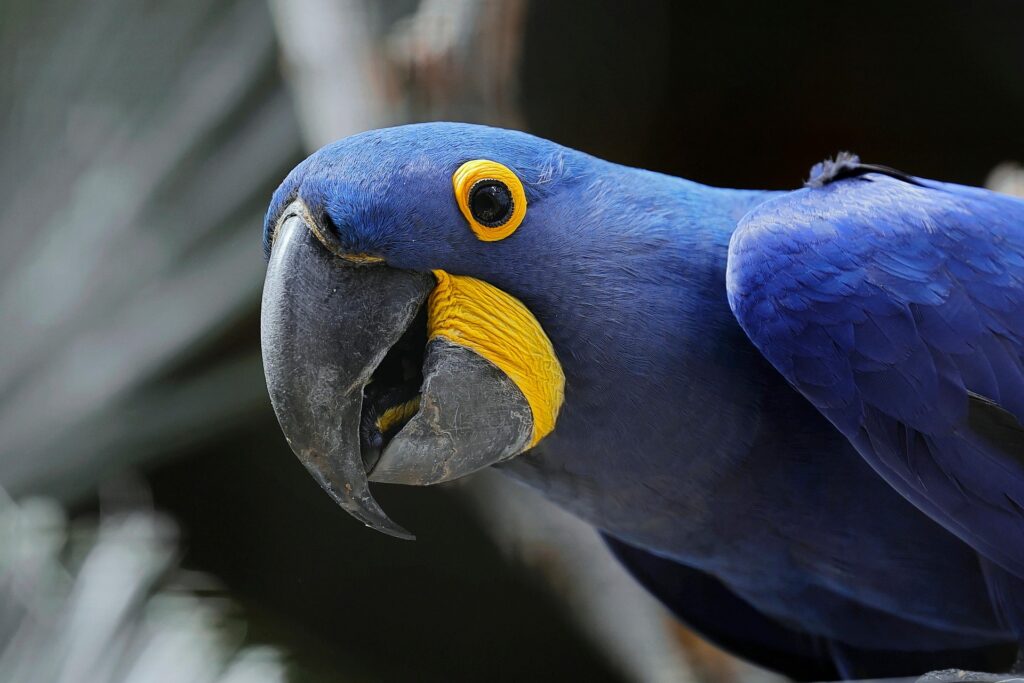
If you’ve ever lived with a parrot, you know the drill, one moment it’s all cuddles and “pretty bird”, and the next? Full-blown opera.
But here’s the thing: your feathered bestie isn’t just being dramatic (well… maybe a little). There are real, important reasons behind those big bold squawks. Once you understand them, life with your parrot gets a whole lot more peaceful and honestly, a whole lot more fun!In this guide, we’ll walk through the 7 most common reasons parrots scream, share practical tips to address each one, and recommend some favourite products to help you and your bird thrive together. Let’s go!
Reason 1: Contact Calls, “Where Are You?!”
In the wild, parrots live in loud, busy flocks. They use contact calls to keep track of each other across dense forests and wide skies. To your parrot, YOU are the flock, so when you disappear into another room, they call out to check you’re still around. It’s not naughty behaviour, it’s actually a sign of love!
What to do:
Call back calmly with a consistent whistle or phrase. Don’t rush back every single time or you’ll reinforce the screaming. A predictable routine also helps your bird feel secure.
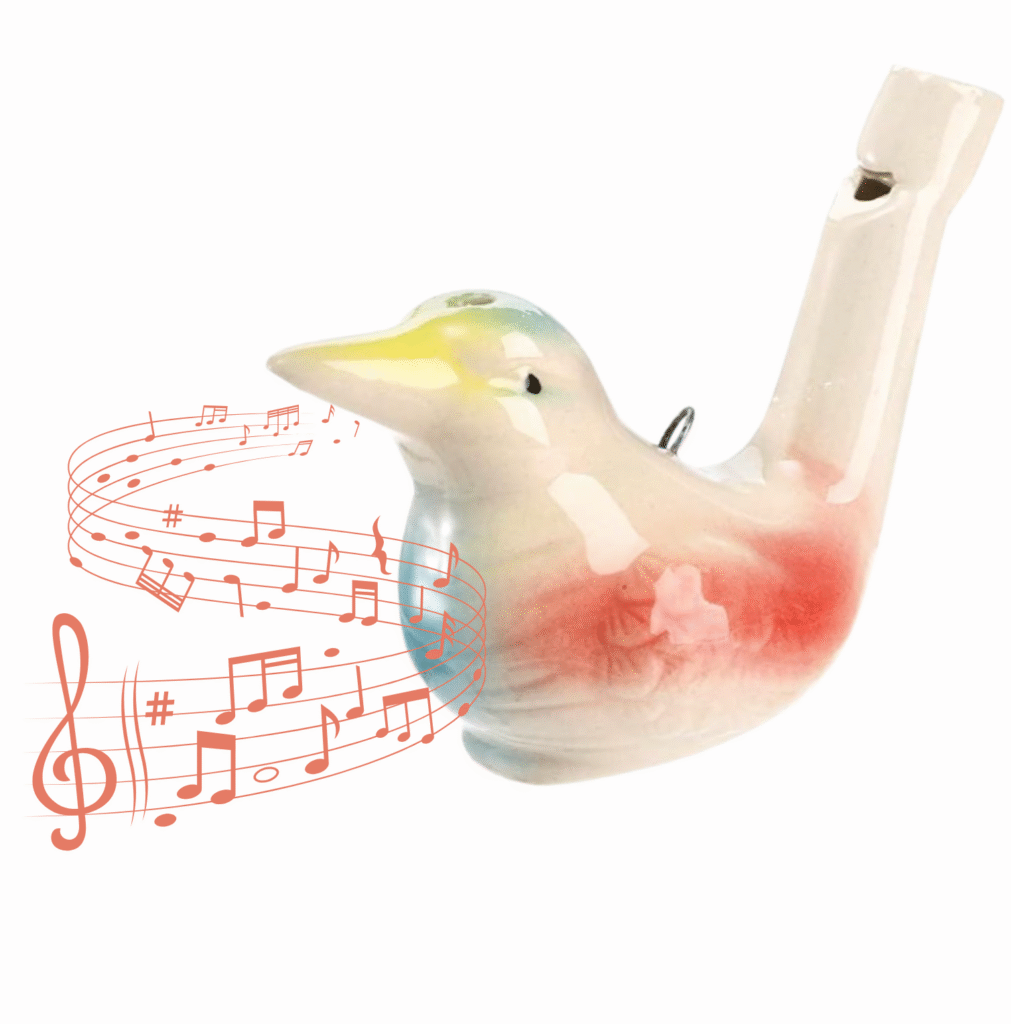
Hedume Set of 12 Ceramic Bird Whistles can help encourage interactive play, sound recognition, and sensory stimulation for children and bird lovers alike. These fun little whistles mimic bird calls, making playtime more engaging while also helping improve breathing control, listening skills, and creativity. Plus, they’re a playful way to bring a little “outdoor bird magic” indoors, without waking up at 5 AM like real birds. 🎶
Pro Tip: Teach a specific whistle as your contact call response. Parrots learn quickly and will feel reassured knowing you’ll always answer!
Reason 2: Nature’s Alarm Clock
Parrots are hardwired to be vocal at sunrise and sunset in the wild, these are peak socialising moments for the flock. Even as a pampered pet, your parrot carries this ancient instinct. If your bird goes absolutely wild at 6am or right before bedtime, congratulations, you have a perfectly normal parrot! These bursts usually last only 10-20 minutes.
What to do:
Maintain a consistent sleep schedule of 10-12 hours of darkness per night. Use a quality cage cover to clearly signal “night time” and avoid placing the cage near windows where early light triggers the calls.
Zettum Cage 38 Inch Extra Large 600D PU Birdcage Cover helps create a calm, dark, and cosy sleeping space for parrots, budgies, macaws, and other pet birds. This heavy-duty bird cage cover helps reduce distractions, supports better bird sleep, and can even help with noisy nighttime behaviour. Think of it as blackout curtains for your feathered drama queen, because even parrots need their beauty sleep. 🦜
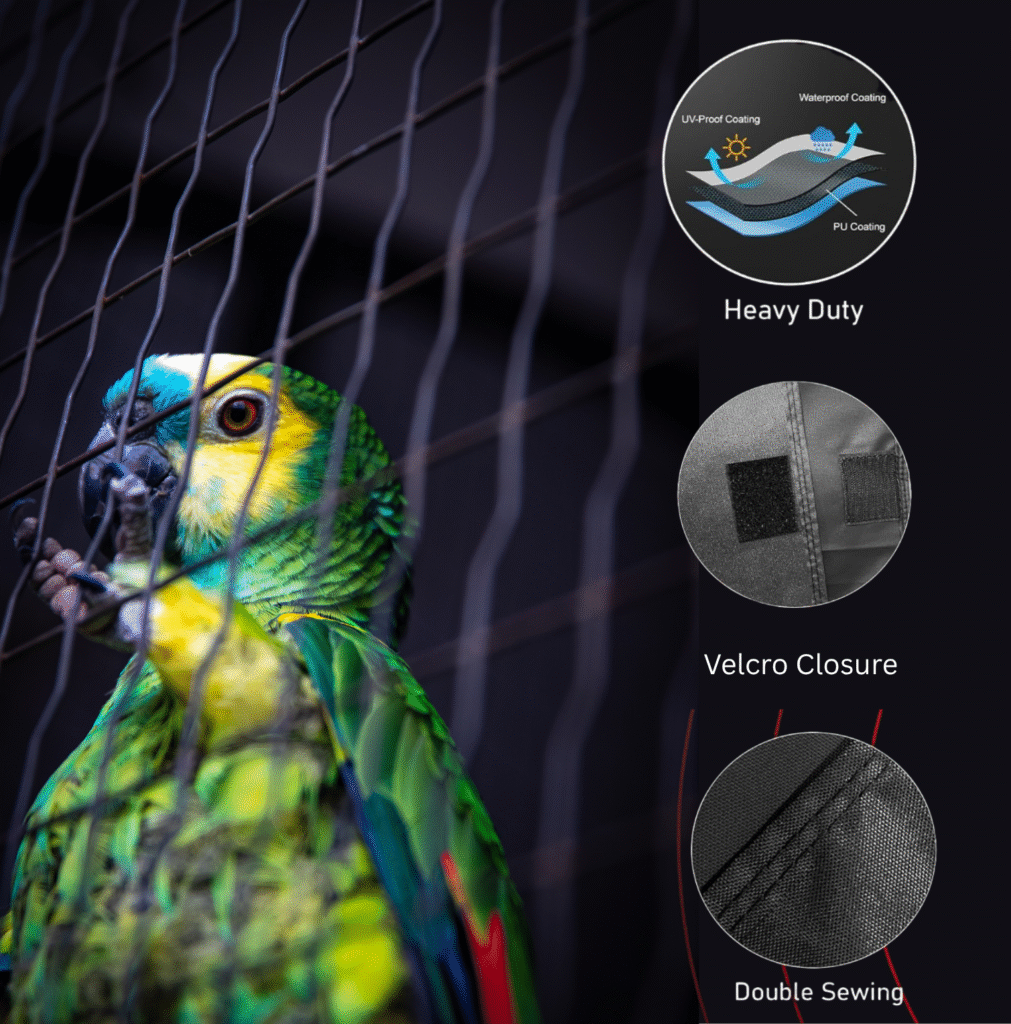
Pro Tip: A thick, breathable cage cover makes a huge difference for managing dawn and dusk calling.
Reason 3: Boredom & Loneliness – “Entertain Me!”
Parrots are extraordinarily intelligent specially African Greys and Cockatoos are often compared in cognitive ability to a young child. With that intelligence comes a serious need for mental stimulation, and when that need goes unmet, screaming becomes their favourite hobby.
What to do:
Rotate a variety of toys regularly, use foraging puzzles that hide food inside, and ensure at least 2-3 hours of out-of-cage social time daily. Bird-safe music or nature sounds also help a lonely bird feel less alone.
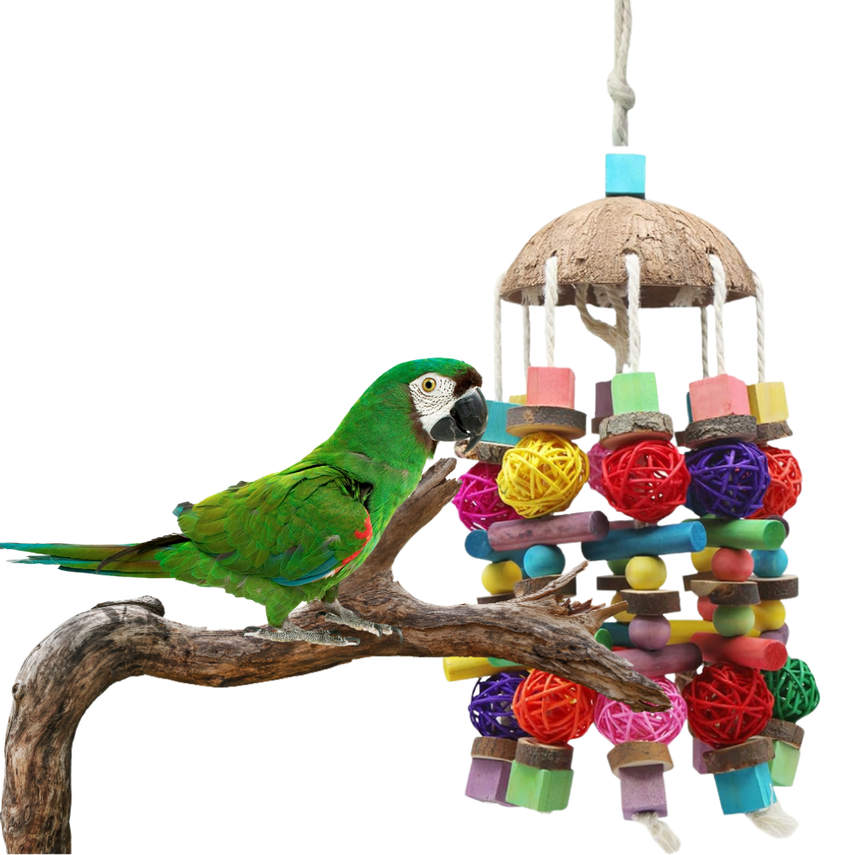
MQUPIN Large Parrot Toy with Coconut Shell is the ultimate boredom buster for curious parrots who believe your furniture exists purely for destruction and shouts for attention. Packed with colourful wooden blocks, shreddable textures, and a fun coconut shell, this interactive parrot toy encourages climbing, chewing, preening, and healthy beak activity. Perfect for African Greys and other active pet birds, it helps reduce boredom, supports natural instincts, and keeps your feathered troublemaker busy for hours, giving your curtains a much-needed break. 🌴
Pro Tip: Foraging is the single best boredom-buster for parrots. In the wild, they spend hours searching for food, give them that challenge at home!
Reason 4: Fear & Alarm – “DANGER!”
A sharp, sudden scream, often very different in tone to regular vocalisations usually means your parrot has been frightened. Common triggers include unfamiliar visitors, other pets passing by, loud sudden noises, unusual shadows, or new objects placed near their cage.
What to do:
Approach calmly, speak softly, and never punish a scared bird. Identify and remove the trigger where possible, and gradually introduce new people, pets, and objects at a safe distance.
Parrots are naturally alert animals, and in the wild they’re constantly aware of movement, sounds, and possible danger around them. When a cage is placed in the middle of a busy room or open space, your bird may feel exposed and overstimulated, which can lead to stress, nervous behaviour, or excessive screaming. Creating a calmer environment helps your parrot feel safer, more relaxed, and comfortable enough to rest, play, and socialise confidently.
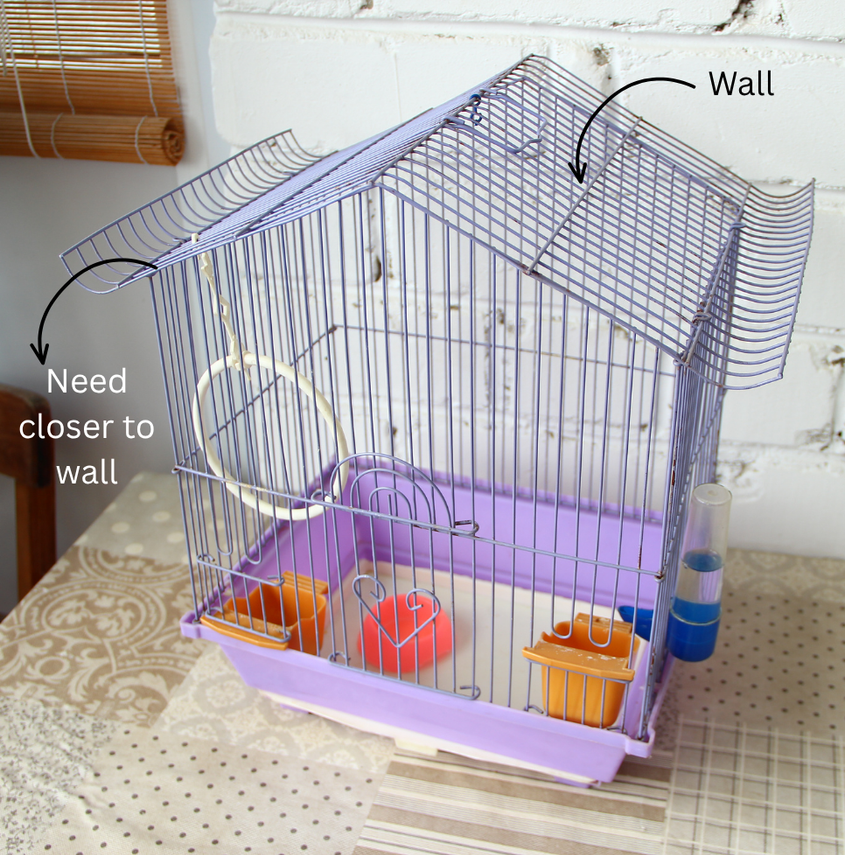
Pro Tip: Place the cage in a corner to give your bird two walls of security, it reduces the number of directions a “threat” can come from!
Reason 5: Hunger or Thirst, “Feed Me Now!”
Sometimes the answer is beautifully simple: your parrot is hungry, thirsty, or their bowl is empty. Parrots are not shy about demanding room service especially if mealtimes have shifted or their water has gone stale.
What to do:
Ensure fresh water is available at all times and changed at least twice daily. Feed on a consistent schedule, and offer fresh fruits and vegetables alongside a quality pellet diet.
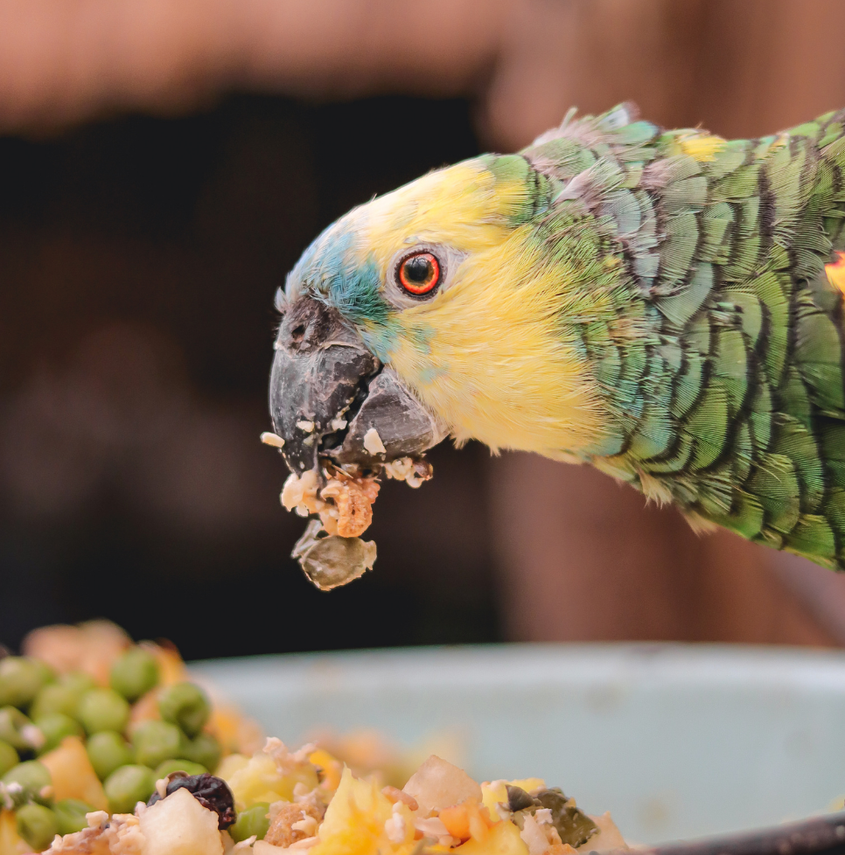
Britten & James All-in-One Parrot Mix is one of the five-star buffet your parrot thinks it deserves anyway. Packed with a balanced blend of quality ingredients in a handy stay-fresh tub, this nutritious parrot food supports healthy feathers, energy, and everyday wellbeing for your feathered foodie. Perfect for picky parrots who inspect their dinner like tiny restaurant critics, because apparently one seed out of place is unacceptable. 🥜
Pro Tip:Try using separate bowls for pellets, fresh foods, and treats to encourage healthy eating habits while reducing food-related screaming and mess.
Reason 6: Attention Seeking, “Look at Me!”
Here’s a trap many well-meaning bird owners fall into: every time the parrot screams, you come running. Over time, your parrot figures out the magic formula, SCREAM will equal attention. And parrots, being the clever creatures they are, will absolutely work this system.
What to do:
Reward quiet behaviour with attention and treats. Don’t rush over the moment screaming starts. Wait for even a 2-second pause, then immediately reward it. Give attention proactively before your bird even starts screaming.
Happy Pet Tweeter’s Treats Jelly Pots are fruity little mood boosters for birds who act personally offended when snack time is five minutes late. Packed with tasty flavours and added vitamins, these nutrient-rich bird treats help keep parrots and pet birds happy, energised, and mentally stimulated. Perfect as an occasional reward, enrichment treat, or peace offering after an especially dramatic screaming session. 🍓

Pro Tip: Consistency is everything. If even one person in the household runs over every time, the training won’t stick. Get everyone on the same page!
Quick Reference Table: Why Your Parrot Is Screaming
| Reason | What It Sounds Like | Why It Happens | What you can do |
| Contact Calls | Loud calls when you leave the room | Your bird is checking where their “flock” went | Respond calmly with a whistle or phrase |
| Morning & Evening Calls | Excited screaming at sunrise/sunset | Natural flock behaviour and instinct | Maintain a regular sleep schedule, find perfect cage cover |
| Boredom & Loneliness | Repetitive screaming throughout the day | Lack of stimulation or social interaction | Toys, provide foraging activities |
| Fear & Alarm | Sudden sharp scream | Something scared your bird | Remove the trigger and reassure calmly |
| Hunger or Thirst | Persistent demanding calls | Empty bowls or changed feeding schedule | Keep fresh food and water available |
| Attention Seeking | Screams that stop once you respond | Learned behaviour for attention | Reward quiet behaviour instead with these amazing treates on Amazon |
| Pain or Illness | Unusual or sudden vocal changes | Possible health issue | Contact an avian vet immediately |
Frequently Asked Questions about Parrots Screaming (FAQs)
1. Is it normal for parrots to scream every day?
Yes! Most parrots naturally vocalise daily, especially during morning and evening hours. Occasional loud calling is completely normal. Excessive screaming, however, may indicate boredom, stress, or unmet needs.
2. Should I ignore my parrot when it screams?
Not always. First identify why your parrot is screaming. Ignoring attention-seeking screams can help, but fear-based or distress calls should never be ignored.
3. Which parrot species scream the most?
Species like Cockatoo, Macaw, and African Grey Parrot are known for being especially vocal due to their intelligence and social nature, but they can be trained.
4. Can parrots be trained to scream less?
Absolutely. Positive reinforcement, consistent routines, mental stimulation, and proper social interaction can significantly reduce excessive screaming over time.
5. When should I worry about my parrot’s screaming?
If the screaming is sudden, unusual, accompanied by lethargy, appetite changes, breathing issues, or feather fluffing, consult an avian vet as soon as possible.
Final Thoughts
Living with a parrot means living with personality and sometimes, a LOT of volume.
But screaming isn’t random bad behaviour. It’s communication. Your bird may be calling for connection, expressing excitement, feeling bored, frightened, hungry, or even unwell. Once you begin understanding the “why” behind the noise, everything changes.
The key is patience, consistency, enrichment, and building trust with your feathered companion. With the right routine, proper stimulation, and a little empathy, you’ll create a calmer, happier environment for both you and your parrot.
Remember: a vocal parrot is often a healthy, emotionally engaged parrot. The goal isn’t silence, it’s understanding.
And honestly? Life would be far less fun without a little dramatic bird commentary now and then. 💛
⚠️ Affiliate Disclosure: This post contains Amazon affiliate links. If you purchase through these links, we may earn a small commission at no extra cost to you.