Raw Dog Food In The UK: Is It Really Better For Your First Pup?
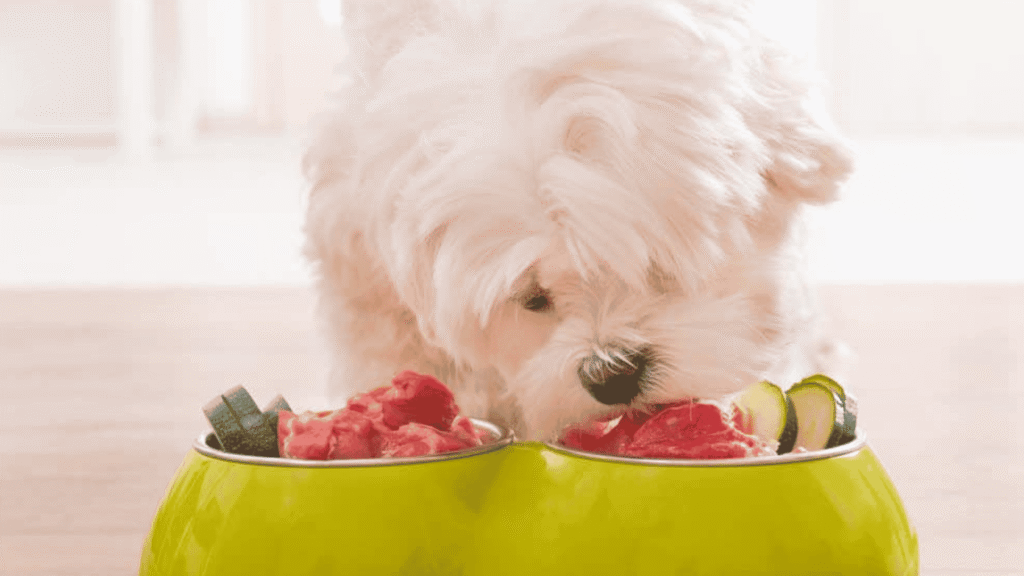
So… you’ve just adopted your first dog, your Instagram is suddenly full of “raw dog food” bowls, and now you’re wondering if kibble makes you a bad dog parent. Totally normal. Raw feeding has exploded in the UK as more owners treat pets like family and want “real food” in the bowl, not just brown biscuits. This guide is your calm, vet‑informed starting point. No guilt, no scare tactics, just a realistic look at what raw dog food is, the pros and cons, and how to keep your dog safe if you decide to try it. What is raw dog food, really? When people say raw dog food, they usually mean diets built around: Why is everyone suddenly talking about raw dog food? You’re not imagining it… raw dog food really is having a moment. It’s in your Insta feed, on TikTok, and popping up in every “day in the life of my dog” reel. A big reason is that more of us are treating our dogs like actual family members. If you’re already thinking about what’s in your food, it’s natural to start side‑eyeing that bag of brown biscuits and wondering if your dog deserves something fresher. Raw bowls look like “real food”: more meat you can see, fewer mystery chunks, and that feels reassuring when you’re new to all this. People who’ve switched to good‑quality raw dog food often say things like: Those changes can make sense when you move from very processed diets to higher‑protein, less “filler‑heavy” ones. But, and this is the important bit, raw isn’t automatically the best choice for every dog or every household. There’s a real flip side vets want you to know about, especially if you’re juggling first‑time dog ownership and a busy UK flat or house share. The vet view: real upsides, real risks Think of raw dog food as one possible “upgrade path”, not a magic fix. There can be benefits, but there are also proper health risks that don’t get talked about enough on social. The trick is to look at both with your vet, not just the before/after Instagram photos. Potential benefits (when done right) If you’re a new dog parent, that all sounds very “yes please”. You just want your dog to feel good and look healthy. But you also don’t want a diet that quietly creates problems behind the scenes, which is where the risks come in. Key risks vets worry about Most vet concerns around raw dog food fall into two big buckets: That’s why your vet might sound a bit wary when raw dog food comes up, especially if you’re still mastering the basics: vaccines, flea and worm treatment, training, and just figuring out how much your dog should eat in the first place. The caution isn’t about judging you, it’s about keeping you out of avoidable drama. Step‑by‑step: how a new UK dog parent can explore raw more safely If you’ve read this far and you’re still curious (not scared off!), here’s a gentle way to dip a toe into raw dog food without feeling overwhelmed. Step 1: Have a quick chat with your vet Before you change anything, especially if your dog is under one year old, book a quick call or mention it at your next appointment. You can keep it simple: Your vet knows your dog’s age, breed and health history, so they’re in the best position to say whether raw is a good idea right now or whether something like gently cooked, complete food might be a safer move for you as a new owner. Step 2: Start with complete, beginner‑friendly products If you do get the green light to explore raw, don’t feel pressured to build Pinterest‑perfect DIY bowls. As a beginner, your main priorities are balanced nutrition and clear instructions, not aesthetics. Look for UK raw dog food or freeze‑dried options that: A complete raw dog food starter box – lets you test raw without committing to a freezer full of tubs. A freeze‑dried raw option – less mess, easier to store; feels like a halfway step between kibble and full raw. A prep and storage kit – dedicated bowls, spatula and cutting board for dog‑only food, so your kitchen feels organised, not chaotic. Step 3: Get your kitchen hygiene game on point This is the part TikTok rarely mentions, but it really matters. If you’re in a rented flat or sharing a kitchen, you want raw dog food to fit into your life without becoming a headache. Common‑sense hygiene rules: Your little prep kit can live in one corner of the kitchen as a “dog zone”, which makes it easier to remember what’s for you and what’s for the pup. Step 4: Transition slowly (and don’t freak out about poo) Sudden food changes are one of the most common reasons owners ring the vet in a panic. Take it slow with any switch, raw included. A gentle transition might look like: You’ll probably notice changes in poo size and texture; that’s normal! What you’re watching for is worry signs: diarrhoea, vomiting, refusing food, or seeming unusually tired. If any of that pops up, pause the new diet and chat to your vet. On top of that, your dog may poo less than it did before. That is normal also. Quick UK‑specific notes for first‑time owners Just a few reassuring reminders for you as a new dog parent in the UK: Raw dog food FAQs for new UK dog parents Final thoughts: you’re doing better than you think If you’ve read all the way to the end of a post about raw dog food, that already says a lot about you as a dog parent. You care, you’re curious, and you’re willing to research before you change anything. That’s exactly what your dog needs. Raw dog food can be amazing for some dogs and households, and a bit too stressful or risky for others. There isn’t one “perfect” answer; there’s just what works best for your