If you keep backyard chickens, worms are something you will almost certainly come across at some point. They are incredibly common, they thrive in the kind of environment chickens love, and they can cause real problems if they are left unchecked for too long.
The good news is that natural prevention is very much within reach for most backyard flock keepers. With the right routine, a little extra attention, and some simple supportive products, you can give your chickens the best possible chance of staying healthy and parasite-free all year round.
This guide covers what worms are, how to spot them, which natural methods actually help, what products are worth having, and when to take things more seriously.
Understanding Worms In Chickens First
Chickens can pick up internal parasites by pecking at contaminated ground, eating earthworms, slugs, or snails that carry worm larvae, or simply by living in a space where worm eggs are already present in the soil.
Worm eggs can survive in the environment for a long time, which means that even a clean-looking run can carry a parasite burden if the ground has not been rested or treated. Damp, muddy, and well-used patches of ground are particularly high risk because the conditions suit worm eggs well.
Free ranging is brilliant for enrichment and natural behaviour, but it does increase exposure. That does not mean you should stop letting your chickens roam. It just means that flock management matters even more when birds have access to the outside world.
Fun Fact
A healthy looking chicken can carry a light parasite load without any obvious symptoms at all. This is one of the main reasons regular checks and a solid prevention routine matter far more than waiting until something looks wrong
Signs Your Chickens May Have Worms
Worms are not always easy to spot, especially in the early stages. Some of the most common signs to watch for include weight loss, poor body condition, a drop in egg production, pale combs or wattles, loose or messy droppings, increased appetite without weight gain, and in more serious cases, weakness or lethargy.
Gapeworm is one type that causes a very specific symptom. Affected birds may stretch their necks, gasp, or make a rattling sound when breathing, which is sometimes called the gapes. If your birds seem off, are losing condition steadily, or just do not look quite right, parasites are always worth considering alongside other possible causes.
Natural Ways To Worm Chickens
Natural worming is best thought of as ongoing prevention and gut support rather than a guaranteed cure for a heavy infestation. Several well-known natural options can help make the environment less welcoming for parasites, and many experienced chicken keepers use them as part of a regular flock care routine.
Use Crushed Garlic In Drinking Water
Garlic is one of the most widely used natural remedies in backyard chicken keeping. It is believed to help create a less hospitable environment for parasites in the gut and is commonly added to drinking water in small amounts for short periods. Many keepers use it a few days at a time rather than as a permanent daily addition.
Add Apple Cider Vinegar To Water
Raw apple cider vinegar is often used alongside garlic to help support digestive health and maintain a gut environment that is less inviting to parasites. It is usually added in small measured amounts to drinking water and works best as part of a wider prevention routine rather than a standalone fix.
Offer Pumpkin Seeds As A Supportive Treat
Pumpkin seeds contain cucurbitacin, a compound that is often discussed in natural chicken care for its potential anti-parasite properties. They are best thought of as a helpful part of a broader prevention plan. They are not a guaranteed solution for a serious worm burden on their own, but they are a simple and well-liked addition to natural flock care.
Fun Fact
Pumpkin seeds have been used in folk medicine for parasite prevention in humans and animals for centuries. Chickens tend to enjoy them too, which makes them one of the easier natural remedies to actually get the flock to eat.
Add Herbs To The Routine
Herbs such as oregano, wormwood, thyme, sage, mint, and rosemary are regularly used in natural chicken keeping to support gut health and general resilience. Some keepers mix dried herbs into feed or mash, while others grow them near the run so chickens can nibble freely. Either approach adds variety and natural gut support without any extra effort.
Support The Gut After Any Treatment
After a natural worming routine, offering a poultry probiotic or a small amount of plain unsweetened yogurt can help support the digestive system as it recovers. A stronger, healthier gut is better placed to cope with a low parasite load over time, and probiotic support is a simple way to work that into your routine.
Poultry Probiotic Supplement
A good quality poultry probiotic is one of the most useful products you can keep on hand for natural flock care. It supports digestive health, helps the gut recover after stress or treatment, and can be used regularly as part of a prevention routine like this poultry probiotic supplement on Amazon as a year-round gut support option that works well alongside natural worming methods.

Look for:
- Specifically formulated for poultry
- Contains live cultures or beneficial bacteria
- Easy to mix into water or feed
- No unnecessary fillers or additives
Coop Management Does A Lot Of The Hard Work
If you want natural methods to work as well as possible, hygiene has to carry a significant part of the load. A clean, dry, well-managed coop and run will do more for parasite prevention than any single ingredient or remedy on its own.
Practical steps that genuinely make a difference include:
- Removing wet or soiled bedding quickly and keeping litter as dry as possible
- Cleaning the coop and nest boxes regularly because droppings accumulate fast
- Rotating runs or grazing areas when possible to break the parasite life cycle
- Improving drainage around pop holes and muddy areas
- Keeping grass short and allowing sunlight and airflow to reach the ground
- Avoiding overcrowding because stress and poor conditions make parasite issues harder to manage
Fun Fact: Worm eggs are far less likely to survive in dry, sunny, well-ventilated conditions. A bright, open, well-drained run is genuinely one of the most effective parasite prevention tools available, and it costs nothing extra to maintain.
Diatomaceous Earth For Coop Use
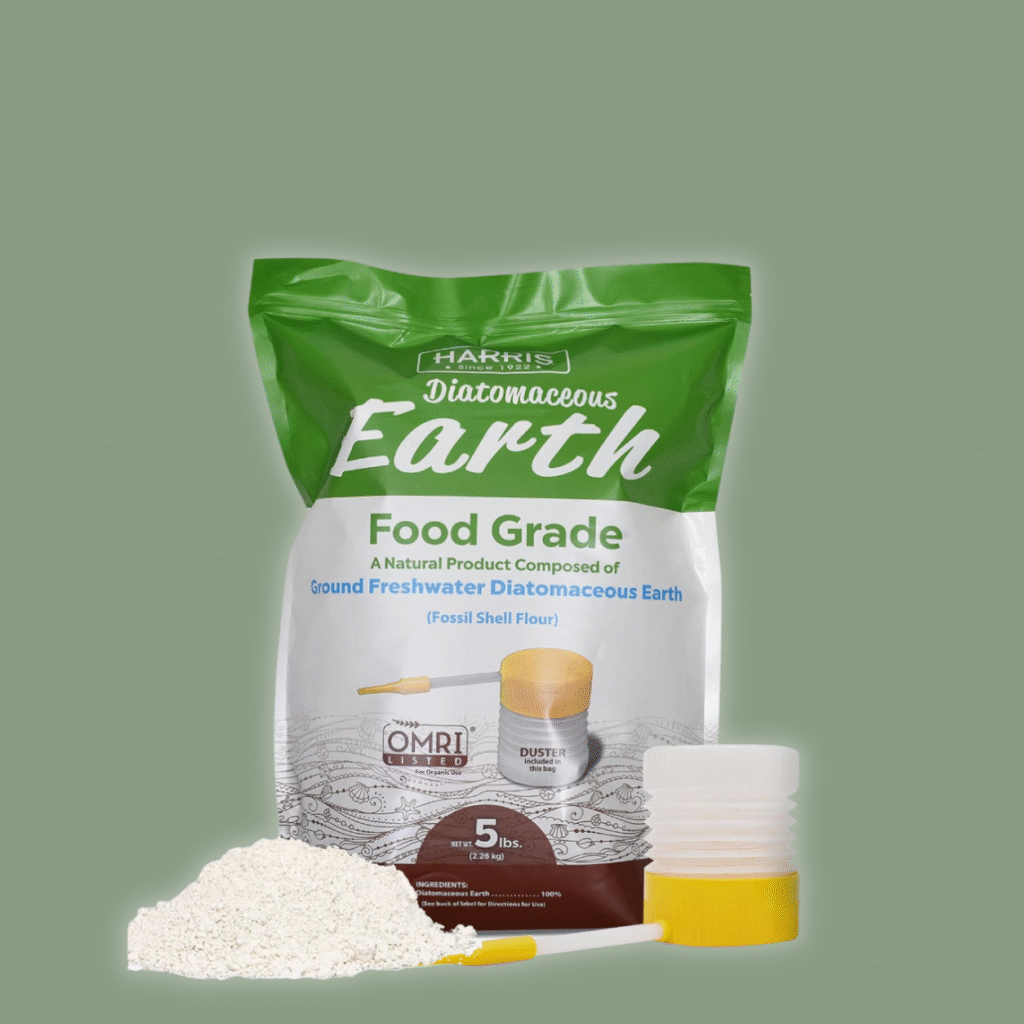
Food grade diatomaceous earth is widely used by chicken keepers as part of coop hygiene routines. While its effectiveness as an internal wormer is debated, many keepers use it in bedding and dust bathing areas to help manage the external environment. This food grade diatomaceous earth on Amazon as a coop hygiene product worth keeping in the routine.
Look for:
- Food grade, not pool grade
- Fine, dry powder suitable for poultry use
- Easy to apply to bedding and dust bath areas
- A product with clear usage guidance included
Look for:
- Food grade, not pool grade
- Fine, dry powder suitable for poultry use
- Easy to apply to bedding and dust bath areas
- A product with clear usage guidance included
A Simple Natural Worming Routine
Keeping things consistent works far better than occasional bursts of effort followed by long gaps. A simple regular routine takes very little time and builds real resilience into your flock management over time.
A practical natural prevention routine looks like this:
Weekly
- Fresh clean bedding and dry coop floor
- Clean fresh water with a small amount of apple cider vinegar added
- Observation of droppings, body condition, and general behaviour
Monthly
- Crushed garlic added to water for a few days as a supportive flush
- Pumpkin seeds offered as a treat
- Herbs mixed into feed or scattered in the run
Seasonally
- A close review of body condition across the whole flock
- Consideration of a fecal worm egg count if anything seems off
- Rotation of grazing ground if possible
Apple Cider Vinegar For Poultry
A raw unfiltered apple cider vinegar designed for poultry use is one of the simplest and most affordable additions to any natural flock care routine. It supports gut health, helps maintain digestive balance, and is easy to add to drinking water in small amounts like this poultry apple cider vinegar on Amazon as a straightforward everyday addition to your natural worming and gut care routine.
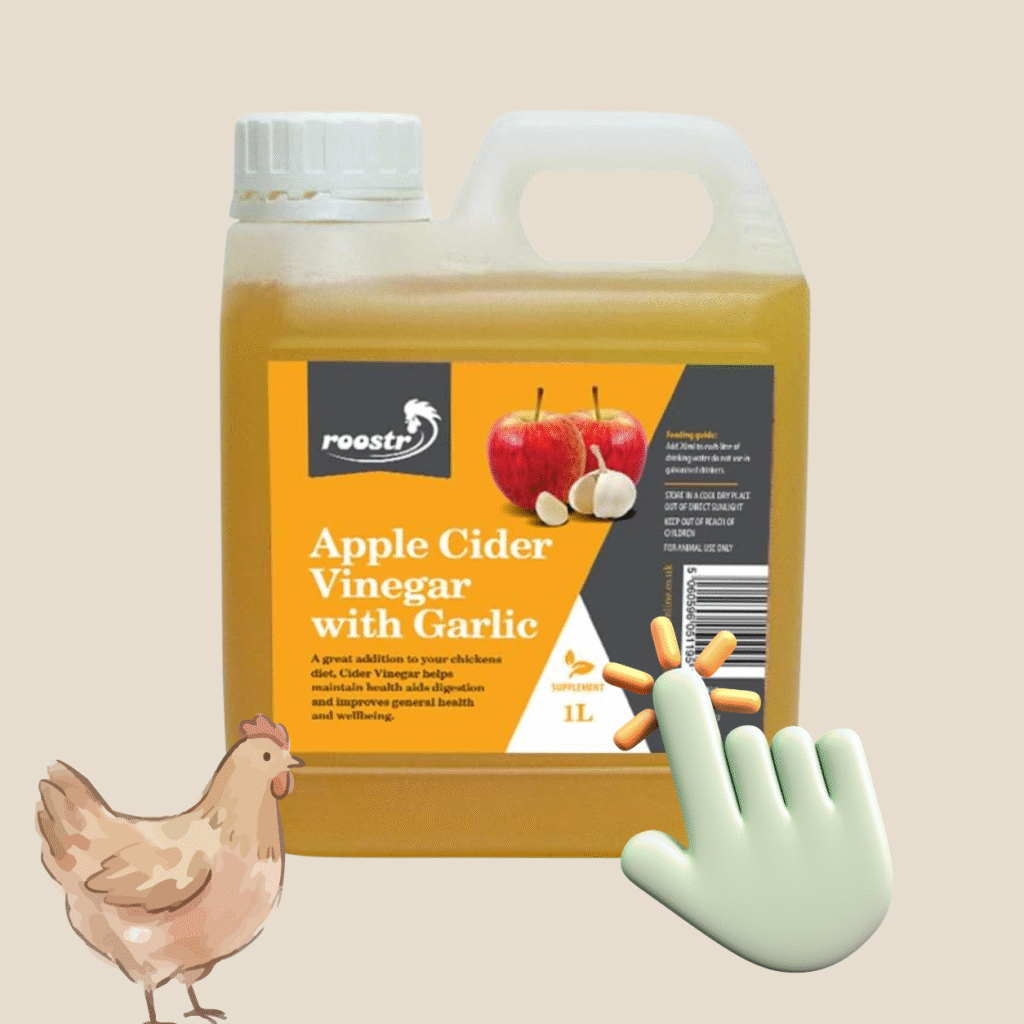
It should have:
- Raw and unfiltered with the mother culture intact
- Suitable for poultry use
- No added flavourings or sweeteners
- Easy to measure and pour
When Natural Methods Are Not Enough
This is the part that matters most and that many natural care guides tend to gloss over. Natural approaches are genuinely helpful for prevention and supportive care, but they are not proven replacements for proper treatment when a flock already has a significant worm burden.
If birds are losing weight steadily, showing repeated symptoms, gasping for breath, or failing to improve over a reasonable period, a fecal worm egg count is the smartest next step. It confirms whether worms are actually the problem, which type is involved, and whether medical treatment is necessary. Testing beats guessing every time when a flock is genuinely struggling.
Did you know?
A fecal worm egg count, also called a WEC or FEC, can often be done through a vet or even ordered as a postal kit that you complete at home. It takes away the guesswork entirely and means you only treat when treatment is actually needed.
Poultry Worm Egg Count Test Kit
A home fecal worm egg count kit is a genuinely useful product for any keeper who wants to monitor their flock properly without going straight to chemical treatment. It helps confirm whether worms are present, at what level, and whether intervention is actually needed this poultry worm egg count kit on Amazon as a practical monitoring tool for responsible flock management.
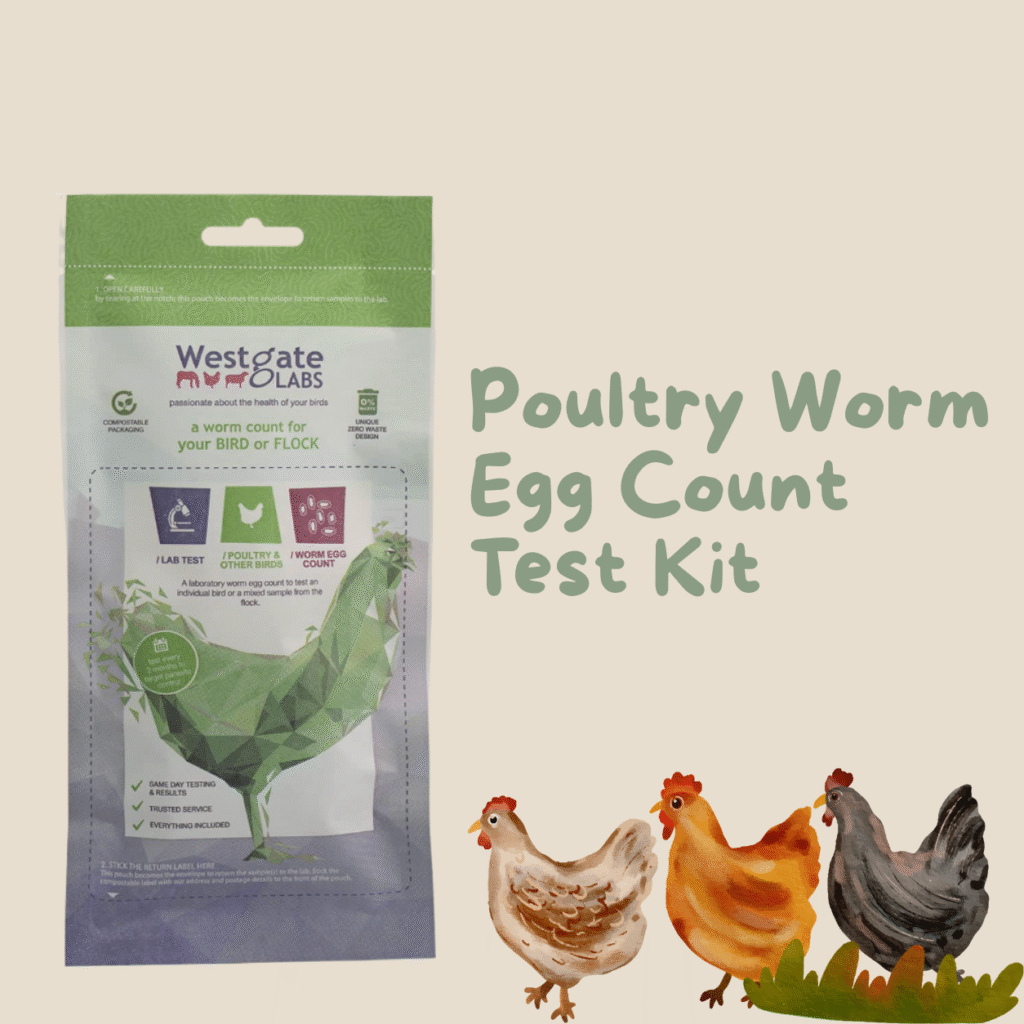
It should have:
- Clear instructions for sample collection
- Results returned quickly or easy to interpret at home
- Covers the main common poultry worm types
- Good reviews from backyard poultry keepers
Herbs Worth Growing Near Your Chicken Run
If you have even a small amount of outdoor space near your coop, growing a patch of herbs that chickens can access is one of the easiest and most rewarding things you can do for natural flock care. Chickens will often self-select what they want, and many of the best herbs for natural gut support are also incredibly easy to grow.
Herbs worth considering include:
- Oregano, which is widely noted for its natural antimicrobial properties
- Wormwood, which has a long traditional history in natural parasite care
- Thyme, which is easy to grow and well-liked by most flocks
- Mint, which adds freshness and is thought to deter some pests
- Rosemary and sage as hardy, low-maintenance additions
Even a few pots near the pop hole can make a difference and give your chickens something interesting to investigate every day.
Natural Herb Mix For Chickens
A ready-made natural herb blend for chickens is a simple and convenient way to add herbal gut support to your flock’s routine without growing or sourcing everything separately. Good blends often include a mix of poultry-safe herbs that support digestion, natural resilience, and general flock health. As a straightforward everyday supplement or treat topper.
Read more about it on our Blog: Beginner’s Guide To Safe Chicken Treats That Hens Absolutely Love
When looking for a Herb Mix for your chicken, look for:
- A blend of poultry-safe herbs with no fillers
- Dried and easy to mix into feed or scatter in the run
- No added sugars, artificial flavourings, or unnecessary extras
- Clear guidance on how much to offer and how often
Frequently Asked Questions
Can you naturally deworm chickens without medication?
You can absolutely support prevention and flock resilience naturally using hygiene, herbs, garlic, apple cider vinegar, pumpkin seeds, and gut care. However, a heavy active worm burden may still need targeted treatment, and testing helps confirm what is actually going on before you decide how to respond.
Are pumpkin seeds enough to deworm chickens on their own?
Pumpkin seeds are a lovely supportive addition and chickens tend to enjoy them, but they work best as part of a wider prevention routine rather than a guaranteed standalone cure for an active infestation.
How often should I worm chickens naturally?
Most keepers build a gentle natural routine into their monthly and seasonal schedule rather than treating on a strict fixed calendar. Spring and autumn are often the most important times to pay attention because conditions suit parasite development well at those times of year.
What is the most important thing I can do to prevent worms naturally?
Keep the coop clean, keep the ground dry where possible, rotate grazing areas, and monitor your birds regularly. Good husbandry consistently does more than any single remedy or supplement.
Final Thoughts
Natural worming is not about finding one magic ingredient and hoping for the best. It is about building a routine that works with your coop setup, your flock size, and the kind of ground your chickens live on.
A dry coop, clean water, regular observation, sensible herbal support, and a willingness to test rather than guess when something looks wrong will take you much further than any single product ever could.
Start simple, stay consistent, and your flock will thank you for it.
⚠️ Affiliate Disclosure: This post contains Amazon affiliate links. If you purchase through these links, we may earn a small commission at no extra cost to you.