
Some cats will happily sprawl across the middle of the living room, snooze in noisy kitchens, and barely flick an ear when someone clatters a pan. Others live like tiny security guards: they jump at footsteps, vanish when visitors arrive, and never seem to fully relax even in the quietest corner of the house.
It can be hard to tell when a cat is simply cautious by nature and when they are genuinely anxious at home. Are they just “a bit shy”, or is your environment making it hard for them to feel safe, settled, and secure?
The truth is that a calmer cat is rarely about one magic product or clever trick. It is about predictable routines, safe spaces, and a handful of smart tools that work with your cat’s instincts instead of against them. Once you understand the signs, it becomes much easier to decide what your cat actually needs and which products will genuinely help, rather than just cluttering your house.
This guide walks you through those signs and introduces five practical, UK‑friendly product types you can find on Amazon right from calming donut beds to lick mats and anxiety vests, so you can make confident choices instead of guessing.
Why Some Cats Cope Fine At Home (And Others Don’t)
Plenty of cats tolerate busy homes surprisingly well. They nap in the middle of the sofa while kids run around, watch TV with you in the evenings, and only occasionally retreat to a quiet room when things get loud.
But others experience the same environment as a constant stream of minor shocks. A dropped spoon, a door opening, laughter in the hallway, or a chair scraping can all feel like potential threats. Over months and years, living in a house that feels unpredictable can quietly shape their behaviour.
You might notice, for example:
- They only fully relax when everyone is asleep.
- They prefer to eat when the room is empty.
- They startle at sudden movements even from people they know well.
None of this means you are doing anything wrong. It simply means your cat needs more predictability and control than your current setup is giving them.
Signs Your Cat Is Nervous At Home (Not Just “Independent”)
You do not have to be a behaviourist to spot that a cat is living on edge. Every day behaviour offers surprisingly clear clues that your cat would benefit from more security and structure.
Look for patterns like:
- Prolonged hiding
Your cat spends most of the day under beds, inside wardrobes, or behind furniture, only emerging to eat or use the litter tray. - Over‑reaction to everyday noise
Sudden noises — cutlery, chairs, TV volume changes — send them running or make them freeze with wide eyes and flattened ears. - Difficulty settling
They change resting spots constantly, jump up at minor sounds, and rarely sink into deep sleep in shared spaces. - Avoidance of busy rooms
They carefully avoid the kitchen at peak times, the living room when family gathers, or the hallway when people are coming and going. - Tension in their body language
Stiff posture, tail tucked close to the body, ears swivelling to monitor everything, and eyes always scanning the room.
If more than one of these feels familiar, your cat could benefit from an environment that feels clearer, calmer, and more predictable — plus some well‑chosen tools to lower the overall stress load.
Did You Know?
Cats are highly sensitive to change and unpredictability. Even small shifts, a new piece of furniture, different feeding times, or louder evening routines can be enough to push already nervous cats into constant “watch mode”. Creating a few stable, protected spaces and consistent patterns often lowers anxiety more than any complicated training plan.
Matching Home Tweaks To Your Cat’s “Stress Style”
Before you buy anything, watch how your cat behaves when the house is quiet and they are left to make their own choices:
- Do they curl up into a tight ball and seek covered spots?
- Do they stretch out and prefer airy, open spaces?
- Do they sit near you but always with a clear escape route?
- Do they only rest when they can watch doorways or windows?
These preferences will shape which products actually help. A nervous cat who loves dens will respond very differently from a nervous cat who only feels safe up high or at a window. That is why we’re focusing on product types matched to behaviour, not just a list of cute things to buy.
Calming Donut Cat Bed – For Cats Who Need A Safe “Nest”
Some cats technically have plenty of soft spots, blankets on the sofa, cushions on chairs, a spare bed somewhere — but none of them feel like a protected base. These cats often:
- Curl into very tight balls.
- Choose corners or under tables rather than open spaces.
- Seem to sleep lightly and wake at small sounds.
For them, a calming donut bed is more than a fluffy accessory. It creates a nest‑like space where your cat can sink into softness and feel gently enclosed without being truly hidden.
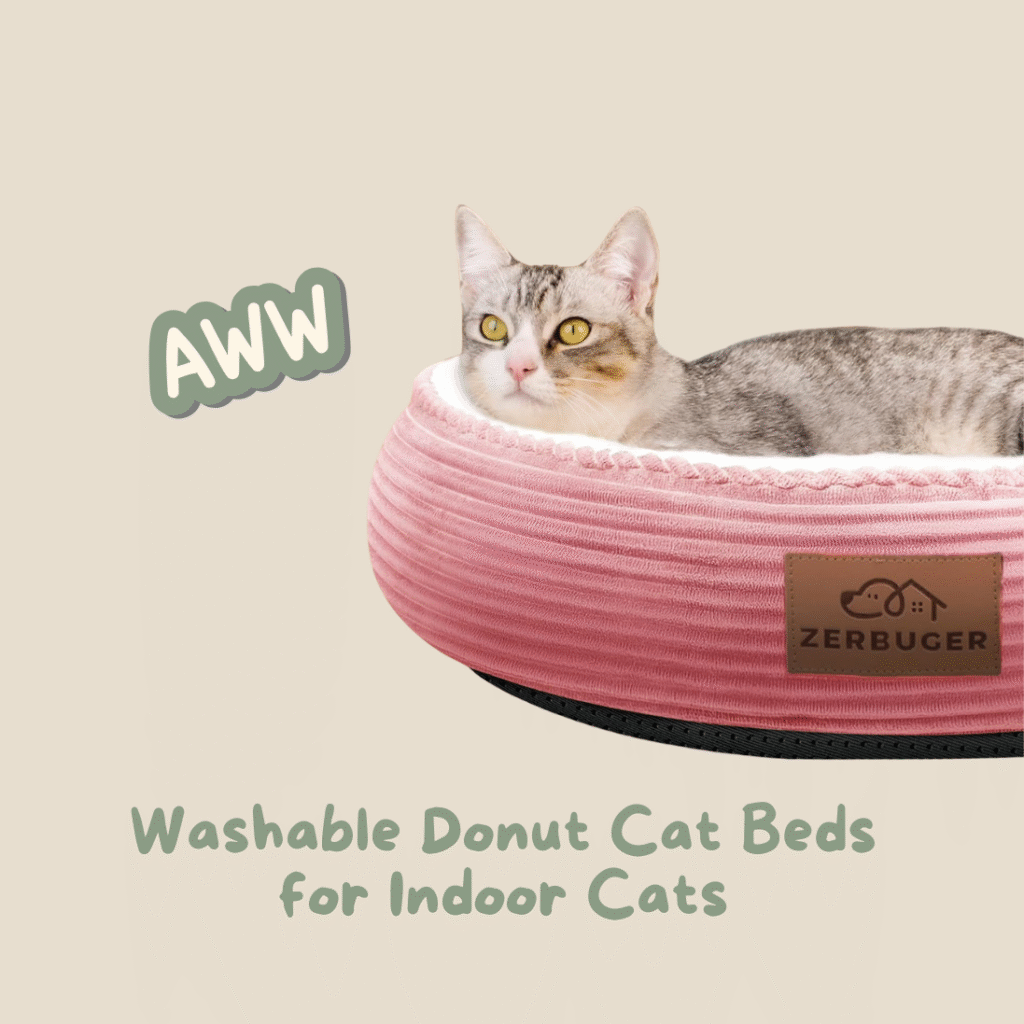
A good calming donut bed typically offers:
- A round, plush design with raised sides that lightly “hug” the cat.
- Soft faux‑fur or velvet fabric that feels warm and inviting.
- A padded centre that supports their body instead of flattening to the floor.
- A non‑slip base so the bed stays put in its designated safe corner.
This is the sort of bed you choose when you want your cat to have one clearly defined safe spot. Pick a quiet area a bedroom corner, an office nook, or under a side table and agree that when the cat is in that bed, they are off‑limits. No grabbing for cuddles, no noisy games nearby, no moving the bed around constantly.
Over time, your cat learns that this one place is always predictable and safe, which can dramatically reduce the amount of hyper‑vigilant pacing they do elsewhere in the house.
Cat Calming Collar – For Cats Who Roam The Whole House
Not every nervous cat sticks to one room. Some patrol the whole home, checking windows, doors, and hallways as if they are inspecting for danger. For these cats, a single diffuser or single bed in one corner is often not enough; they need something that travels with them.
A cat calming collar is designed exactly for this. These collars usually:
- Release synthetic pheromones similar to those cats produce when they rub their face on familiar objects, marking them as “safe”.
- Provide a low, steady background of comforting scent as the cat moves between rooms.
- Last around 30 days, making them relatively low‑maintenance once fitted.
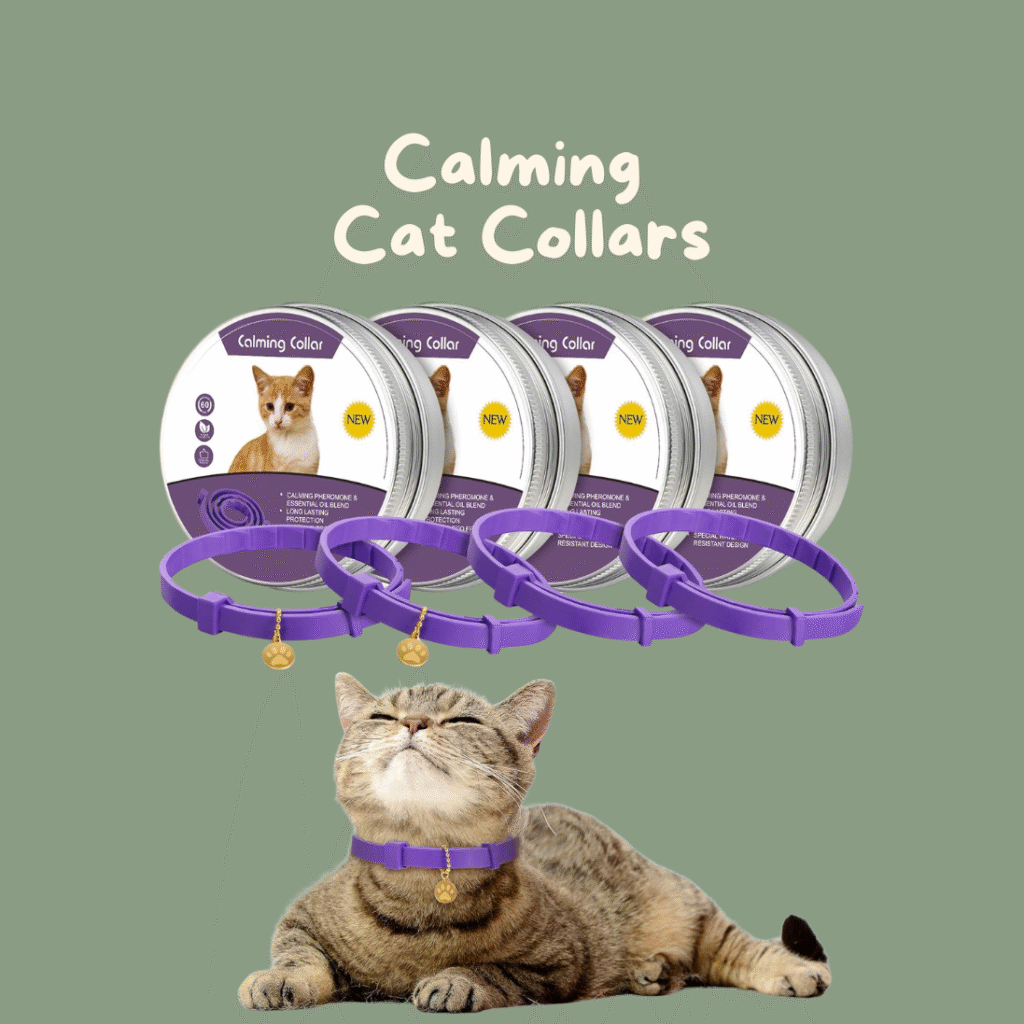
They are most useful when:
- You have recently moved house or made big changes to your layout.
- Your cat patrols multiple floors or rooms and rarely settles in one place.
- There are new people or pets in the home and your cat seems permanently on edge.
Think of a calming collar as a portable layer of reassurance. It will not replace the need for quiet spaces and good routines, but it can take the edge off constant patrolling and make it easier for your cat to switch off when they reach their favourite spot.
Lick Mat Or Slow‑Feeder Bowl – For Cats Who Turn Stress Into Food Drama
Some nervous cats channel their tension straight into mealtimes. They may:
- Gulp food so fast they almost choke.
- Guard the bowl nervously, watching for movement.
- Refuse to eat unless the room is perfectly quiet, then bolt down the food.
For these cats, turning meals into predictable, soothing routines can make a surprising difference. A lick mat or slow‑feeder bowl is a simple way to do this.
Here is how they help:
- A lick mat lets you spread a thin layer of wet food or cat‑safe paste. Repetitive licking can be soothing and naturally slows eating, giving your cat more time to relax into the routine.
- A slow‑feeder bowl uses ridges, pockets, or patterns to turn kibble into a gentle puzzle. Your cat works around the obstacles, which occupies their mind and reduces frantic gulping.
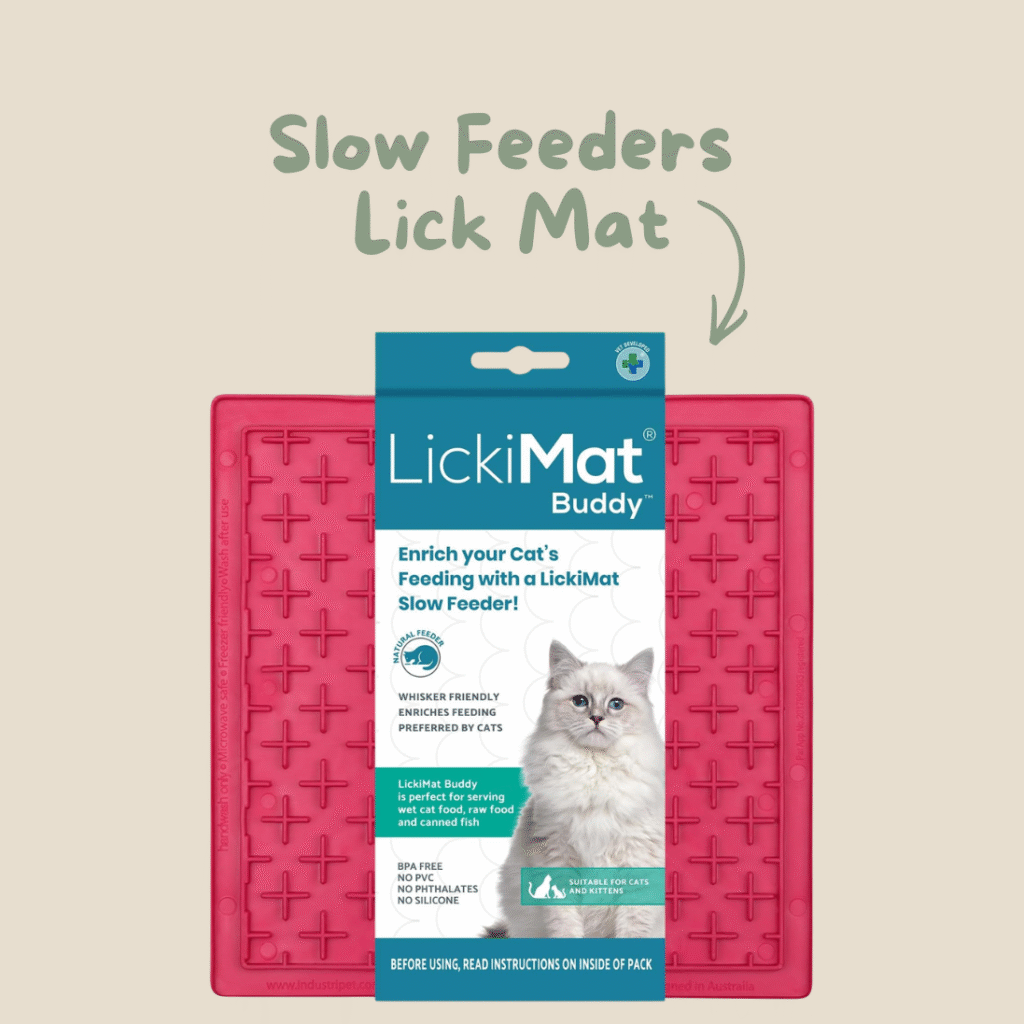
Look for features like:
- Non‑slip bases so the mat or bowl stays where you put it.
- Dishwasher‑safe or easy‑rinse materials for daily use.
- Designs sized appropriately for cats rather than large dogs.
Used at consistent times each day, these tools help your cat experience feeding as calm, predictable, and rewarding, instead of yet another tense event in an already stressful environment.
Window Perch And Foldable Tunnel – For Cats Who Need Control Over Space
Some anxious cats don’t just want a soft bed; they want control over where they are. They feel safer when they can see what is coming and when they have an obvious escape route.
Two simple products can work together beautifully here: a window perch and a foldable cat tunnel.
Window Perch: Elevated Observation Without Overstimulation
A window perch:
- Clips or suctions onto a window and offers a small, padded platform.
- Gives your cat a clear vantage point where they can watch the world from a safe distance.
- Keeps them off the floor during busy times, which many nervous cats find reassuring.
Choosing the right spot matters. For very anxious cats, pick a quieter view, garden side, side street, or courtyard rather than a noisy main road. This way, they get visual stimulation and control without constant overload.
Foldable Cat Tunnel: A Quick Escape Route That Feels Safe
A foldable tunnel:
- Creates a covered path between “busy” and “safe” zones in your home.
- Lets your cat move around without feeling exposed in the middle of open rooms.
- Doubles as a play object when they are feeling braver.
Place one end of the tunnel near their calming donut bed or favourite hiding spot and the other near a doorway or open area. That way, they always have a quick, hidden route back to safety if something startles them.
Together, the perch and tunnel help your cat feel more in control: they can choose to watch from above, retreat through a covered path, or settle in their nest, instead of being stuck in the open with no obvious escape plan.
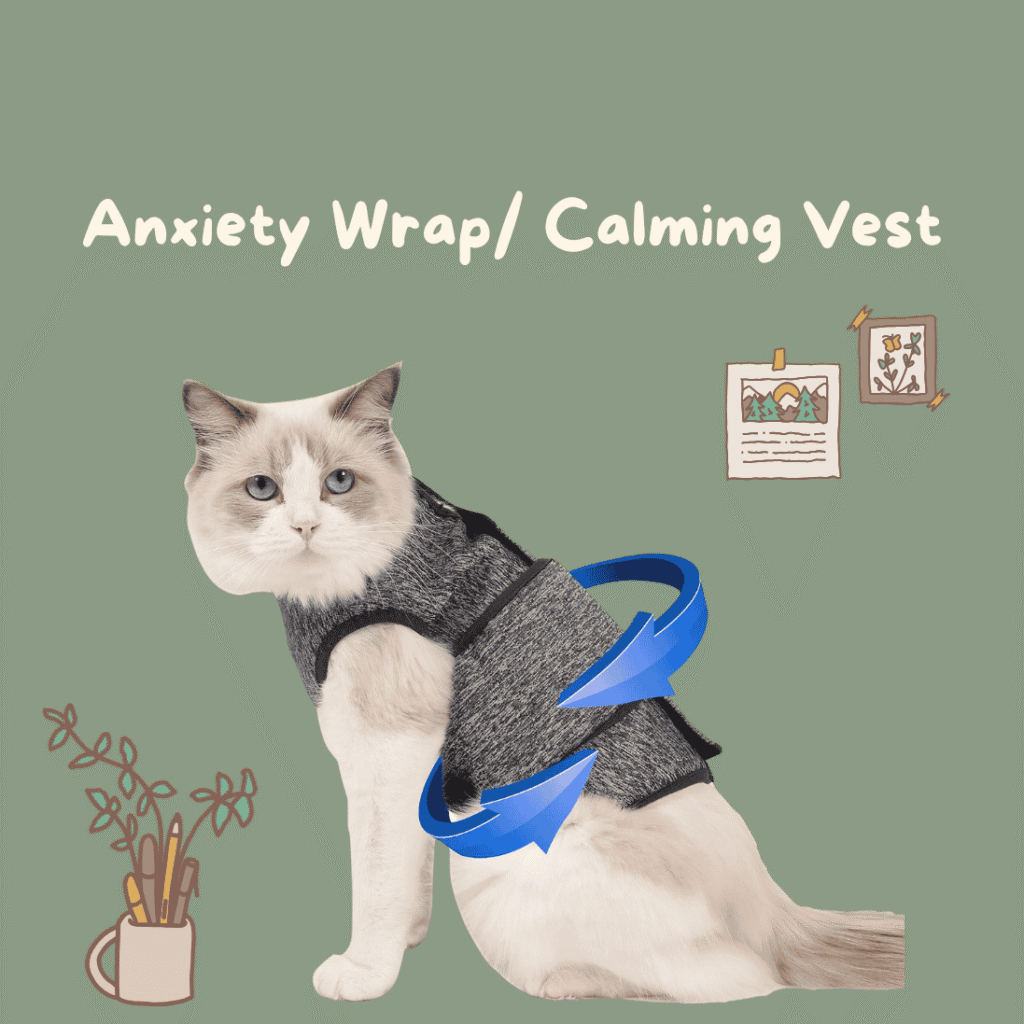
Calming Vest Or Anxiety Wrap – For High‑Stress Events
Many cats are moderately anxious day‑to‑day but become genuinely overwhelmed during specific events: visitors staying over, fireworks, loud DIY, vet trips, or house‑moves. In those moments, even well‑structured routines and safe beds may not feel like enough.
A calming vest or anxiety wrap can sometimes bridge that gap. These garments:
- Apply gentle, consistent pressure around the torso, a bit like a snug hug.
- Are designed to help some animals feel more grounded during short, intense stress.
- Come in cat‑specific sizes and shapes, with adjustable straps.
They are not for every cat, and they must be introduced gradually and positively. However, for some nervous cats, a well‑fitted calming vest worn during fireworks night or a vet visit can be the difference between complete panic and “I am worried, but I can get through this.”
You might choose this kind of product when:
- Your cat becomes frantic at particular noises or situations.
- You already use safe rooms, routine, and other tools, but they still tip into meltdown.
- You are working with a professional who thinks gentle pressure could help.
Always pair any vest use with short sessions, treats, and gentle handling, and never force it on a struggling cat.
How To Decide Which Product Your Nervous Cat Needs First
Putting all of these examples together, the decision often becomes clearer:
- If your cat mostly hides or curls tightly in corners, a calming donut bed in a quiet, protected spot is a smart first step.
- If your cat patrols the whole house and rarely settles, a calming collar can provide a portable layer of reassurance as you stabilise routines.
- If your cat’s stress shows up as frantic or tense mealtimes, start with a lick mat or slow‑feeder bowl to turn food into a calming ritual.
- If your cat always needs an escape route and dislikes open spaces, combine a window perch with a foldable tunnel to give them control over how and where they move.
- If your cat copes okay most days but falls apart during specific events, consider a calming vest as part of a wider plan for those high‑stress situations.
You don’t need everything at once. Begin with the product that best matches your cat’s most obvious stress pattern, then layer in others only if needed. In many homes, one or two well‑chosen changes make far more difference than a whole cupboard of unused gadgets.
When Products And Home Tweaks Are Not Enough
It is important to be honest: sometimes nervous behaviour goes beyond what beds, collars, and tunnels can solve. If you notice:
- Sudden or severe changes in behaviour.
- Loss of appetite, weight change, or toileting issues.
- Aggression or intense self‑grooming that causes bald patches or skin damage.
then it is time to speak to your vet or a qualified behaviourist. Anxiety can overlap with pain, illness, or more complex behavioural challenges that need professional care, and there is no benefit in struggling alone for months.
In those cases, the products in this guide still have value, but they become part of a bigger plan designed with expert help, rather than the whole solution.
Check out our blog on 5 proven ways to calm cat anxiety here
Most nervous cats do not need their world completely rebuilt. They need clear routines, one or two truly safe spaces, and a few smart tools that match their natural behaviour. When you combine those pieces, your cat can gradually shift from living in constant “alert mode” to spending more time doing what they do best: carefully choosing a favourite spot, settling their paws, and quietly judging the rest of us from a place that finally feels safe.
Affiliate Disclosure: This post contains Amazon affiliate links. If you purchase through these links, we may earn a small commission at no extra cost to you.
Really loving the atmosphere here. The community is friendly and the support team is always quick to help out with any questions. Big thanks to syukur668online