FetchStop

Author name: Janhavi Jadhao

Rabbit Care, Rabbits

Litter training rabbits made simple even for stubborn bunnies

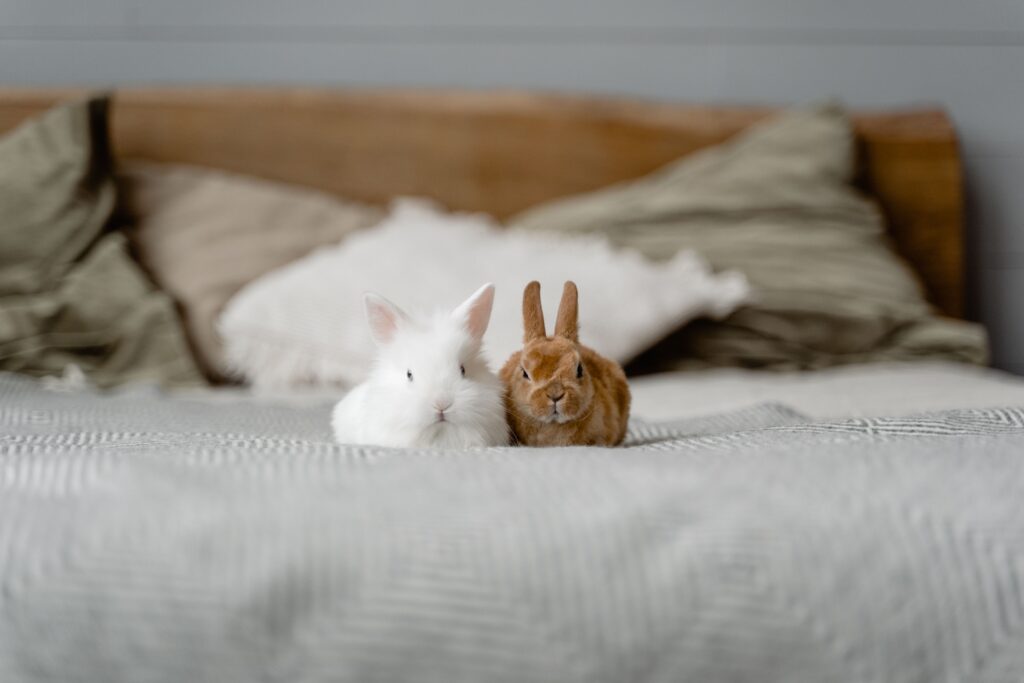
Rabbits are naturally clean animals. They have strong instincts around where they toilet, they tend to return to the same spots repeatedly, and in the wild they use dedicated latrine areas away from where they sleep and eat. All of that sounds like litter training should be easy. And for many rabbits, it genuinely is. But then there are the stubborn ones. The bunnies who seem to understand the litter tray completely and choose to ignore it anyway. The ones who use every corner except the right one. If that sounds familiar, you are in good company, and more importantly, there is a way through it. This guide covers everything you need to know to litter train your rabbit, including what to do when the usual advice is not working. Start Smaller Than You Think The single most effective thing you can do when litter training a rabbit is to reduce their living space temporarily. This is the step most people skip, and it is the reason many rabbits take weeks longer than they need to. When a rabbit has free run of a large space from the beginning, they simply pick multiple toileting spots and the tray becomes just one option among many. Reduce the space to a smaller pen or room with the litter tray in their preferred corner, and suddenly the tray is the obvious and convenient choice. Once they are using it consistently, you can gradually expand their space again, adding more freedom as good habits develop. Find Where They Want To Go First Before you decide where to put the litter tray, watch your rabbit for a day or two and note which corners they are already choosing. Rabbits have strong preferences about where they toilet, and trying to override those preferences entirely is far harder than simply meeting them halfway. Put the tray in the corner they have already chosen. If they are choosing three or four spots, start with a tray in each one and gradually reduce to one as their habit becomes more consistent. Working with their instincts rather than against them is always the faster route. The Right Litter Matters More Than Most People Realise Using the wrong litter is one of the most overlooked reasons rabbits refuse their tray. Cedar and pine shavings, clumping cat litters, and clay-based litters should all be avoided because they can cause respiratory problems and digestive issues if ingested. Paper-based litter, hay, and some wood pellet options made specifically for small animals are the safest and most effective choices. The tray should also be large enough for your rabbit to turn around comfortably inside it. Many rabbit owners underestimate how much space a rabbit needs to feel comfortable using a tray, and a tray that feels cramped will often be avoided in favour of more open floor space. Kaytee Clean and Cozy Small Animal Bedding Kaytee Clean and Cozy is one of the most widely used paper-based litters for rabbits and is made from soft paper fibres that are highly absorbent, virtually dust free, and safe if a rabbit ingests small amounts while foraging. It controls odour well and stays dry underfoot, both of which matter for a rabbit that is learning to use a tray consistently. It is available on Amazon UK and at most major pet retailers. Look for the unscented version specifically, since scented litters can actually deter rabbits from using the tray rather than encouraging them. Did You Know?Neutered rabbits are significantly easier to litter train than unneutered ones. Unneutered rabbits have a strong hormonal drive to mark territory with urine, which works directly against litter training efforts. Many rabbit rescue organisations and vets recommend neutering as the single most effective step for improving litter habits in persistent cases. Rosewood Posh and Plush Corner Litter Tray A corner litter tray fits neatly into the angle of a pen or hutch and uses the rabbit’s natural corner preference to your advantage. The Rosewood Posh and Plush range is well-known in UK rabbit keeping circles and the corner tray design specifically is practical, easy to clean, and sized appropriately for most medium to large rabbits. It is available on Amazon UK and at Pets at Home. Look for the larger size if your rabbit is a medium to large breed, as the standard size can feel too small for bigger bunnies. What To Do When Your Rabbit Keeps Ignoring The Tray? If your rabbit is consistently choosing one spot over the tray, the simplest fix is to move the tray to that spot rather than continuing to redirect them. Rabbits respond much better to having the right option placed where they already want to go than to being constantly corrected. When accidents happen outside the tray, clean the area thoroughly with an enzymatic cleaner rather than standard household products. Standard cleaners leave behind a faint urine scent that humans cannot detect but rabbits can, and that residual scent actively encourages them to re-mark the same spot. An enzymatic cleaner breaks down the proteins in the urine entirely and removes the signal that draws them back. Never scold a rabbit for toileting in the wrong place. Rabbits do not connect the correction to the behaviour and it only increases anxiety, which can make litter training harder. Nature’s Miracle Small Animal Stain and Odour Remover Nature’s Miracle is an enzymatic cleaner specifically formulated for small animal waste and is one of the most consistently recommended products in rabbit keeping communities for dealing with accidents outside the litter tray. It removes the urine proteins that draw rabbits back to repeat offending spots and leaves no scent behind that could interfere with training. It is available on Amazon UK. Always test on a small area of fabric or carpet first. A Consistent Routine Makes Everything Easier Rabbits are creatures of habit and routine genuinely speeds up the litter training process. Clean the tray every day or every other day at minimum. A dirty tray is one

Dog Accessories, Dog Care, Dog Care, Dog Food, Dog Guide

How To Find The Perfect Puppy Bed Your New Dog Will Actually Love

Bringing a new puppy home is one of the most exciting things you can do. Everything feels fresh, everything feels important, and the list of things to buy seems to grow every time you look at it. Somewhere near the top of that list, right after food and a collar, is a bed. And yet the puppy bed is one of those purchases most new owners rush through. A quick scroll, something that looks soft, add to basket, done. Then two weeks later the puppy ignores it completely, chews through the side, or outgrows it before they have even settled in. Getting the bed right from the start saves money, saves frustration, and genuinely helps your puppy feel more settled and secure in their new home. This guide walks you through everything you need to know, with five well-researched products you can find easily on Amazon UK right now. Why Puppies Need A Proper Bed? Puppies sleep between sixteen and twenty hours a day. That is not an exaggeration. Sleep is when their brain develops, their muscles grow, and their immune system builds strength. A good-quality bed supports all of that by providing a space that is warm, comfortable, supportive, and genuinely theirs. Beyond the physical benefits, a dedicated bed also plays a big role in how quickly a puppy settles into a new home. Dogs are den animals by instinct. Having one consistent place that smells familiar, feels safe, and is always available helps reduce anxiety, supports crate training, and gives your puppy a place to go when the world feels a bit overwhelming. What To Look For In A Puppy Bed 🛏️ Not all puppy beds are created equal, and the differences matter more than they might look at first glance. Here are the most important things to look for before you buy. Size that suits now and soon: Puppies grow fast, especially larger breeds. A bed that fits perfectly at eight weeks may be useless by twelve. Choose a size that gives your puppy room to stretch out comfortably with a little extra space, but not so large that they feel exposed or unsettled. For large breeds, going one size up from what they currently need is usually the right call. Washable material: Puppies have accidents. It is not a matter of if but when. A bed with a removable, machine washable cover is not a luxury. It is a necessity. If you cannot wash it easily, you will end up replacing it far sooner than you need to. Good support underfoot: Growing joints and developing muscles benefit from proper support. A completely flat, thin cushion offers very little. Look for beds with some depth to the filling, or memory foam and orthopaedic options if your breed is prone to joint issues later in life. Starting with good support early is always worthwhile. Non-slip base: Puppies jump in and out of their beds enthusiastically and not always gracefully. A non-slip base keeps the bed in place on hard floors and reduces the chance of the whole thing skidding across the room every time they climb in. No loose parts or hazards: Puppies chew. Buttons, zips that are easily accessible, loose ribbons, and decorative extras are all potential choking hazards. Keep things simple, especially in the early months. Best Friends By Sheri Calming Donut Dog Bed The calming donut bed style has become genuinely popular with puppy owners for a good reason. The raised bolster rim around the edge mimics the feeling of being curled up against a littermate, which many puppies find deeply reassuring during the first weeks in a new home. Search Best Friends By Sheri Calming Donut Bed on Amazon UK to find it quickly. It comes in multiple sizes and has thousands of strong reviews across small, medium, and large puppy breeds. This is particularly good for anxious puppies, puppies that like to curl up, and breeds that were separated from their litter at the standard eight weeks. Bedsure Orthopedic Dog Bed For Puppies For larger breeds or puppies that already show a preference for stretching out rather than curling up, a flat orthopaedic style bed offers more surface area and better joint support than a donut bed. Search Bedsure Orthopedic Dog Bed on Amazon UK. It is one of the most well-reviewed and consistently available orthopaedic dog beds on the platform, comes in multiple sizes, and is very easy to find. This is a great option for Labradors, Golden Retrievers, German Shepherds, and other medium to large breeds that will grow quickly and benefit from solid support from the start. Where To Put The Puppy Bed? The location of the bed matters just as much as the bed itself. A perfect bed in the wrong place will still get ignored. Puppies feel most secure when they can see what is happening around them without being right in the middle of it. A corner of the room, slightly away from heavy foot traffic but still within sight of the family, tends to work well. Avoid draughty areas, spots near radiators that get very hot, and anywhere too isolated. During the first few nights, many owners keep the bed in the bedroom so the puppy can hear and smell them while they sleep. This is a personal choice, but it does tend to reduce night crying significantly in the early settling-in period. Puppy Crate Mat With Washable Cover If you are crate training your puppy, a flat crate mat that fits neatly inside the crate is a much more practical option than a bulky bolster or donut bed. Crate mats are designed to fit standard crate sizes, stay flat without bunching, and most come with washable covers that make the inevitable accidents much easier to deal with. Search Puppy Crate Mat Washable on Amazon UK to find a range of sizes that match standard crate dimensions. This is the most practical bed option for the first few months if crate training is part of your routine, and it can always

Chicken, Chicken Coop, Chicken Treats

Everything You Need To Know About Heat Stroke In Chickens And Urgent Treatment

Summer can be a beautiful time to keep chickens. Long days, dry runs, and plenty of natural foraging. But when temperatures climb quickly, backyard flocks can go from happy to dangerously overheated in a surprisingly short amount of time. Heat stroke in chickens is a genuine emergency. Unlike dogs, chickens cannot pant efficiently enough to cool themselves down when conditions become extreme. They do not sweat. They have limited options when the heat builds. And when things go wrong, they can go wrong very fast. The good news is that most heat-related emergencies are entirely preventable. And even when they do happen, knowing exactly what to look for and what to do next can genuinely be the difference between a full recovery and losing a bird. This guide covers the warning signs, the urgent steps, what products to have on hand, and how to set your flock up so heat stroke never becomes a crisis in the first place. Why Chickens Struggle So Much In The Heat Chickens regulate their body temperature by panting, holding their wings away from their body, and seeking shade. They do not have sweat glands, which means their ability to cool down is far more limited than most other animals. When the air temperature is already high, even panting becomes less effective because the air they are breathing in is not cool enough to help. Heavy breeds like Orpingtons, Sussex, and Brahmas tend to feel the heat more than lighter Mediterranean breeds like Leghorns. Older birds, very young birds, and birds already dealing with illness or stress are also at much higher risk during hot weather. Dark-feathered birds absorb more heat from sunlight too, which is worth keeping in mind if your flock includes a mix of colours and breeds. Fun Fact A chicken’s normal body temperature sits between 40.6 and 41.7 degrees Celsius, which is already significantly higher than a human’s. That narrow margin means that even a modest rise in environmental temperature can push them toward dangerous territory faster than most keepers expect. Early Warning Signs Of Overheating Catching heat stress early gives you the best possible chance of bringing a bird back safely before it tips into full heat stroke. The earlier you spot the signs, the better the outcome. Early signs to watch for include: These signs on their own do not mean a bird is in immediate danger, but they do mean the conditions are already too warm and something needs to change quickly. Never wait to see if a bird improves on its own when temperatures are high. Signs Of Serious Heat Stroke In Chickens When heat stress tips into heat stroke, the situation becomes urgent. A bird in the middle of full heat stroke needs immediate intervention. Serious signs to act on immediately include: If you see any of these signs, move the bird immediately. Do not wait to see if it improves on its own. Every minute matters at this stage. Urgent Steps To Take When A Chicken Has Heat Stroke Speed matters here. Work through these steps calmly and quickly!! Step 1: Move the bird to a cool, shaded area immediatelyGet them out of direct sunlight straight away. Indoors in a cool room or a shaded, well-ventilated area is ideal. Do not place them in an air-conditioned room that is extremely cold as the sudden temperature change can cause additional shock. Step 2: Cool the bird gradually, not suddenlyUse cool water, not ice cold water, to gently wet the comb, wattles, legs, and feet. You can also carefully wet the feathers on the underside of the wings. Avoid submerging the bird in cold water as this can cause shock. Step 3: Offer cool fresh waterIf the bird is conscious and able to swallow, offer cool fresh water. Do not force water into the beak of an unconscious or semi-conscious bird as this risks aspiration. Step 4: Use a fan if availableGentle airflow helps the evaporation process cool the bird more effectively. A small fan directed near the bird, not blowing directly into their face, can make a real difference. Step 5: Monitor closely and contact a vet if there is no improvementIf a bird is unconscious, convulsing, or shows no signs of improvement within fifteen to twenty minutes of cooling efforts, contact a poultry-experienced vet as quickly as possible. Chicken Automatic Waterer With Large Capacity One of the most important things during hot weather is ensuring fresh, cool water is always available and never runs out. A large automatic chicken waterer removes the guesswork entirely and means your flock always has access to clean water even on the hottest days. Search Automatic Chicken Waterer or Large Poultry Drinker on Amazon UK to find several well-reviewed options quickly. Keeping multiple water points around the run during summer is also worth doing so birds never have to travel far to drink. Portable USB Clip-On Fan For Chicken Coop A small portable fan makes a significant difference in a coop or enclosed run during hot weather. Moving air helps chickens cool through their limited evaporation process and breaks up the still, stagnant heat that builds inside a coop on warm days. Search USB Clip Fan Small Portable on Amazon UK to find compact, battery or USB-powered options that are easy to position in a coop or run. Position the fan to move air through the space rather than blowing directly onto the birds, and ensure the cord and unit are placed completely out of pecking reach. How To Prevent Heat Stroke Before It Happens Prevention is always easier than treatment. A few simple adjustments to your summer routine can dramatically reduce the risk of heat stroke in your flock. Practical prevention steps include: Shade Cloth For Chicken Run A good shade cloth is one of the most practical summer investments for any backyard chicken keeper. It can reduce the temperature inside a run significantly by blocking direct sunlight while still allowing airflow, which is far better than a solid cover that traps heat underneath.

Dog Care, Dog Care, Dog Guide

Complete Comfort Dog Harness Guide For Every Breed And Size

If you have ever watched your dog pull against a collar or seen them flinch when you clip a stiff harness on before a walk, you already know how much the right equipment matters. A good comfort dog harness changes the whole experience, for your dog and for you. The problem is that the harness market is absolutely packed. There are dozens of styles, dozens of brands, and very little clear guidance on what actually works for different dogs. A harness that is perfect for a Labrador can be completely wrong for a French Bulldog, and a design that suits an anxious rescue may be useless for a bouncy puppy. This guide breaks it all down simply. It covers what to look for, which harness styles suit which dogs, what to avoid, and five well-researched products you can find easily on Amazon right now. Why A Comfort Harness Is Better Than A Collar Alone Collars are fine for carrying ID tags, but they are not the ideal tool for walking, especially for dogs that pull, have respiratory issues, or have narrow heads that make collar slipping a real risk. A harness spreads pressure across the chest and shoulders instead of concentrating it on the neck and throat. For dogs with tracheal issues, flat-faced breeds like Pugs and French Bulldogs, or small dogs prone to collapsing trachea, a harness is not just more comfortable. It is genuinely safer. Even for healthy dogs that pull enthusiastically, removing that collar pressure can make walks noticeably calmer and more enjoyable for everyone. What Makes A Harness A Comfort Harness Not every harness earns the comfort label. A genuine comfort harness should have padding across the chest and back panel, wide straps that do not dig in, a design that allows natural shoulder movement, and adjustable points at multiple places so it can be fitted properly to your dog’s actual shape. The key things to look for include: If a harness only adjusts at one or two points, it is very unlikely to fit well across different body shapes, even within the same breed. Which Harness Style Suits Your Dog There is no single harness style that works for every dog, which is exactly why so many people end up buying two or three before finding the right one. Knowing which style suits your dog before you buy saves a lot of frustration. Step-in harnesses are brilliant for dogs that dislike having something slipped over their head. The dog steps in with both front paws and the harness clips over the back. Great for anxious dogs, small breeds, and dogs recovering from injuries. Over-the-head harnesses are the most common style and offer excellent coverage and padding. They slip over the head and clip around the girth. Ideal for confident dogs that are comfortable with handling. Y-front or H-front harnesses have a Y-shaped or H-shaped front panel that sits on the chest without restricting the shoulders. These are particularly popular for active dogs and breeds with deep chests. No-pull harnesses have a front clip on the chest that redirects a pulling dog back toward you. Useful for training, but should not be used as a permanent solution without checking that the fit does not restrict shoulder movement. Vest harnesses cover a broader area across the chest and back, which makes them very comfortable and a popular choice for small breeds, older dogs, and post-surgery recovery. Rabbitgoo No-Pull Dog Harness The Rabbitgoo harness is one of the most consistently well-reviewed comfort harnesses on Amazon UK and is easy to find by searching the brand name directly. It features a padded chest plate, a breathable mesh back panel, and both a front and back clip, which makes it versatile for everyday walks and training. Search Rabbitgoo Dog Harness on Amazon to find it quickly. It comes in a wide range of sizes from extra small through to extra large, covering most breeds comfortably. This is a great starting harness for most medium-sized dogs and works well for pulling dogs when used with the front clip attachment. Measuring Your Dog For A Harness One of the biggest reasons harnesses fail is incorrect sizing. Most people guess based on breed or weight, but body shape varies enormously even within the same breed. The most important measurement for a harness is the girth, which is the circumference of the widest part of the chest, just behind the front legs. To measure your dog correctly: If your dog falls between two sizes, size up rather than down. A harness that is slightly large can be adjusted. One that is too tight cannot. Fun Fact French Bulldogs and English Bulldogs are famously difficult to harness because of their wide chest and narrow waist. Many standard harnesses simply do not fit them well at all, which is why breed-specific harness designs have become increasingly popular for brachycephalic dogs. Julius-K9 IDC Powerharness The Julius-K9 is one of the most recognised harnesses in the dog world and is very easy to find on Amazon UK by searching the brand name. It is a heavy duty, padded, over-the-head style harness with a handle on the back and a highly secure closure system. Search Julius-K9 IDC Powerharness on Amazon. It is available in sizes from baby 1 through to size 3 and is particularly popular for medium to large breeds including Labradors, Spaniels, and German Shepherds. This is a particularly good choice for strong dogs, active dogs, and larger breeds that need a robust, secure fit Common Harness Mistakes To Avoid Even the right harness becomes a problem if it is used or fitted incorrectly. A few mistakes come up repeatedly among dog owners and are worth knowing before you buy. Fitting the harness too loose is one of the most common issues. A loose harness shifts around during a walk, can rub in unexpected places, and in some cases allows a dog to wriggle free entirely. If you can fit more than two fingers under any strap, it likely needs tightening. Fitting the harness too

Chicken, Chicken Coop, Chicken Treats

How To Worm Chickens Naturally And Keep Your Flock Parasite Free

If you keep backyard chickens, worms are something you will almost certainly come across at some point. They are incredibly common, they thrive in the kind of environment chickens love, and they can cause real problems if they are left unchecked for too long. The good news is that natural prevention is very much within reach for most backyard flock keepers. With the right routine, a little extra attention, and some simple supportive products, you can give your chickens the best possible chance of staying healthy and parasite-free all year round. This guide covers what worms are, how to spot them, which natural methods actually help, what products are worth having, and when to take things more seriously. Understanding Worms In Chickens First Chickens can pick up internal parasites by pecking at contaminated ground, eating earthworms, slugs, or snails that carry worm larvae, or simply by living in a space where worm eggs are already present in the soil. Worm eggs can survive in the environment for a long time, which means that even a clean-looking run can carry a parasite burden if the ground has not been rested or treated. Damp, muddy, and well-used patches of ground are particularly high risk because the conditions suit worm eggs well. Free ranging is brilliant for enrichment and natural behaviour, but it does increase exposure. That does not mean you should stop letting your chickens roam. It just means that flock management matters even more when birds have access to the outside world. Signs Your Chickens May Have Worms Worms are not always easy to spot, especially in the early stages. Some of the most common signs to watch for include weight loss, poor body condition, a drop in egg production, pale combs or wattles, loose or messy droppings, increased appetite without weight gain, and in more serious cases, weakness or lethargy. Gapeworm is one type that causes a very specific symptom. Affected birds may stretch their necks, gasp, or make a rattling sound when breathing, which is sometimes called the gapes. If your birds seem off, are losing condition steadily, or just do not look quite right, parasites are always worth considering alongside other possible causes. Natural Ways To Worm Chickens Natural worming is best thought of as ongoing prevention and gut support rather than a guaranteed cure for a heavy infestation. Several well-known natural options can help make the environment less welcoming for parasites, and many experienced chicken keepers use them as part of a regular flock care routine. Use Crushed Garlic In Drinking Water Garlic is one of the most widely used natural remedies in backyard chicken keeping. It is believed to help create a less hospitable environment for parasites in the gut and is commonly added to drinking water in small amounts for short periods. Many keepers use it a few days at a time rather than as a permanent daily addition. Add Apple Cider Vinegar To Water Raw apple cider vinegar is often used alongside garlic to help support digestive health and maintain a gut environment that is less inviting to parasites. It is usually added in small measured amounts to drinking water and works best as part of a wider prevention routine rather than a standalone fix. Offer Pumpkin Seeds As A Supportive Treat Pumpkin seeds contain cucurbitacin, a compound that is often discussed in natural chicken care for its potential anti-parasite properties. They are best thought of as a helpful part of a broader prevention plan. They are not a guaranteed solution for a serious worm burden on their own, but they are a simple and well-liked addition to natural flock care. Add Herbs To The Routine Herbs such as oregano, wormwood, thyme, sage, mint, and rosemary are regularly used in natural chicken keeping to support gut health and general resilience. Some keepers mix dried herbs into feed or mash, while others grow them near the run so chickens can nibble freely. Either approach adds variety and natural gut support without any extra effort. Support The Gut After Any Treatment After a natural worming routine, offering a poultry probiotic or a small amount of plain unsweetened yogurt can help support the digestive system as it recovers. A stronger, healthier gut is better placed to cope with a low parasite load over time, and probiotic support is a simple way to work that into your routine. Poultry Probiotic Supplement A good quality poultry probiotic is one of the most useful products you can keep on hand for natural flock care. It supports digestive health, helps the gut recover after stress or treatment, and can be used regularly as part of a prevention routine like this poultry probiotic supplement on Amazon as a year-round gut support option that works well alongside natural worming methods. Coop Management Does A Lot Of The Hard Work If you want natural methods to work as well as possible, hygiene has to carry a significant part of the load. A clean, dry, well-managed coop and run will do more for parasite prevention than any single ingredient or remedy on its own. Practical steps that genuinely make a difference include: Diatomaceous Earth For Coop Use Food grade diatomaceous earth is widely used by chicken keepers as part of coop hygiene routines. While its effectiveness as an internal wormer is debated, many keepers use it in bedding and dust bathing areas to help manage the external environment. This food grade diatomaceous earth on Amazon as a coop hygiene product worth keeping in the routine. Look for: A Simple Natural Worming Routine Keeping things consistent works far better than occasional bursts of effort followed by long gaps. A simple regular routine takes very little time and builds real resilience into your flock management over time. A practical natural prevention routine looks like this: Weekly Monthly Seasonally Apple Cider Vinegar For Poultry A raw unfiltered apple cider vinegar designed for poultry use is one of the simplest and most affordable additions to any natural flock

Rabbits

Healthy Rabbit Snacks Your Bunny Will Love And Vets Approve

Living with rabbits means accepting one simple truth: if something rustles, smells fresh, or sounds even remotely snack-like, they are instantly interested. Rabbits may look delicate and polite, but when food is involved, they can become surprisingly determined little opportunists. That curiosity is part of what makes them so lovable, but it also means owners need to be careful. Rabbits have sensitive digestive systems, very specific dietary needs, and a talent for acting thrilled about foods that are not actually good for them. The good news is that rabbit feeding does not need to feel confusing. Once you understand the basics, it becomes much easier to choose safe foods, offer treats sensibly, and avoid the common mistakes that can upset a rabbit’s gut. This guide covers what rabbits can eat safely, which snacks they genuinely enjoy, what foods should stay off the menu, and a few helpful products that can make mealtimes simpler and more enriching. Start With The Basics First Before looking at treats, it is important to understand what a healthy rabbit diet should look like every day. Rabbits should eat mostly unlimited grass hay, with fresh leafy greens, a small measured portion of high-fibre pellets, and fresh water always available. Hay should form the biggest part of the diet because it helps keep the digestive system moving properly and also helps wear down continuously growing teeth. Adult rabbits generally do best on grass hays such as timothy, orchard, or oat hay, while alfalfa is usually too rich for healthy adult rabbits. A lot of new rabbit owners focus on pellets first, but hay is the real priority. If the hay is good, fresh, and always available, you are already doing the most important part of rabbit feeding right. A fresh, good-quality timothy hay or mixed grass hay is the most important product in any rabbit setup. It supports digestion, helps with dental health, and gives rabbits the constant chewing opportunity they need. this timothy hay for rabbits on Amazon is the staple product that should always be available. Safe Foods Rabbits Can Eat Regularly 🥕 Once hay is covered, fresh greens are where rabbits get variety. Safe leafy greens and herbs for rabbits include options such as romaine lettuce, coriander, basil, dill, mint, watercress, chicory, rocket, carrot tops, and other suitable leafy greens. Variety matters because rotating greens helps provide a broader mix of nutrients and avoids relying too heavily on one ingredient all the time. Many rabbit care guides recommend feeding several types of greens rather than the exact same salad every day. Some vegetables can also be fed in smaller amounts alongside leafy greens, including bell pepper, courgette, broccoli greens, Brussels sprouts, squash, and radicchio. Certain greens that are higher in calcium or oxalates may be better rotated rather than fed heavily every day. Safe regular options often include: The safest approach is to introduce new foods slowly and watch how your rabbit responds. Sudden changes can upset a sensitive digestive system. A high-fibre rabbit pellet can support a healthy diet, but only as a measured extra rather than the main event. Rabbits need mostly hay, with pellets kept to a sensible portion based on age, weight, and overall diet. Plain pellets are usually a much better choice than muesli-style mixes, which can encourage selective feeding. A useful option is this rabbit pellet food on Amazon, especially if you want something simple and hay-based. Which Snacks Rabbits Actually Love ❤️ If rabbits were allowed to design their own menu, there would probably be far more sweet treats involved. Many rabbits genuinely love small pieces of fruit, fragrant herbs, and rabbit-safe forage treats. Fresh herbs like mint and basil often go down very well, while tiny portions of fruit such as apple, pear, berries, banana, or melon can feel extremely exciting to them. The important part is keeping those treats small. Fruit is safe in very limited amounts, but it is still sugary, so it should stay an occasional treat rather than a daily habit. Several rabbit care sources recommend offering only tiny amounts once or twice a week. Fun FactMany rabbits have a real sweet tooth, which is why fruit can seem almost magical to them. The excitement is adorable, but it is also exactly why sugary treats need to stay small and occasional. A dried forage mix is a nice way to add interest to your rabbit’s routine without leaning too heavily on fruit. Good forage blends often contain rabbit-safe herbs, leaves, and flowers that encourage natural nibbling and foraging behaviour. Like You could feature this dried forage blend for rabbits on Amazon as a treat topper or enrichment option. Fresh Fruit And Veg That Work Best As Treats  ✅ Some foods are perfectly safe, but still better treated as occasional extras instead of everyday staples. Fruit is the clearest example. Apples, pears, berries, banana, and melon can all be offered in very small portions, but rabbits do best when sugary foods are kept tightly controlled. Some vegetables also work well as part of variety rather than large daily servings. Bell peppers, courgette, Brussels sprouts, squash, and some leafy vegetables can all be used sensibly as part of a balanced feeding routine. A good rule is simple: if your rabbit gets very excited about it, that does not automatically mean they need more of it. Foods Rabbits Should Not Eat ❌ This is the part that saves a lot of well-meaning mistakes. Rabbits should not be fed chocolate, avocado, onions, garlic, bread, crackers, pasta, cereal, nuts, seeds, yoghurt drops, and many sugary or heavily processed small-animal treats. Fruit seeds and pits should also be avoided. Some of these foods are toxic, while others are simply too rich, too sugary, or too disruptive for a rabbit’s digestive system. Unsafe or unsuitable foods include: A lot of packaged rabbit treats look cheerful and harmless, but appearance is not a good guide. If it looks more like confectionery than rabbit food, it is usually best left out. Fun

Chicken, Chicken Treats

Beginner’s Guide To Safe Chicken Treats That Hens Absolutely Love

If you have ever taken a snack into the garden, you already know chickens are professional food critics. They sprint for anything that rustles, stare at you until you share, and somehow always remember where treats came from last time. The tricky part is working out which foods are safe, which ones should only be given in moderation, and which treats make them absolutely lose their minds in a good way. A handful of the right snacks can be great for enrichment, training, and bonding, as long as the main diet still comes from a balanced feed. This guide covers what chickens can eat safely, which foods to avoid, and some favourite treats that backyard flocks go wild for, plus a few useful products to make treat time cleaner and easier. The Basics: What Chickens Should Eat Most Of The Time Even though chickens love treats, their core diet should still be a complete feed that is designed for their age and purpose. Think of treats as the side dish, not the main course. Most backyard chickens do best with: Treats should usually stay as a small part of their daily intake so that vitamins, minerals and protein come mainly from their proper feed. If you want treats to stay in balance, it really helps to start with a good quality base feed. A reliable layers pellet or crumble gives your hens the nutrition they need so treats become a fun extra instead of a replacement.You could recommend a well rated layers feed like Allen & Page Complete Poultry Feed Layers Pellets on Amazon. It is ideal as the everyday diet, so your hens can enjoy treats without missing out on essential nutrients. Safe Everyday Treats Chickens Love There are plenty of safe foods you can share in small amounts that most chickens really enjoy. These work nicely as occasional rewards or boredom busters. Some safe treats in moderation include: Fresh foods are best offered chopped, in small portions, and ideally not all at once. That way, you can see how your flock reacts and avoid upset stomachs. If you want to keep treats off the floor and turn them into a fun activity, a hanging treat holder or vegetable clip is a great little accessory. It stops treats from being trampled into the bedding and gives hens something to peck and chase.Try something like this hanging treat ball or veg clip on Amazon High Reward Treats That Make Chickens Go Wild Some treats have serious star power in the chicken world. These are the ones who sprint across the run, tripping over each other and making excited, happy noises. Popular high reward treats include: These should stay occasional because they can be higher in fat or energy, but they are brilliant for training, recall and building positive associations with you. If there is one treat almost all chickens go wild for, it is dried insect treats such as mealworms or mixed bugs. They are rich, tasty and easy to scatter as a reward. You can recommend a bag of dried mealworms or insect mix like this chicken treat mix on AmazonIt is ideal for calling your hens over, rewarding them for going back into the run, or just giving them a bit of enrichment. Homemade Treat Ideas That Are Still Safe If you like making things from scratch, you can prepare simple homemade treats that stay chicken friendly and still feel special. A few ideas: Always avoid salt, heavy oils, sugar and strong seasoning, and remember that homemade treats count toward their overall treat allowance too. To keep homemade treats tidy, a low treat tray works well. It keeps everything contained in one place, instead of turning the whole run into a messy picnic.You can link a shallow plastic tray or foraging tray like Rosewood Naturals Hide ‘n’ Treat Maze Tray on Amazon . It is easy to rinse, and you can use it for salads, mash or mixed grains. Foods Chickens Should Not Eat Just because chickens are enthusiastic eaters does not mean everything is safe. Some foods are best avoided entirely, either because they can be toxic or cause digestive issues. Common foods to avoid include: Citrus is often avoided or kept very limited, and onion or garlic in large quantities is not recommended for most backyard flocks. If in doubt, it is usually safer to skip a food than risk it. How Often Should You Give Treats? A simple way to think about treats is the “10 percent” idea. The majority of a chicken’s diet should come from a complete feed, with treats staying within a small portion of their daily intake. Practical tips: This keeps your flock healthy while still letting you enjoy the fun side of treat time. If you want to be consistent, a treat scoop or measuring cup is a simple but effective tool. It helps you avoid overfeeding treats and keeps portions the same each time. This plastic measuring scoop or feed scoop on Amazon for both feed and treats. Using Treats For Training And Bonding Treats are not just about snacks. They are a powerful way to train behaviour and build trust You can use treats to: Over time, your flock will start to associate you with good things, which makes daily care, health checks and coop routines a lot easier. Final Thoughts Chickens love food, and treats are one of the easiest ways to make their lives more interesting and your time with them more fun. The key is to keep their main diet based on a good quality feed, then add safe, sensible treats on top. Once you know which foods are safe, which ones to avoid and which special snacks make your flock go wild, you can use treats for enrichment, training and bonding without compromising their health. ⚠️ Affiliate Disclosure: This post contains Amazon affiliate links. If you purchase through these links, we may earn a small commission at no extra cost to you.
Chicken Coop

How to Raise Chicks With Confidence From Day One to Coop-Ready

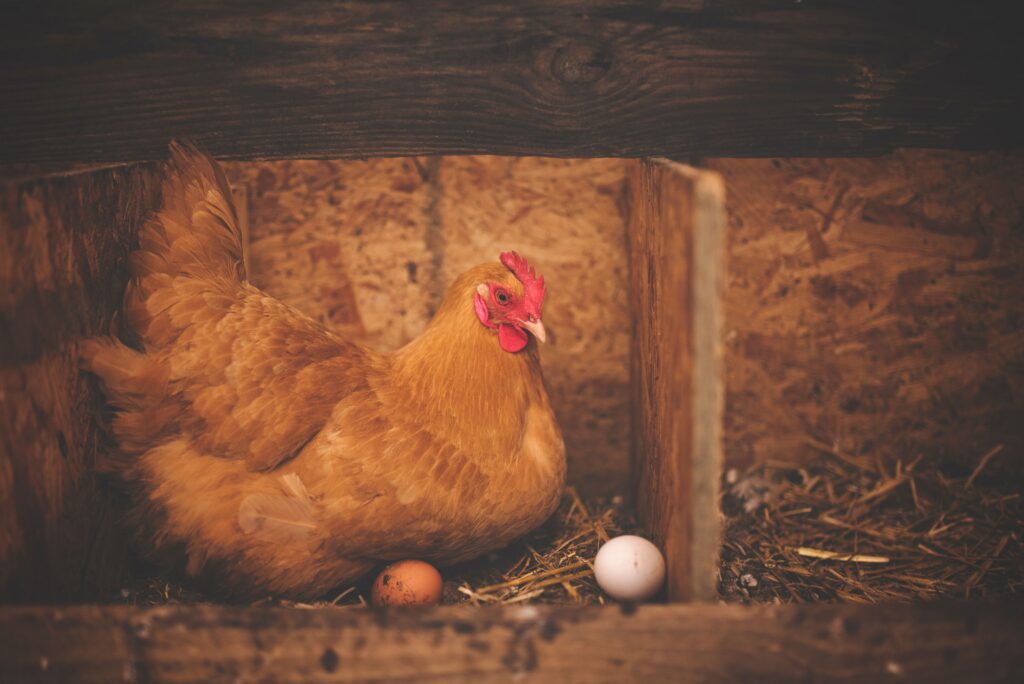
Baby chicks are adorable, fragile, and somehow capable of turning a clean brooder into chaos in record time. Bringing them home is exciting, but it can also feel overwhelming when you are trying to get everything right from the very first day. The good news is that raising chicks does not need to feel stressful. With the right brooder setup, a few simple routines, and some useful products, you can raise healthy chicks with confidence and get them ready for the coop without constant second-guessing. This guide covers the essentials from day one to coop-ready, including warmth, feeding, bedding, socialising, and moving chicks outside. It also includes five practical products that can make chick care easier, cleaner, and much more manageable. Step 1: Set Up a Safe and Warm Brooder New chicks cannot regulate their body temperature well during the first few weeks, so the brooder becomes their entire world. It needs to be warm, safe, dry, and easy to manage. A good chick brooder should: You can use a large storage tub, an indoor pen, or a purpose-built brooder box. The most important thing is that it has secure sides, good airflow, and enough space for chicks to move closer to the heat or farther away when needed. A chick brooder heat plate is one of the easiest ways to keep chicks warm and safe. Unlike traditional heat lamps, a heat plate gives chicks a warm area to rest under while letting them move away when they have had enough. Try a chick brooder heat plate like this one: Step 2: Get Temperature and Bedding Right Temperature matters, but chick behaviour matters even more. Your chicks will quickly tell you if the brooder feels too hot or too cold. Watch for these signs: For bedding, avoid slippery newspaper because it can affect leg development. Instead, use pine shavings or another low-dust bedding that absorbs moisture well and is easy to replace. Keeping bedding fresh is one of the simplest ways to help chicks stay healthy. Damp, dirty brooder floors can quickly lead to smell, mess, and stress. A washable brooder liner or rubber mat underneath the bedding can make cleaning much easier. It helps protect the bottom of the brooder and lets you lift out mess more quickly during a full clean. Use something like: This rubber mat you can cut to size on Amazon  under the bedding layer. Once the brooder gets messy, you can lift it out, clean it, and place it back in with fresh bedding on top. This is especially useful if you want to keep your brooder cleaner without constantly scrubbing the base. Step 3: Feed Chicks Properly From the Start Young chicks need constant access to clean water and a complete chick starter feed. Their bodies grow quickly, so their food needs to support healthy development from the very beginning. Make sure your chicks have: Avoid deep dishes or bowls. Chicks can easily step into them, kick bedding inside, or even get wet and chilled. Step 4: Help Chicks Feel Safe and Confident Raising chicks is not only about food and heat. It is also about helping them become calm, confident birds that are used to human presence. You can build trust by: Short, calm interactions are better than constant handling. The goal is to help chicks feel secure, not overwhelmed. As they grow stronger, it also helps to introduce simple enrichment so they can practise natural behaviour and stay active. Step 5: Know When Chicks Are Ready for the Coop One of the biggest beginner questions is when chicks can move outside. The answer depends on their feathering, the outdoor temperature, and how well they are coping without extra heat. Chicks are usually closer to coop-ready when: To help them prepare, gradually reduce heat over time and let them have short, supervised outdoor visits on dry, mild days if conditions allow. Moving chicks outside should feel like a step forward, not a shock. A slow transition usually works best. Step 6: Make the Transition to the Coop Easier The first few days in the coop can feel unfamiliar for young chicks. Everything is new, and they may need a little help settling in. To make the move smoother: If you are moving them into a larger setup, give them time to learn where home is before expecting them to behave like experienced adult hens. This stage is all about helping them adjust with as little stress as possible. Step 7: Keep Your Daily Routine Simple Once everything is set up properly, chick care becomes much easier to manage. A simple routine looks like this: Morning During the day Evening Simple routines build confidence. The more consistent your care is, the easier it becomes to spot anything unusual early. Final Thoughts Raising chicks from day one to coop-ready does not have to feel complicated. When you focus on warmth, cleanliness, proper feeding, and a calm routine, you give your chicks the best possible start. With a safe brooder, a few helpful products, and a little daily consistency, chick care becomes much less intimidating and a lot more enjoyable. Before long, those tiny fluffballs will be confident young birds ready to move out to the coop. ⚠️ Affiliate Disclosure: This post contains Amazon affiliate links. If you purchase through these links, we may earn a small commission at no extra cost to you.
Chicken Coop

Chicken Coop Plans That Actually Work for Busy Backyard Owners

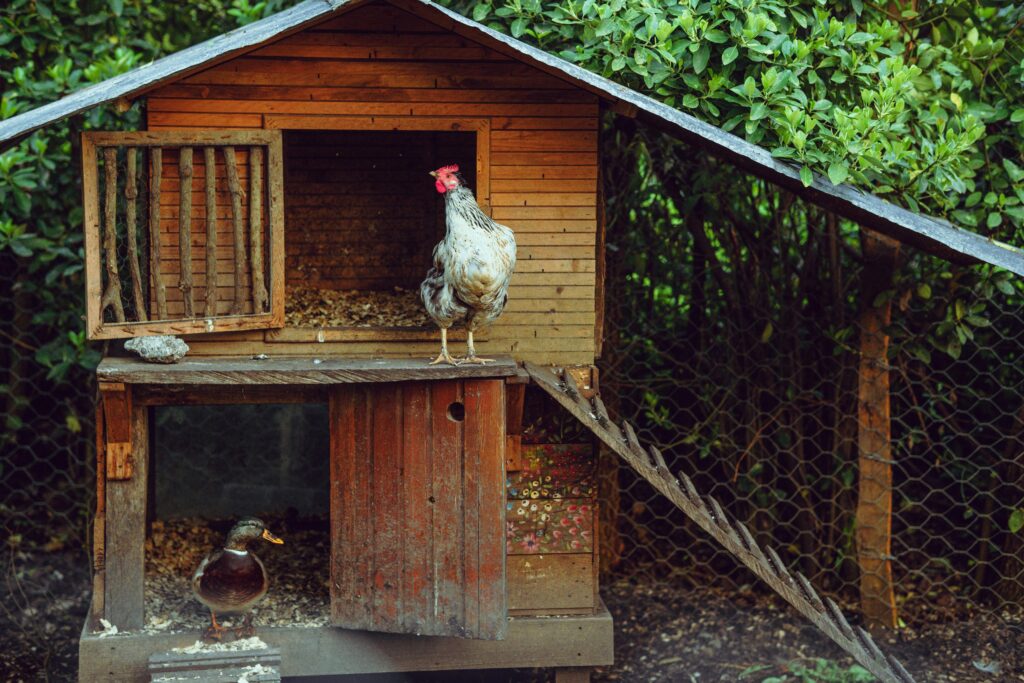
There are two types of chicken coops online: the dreamy Pinterest palaces that secretly took three weekends and a small fortune, and the flimsy flat‑packs that wobble in the first storm. You, meanwhile, are just trying to keep hens safe, dry, and alive without turning your entire free time into “project coop”. This guide is for the third group: busy backyard owners who want a coop that’s practical, low‑maintenance, and realistic to build (or buy) around work, kids, and everything else. What Your Coop Has To Do (Not Just Look Like) Before you worry about paint colours and cute signs, your coop has one job: keep chickens comfortable and predators out. A solid backyard coop should: Think of appearance as the bonus round. If your hens are warm, clean, and safe, the coop is already doing most of its job. Plan Around Your Routine, Not Just Your Garden The best chicken coop plans don’t start with a tape measure; they start with your daily schedule. Ask yourself: If you’re short on time, it often makes sense to combine a simple plan with a ready‑made frame or kit and then upgrade the parts that matter most. Start With a Walk‑In Coop You Can Actually Clean Instead of building every panel from scratch, you can start with a sturdy walk‑in run and coop combination, then customise the inside with perches, nest boxes, and feeders. Try a walk‑in chicken coop kit like the large walk-in Chicken Coop with run on Amazon  – look for models with a galvanised steel frame, weather‑resistant roof panels, and enough height for you to step inside comfortably. This kind of kit gives you a solid base that saves days of measuring, cutting, and guessing whether the door is straight. Layouts That Make Life Easier (Not Just Prettier) A busy‑friendly layout is less about “Instagram cute” and more about shaving minutes off repetitive jobs. Smart layout choices: If you’re adapting a kit coop, sketch where your feeder, drinker, and nest boxes will go before you assemble everything; a few minutes of planning on paper saves you moving brackets later. The “Set‑and‑Forget” Upgrade: Automatic Coop Doors No matter how organised you are, there will be evenings when dusk arrives before you do. That’s where an automatic coop door quietly saves the day. An automatic door opens in the morning and closes at night based on either a timer or daylight sensor, so your chickens go to bed on time even when you’re stuck in traffic. Try an automatic chicken coop door like the Okkobi Automatic Chicken Coop Door with Remote Control, Light Sensor & Timer  – it is designed to be weather‑resistant, with programmable settings so you can choose whether it follows sunrise/sunset or a fixed schedule. For a busy owner, this is often the single upgrade that turns “keeping chickens feels stressful” into “they’re sorted, even when I’m not home right at dusk”. Feed and Water Systems That Don’t Need You Constantly Open bowls look cute on day one and disgusting by day three. Between scratching feet, flying bedding, and wild birds, you want something that keeps feed off the ground and water as clean as possible. A covered hanging feeder keeps pellets dry, reduces waste, and makes it harder for wild birds to steal breakfast. Look at a covered hanging poultry feeder, such as the Free Range Hanging Poultry Feeder It’s designed to hang at hen chest height, helping keep feed clean and making refills less frequent. Pair it with a decent‑sized drinker or a nipple‑style water system, and your daily “top‑up” routine becomes much quicker. Floors and Bedding That Don’t Turn Into a Swamp Nothing makes you fall out of love with your coop faster than a wet, smelly floor. Good plans consider drainage and cleaning from the start. To make cleaning even faster, you can line the coop floor with tough mats that lift out in one piece. A practical option is the Heavy Duty Rubber, 12mm Thick – 6ft x 4ft, Non Slip Bubbletop Matting . You can cut these to size, lay bedding on top, and then simply lift, scrape, and hose them down when it’s time for a big clean. This simple layer protects wooden floors, slows down rot, and turns “deep clean” into something you might actually do regularly. Predator‑Proofing Without Over‑Engineering Everything Predator‑proofing is one of those things you either do up front… or after you’ve had a very bad night. Foxes and rats are more determined than they look. A roll of strong, welded mesh lets you upgrade almost any kit coop. Try something like Suregreen Galvanised Wire Mesh Roll. It’s suitable for runs, windows, and vents, and gives you a sturdier barrier than standard “chicken wire”. A roll of strong, welded mesh lets you upgrade almost any kit coop. Try something like Suregreen Galvanised Wire Mesh Roll  it’s suitable for runs, windows, and vents, and gives you a sturdier barrier than standard “chicken wire”. It’s not glamorous, but it’s the difference between “that coop looks nice” and “that coop actually keeps everyone in and everything else out”. A Few Tried‑and‑Tested Plan Ideas To keep things simple, you can start from one of these rough templates and adapt it to your garden: You don’t need architect‑level drawings; you just need to think through where you will stand when you feed, clean, and collect eggs. If it looks easy on paper, it’ll feel much easier in the rain at 7 am. Daily Workload With a Well‑Planned Coop When your coop is set up with your schedule in mind, your routine looks more like: You still have responsibilities; they’re living animals, not garden decor, but the coop stops feeling like a second job and starts feeling like a five‑minute reset outside. Hanging out with your hens is the fun bit. A smart, low‑maintenance coop does the boring stuff behind the scenes, so keeping chickens stays enjoyable even on hectic days.

Scroll to Top
×