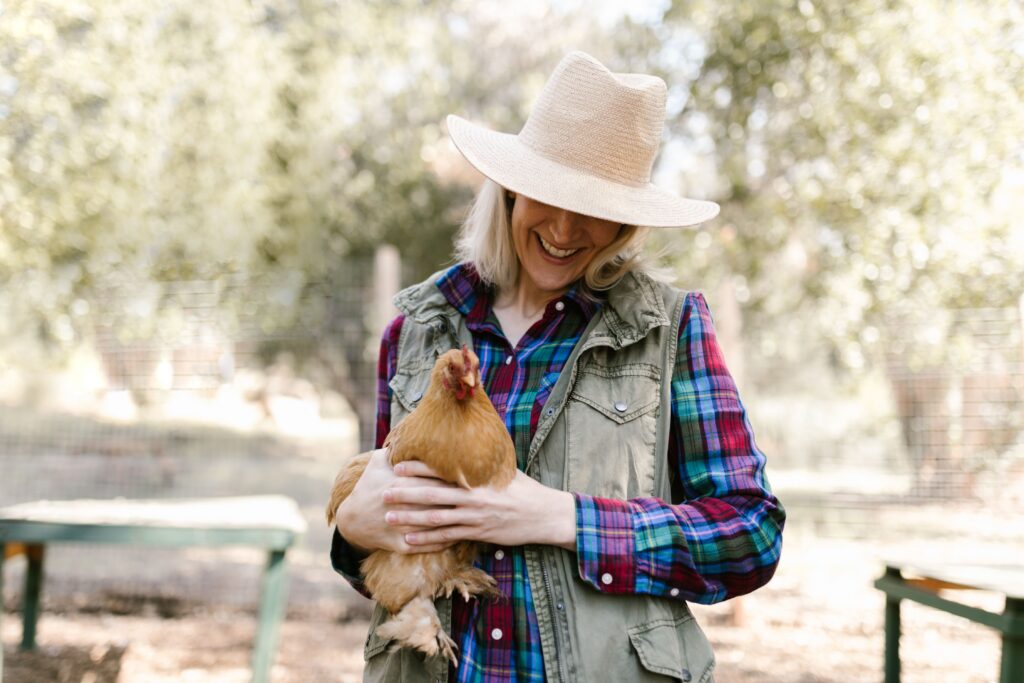
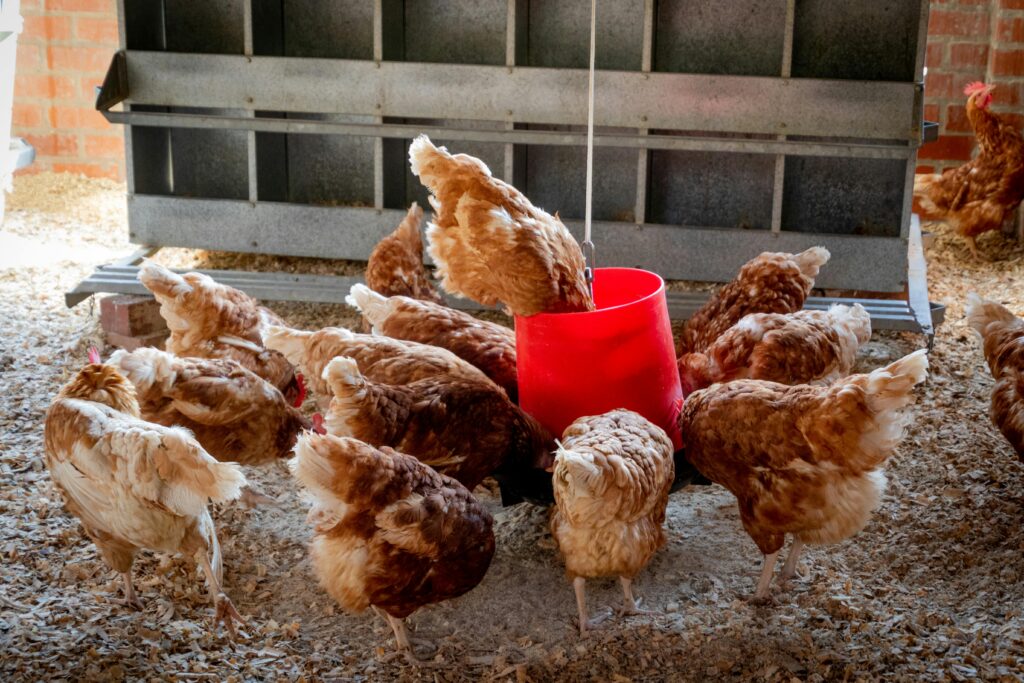
If you have ever taken a snack into the garden, you already know chickens are professional food critics. They sprint for anything that rustles, stare at you until you share, and somehow always remember where treats came from last time.
The tricky part is working out which foods are safe, which ones should only be given in moderation, and which treats make them absolutely lose their minds in a good way. A handful of the right snacks can be great for enrichment, training, and bonding, as long as the main diet still comes from a balanced feed.
This guide covers what chickens can eat safely, which foods to avoid, and some favourite treats that backyard flocks go wild for, plus a few useful products to make treat time cleaner and easier.
The Basics: What Chickens Should Eat Most Of The Time
Even though chickens love treats, their core diet should still be a complete feed that is designed for their age and purpose. Think of treats as the side dish, not the main course.
Most backyard chickens do best with:
- A complete layers feed for laying hens
- Grower or finisher feed for younger birds
- Constant access to clean, fresh water
- Grit if they are not on free range ground
Treats should usually stay as a small part of their daily intake so that vitamins, minerals and protein come mainly from their proper feed.
If you want treats to stay in balance, it really helps to start with a good quality base feed. A reliable layers pellet or crumble gives your hens the nutrition they need so treats become a fun extra instead of a replacement.You could recommend a well rated layers feed like Allen & Page Complete Poultry Feed Layers Pellets on Amazon. It is ideal as the everyday diet, so your hens can enjoy treats without missing out on essential nutrients.
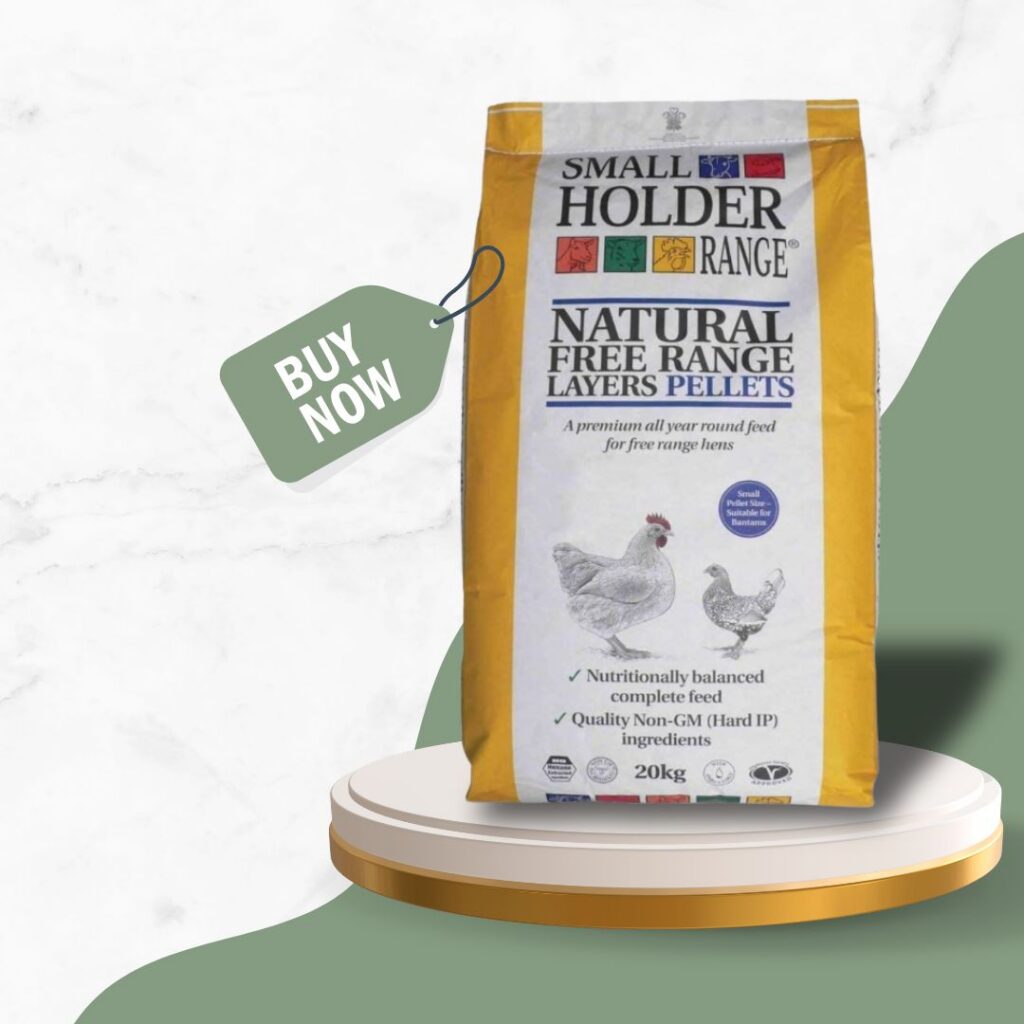
When choosing a feed, look for:
- A reputable brand
- A complete, balanced formula for layers
- Protein content suited to laying hens
Once the base diet is sorted, it is much easier to decide how many treats are enough.
Safe Everyday Treats Chickens Love
There are plenty of safe foods you can share in small amounts that most chickens really enjoy. These work nicely as occasional rewards or boredom busters.
Some safe treats in moderation include:
- Leafy greens such as lettuce, kale and spinach
- Herbs like parsley, dill and coriander
- Small pieces of cucumber, courgette, pumpkin or squash
- Cooked, plain pasta or rice (cooled and unsalted)
- Small amounts of fruit like apple (without seeds), berries or melon
Fresh foods are best offered chopped, in small portions, and ideally not all at once. That way, you can see how your flock reacts and avoid upset stomachs.
If you want to keep treats off the floor and turn them into a fun activity, a hanging treat holder or vegetable clip is a great little accessory. It stops treats from being trampled into the bedding and gives hens something to peck and chase.Try something like this hanging treat ball or veg clip on Amazon
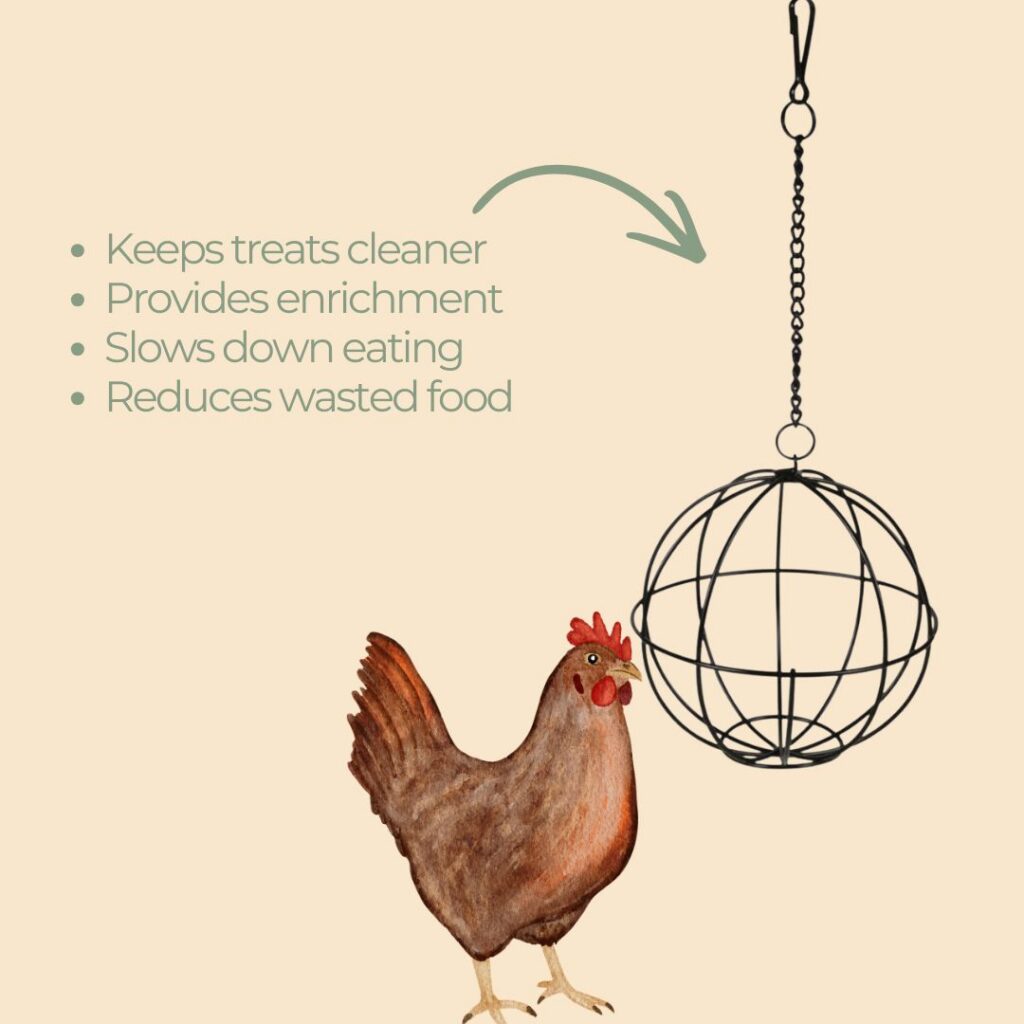
You can stuff it with leafy greens, cabbage or other safe vegetables and let your chickens work at it throughout the day.
This kind of setup:
- Keeps treats cleaner
- Provides enrichment
- Slows down eating
- Reduces wasted food
It also makes for very entertaining watching.
High Reward Treats That Make Chickens Go Wild
Some treats have serious star power in the chicken world. These are the ones who sprint across the run, tripping over each other and making excited, happy noises.
Popular high reward treats include:
- Dried mealworms or insect mixes
- Sunflower seeds (in moderation)
- Mixed corn or scratch grains
- Small amounts of scrambled egg (fully cooked, no oil or salt)
- Crumbled, plain cooked fish or meat (no bones, no seasoning)
These should stay occasional because they can be higher in fat or energy, but they are brilliant for training, recall and building positive associations with you. If there is one treat almost all chickens go wild for, it is dried insect treats such as mealworms or mixed bugs. They are rich, tasty and easy to scatter as a reward. You can recommend a bag of dried mealworms or insect mix like this chicken treat mix on AmazonIt is ideal for calling your hens over, rewarding them for going back into the run, or just giving them a bit of enrichment.
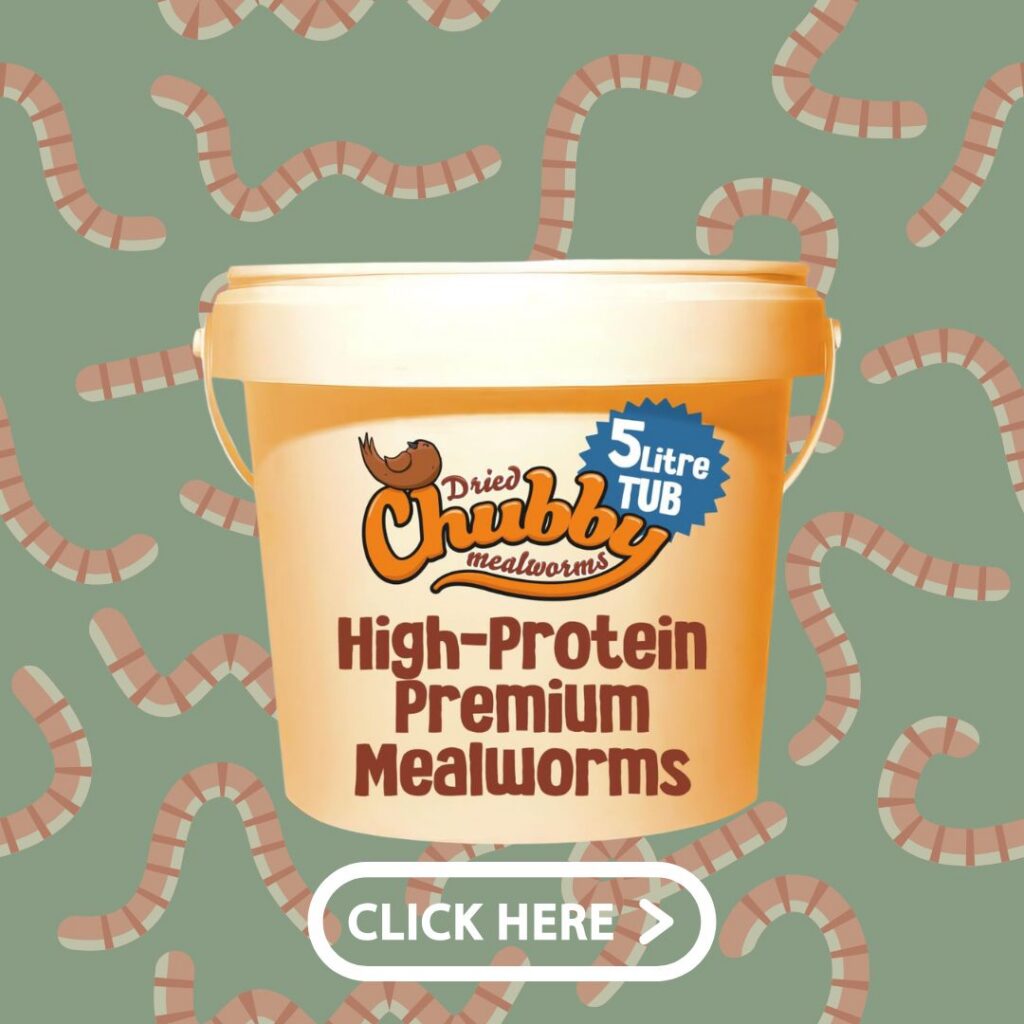
Use:
- A small handful per flock
- As an occasional treat, not every hour
- Scatter on the ground or in a treat toy to encourage natural foraging
Most flocks learn the sound of the packet within days and come running.
Homemade Treat Ideas That Are Still Safe
If you like making things from scratch, you can prepare simple homemade treats that stay chicken friendly and still feel special.
A few ideas:
- Frozen fruit and veg “pops” in hot weather
- Scrambled egg mixed with a little of their normal feed
- A “salad bowl” of chopped greens and herbs
- Warm mash made from their own pellets with a splash of warm water
Always avoid salt, heavy oils, sugar and strong seasoning, and remember that homemade treats count toward their overall treat allowance too.
To keep homemade treats tidy, a low treat tray works well. It keeps everything contained in one place, instead of turning the whole run into a messy picnic.You can link a shallow plastic tray or foraging tray like Rosewood Naturals Hide ‘n’ Treat Maze Tray on Amazon . It is easy to rinse, and you can use it for salads, mash or mixed grains.
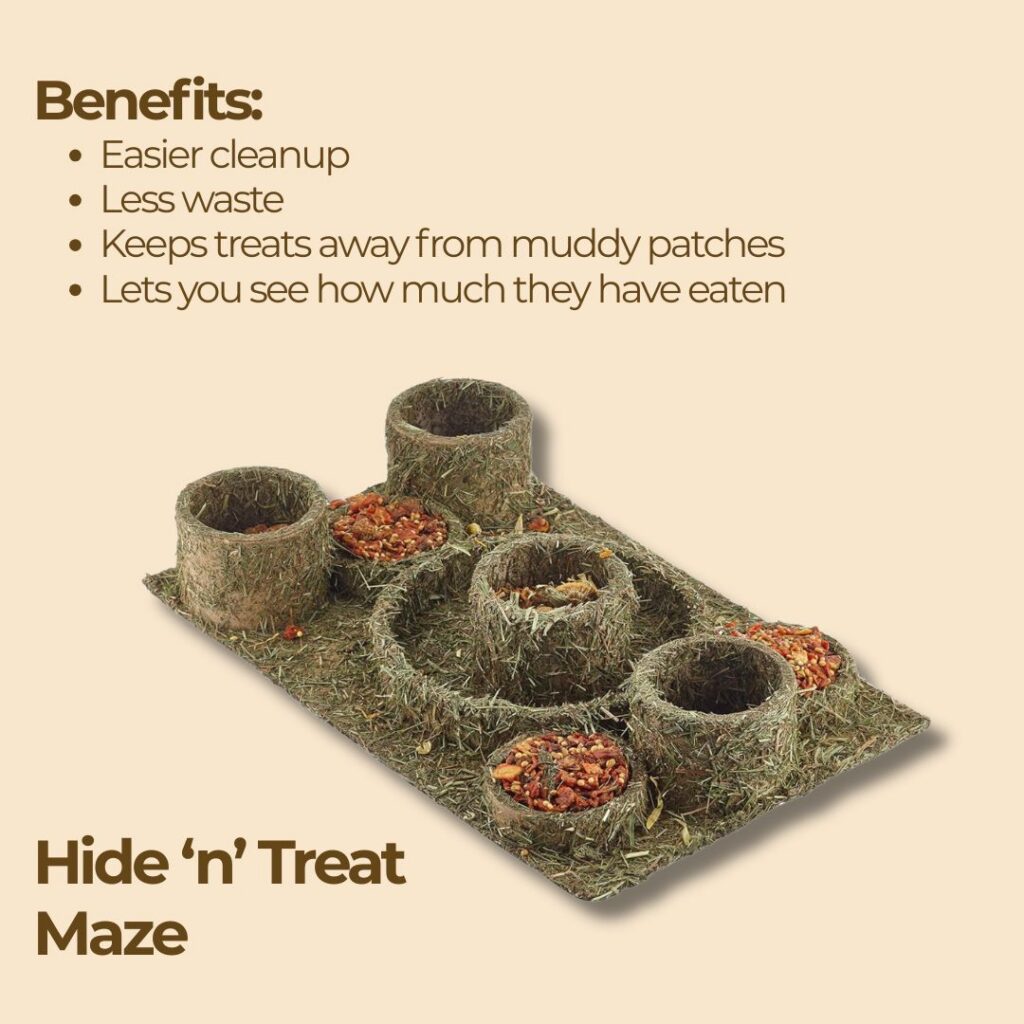
Benefits:
- Easier cleanup
- Less waste
- Keeps treats away from muddy patches
- Lets you see how much they have eaten
It is the sort of simple product that quickly becomes part of your regular setup.
Foods Chickens Should Not Eat
Just because chickens are enthusiastic eaters does not mean everything is safe. Some foods are best avoided entirely, either because they can be toxic or cause digestive issues.
Common foods to avoid include:
- Raw potato peelings, especially green or sprouted ones
- Raw or dried beans, particularly kidney beans
- Chocolate and anything containing cocoa
- Very salty, sugary or heavily processed foods
- Alcohol and caffeinated drinks
- Avocado skin and pit
- Mouldy or spoiled food
Citrus is often avoided or kept very limited, and onion or garlic in large quantities is not recommended for most backyard flocks.
If in doubt, it is usually safer to skip a food than risk it.
How Often Should You Give Treats?
A simple way to think about treats is the “10 percent” idea. The majority of a chicken’s diet should come from a complete feed, with treats staying within a small portion of their daily intake.
Practical tips:
- Offer treats once or twice a day at most
- Keep portions small compared to their main feed
- Use high reward treats for training and recall
- Balance richer treats with lighter options like greens
This keeps your flock healthy while still letting you enjoy the fun side of treat time.
If you want to be consistent, a treat scoop or measuring cup is a simple but effective tool. It helps you avoid overfeeding treats and keeps portions the same each time. This plastic measuring scoop or feed scoop on Amazon for both feed and treats.
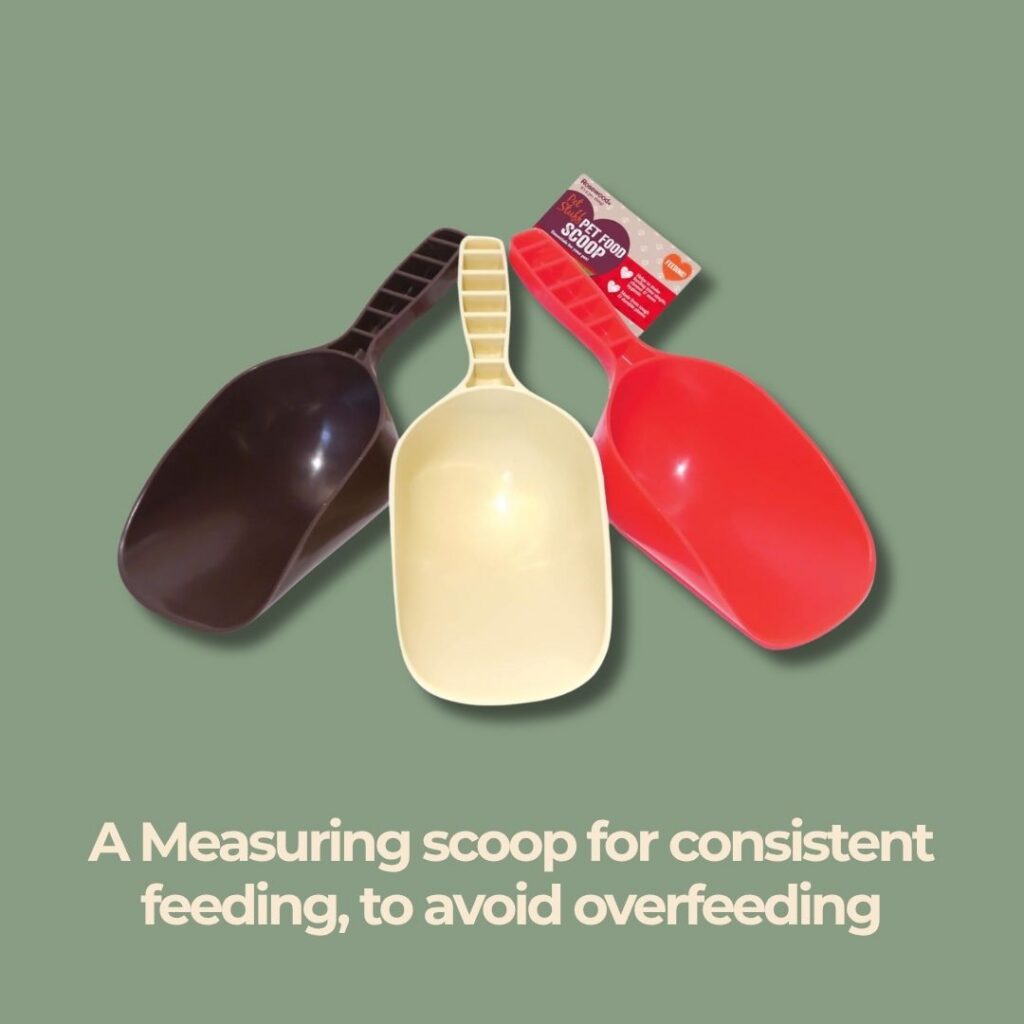
Use one scoop size for:
- Daily layer pellets
- A smaller scoop for treats
- Quick visual control of how much you give
It also makes it easier to explain portions if someone else in the household is helping with chicken care.
Using Treats For Training And Bonding
Treats are not just about snacks. They are a powerful way to train behaviour and build trust
You can use treats to:
- Train recall by calling and rewarding when they come
- Lure them back into the run at night
- Help nervous birds feel more comfortable around you
- Reward calm behaviour when you handle them
Over time, your flock will start to associate you with good things, which makes daily care, health checks and coop routines a lot easier.
Final Thoughts
Chickens love food, and treats are one of the easiest ways to make their lives more interesting and your time with them more fun. The key is to keep their main diet based on a good quality feed, then add safe, sensible treats on top.
Once you know which foods are safe, which ones to avoid and which special snacks make your flock go wild, you can use treats for enrichment, training and bonding without compromising their health.
⚠️ Affiliate Disclosure: This post contains Amazon affiliate links. If you purchase through these links, we may earn a small commission at no extra cost to you.