
Are Floor Naps Enough? How To Decide When Your Dog Actually Needs A Proper Bed In The UK
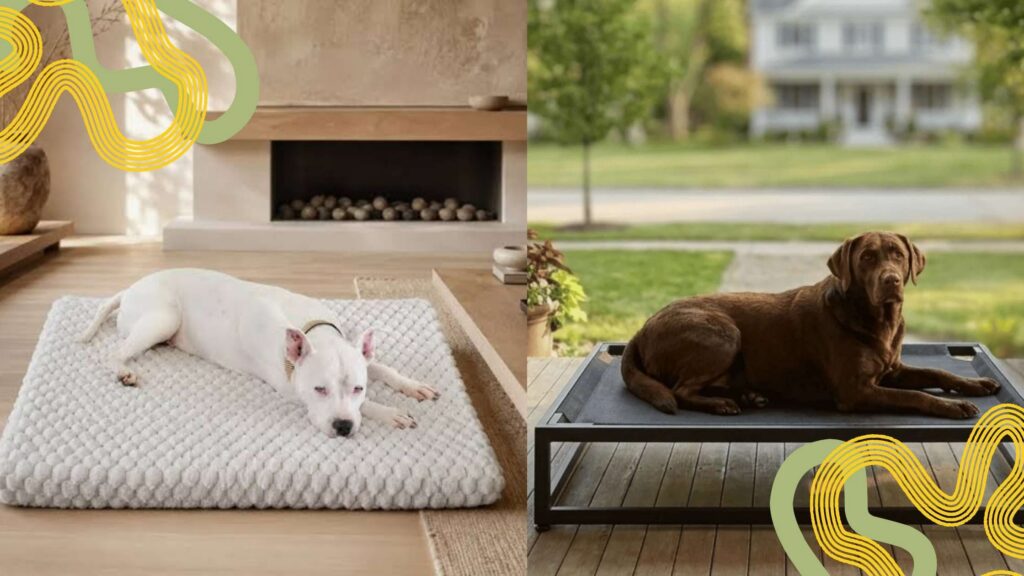
Some dogs will happily nap on the floor, a rug, or the end of the sofa and seem perfectly content. Others dig at blankets, squeeze themselves into awkward spots, or keep pacing at bedtime because nothing feels quite right. It can be hard to know when a dog genuinely needs a proper bed and when a cosy corner on the floor is enough. The truth is that a good dog bed is about more than cuteness or matching your décor. It is about joint health, temperature control, behaviour, and how safe and settled your dog feels in your home. Once you understand the signs, it becomes much easier to decide what your dog actually needs and which bed will genuinely help. This guide walks you through those signs and offers five well‑chosen UK bed options so you can make a confident choice instead of guessing. Why Floor Naps Work For Some Dogs (And Not Others) Hard floors, thin rugs, or random blankets can be completely fine for some young, healthy dogs in the short term. They still have strong muscles, flexible joints, and plenty of tolerance for odd sleeping positions. However, as dogs age – or if they are heavy, long‑bodied, or prone to joint issues – that lack of support can quietly start to cause problems. Repeated pressure on elbows, hips, and shoulders from sleeping on hard surfaces may contribute to stiffness, calluses, and discomfort over time. Dogs that feel cold easily or have very little fur on their underside can also struggle on bare floors without you noticing until they start avoiding their usual spots. Dog food labels in the UK have to follow specific rules, but companies still have plenty of room to make things sound better than they are. The front of the bag is pure marketing. The real story is always on the back. Signs Your Dog Might Need A Proper Bed You do not have to be a vet to spot that a dog would benefit from more support. A few everyday behaviours are surprisingly clear clues: If more than one of these feels familiar, a proper bed is likely to make a noticeable difference to how comfortable your dog is every day. Did You Know? Research on canine sleep suggests that dogs with a consistent, comfortable sleeping area show fewer signs of stress and wake less in the night than dogs that sleep in random spots. A bed becomes more than a cushion – it is a clear signal that “this is your safe place to rest”. Matching Bed Type To Your Dog’s Sleeping Style Before you buy anything, watch how your dog naturally sleeps when they have free choice: Choosing a bed that matches these preferences is far more important than buying the most fashionable option on the page. JOYELF Memory Foam Orthopaedic Dog Bed If your dog hops off the floor after a nap and looks stiff, slow, or reluctant to move, that is usually the point where floor naps stop being enough and proper joint support becomes important. A memory foam bed is the easiest way to give tired joints a break without changing anything else in your routine. The JOYELF Memory Foam Orthopaedic Dog Bed is a good example of the kind of supportive mattress that makes sense at this stage. It uses solid memory foam rather than a very thin cushion, comes with a removable washable cover, and is designed with older or heavier dogs in mind. This is the type of bed you look for when you know your dog spends a lot of time asleep and you want that time to feel more comfortable for their hips, elbows, and spine. Coolaroo Original Elevated Pet Bed Some dogs choose the floor for a very simple reason: it feels cooler than anything else. Thick‑coated breeds, dogs that love lying on tiles, and dogs that sprawl on the kitchen floor in summer are often using the floor as a way to escape heat rather than because it is truly comfortable. The Coolaroo Original Elevated Pet Bed is a helpful alternative in those cases. It lifts your dog off the ground and uses a breathable mesh fabric so air can circulate underneath and around their body. That means they still get that “cool” feeling they are chasing on hard floors, without the constant pressure on joints. This kind of bed is especially useful outdoors, in conservatories, or in warm homes where bare floor has become the default nap spot simply because everything else feels too hot. Did You Know? Many dogs spend more than half of their day asleep or resting. Over months and years, the surface they sleep on becomes one of the most significant physical factors in their daily comfort. A small change from hard floor to supportive bed can add up quietly over time. Hooded Calming Dog Bed For Burrowers And Anxious Dogs If your dog technically lies on the floor but is constantly trying to hide under the sofa, burrow under blankets, or wedge themselves into tight corners, their main issue may not be the hardness of the floor. It may be that the open space simply does not feel safe enough. For those dogs, a hooded or cave‑style calming bed can be far more helpful than a flat mattress. These designs create a den‑like space with a soft base and an attached blanket or hood the dog can push under, which taps into their natural instinct to seek shelter when they rest.gorctrails+1 This is the kind of bed you choose when you notice your dog always wants a “roof” over their head, or when they seem anxious on exposed floor space even if they technically have soft blankets available. You can look for a calming hooded dog bed or small dog bed with blanket attached on Amazon UK. P&L Country Dog Heavy Duty Waterproof Bed Not all floor naps happen in cosy living rooms. Many dogs spend their rest time on the floor of