Your cat has a warm bed, premium food, several toys they’ve chosen to ignore, and a human servant who opens doors on demand. So why do they still seem stressed? Why is my cat so anxious?
One minute they’re sleeping peacefully in a sunbeam. Next, they’re hiding under the sofa because someone dared to move a dining chair three inches to the left.
If you’ve been wondering, “Why is my cat so anxious?”, you’re not alone. Cat anxiety is surprisingly common, and because cats are masters of pretending everything is fine, it often goes unnoticed until the behaviour becomes impossible to ignore.
The good news? Once you understand the signs and causes, helping an anxious cat becomes much easier.
Let’s decode the mystery.
What Does Cat Anxiety Actually Look Like?
Unlike dogs, cats rarely announce their worries with dramatic whining and pacing. Most anxious cats are much more subtle.
Some common signs of anxiety in cats include:
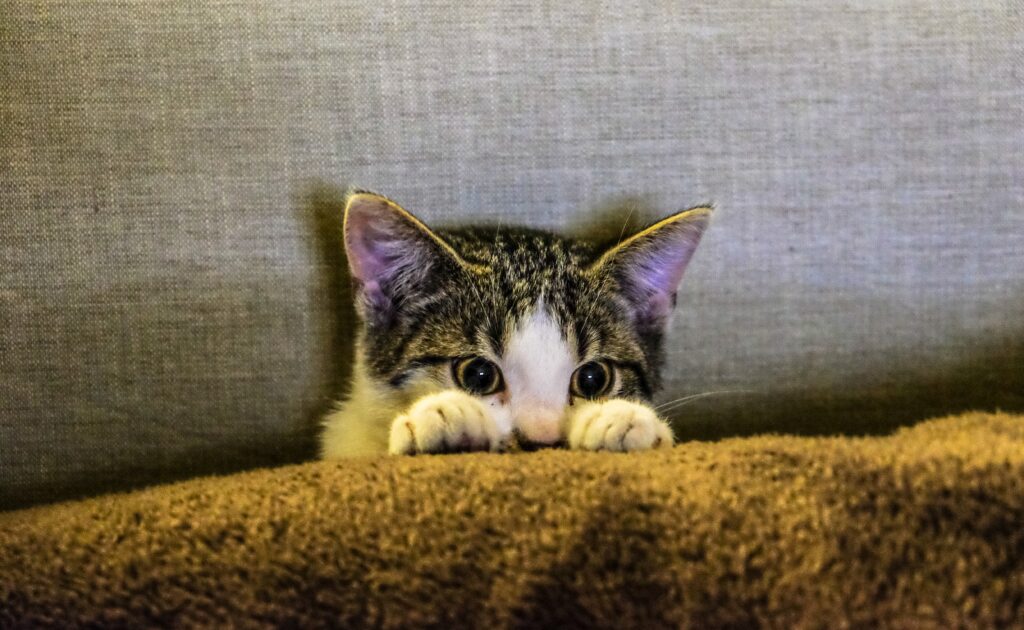
- Hiding more than usual
- Avoiding people or other pets
- Excessive grooming (sometimes causing bald patches)
- Increased vocalisation or unusual meowing
- Spraying or inappropriate urination
- Aggression when approached
- Reduced appetite
- Restlessness or inability to settle
- Constant vigilance or startling easily
- Changes in sleeping habits
The tricky part is that many of these behaviours can also indicate illness. If symptoms appear suddenly, a veterinary check-up should always be your first step.
Why Is My Cat So Anxious? Causes Explained
Cats love predictability. They thrive on routine and familiar environments. When something disrupts that sense of security, anxiety often follows.
1. Changes at Home
What seems minor to you can feel like a full-scale crisis to your cat.
Common triggers include:
- Moving house
- Rearranging furniture
- Renovations or building work
- New family members
- New pets
- Guests staying over
- Changes to feeding schedules
To your cat, these aren’t “small updates.” They’re suspicious developments that require immediate investigation and several days of concern.
2. Other Cats
Cats are territorial creatures. Even if your cat lives alone, they may still be stressed by neighbourhood cats wandering through the garden or appearing at windows.
Signs this might be the cause include:
- Spraying near doors or windows
- Increased hiding
- Aggressive behaviour
- Constant window patrols
For indoor cats especially, seeing an unfamiliar cat outside can feel like spotting an intruder repeatedly peeking through the front door.
3. Lack of Stimulation
A bored cat isn’t necessarily a relaxed cat.
Cats are natural hunters. Without opportunities to climb, explore, stalk, and play, they can become frustrated and anxious.
This is particularly common in indoor cats with limited environmental enrichment.
Think of it this way: if your entire life consisted of eating, sleeping, and staring at the same four walls, you’d probably develop some quirks too.
4. Separation Anxiety
Yes, cats can get separation anxiety.
While they’re often portrayed as fiercely independent, many cats form strong attachments to their owners.
Signs may include:
- Excessive meowing when you leave
- Following you constantly
- Destructive behaviour while alone
- Refusing to eat when you’re away
- Over-the-top greetings when you return
Some cats act like they don’t care whether you’re home or not. Others treat a trip to the supermarket like you’ve disappeared on an Antarctic expedition.
5. Past Trauma
Cats adopted from shelters or rescue situations may carry stress from previous experiences.
A history of neglect, abandonment, poor socialisation, or frightening events can contribute to long-term anxiety.
Not every rescue cat develops anxiety, but some need extra time and patience to build confidence.
6. Medical Conditions
Certain health problems can mimic or worsen anxiety.
Conditions such as:
- Hyperthyroidism
- Arthritis
- Dental pain
- Cognitive dysfunction in older cats
- Urinary tract issues
can all lead to behavioural changes that appear anxiety-related.
This is why medical causes should always be ruled out before assuming a behavioural problem.
How Can You Tell If Your Cat Is Stressed or Just Being a Cat?
Excellent question.
Cats are naturally quirky creatures. Sleeping in sinks? Normal. Staring at a wall for ten minutes? Potentially normal.
The key is looking for changes.
Ask yourself:
- Is this behaviour new?
- Has it increased recently?
- Is it affecting eating, sleeping, or litter tray habits?
- Did it start after a specific event or change?
If the answer is yes, anxiety could be playing a role.
How to Help an Anxious Cat?
The good news is that most anxious cats improve significantly once the source of stress is identified and addressed.
Step 1: Create Predictability
Cats love routines.
Try to keep:
- Feeding times consistent
- Play sessions regular
- Sleeping areas unchanged
- Daily interactions predictable
Routine helps anxious cats feel safe because they know what to expect.
Step 2: Provide Safe Spaces
Every cat should have somewhere they can retreat when life feels overwhelming.
This might include:
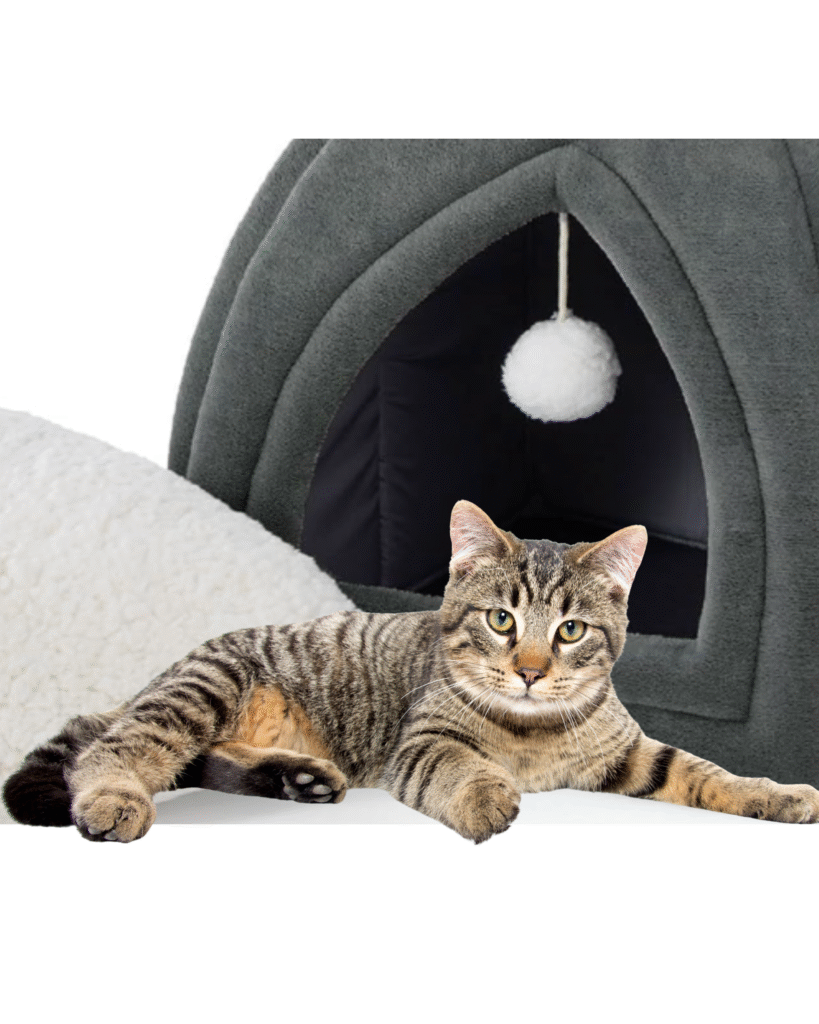
Covered cat beds provide a cosy, enclosed space where cats can feel safe, warm, and protected from everyday household noise and activity. The Bedsure Cat Cave Bed features a soft flannel hooded design that creates a secure hideaway for anxious or shy cats, while the removable washable cushion adds comfort and convenience. Its foldable igloo-style structure makes it easy to place around the home, offering your feline friend a snug retreat for resting, napping, and relaxing.
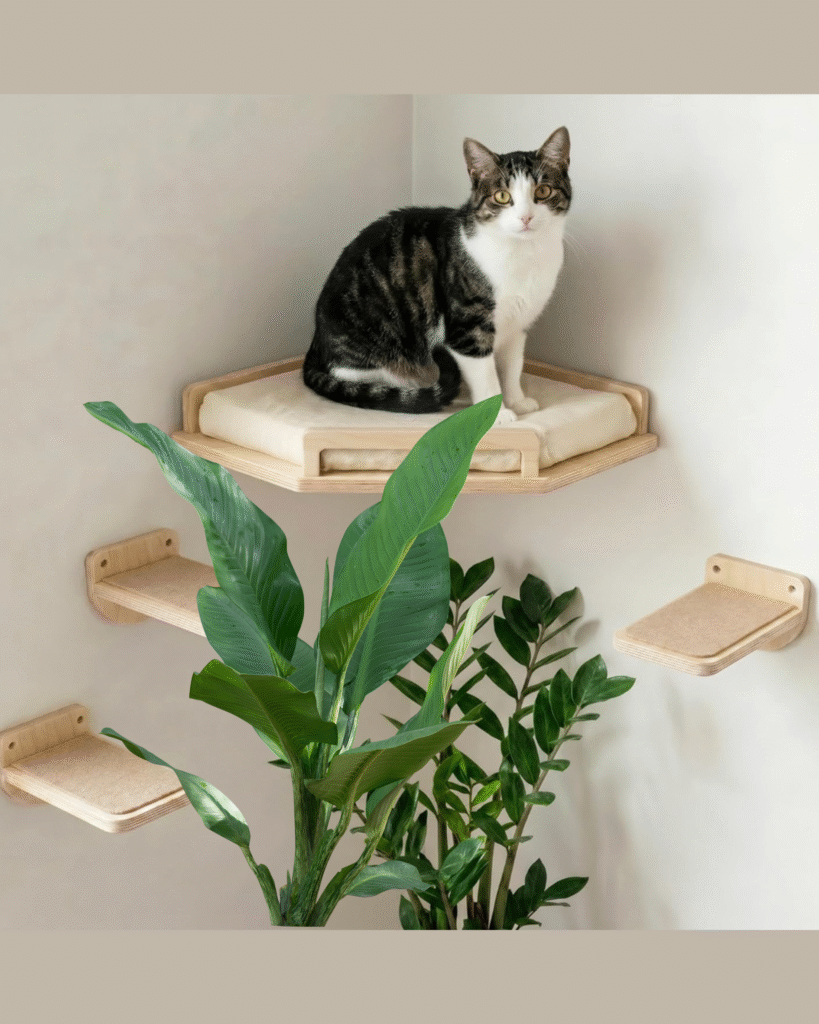
High shelves give cats a safe place to climb, observe their surroundings, and relax away from busy household activity. Elevated spaces can help boost confidence, provide mental stimulation, and satisfy a cat’s natural instinct to perch in high places. The INICIO Cat Wall Shelves feature a sturdy natural wood design with a comfortable padded perch and three climbing steps, creating an attractive wall-mounted playground for cats up to 8kg. Ideal for climbing, lounging, and exploring, this shelf helps maximise vertical space while enriching your cat’s environment.
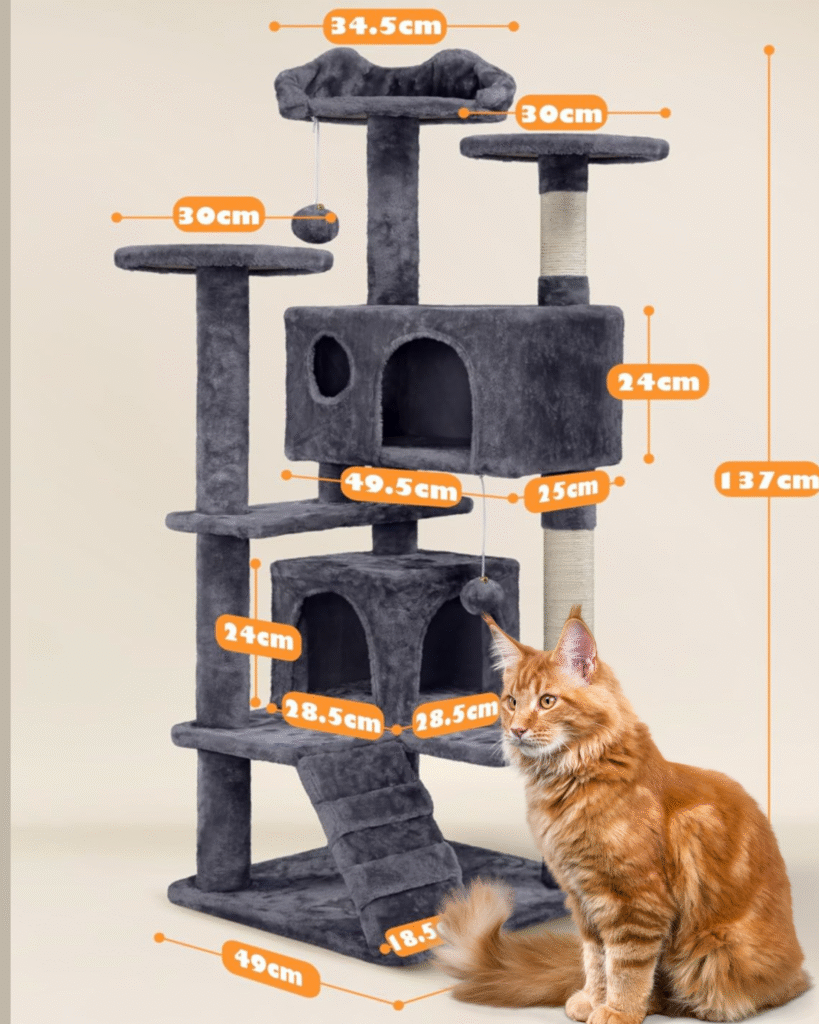
Cat trees provide a dedicated space for climbing, scratching, playing, and resting, helping to keep indoor cats active and mentally stimulated. They also encourage natural feline behaviours while protecting furniture from unwanted scratching. The Yaheetech 138.5cm Cat Tree Tower is a popular Amazon bestseller featuring multiple levels, cosy condos, scratching posts, and a ladder for climbing adventures. With plenty of space to explore, perch, and nap, this activity centre offers an all-in-one solution for keeping kittens and adult cats entertained indoors.
Quiet spare rooms
A quiet spare room can provide an ideal retreat for anxious cats who need a calm and predictable environment. Giving your cat access to a peaceful space away from household noise, visitors, and other pets can help reduce stress and encourage relaxation. Adding familiar bedding, hiding spots, food, water, and toys can make the room feel safe and secure, allowing your cat to settle at their own pace and build confidence.
Never force a nervous cat out of a hiding place. Sometimes they simply need time to decompress.
Step 3: Increase Enrichment
Mental stimulation is one of the most overlooked anxiety treatments.
Try:
- Interactive wand toys
- Puzzle feeders
- Climbing structures
- Window perches
- Rotating toys weekly
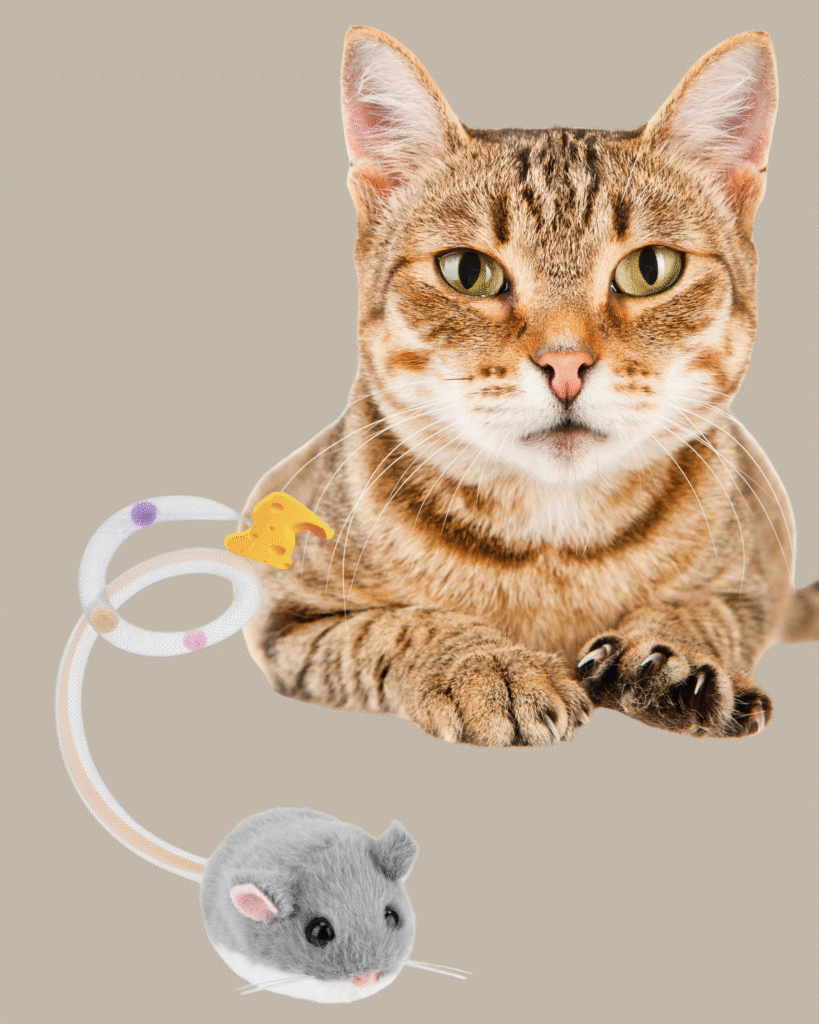
Interactive toys help keep cats mentally stimulated, physically active, and engaged throughout the day. They can reduce boredom, encourage natural hunting instincts, and provide an outlet for excess energy, especially for indoor cats. The Migipaws Interactive MigiMouse Cat Toy mimics the movement and sounds of real prey with its rolling motion, wiggling tail, and realistic squeaks. Featuring a smart motion sensor and rechargeable design, this engaging toy helps satisfy your cat’s curiosity while promoting healthy play and exercise.
Puzzle feeding toys combine playtime with mental enrichment, encouraging cats to work for treats while stimulating their natural problem-solving and hunting instincts. They can help reduce boredom, slow down fast eaters, and provide valuable indoor entertainment. The Nina Ottosson by Catstages Buggin’ Out Puzzle & Play is a highly rated Amazon favourite that challenges cats to uncover hidden treats through interactive play. With multiple difficulty levels and engaging compartments, it offers a rewarding way to keep curious felines mentally active and entertained.
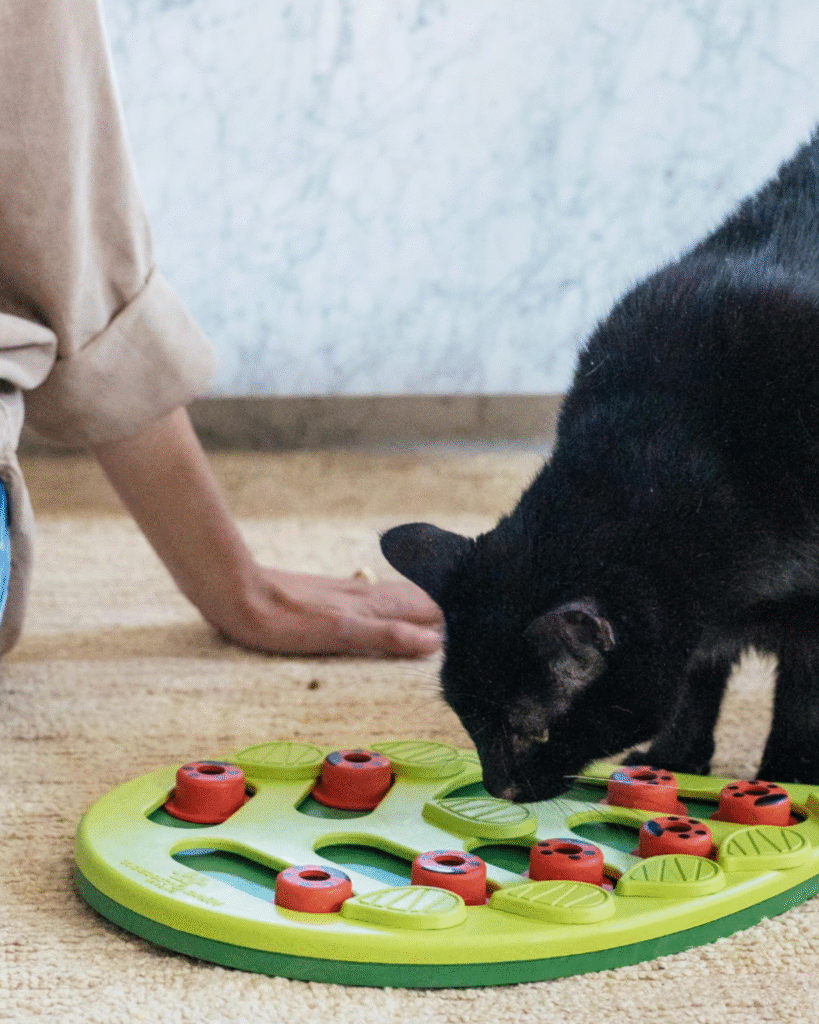
A busy cat has less time to worry about the neighbour’s suspiciously parked wheelie bin.
Step 4: Consider Pheromone Products
Synthetic feline pheromones can help create a calming environment.
Plug-in diffusers are particularly useful for:
- Moving house
- Introducing new pets
- Multi-cat households
- General stress-related behaviours
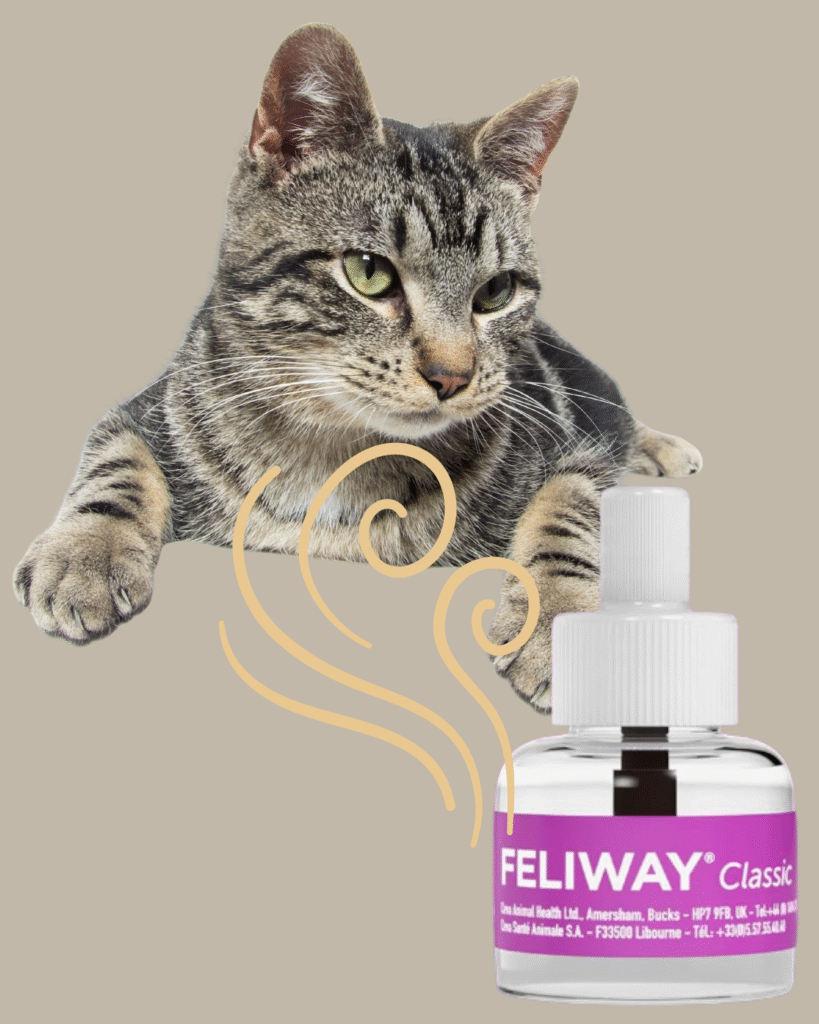
Pheromone diffusers can help create a calmer and more reassuring environment for cats by mimicking the natural facial pheromones they use to mark safe and familiar spaces. They are commonly used to help reduce stress-related behaviours such as hiding, excessive meowing, scratching, or changes in routine. The FELIWAY Classic 30 Day Cat Calming Plug-In Diffuser is a veterinary-recommended and clinically proven solution designed to help cats feel more secure at home. Providing continuous calming pheromones for up to 30 days, it can be especially helpful during changes in the household, introductions, or stressful situations.
Step 5: Address Environmental Triggers
If you can identify what’s causing the anxiety, you’re halfway to solving it.
Examples:
New cat outside?
Block visual access to windows temporarily.
New pet indoors?
Use gradual introductions and separate resources.
Loud renovations?
Create a quiet sanctuary room away from noise.
The goal isn’t to force your cat to cope, it’s to reduce the reason they feel threatened in the first place.
When to Contact a Vet for an Anxious Cat?
Speak to your vet if:
- Anxiety appears suddenly
- Your cat stops eating
- There are litter tray changes
- Aggression develops unexpectedly
- Symptoms persist despite environmental improvements
In more severe cases, your vet may recommend behavioural therapy or anti-anxiety medication.
There’s no prize for struggling through it alone. Cat anxiety is one of the most common behavioural issues vets encounter.
Cat Anxiety: Quick Symptom Guide
| Symptom | Possible Cause |
| Hiding constantly | Stress, Illness, Environmental Changes |
| Over-grooming | Anxiety, Boredom, Allergies |
| Spraying indoors | Territorial Stress, Anxiety, Medical Conditions |
| Excessive meowing | Separation Anxiety, Stress |
| Aggression | Fear, Pain, Territorial Issues |
| Loss of Appetite | Anxiety, illness |
| Restlessness | Stress, Medical Conditions |
💡 Pro Tip: If your cat’s behaviour changes suddenly, becomes unusually severe, or is accompanied by symptoms such as loss of appetite, lethargy, aggression, or inappropriate toileting, it’s always best to consult a veterinarian. While anxiety is common in cats, similar signs can sometimes be linked to underlying health conditions that require professional attention.
FAQs About Anxious Cats
Why is my cat suddenly anxious?
A recent change is usually responsible. New pets, visitors, moving house, construction work, or even changes in routine can trigger anxiety.
Can indoor cats get anxiety?
Absolutely. Indoor cats may experience stress from boredom, lack of stimulation, or seeing unfamiliar cats outside.
Do cats grow out of anxiety?
Generally, no. Without addressing the cause, anxiety often persists or worsens. Early intervention usually produces the best results.
Can anxiety make cats spray?
Yes. Stress-related spraying is one of the most common signs of feline anxiety, even in neutered cats.
How long does it take to reduce cat anxiety?
Many cats show improvement within a few weeks once triggers are addressed. More severe cases may take several months and occasionally require professional support.
What Should You Do If Your Cat Is Anxious?
✓ Rule out medical causes with a vet
✓ Look for recent changes in your cat’s environment
✓ Establish a consistent daily routine
✓ Increase play and enrichment
✓ Provide safe hiding and climbing spaces
✓ Consider a pheromone diffuser
✓ Address specific stress triggers where possible
Final Thoughts on Cat Anxiety
An anxious cat isn’t being difficult, dramatic, or stubborn. They’re responding to something in their environment that feels unsafe, unpredictable, or overwhelming.
The challenge is that cats can’t tell us what’s wrong. Instead, they communicate through behaviour.
Once you start paying attention to the clues, the picture often becomes surprisingly clear.
A little patience, a few environmental tweaks, and some detective work can make a huge difference. And with the right support, most anxious cats can go back to doing what they do best: sleeping 16 hours a day and judging everyone from a comfortable distance.
Anxiety and stress can sometimes lead to unwanted behaviours, including urine marking. Learn more about why neutered cats spray and what you can do about it.
⚠️ Affiliate Disclosure: This post contains Amazon affiliate links. If you purchase through these links, we may earn a small commission at no extra cost to you.