You did everything right. You got your cat neutered. The vet said it would stop the spraying. And yet, there’s still a suspicious smell coming from the corner of the living room, and your cat is looking extremely unbothered about it. But Why Do neutered cats spray.
You’re not imagining it. Neutered cats can still spray, and it’s more common than most people realise. The good news? Once you understand why it’s happening, it’s very possible to stop it.
Let’s get into it.
Wait, Don’t Neutered Cats Stop Spraying?
Neutering dramatically reduces the likelihood of spraying, in most cats, yes, it stops it entirely. Studies suggest neutering eliminates spraying in around 85-90% of male cats. But that still leaves a meaningful percentage who continue. And if your neutered male cat is still spraying, you’re clearly not in the lucky majority.
Here’s the thing: spraying isn’t purely hormonal. It’s a behaviour with multiple triggers, and testosterone is just one of them. Once that’s removed, the others can still fire.
Why Do Neutered Cats Spray? The Real Reasons
1. They Were Neutered Later in Life
If your cat was neutered after sexual maturity (typically around 6 months, though some cats develop earlier), the spraying behaviour may already have been learned and reinforced. Habits formed before neutering can persist long after the hormones are gone, especially if the cat was spraying regularly for months beforehand.
The earlier the neuter, the lower the risk. But if it happened late, behaviour modification is still absolutely possible.
2. Stress and Anxiety Are the Main Culprit
This is the biggest one. Stress is the number one trigger for spraying in neutered cats, full stop. Cats spray to mark territory and self-soothe when they feel threatened or insecure. Common stressors include:
- A new pet or person in the home
- Moving house or rearranging furniture
- Building work, loud noises, or disruption to routine
- A new cat in the neighbourhood (visible through windows)
- Multi-cat households where tension is running high
- Litter tray changes (new litter, moved tray, not cleaned often enough)
If something changed around the time the spraying started, that’s almost certainly your answer.
3. Territorial Marking in Multi-Cat Homes
Even without testosterone, cats are deeply territorial animals. In homes with multiple cats, spraying is a communication tool, a way of staking claim over space. If your cats don’t get along well, or if one is being bullied by another, the stressed cat is much more likely to spray.
Keyword note: Searches like “why is my male cat spraying all of a sudden” often trace back to a household change that upset the social order.
4. Medical Issues
Before you assume it’s entirely behavioural, rule out physical causes. Conditions like urinary tract infections, feline idiopathic cystitis (FIC), or bladder stones can all cause inappropriate urination that looks a lot like spraying. Signs to watch for:
- Straining or crying in the litter tray
- Blood in the urine
- Going outside the tray rather than on vertical surfaces
- Frequent, small amounts of urine
If you notice any of these, a vet visit should be your first step, not a deterrent spray.
5. Incomplete Neutering (Cryptorchidism)
Rarely, but it does happen, a cat can have an undescended testicle that wasn’t removed during the neuter procedure. This testicle still produces testosterone, meaning the cat is still hormonally intact. If your cat was neutered but spraying returned after a period of no spraying, this is worth raising with your vet.
So, how to Stop a Neutered Cat from Spraying
Step 1: Clean the Affected Areas Thoroughly
This is non-negotiable. Cat urine contains pheromones that act as a signal to spray again in the same spot. Standard cleaning products don’t break these down, you need an enzyme-based cleaner specifically designed for pet urine.
Plain water, bleach, or household cleaners can actually make it worse (ammonia in bleach smells similar to urine to a cat, which can encourage re-marking).
We use and recommend this product below, it fully neutralises the dour at a molecular level so your cat won’t be drawn back to the same spot.
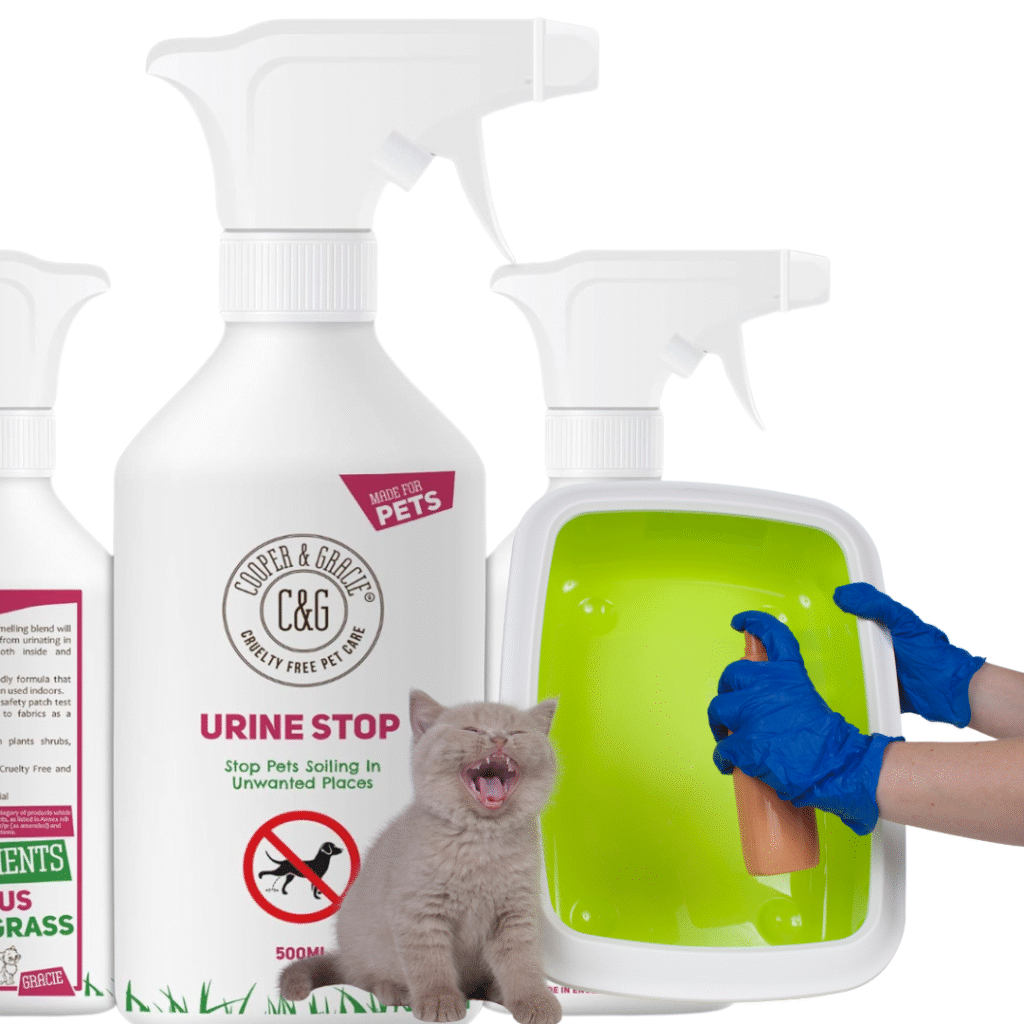
C&G Pets Urine Stop Spray is a UK-made solution designed to help neutralise pet odours and discourage repeat marking indoors and outdoors. This triple-action urine stop spray is Ammonia-free and pet-safe.
Step 2: Use a Cat Pheromone Diffuser
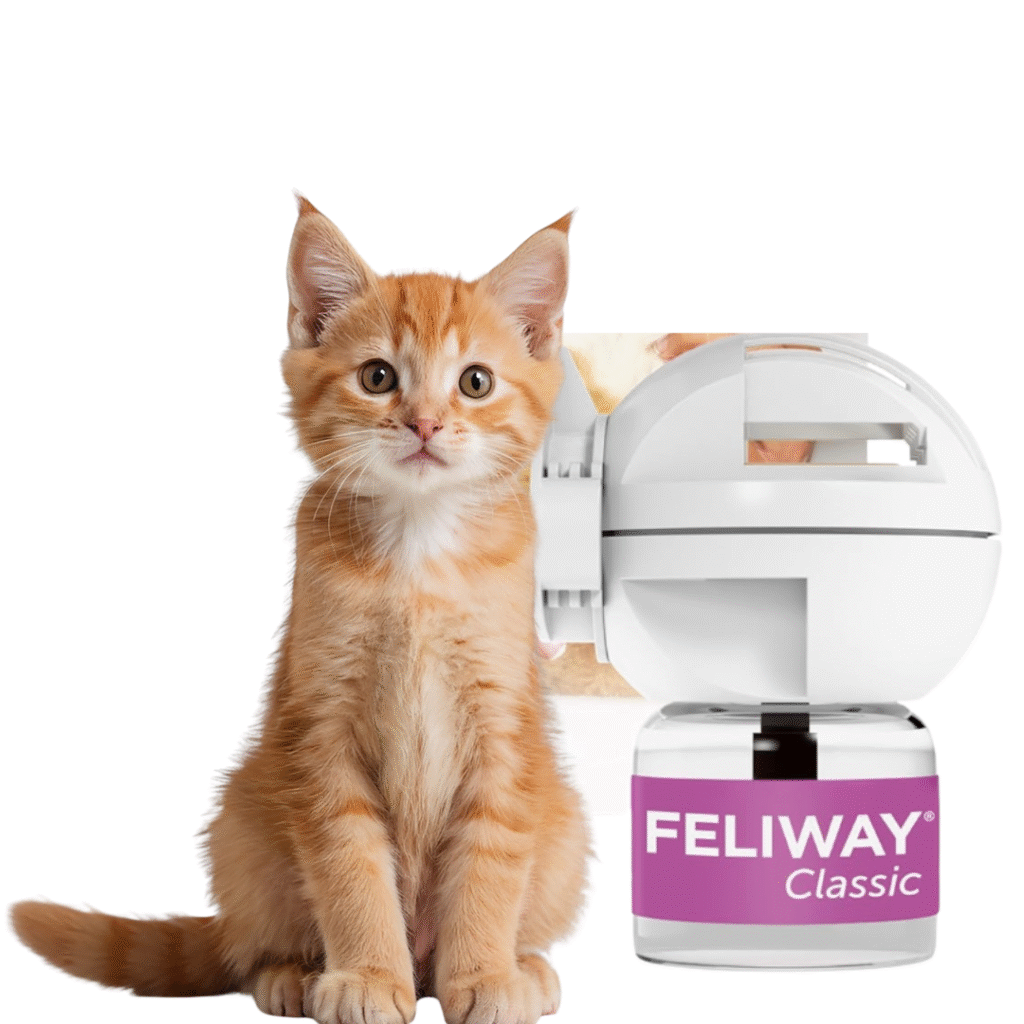
Feliway and similar synthetic pheromone products release a chemical signal that mimics the “friendly marking” cats do when they rub their face on things. It creates a sense of calm and security, essentially telling your cat that this space is safe, reducing the urge to spray-mark.
These come as plug-in diffusers, sprays, or collars. Diffusers are the most effective for whole-room coverage.
Feliway is a French-based cat care brand trusted by cat owners worldwide, with an average user rating of 4.2 stars from over 38k reviews. Widely loved by pet parents, FELIWAY products are commonly recommended for helping cats feel calmer during stressful situations such as moving homes, vet visits, travelling, scratching or urine marking, most owners notice a reduction in spraying within 1-2 weeks.
Easily available across the UK and internationally, FELIWAY uses synthetic feline pheromone technology designed to create a more comforting environment for cats. Benefits may include reduced stress-related spraying, less scratching on furniture, improved adjustment to new surroundings and a calmer multi-cat household environment.
Looking for alternatives? Products like TeddyDo Cat Calming Diffuser are also popular among cat owners seeking calming diffuser solutions for anxious or stressed cats.
Step 3: Identify and Reduce Stressors
Think detective. When did the spraying start? What changed? Go through this checklist:
- New pet or person – Slow, controlled introductions. Give the resident cat more one-on-one time.
- New cat outside – Block sight lines with frosted window film or furniture rearrangement.
- Multi-cat tension – Ensure there are enough resources (litter trays, feeding stations, resting spots). The rule is one per cat, plus one extra.
- Litter tray issues – Try an unscented litter, clean the tray at least once daily, and keep it in a quiet, private spot.
- Routine disruption – Re-establish consistent feeding, play, and sleep patterns.
Step 4: Apply a Urine Deterrent Spray to Hotspots
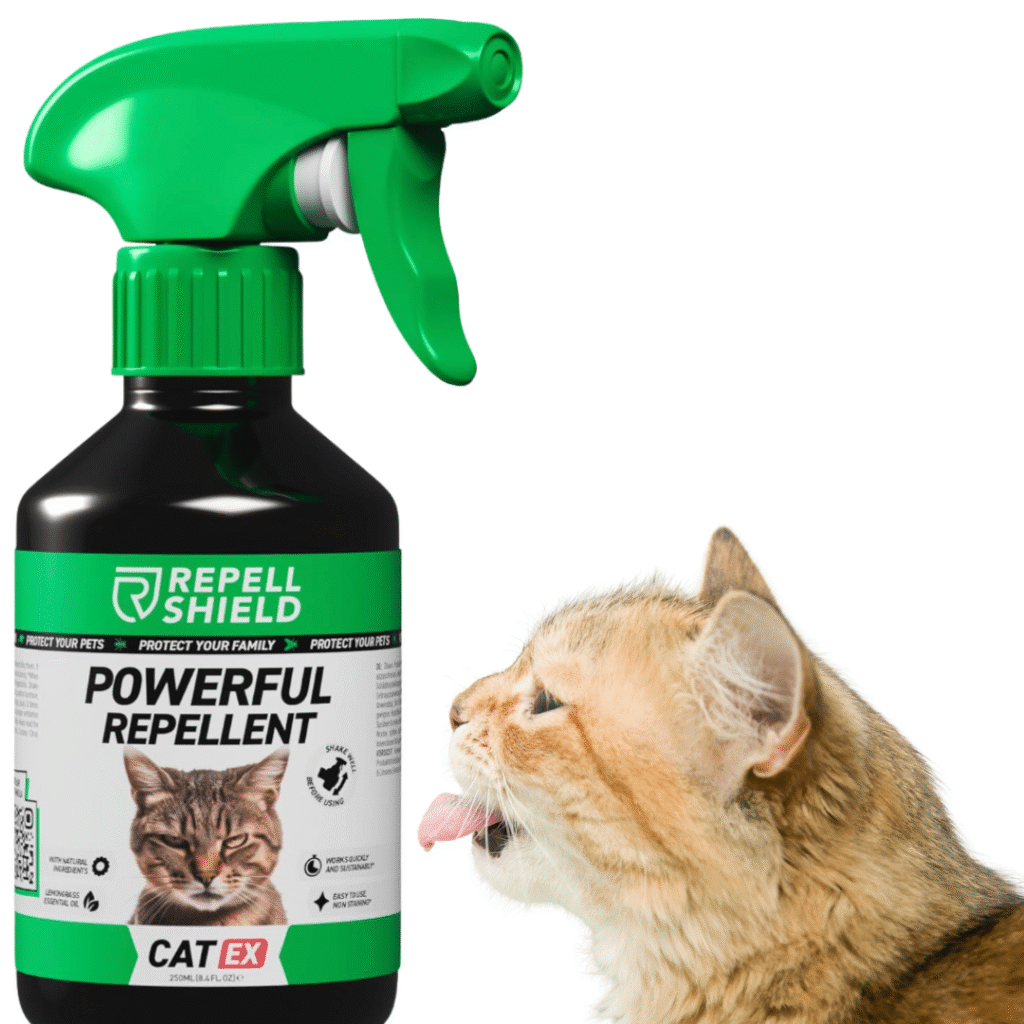
Once an area has been properly cleaned with an enzyme cleaner, a deterrent spray can discourage your cat from returning to it. Most deterrents use citrus, lavender, or herbal compounds that cats find unpleasant.
Apply to previously sprayed surfaces, skirting boards, walls, and any vertical surfaces your cat targets.
Widely available in the UK, RepellShield Cat Repellent Spray is a popular Amazon choice with around 4.1★ ratings from nearly 2,000 pet owners. Pet parents appreciate its natural citronella formula, fresh lemon scent, and pet-safe indoor & outdoor use. This is our top pick, safe for soft furnishings and effective within a few applications.
Step 5: Increase Environmental Enrichment
A bored or under stimulated cat is a stressed cat. More stress = more spraying. Simple changes that help:
- Add cat trees or shelves for vertical territory
- Increase interactive play sessions (10-15 minutes, twice daily)
- Rotate toys to keep things novel
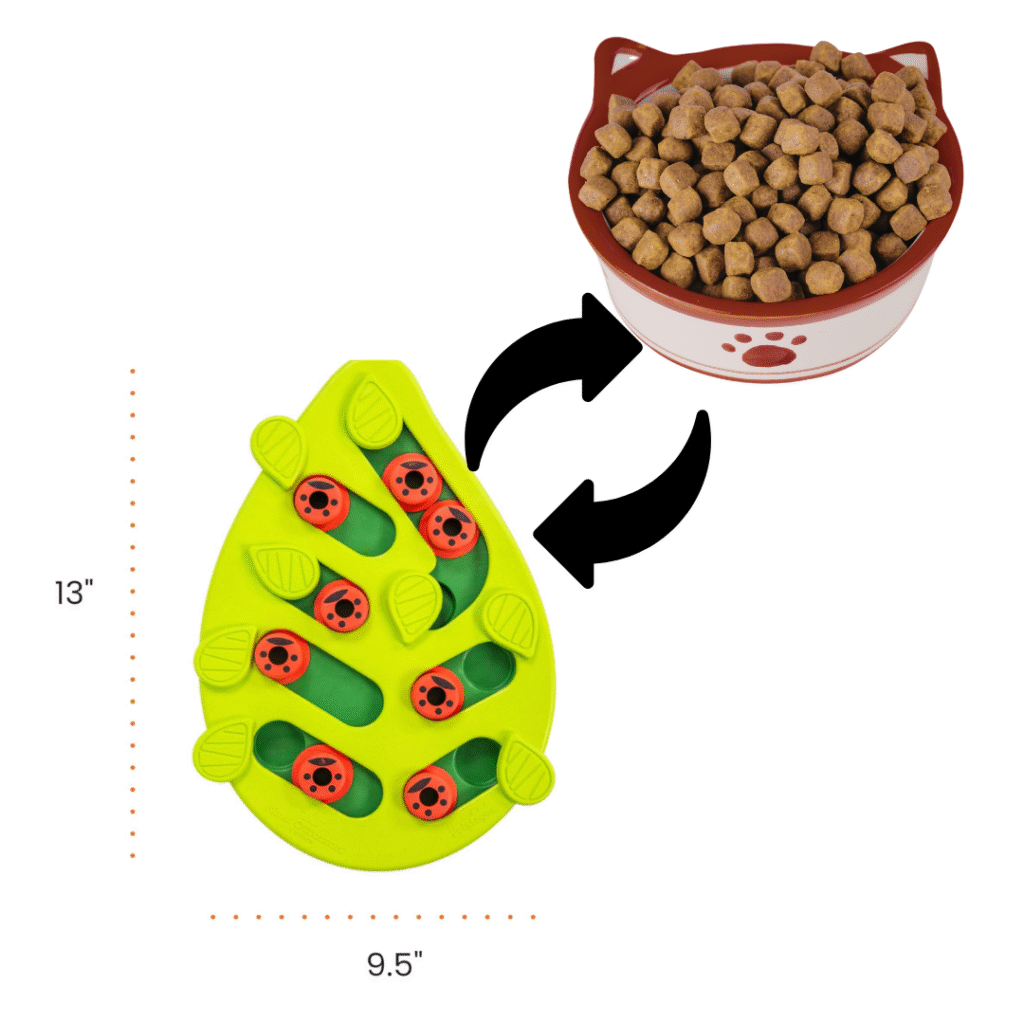
- Consider puzzle feeders to give their brain a workout
- Ensure each cat in the home has its own private space to retreat to
Widely available in the UK and worldwide on Amazon, the Nina Ottosson by Catstages Buggin’ Out Puzzle & Play is rated 4.3★ with over 20k reviews from happy customers. Designed for curious cats, this interactive treat puzzle stimulates natural foraging instincts while turning snack time into engaging playtime. It can also replace traditional feeding bowls to encourage a healthier eating pace and keep indoor cats mentally active. With 16 hidden treat compartments, food-safe BPA, PVC & phthalate-free materials, and a no removable parts design for safer play and easy cleaning, it’s a popular enrichment toy loved by cat parents.
Step 6: Talk to Your Vet (VERY IMPORTANT and RECOMMENDED)
If the spraying is severe, persistent, or accompanied by other symptoms, don’t soldier on alone. Your vet can:
- Rule out medical causes
- Check for incomplete neutering
- Discuss prescription anti-anxiety medication (like fluoxetine or clomipramine) for cats with severe stress-related spraying
- Refer you to a feline behaviourist
There’s no shame in bringing in expert help, spraying is genuinely stressful to live with, and professionals see it constantly.
Neutered Male Cat Still Spraying? Quick Diagnosis Guide
| Situation | Most Likely Cause | First Step | Product |
| Spraying started after a new pet arrived | Territorial stress | Pheromone diffuser + resource separation | Buy on Amazon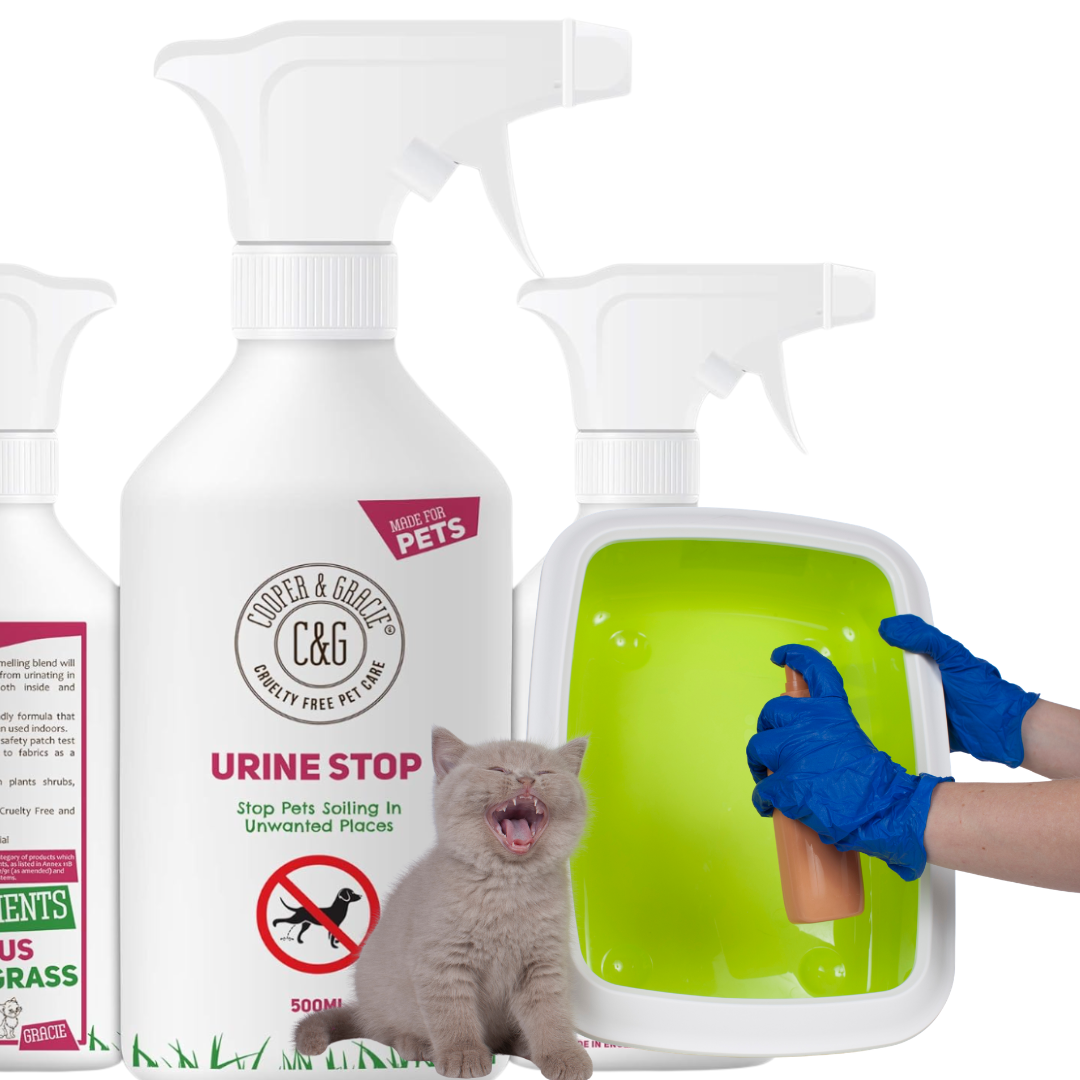 |
| Always sprayed, even post-neuter | Learned behaviour / late neuter | Behaviour modification + deterrent spray | Buy on Amazon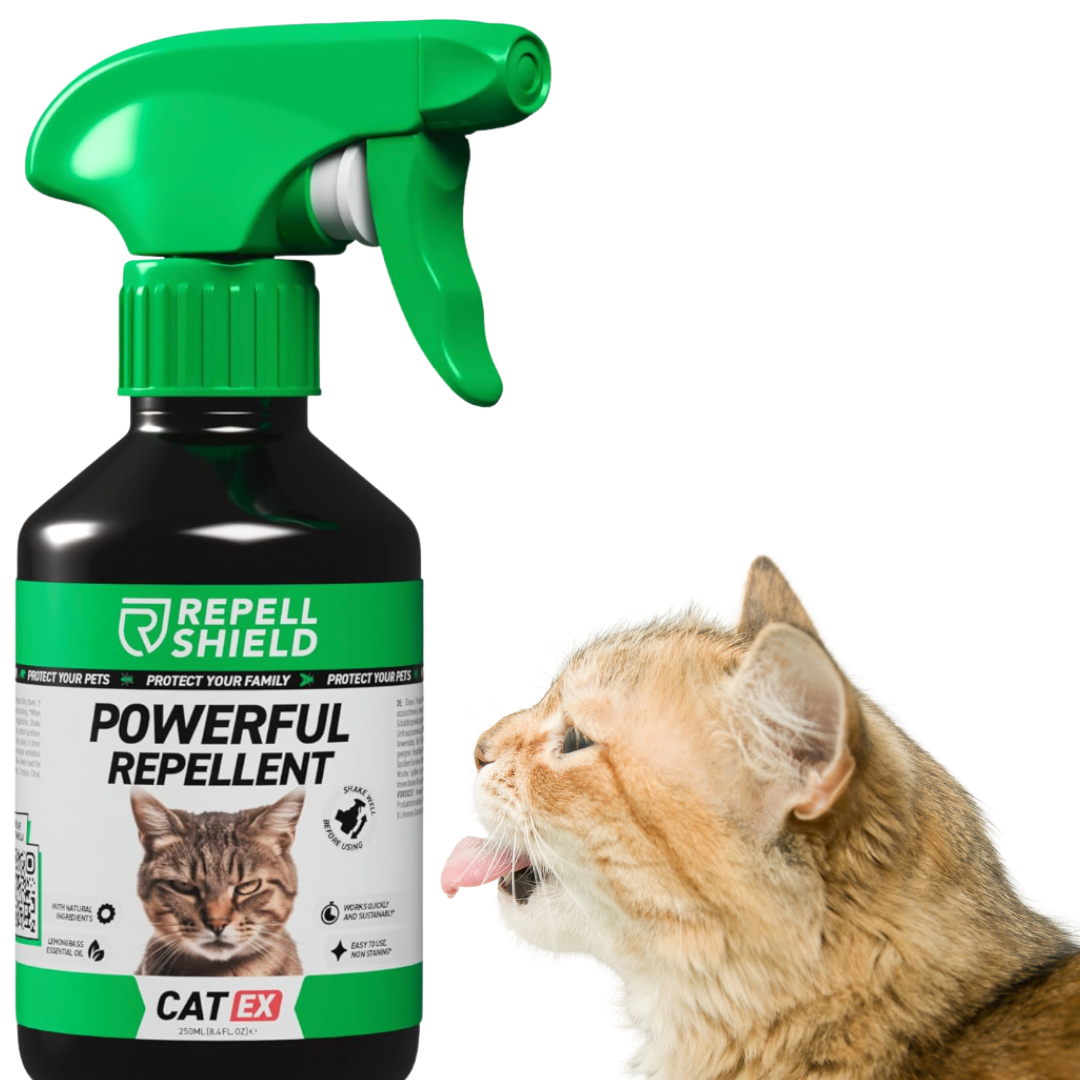 |
| Spraying in the litter tray area | Litter tray dissatisfaction | Clean tray more frequently, try unscented litter | Buy on Amazon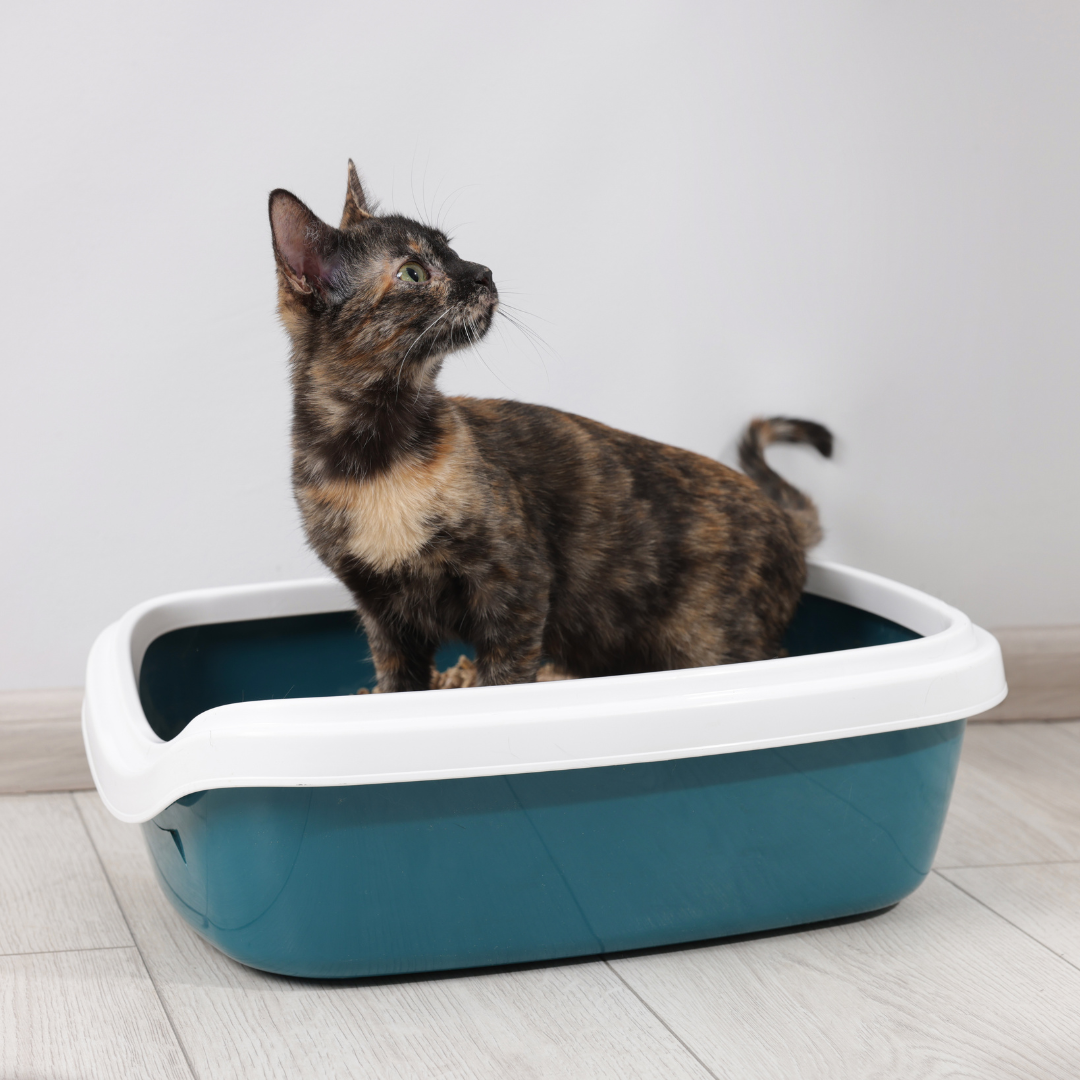 |
| Spraying on vertical surfaces near windows | Outdoor cat stressor | Block sight lines, add enrichment | Buy on Amazon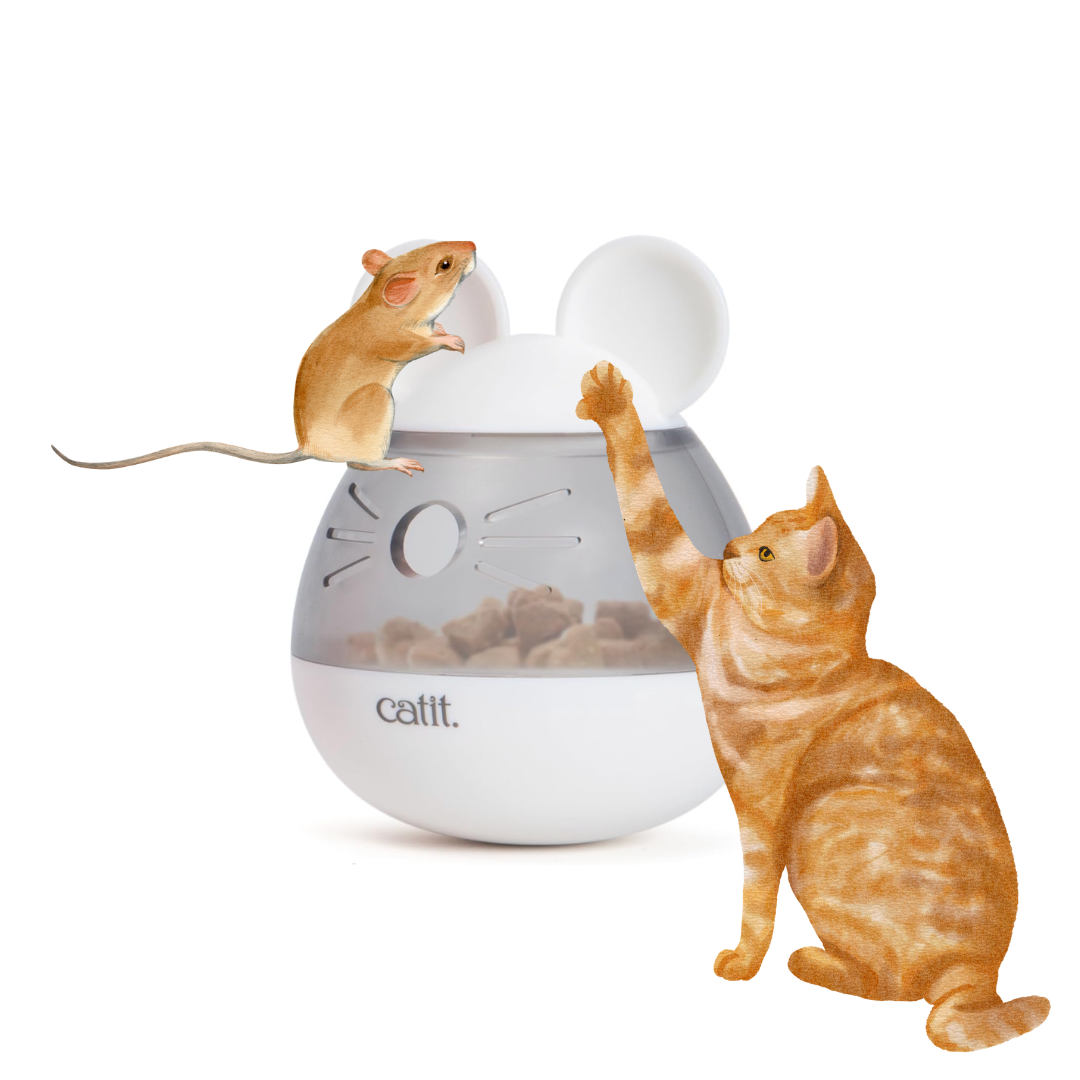 |
| Straining or blood in urine | Medical issues like UTI or cystitis | Vet immediately | Contact Immediately |
| Spraying returned after months of nothing | Possible cryptorchidism | Vet immediately | Contact Immediately |
FAQs: Neutered Cats and Spraying
Q: My neutered male cat is spraying, is this normal?
It’s not unusual. Around 10-15% of neutered male cats continue to spray. It’s almost always behavioural rather than hormonal, and it’s very treatable.
Q: Why do neutered male cats spray in the house?
Most commonly: stress, territorial anxiety in multi-cat households, or a triggering change in their environment. A new pet, person, or even building work nearby can set it off.
Q: Can female neutered cats spray too?
Yes, though it’s less common. Female cats can and do spray, especially in response to stress. The same solutions apply.
Q: How long does it take to stop neutered cat spraying?
With the right approach, cleaning with enzymes, deterrent spray, pheromones, and stress reduction. Most owners see significant improvement within 2-4 weeks. Severe cases may take longer or need vet support.
Q: Does spraying smell different from normal urination?
Yes. Spray tends to be deposited on vertical surfaces in small amounts and has a stronger, more pungent smell than regular urine. If you’re finding puddles rather than streaks, it may be inappropriate elimination rather than true spraying, both are solvable but have slightly different causes.
Your Action Plan: Stop That Spray
- Clean all affected areas with an enzyme-based urine cleaner (not standard products)
- Apply a urine deterrent spray to cleaned hotspots
- Plug in a pheromone diffuser in the most-affected room
- Audit your home for stressors, what changed before the spraying started?
- Ensure each cat has its own resources (trays, food, rest spots)
- Increase play and enrichment to reduce anxiety
- Visit the vet if it’s persistent or accompanied by physical symptoms
Final Thoughts
A neutered cat still spraying isn’t a failure on your part, and it’s not defiance on your cat’s part. It’s almost always a sign that something in their world feels insecure or threatening, and they’re dealing with it the only way they know how.
Fix the environment, reduce the stress, clean out the scent triggers, and stay consistent. Most cats respond really well, and you and your sofa will both be much happier for it.
Enjoying this guide? You might also like: How to Stop Cat Scratching Furniture
⚠️ Affiliate Disclosure: This post contains Amazon affiliate links. If you purchase through these links, we may earn a small commission at no extra cost to you.