
FetchStop

Author name: Claudia Nolasco

Dog Care

Puppy Crate | How To Set Up The Best Dog Crate

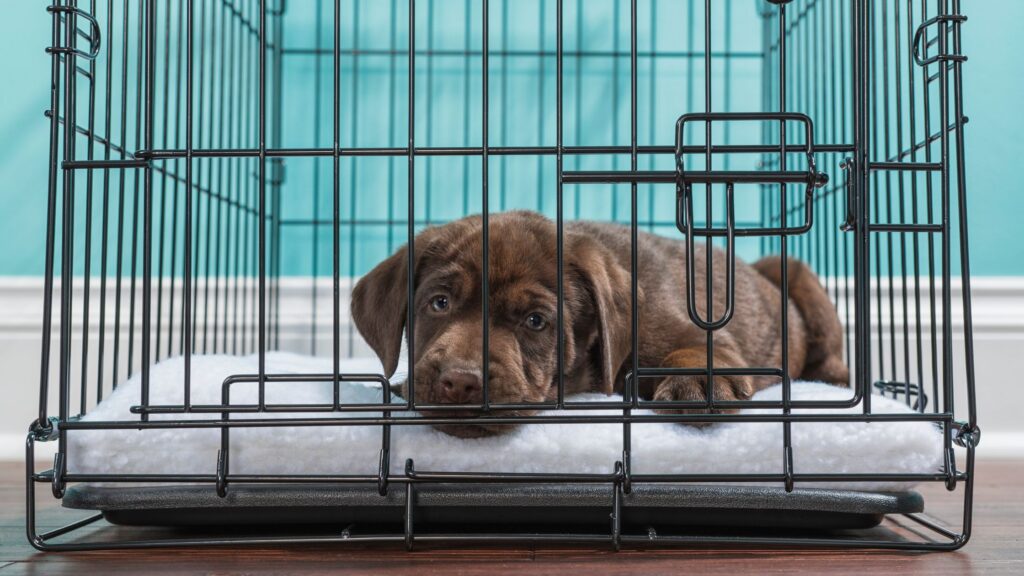
So, you’ve brought home a brand‑new puppy. Welcome to the world of late‑night toilet trips, mysteriously chewed phone cables, and suddenly Googling every tiny thing about puppy training and puppy care. It’s equal parts chaos and cuteness, and before long you’ll be that person using a baby voice while searching for the best ways to set up a puppy crate and create a cozy little den for your new furry family member.  One of the best gifts you can give your new fluffball (and your sanity) is a well‑set‑up crate. Think of it as their little studio flat: safe, cosy, and just fancy enough to make you feel like you’ve nailed this “dog mum” thing. We’re not building a prison. We’re creating a tiny den where they sleep, snack, and chill while you try to drink a hot coffee for once. Why A Crate Is Actually A Good Thing A crate, used properly, is: Dogs are natural den animals. A cozy, enclosed spot gives them peace, sleep, and a sense of security. Your Puppy Crate Essentials Crate Set‑Up At A Glance Element What to Use Why It Helps Crate A sturdy puppy crate with a divider panel. Grows with your puppy; keeps space just big enough to be comfy, not messy. Bedding A super cosy, washable crate mat. Comfy naps; easy to wash after accidents or muddy paws. Cover A breathable crate cover for wire crates. Makes the crate feel like a den; reduces distractions at night. Water A no‑spill crate water bowl or bottle attachment. Keeps them hydrated without soaking the bedding. Step 1: Pick The Right Crate (Not A Doggy Mansion) You want a crate that’s: That’s why a sturdy puppy crate with a divider panel is such a good choice. You can start with a smaller space when they’re tiny and gradually move the divider as they grow, instead of buying multiple crates. It will not only save you money in the long run, but it will help keep a consistent enviroment for your pup as their smell (and yours) will always be present. Aint that neat?! Step 2: Make The Floor A Cloud, Not A Cage Bare metal bars are not exactly giving “home sweet home”. Lay down a super cozy, washable crate mat that fits snugly inside. Go for something soft, padded, and machine‑washable. You can add a light blanket on top if your pup is gentle, but if they’re in their “tiny land shark” phase, keep it simple and safe. The extra benefit, same as the crate, is that it can hold their smell and yours. So if you add a small piece of your old clothing that pup will feel safe in their new home. Step 3: Decide If Your Pup Needs “Den Vibes” Some puppies like to sleep in a cozy, covered space. Others prefer to keep tabs on the whole household like tiny security guards. If your pup gets over‑excited by every movement or struggles to settle at night, try a breathable crate cover for wire crates. It makes the crate feel like a den, blocks out some visual distractions, and acts as a signal that it’s “sleep time” when you cover it in the evening. You don’t have to cover every side, sometimes just covering the top and two sides is enough to make it feel snug. Step 4: Sort The Water Situation (No Indoor Paddling Pools) A standard bowl of water inside the crate plus a bouncing puppy usually ends with a soaked bed. Instead, clip in a no‑spill crate water bowl or bottle attachment. They can drink whenever they need to, the water stays where it should, and you’re not stripping the crate every time they decide splashing is fun. Introduce it while you’re around, especially if it’s a bottle style, so you know they understand how it works. Step 5: Make The Crate A Party (Not A Punishment) Now the fun part: convincing your puppy this magical metal box is the best place ever. Use a safe chew or toy that they only get in the crate, and sprinkle a few pieces of their kibble or treats inside so the crate predicts good things. You can: Big rule: don’t only use the crate when they’ve been “naughty”. We want the crate to feel like a spa retreat, not a time‑out corner. Step 6: First Nights & Short Sessions The first few crate nights can be emotional for both of you. Helpful tips: During the day, practice tiny crate sessions: Try not to fling the door open mid‑howl. Wait for a moment of quiet, then let them out, so you reward calm instead of drama. Step 7: Simple Routine = Happy Puppy A simple crate routine might look like: Consistency helps them understand that crate = sleep and chill, not “maybe something exciting will happen if I scream”. Final Thoughts Setting up a puppy crate doesn’t need to be an over‑engineered project. With a few thoughtful choices, you turn a plain wire box into a little safe haven where your puppy actually chooses to go when they’re tire. Want similar content? Check our latest blog on Puppy Crying in Crate at Night | How to Help 

feeding dog
Dog Care

How To Effectively Mix Wet & Dry Dog Food

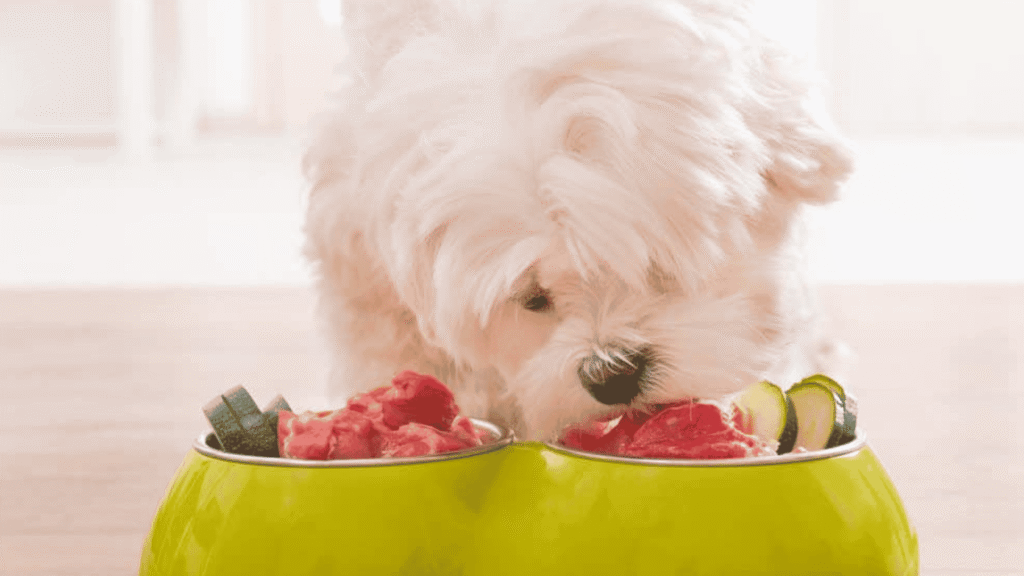
If you’ve ever looked at your dog’s plain kibble and thought, “You deserve better than this beige buffet!” you’re not alone. Mixing wet and dry dog food is a simple way to turn everyday dinners into something that looks (and smells) a bit more like a treat – without losing the balance and convenience of kibble. Think of it as giving your dog crunchy biscuits with a little gravy, instead of the same dry bowl every day. Why Mix Wet & Dry in the First Place? Mixed feeding, using both wet and dry food, gives you the best of both worlds: The trick is to mix them in a way that’s tasty, gentle on the tummy, and still balanced. Step 1: Decide Your “Base” Kibble Before you start throwing gravy around, pick a solid dry food as your base. This is the backbone of your dog’s diet, so you want something complete, balanced, and easy to portion. A great example is Wellnessnes Core, which works really well as a main kibble. It has clear feeding guidelines on the bag, so it’s easy to adjust portions when you start adding wet food, and it’s designed to be used as a complete daily diet. Not only that, choosing a grain-free kibble, high in protein, will make building their complete nutrient plate a breeze. Step 2: Swap, Don’t Stack Here’s the biggest mistake people make: they add wet food on top of the usual amount of kibble and then wonder why their dog is suddenly getting… chunkier. Instead, you’re going to swap: Think of it like changing the sauce on your pasta, not doubling the entire meal. Step 3: Pick Your Wet “Topper Style” Different wet foods give different vibes, so you can choose based on your dog’s personality and habits. For everyday meals, something like Pooch & Mutt wet dog food with chunks of meat and veg is a brilliant option. It mixes easily through kibble and has a rich smell that’s especially helpful for picky eaters or dogs who are bored of plain biscuits. You can literally see the pieces of meat and vegetables, which makes the whole bowl look more appetising. A couple of ideas for how to use it: Step 4: Introduce the Mix Slowly Dogs’ stomachs can be dramatic. Even a good change can cause chaos if you do it overnight. If you notice loose stools, gas, or vomiting, just slow things down and pull back the wet portion temporarily. Every dog has their own pace. Step 5: Tailor It to Your Dog’s Needs For Dogs Watching Their Waistline If your dog is a bit “fluffier” than the vet would like, mixed feeding can still work, you just need a sensible dry base and good portion control. This is where Eukanuba dry dog food formulated for healthy weight management comes in handy. It’s designed to support healthy weight while still being tasty enough to use as your base kibble. The clear calorie information and portion guides make it much easier to shave off some of the kibble and replace it with wet food without playing guess‑the‑portions. To keep things on track: For Sensitive Tummies Some dogs react if you even look at their food wrong. For them, the type of wet food you choose matters a lot. If your dog has a delicate stomach, stick with simple, gentle recipes and introduce new foods in tiny amounts. A teaspoon of wet food mixed into their usual dry is enough to test the waters. Give their digestive system a few days to respond before you increase the amount. If they’re on a vet‑recommended diet, always check before adding anything new, even if it’s “just a topper”. For Seniors or Tiny Breeds Older dogs and small breeds often have their own feeding quirks: fewer teeth, smaller jaws, or just a sense of drama about hard kibble. This is the perfect moment to bring in Feel Good wet dog food for seniors. You can easily mash it into smaller‑bite kibble to create a softer, more comfortable texture that’s easier on older teeth but still gives them something to chew. This is also a great choice for smaller breeds as the fat content is reduced while keeping full nutrition. You can: Morning Crunch, Evening “Treat” You don’t have to mix every single meal in the same way. A lot of owners like this simple routine: As long as the total daily amount of food stays within the feeding guidelines for your dog’s size and activity level, splitting it this way keeps things flexible while still giving your dog something to look forward to. Little Extra Tips for Mixed Feeding Bringing It All Together Mixed feeding doesn’t have to be complicated: pick a reliable dry base, choose a wet food that suits your dog’s needs, swap rather than stack portions, and introduce changes slowly. With a bit of trial and error, you’ll land on a combo that makes your dog light up at mealtimes and still keeps you in control of their nutrition. Need more similar tips? Visit our other blog to get on top of your pet parenthood Dog Essentials | Things You Need for a New Dog

Dog Care

Dog Essentials | Things You Need for a New Dog

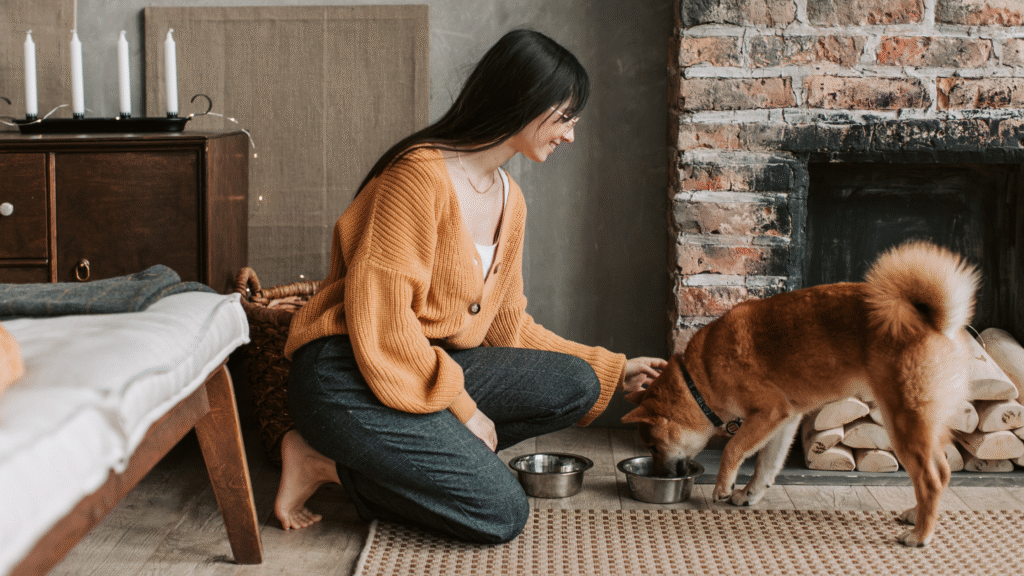
Bringing a new dog home is exciting… until you realise you now live with a tiny, unpredictable creature who thinks your shoes are a snack and 3am is a great time to party. Between the excitement and the chaos, one question comes up fast: what do you actually need? Not the 27-item “new puppy checklist” that makes you panic-buy everything online, but the essentials that genuinely make those first few weeks smoother. Here’s a simple, realistic guide to four must-haves every new dog owner should consider. A Proper Dog Bed (Not Just Your Sofa) Yes, your dog will try to claim your bed. That’s unavoidable. But giving them their own space from day one makes a big difference, especially when they’re settling into a completely new environment. A good dog bed isn’t just about comfort; it helps with routine and gives them somewhere to retreat when everything feels a bit overwhelming (which, honestly, is most of the time at the start). Look for something soft but supportive, and definitely washable. Future you will be very grateful. Calming or donut-style beds are great for dogs who love to curl up and feel secure. Harness and Lead: Save Yourself the Chaos Walking a new dog sounds calm and wholesome. In reality, it’s more like being dragged around by a small, determined creature with zero sense of direction. A harness gives you better control and avoids putting pressure on your dog’s neck, which is especially important for puppies still learning how to walk nicely. Go for something adjustable, secure, and easy to put on. If it feels like solving a puzzle every time you use it, it’s not the one for you. You’ll be doing this daily, probably while your dog is trying to lick your face, so pick wisely. Food and Water Bowls (That Don’t Go on Tour Around Your Kitchen) This feels like the most obvious item… until your dog turns dinner time into a sport. Cheap, lightweight bowls tend to slide, tip, and somehow travel across the room mid-meal. Stainless steel or non-slip bowls are a much better choice. They’re durable, hygienic, and stay where they’re supposed to. It’s a small upgrade that makes a weirdly big difference to your daily routine. Chew Toys: Because Everything Else Is Fair Game Puppies explore the world with their mouths. Unfortunately, that includes your furniture, your chargers, and that one shoe you actually liked. Chew toys give them a safe outlet for that behaviour and help with teething at the same time. Without them, they’ll just… improvise. Durable rubber toys are a solid starting point, and anything you can stuff with treats will keep them occupied for longer than five minutes. Which, honestly, feels like a win in my book. What to Actually Look For (So You Don’t Waste Money) Product Type Key Features to Look For Common Mistakes to Avoid When You’ll Notice It Matters Most Dog Bed Washable cover, supportive filling, calming shape (e.g. donut), non-slip base. Choosing style over comfort, non-washable fabrics. First few nights, nap time, settling anxiety. Harness & Lead Adjustable fit, padded straps, secure clips, simple design. Too loose/tight fit, complicated straps, using collar only. Walk training, pulling, busy outdoor areas. Food & Water Bowls Stainless steel or ceramic, non-slip base, easy to clean. Lightweight plastic, bowls that tip or slide. Feeding time (especially with fast eaters). Chew Toys Durable materials (rubber), size-appropriate, safe for teething, optional treat-fill. Toys that break easily, too small (choking risk), no variety. Teething phase, boredom, preventing damage Final Thoughts (From Someone Who’s Been There) You don’t need to get everything perfect before your dog arrives. Honestly, your dog doesn’t care if their bed matches your room or if their bowls are “aesthetic.” What they do care about is feeling safe, having something to chew, and being close to you. Start with the basics, see what your dog actually likes (because they will have opinions), and adjust as you go. You’ll figure it out! Usually right after they do something mildly chaotic that forces you to. And if in doubt? Buy the chew toy. It’s almost always the right decision.

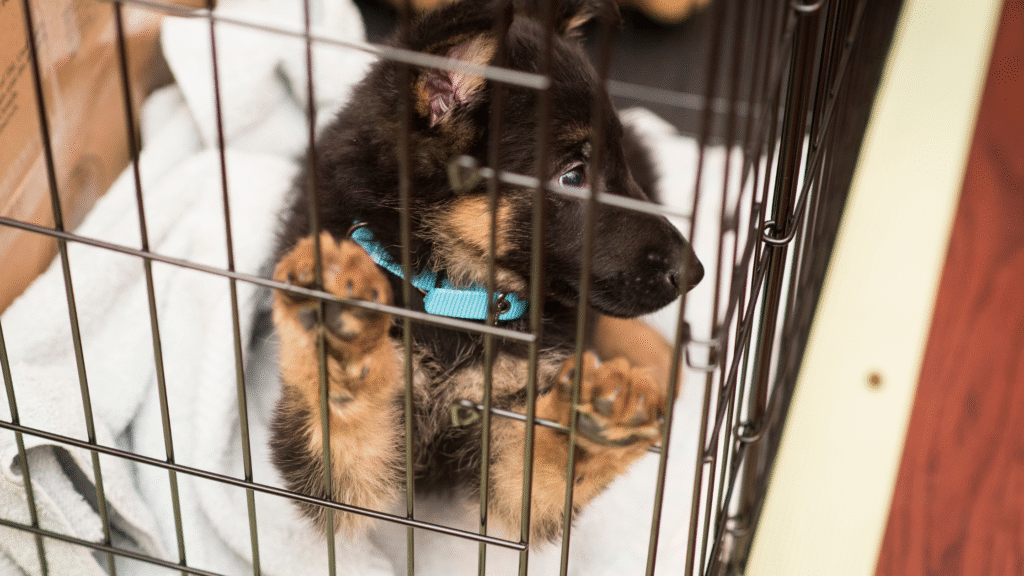
puppy inside a crate
Dog Care

Puppy Crying in Crate at Night | How to Help 

Help, my puppy won’t stop crying at night! You’ve done everything right. You’ve puppy-proofed the house, bought the cutest little crate, and set up the cosiest bedding. Still, the moment the lights go off, your new pup turns into a tiny, heartbroken siren. You’re not alone. Millions of new puppy parents go through exactly this, and the good news? It gets better, much faster than you think. Let’s break down why puppies cry at night, what vets and trainers actually recommend, and the products that can genuinely help. Why Is My Puppy Crying in the Crate? Before you can fix it, it helps to understand what kind of crying you’re hearing. Understanding which type you’re dealing with changes everything about how you respond, so it’s worth paying attention to the timing. What Vets Recommend Vets and trainers agree that helping a puppy settle comes down to addressing the root cause of their distress: The following vet-recommended strategies each target one of those needs. Mimic the Warmth of Their Littermates One of the most effective things you can do for a newly rehomed puppy is recreate the physical sensation of being close to their mum and siblings. Vets often recommend placing something warm and rhythmically soothing in the crate; a heartbeat toy is one option designed specifically for this. Recreate the Calming Signals of a Nursing Mum Vets explain that mother dogs naturally release a pheromone while nursing, called Dog-Appeasing Pheromone (DAP), that signals to puppies that they’re safe and protected. When a puppy is rehomed, that signal disappears overnight. A DAP diffuser like Adaptil releases a synthetic version of this same pheromone into the room. You plug it in near the crate and it works in the background, covering up to 700 square feet. It’s one of the more science-backed options available, and many vets recommend it as a first step for anxious settling. Give Them a Healthy Outlet for Anxiety Chewing is one of the ways dogs, especially young ones, naturally regulate stress. Vets often encourage owners to lean into this rather than discourage it. Leaving a dog-safe chew toy or a stuffed KONG in the crate at night gives your puppy something constructive to turn to if they wake up feeling unsettled. Small tip: A frozen KONG stuffed with kibble or a small amount of peanut butter works particularly well. The slow, repetitive licking action is calming, and over time it helps your puppy build a positive association with being in the crate. Reduce Environmental Disturbances Vets note that environmental noise is a common, and often overlooked, trigger for night waking in puppies who are much lighter sleepers than adult dogs. Before anything else, simply reducing noise disruption can make a real difference. A white noise machine near the crate helps mask unpredictable sounds that might startle a sleeping pup like traffic, hallway creaks, or a door closing somewhere in the house. Use Scent as a Source of Comfort Smell is a puppy’s most powerful sense, and vets frequently suggest using familiar scents to ease the transition into a new home. Lining the crate with a soft blanket and an unwashed t-shirt that carries your scent can reduce anxiety. Your smell tells your puppy they’re close to someone safe. If you’re collecting your puppy from a breeder, it’s worth asking if you can bring a small blanket to pick up the mother’s scent beforehand. For those very first nights, that familiarity can make a significant difference. What More Can You Do Building a routine can make a great difference! Here’s what my vet consistently recommends: How Long Does This Take? Most puppies adjust within 2 to 4 weeks of consistent crate training, usually settling into a solid sleep routine by around 12 to 16 weeks of age. If your puppy is still crying intensely beyond that window, it’s worth a vet visit. Persistent distress can sometimes point to an underlying issue like a urinary tract infection or tummy discomfort. The key takeaway from every vet and trainer? Consistency, patience, and making the crate feel like a safe, cosy den. Not a punishment. That’s what makes the real long-term difference. You’ve absolutely got this!

puppy eating
Dog Care

The Ultimate Beginner’s Guide to Puppy Nutrition

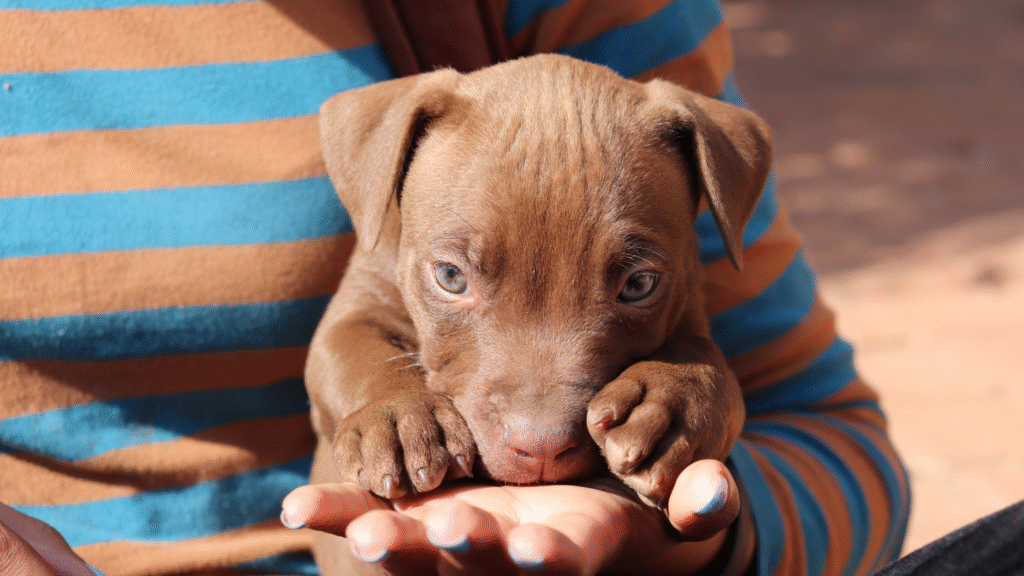
The Ultimate Beginner’s Guide to Puppy Nutrition So you’ve brought home a tiny land shark with paws. Excellent life choice. Nothing quite prepares you for how something so cute can be so… chewy, energetic, and permanently hungry. Instead of spiraling down the rabbit hole of conflicting advice, think of this as puppy nutrition for beginners in its simplest form. A few clear rules, some sensible food choices, and you’re already giving that chaos a solid foundation. This guide walks you through what actually matters in your puppy’s bowl and shares five helpful products that make feeding time feel easier, not overwhelming. What Do Puppies Actually Need? Before filling the bowl, it helps to know what’s going on inside that small, chaotic body. Puppies grow fast, which means they need more calories, protein, and certain nutrients than adult dogs. Puppy food should: Think of adult dog food as a basic meal and puppy food as the “high‑performance” version designed for building the whole system from scratch. How Often Should You Feed a Puppy? Puppies don’t just eat more; they eat more often. Their stomachs are small, and long gaps between meals can lead to upset tummies or even low blood sugar in tiny breeds. As a general starting point: Use the feeding guide on the food bag as a baseline, then adjust based on your puppy’s body condition (ribs should be easy to feel but not visible). Complete Puppy Food (Your Everyday Essential) If you want to keep puppy nutrition simple, start with good, complete dry food and build everything else around that. Think of it as your puppy’s “default setting”, the thing they eat every day that quietly does most of the work. Try puppy kibble designed for growing dogs, with protein to help build muscle and a balanced recipe to support steady, healthy growth. It’s the kind of food you can feel comfortable feeding long‑term while you figure everything else out. If your puppy is still tiny, teething, or just a bit unsure about crunchy food, you can make it more inviting. Pour a little warm, low‑salt organic chicken broth over the kibble and let it sit for around 30 seconds. It softens the pieces slightly, adds a lovely smell, and often convinces hesitant puppies that, actually, dinner is worth showing up for. Slow Feeder Bowl (For Food Vacuums) Some puppies approach mealtimes like they’re trying to set a personal best. Two bites, no chewing, and then they look offended when the food is gone. A slow feeder bowl gently slows that down without you having to hover over them. Keep an eye out for raised patterns and ridges that your puppy has to eat around, so they naturally take smaller mouthfuls and spend more time at the bowl. That extra time can really help with digestion and can reduce gulping, hiccups, and post‑dinner zoomies. It also gives them a bit of mental stimulation, turning mealtime into a mini puzzle instead of a 10‑second event. Puppy Training Treats (Tiny but Mighty) Training a puppy means you’re basically carrying a snack bar in your pocket at all times. The trick is to use treats that are small, soft, and easy to eat quickly, so you can reward good behaviour without constantly filling them up. Puppy treats are naturally small and can be broken into even tinier pieces, which is ideal when you’re working on things like toilet training, recall, or “please don’t chew that”. Your puppy gets something tasty and exciting, but you stay in control of how much they’re having over the whole day. They work best when you think of them as tiny “thank yous” for good choices, not as mini meals. A few during training, a few on walks, and the rest of their nutrition still comes from their main food bowl. Airtight Food Storage (Fresh and Safe) Once you’ve chosen a food you like, the next step is making sure it stays fresh. Open bags left in cupboards (or worse, on the floor) can lose crunch, pick up moisture, and become very interesting to a curious puppy nose. An airtight food container keeps the kibble closer to how it was when you first opened the bag: a fresher smell, better texture, and a lower chance of unwanted visitors helping themselves. It also makes it much easier to scoop out the same amount every time, which really helps when you’re trying to keep portions consistent and track your puppy’s weight. Plus, there’s something satisfying about having everything neat: bag in the bin, food in the container, scoop ready to go. One less chaotic thing in a house that now contains a baby dog. Puppy Food Topper (For Picky Eaters) Not all puppies dive straight into their bowl. Some have strong opinions. If yours is more of a food critic than a food vacuum, a simple food topper can make a big difference. A puppy topper adds extra flavour and moisture, which can help when your puppy is a little unsure about dry food or going through a fussy phase. You only need a small amount mixed through their usual kibble, enough to boost the smell and taste, without turning every meal into a rich feast. It’s especially handy during transitions, like when you’re changing foods, or they’re feeling a bit off their routine. The goal is always the same: keep their main diet based on a balanced puppy food, and use toppers as a gentle nudge to keep them interested in what’s in the bowl. FAQs About Puppy Nutrition Can I feed my puppy adult dog food? No. Puppies need food specifically formulated for growth, with higher protein, energy, and carefully balanced minerals to support developing bones and joints. Are treats bad for puppies? Treats are absolutely fine in moderation, especially for training, but they should stay as a small part of their daily intake and never replace their main balanced meals. Can puppies have human food? Some plain foods are safe in tiny amounts, but

Scroll to Top
Verified by MonsterInsights