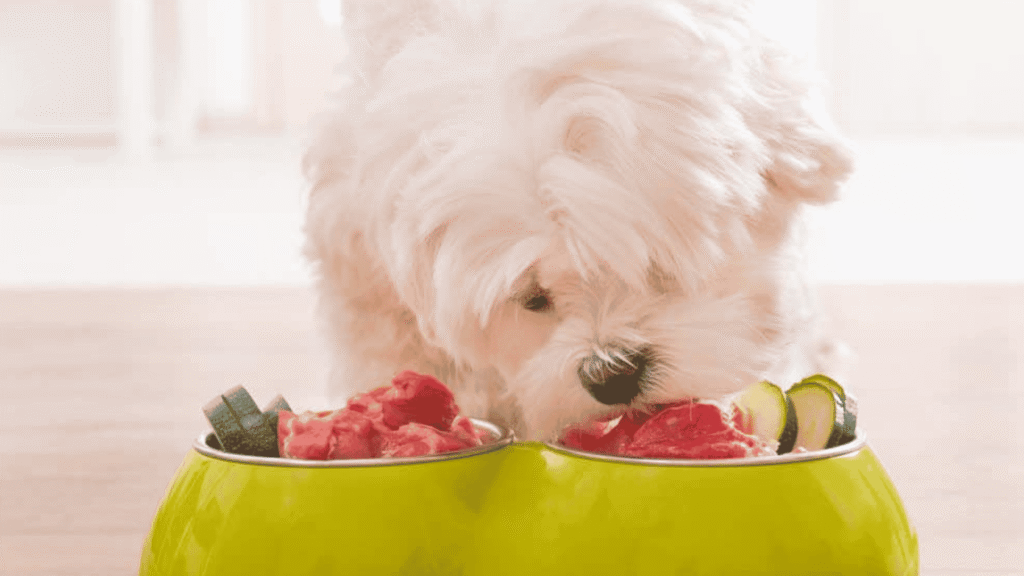
So… you’ve just adopted your first dog, your Instagram is suddenly full of “raw dog food” bowls, and now you’re wondering if kibble makes you a bad dog parent. Totally normal. Raw feeding has exploded in the UK as more owners treat pets like family and want “real food” in the bowl, not just brown biscuits.
This guide is your calm, vet‑informed starting point. No guilt, no scare tactics, just a realistic look at what raw dog food is, the pros and cons, and how to keep your dog safe if you decide to try it.
What is raw dog food, really?
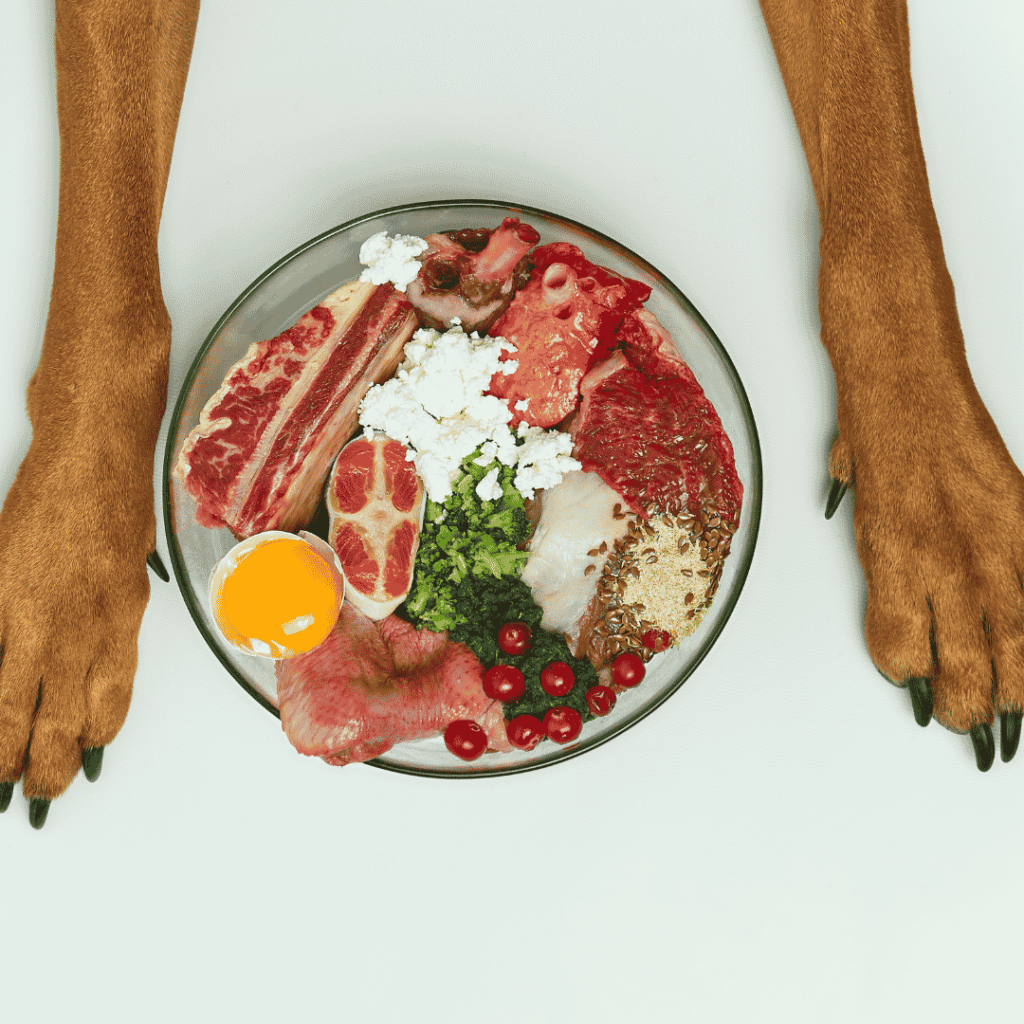
When people say raw dog food, they usually mean diets built around:
- Raw meat (chicken, beef, turkey, lamb)
- Raw edible bone
- Organ meat (liver, kidney, heart)
- Sometimes veg, fruit and supplements
In the UK, you’ll mostly see two styles:
- “Complete” raw dog food: minced, balanced tubs you defrost and serve.
- 80:10:10 diets: 80% meat, 10% bone, 10% offal, often used by more experienced feeders.
Why is everyone suddenly talking about raw dog food?
You’re not imagining it… raw dog food really is having a moment. It’s in your Insta feed, on TikTok, and popping up in every “day in the life of my dog” reel.
A big reason is that more of us are treating our dogs like actual family members. If you’re already thinking about what’s in your food, it’s natural to start side‑eyeing that bag of brown biscuits and wondering if your dog deserves something fresher. Raw bowls look like “real food”: more meat you can see, fewer mystery chunks, and that feels reassuring when you’re new to all this.
People who’ve switched to good‑quality raw dog food often say things like:
- “Her poos are smaller and don’t make me gag anymore.”
- “His coat suddenly got shiny and soft.”
- “She has energy, but not that hyper, crash‑and‑burn stuff.”
Those changes can make sense when you move from very processed diets to higher‑protein, less “filler‑heavy” ones. But, and this is the important bit, raw isn’t automatically the best choice for every dog or every household. There’s a real flip side vets want you to know about, especially if you’re juggling first‑time dog ownership and a busy UK flat or house share.
The vet view: real upsides, real risks
Think of raw dog food as one possible “upgrade path”, not a magic fix. There can be benefits, but there are also proper health risks that don’t get talked about enough on social. The trick is to look at both with your vet, not just the before/after Instagram photos.
Potential benefits (when done right)

With well‑made, complete raw dog food, you might notice:
- Happier digestion – more digestible protein and fewer starchy fillers can mean firmer, less smelly poos.
- Skin and coat that actually glow – natural fats from meat and fish can support healthy skin and that shiny‑coat look.
- Better body condition – some dogs hold a healthier weight and steadier energy on higher‑protein diets.
If you’re a new dog parent, that all sounds very “yes please”. You just want your dog to feel good and look healthy. But you also don’t want a diet that quietly creates problems behind the scenes, which is where the risks come in.
Key risks vets worry about
Most vet concerns around raw dog food fall into two big buckets:
- Bacteria and infection risk
Raw meat can carry organisms like Salmonella and Listeria. Your dog might get an upset stomach from them, but sometimes dogs carry the bacteria without looking ill at all and still shed it in their poo or saliva. That’s not ideal if you’ve got kids, pregnant friends, or anyone with a weaker immune system in and out of your home. - Nutrition balance
Dogs need certain vitamins and minerals in the right amounts over time. Poorly designed diets or DIY raw bowls can miss essentials like calcium or vitamin D, especially for growing pups. It often takes months or years for these issues to show up, so they’re easy to miss until there’s a bigger health problem.
That’s why your vet might sound a bit wary when raw dog food comes up, especially if you’re still mastering the basics: vaccines, flea and worm treatment, training, and just figuring out how much your dog should eat in the first place. The caution isn’t about judging you, it’s about keeping you out of avoidable drama.
Step‑by‑step: how a new UK dog parent can explore raw more safely
If you’ve read this far and you’re still curious (not scared off!), here’s a gentle way to dip a toe into raw dog food without feeling overwhelmed.
Step 1: Have a quick chat with your vet
Before you change anything, especially if your dog is under one year old, book a quick call or mention it at your next appointment.
You can keep it simple:
- “I’m seeing a lot about raw dog food, is it safe for my dog?”
- “If I want to try it, are there any brands you trust?”
Your vet knows your dog’s age, breed and health history, so they’re in the best position to say whether raw is a good idea right now or whether something like gently cooked, complete food might be a safer move for you as a new owner.
Step 2: Start with complete, beginner‑friendly products
If you do get the green light to explore raw, don’t feel pressured to build Pinterest‑perfect DIY bowls. As a beginner, your main priorities are balanced nutrition and clear instructions, not aesthetics.
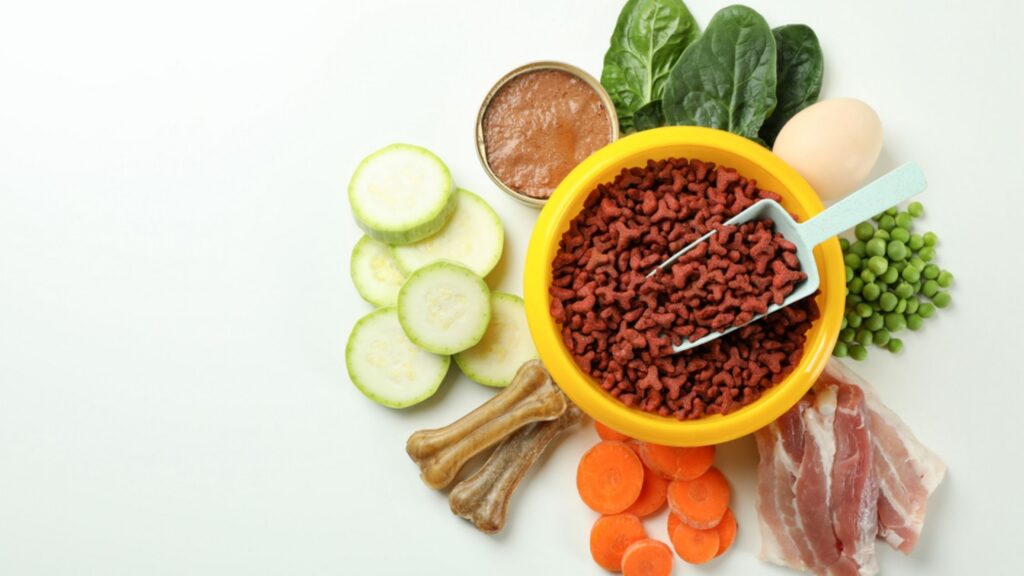
Look for UK raw dog food or freeze‑dried options that:
- Say “complete and balanced” on the pack for your dog’s life stage.
- Explain how they manage bacteria (testing, special processing, etc.).
- Include feeding guides and transition tips.
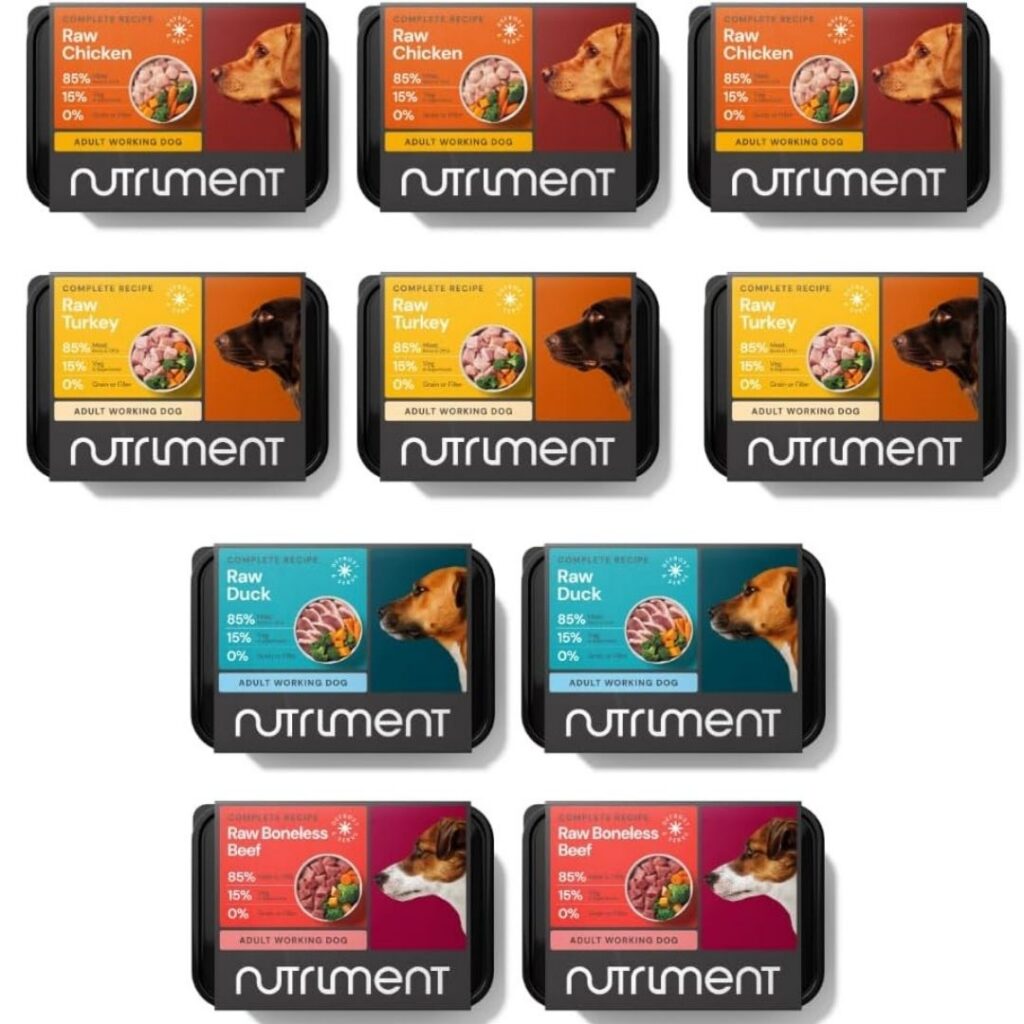
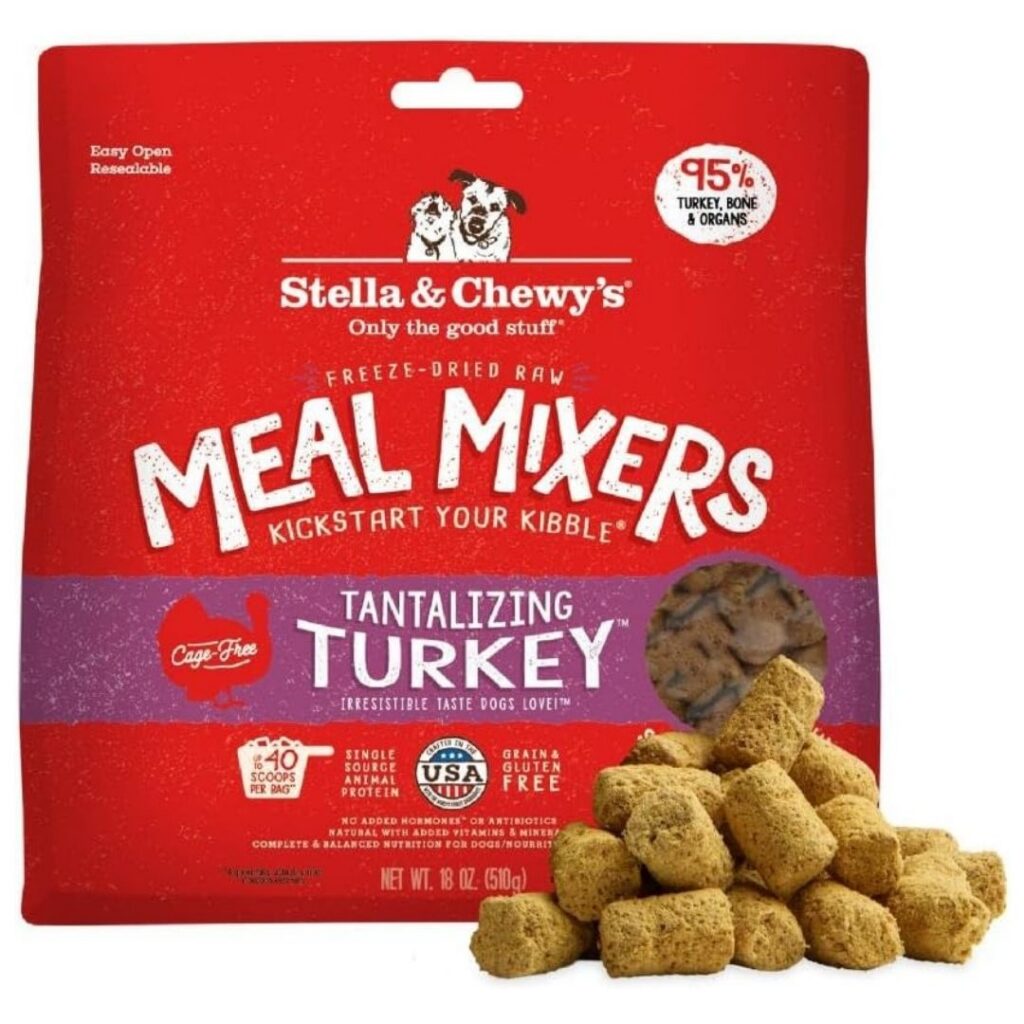
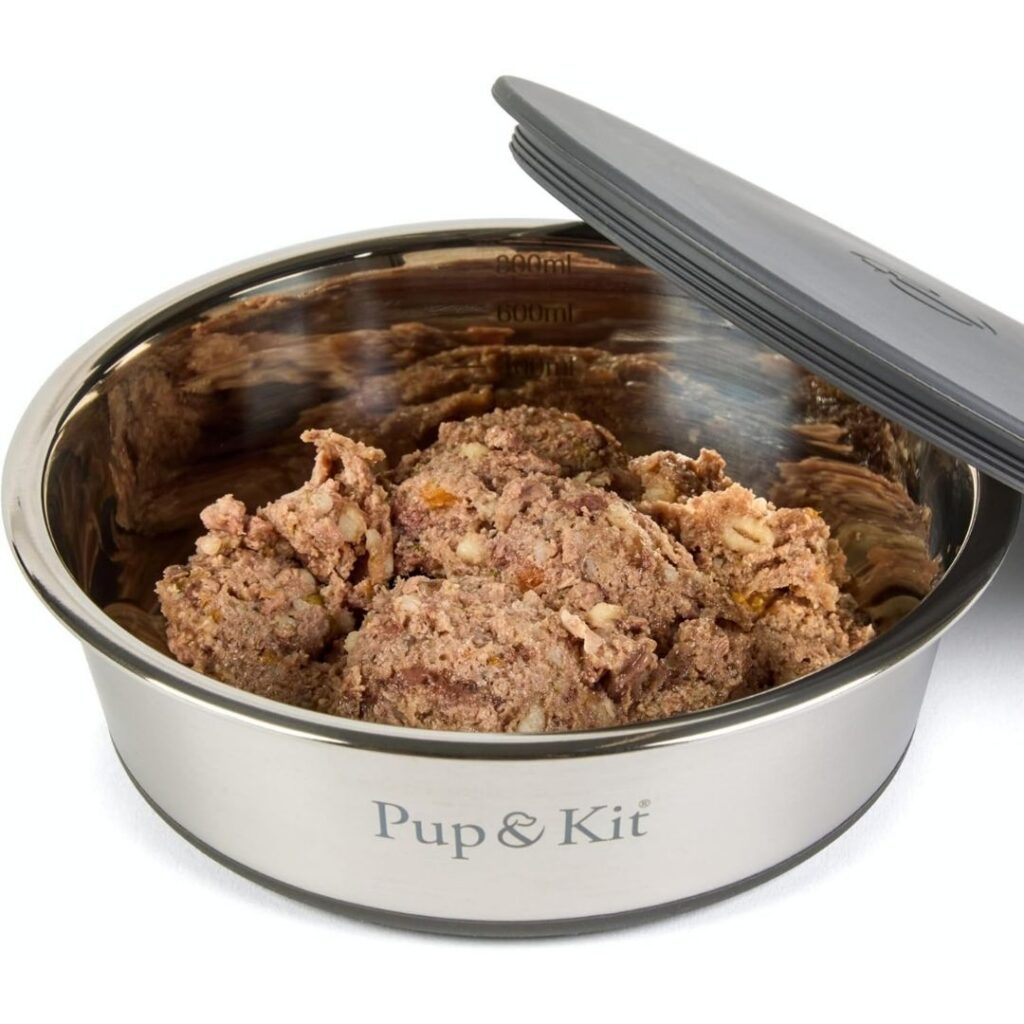
A complete raw dog food starter box – lets you test raw without committing to a freezer full of tubs.
A freeze‑dried raw option – less mess, easier to store; feels like a halfway step between kibble and full raw.
A prep and storage kit – dedicated bowls, spatula and cutting board for dog‑only food, so your kitchen feels organised, not chaotic.
Step 3: Get your kitchen hygiene game on point
This is the part TikTok rarely mentions, but it really matters. If you’re in a rented flat or sharing a kitchen, you want raw dog food to fit into your life without becoming a headache.
Common‑sense hygiene rules:
- Keep raw dog food in sealed tubs or bags and thaw it in the fridge, not on the counter.
- Wash your hands with soap after handling dog food, bowls or spoons.
- Use separate utensils and boards for pet food.
- Wipe down surfaces and the feeding area regularly.
Your little prep kit can live in one corner of the kitchen as a “dog zone”, which makes it easier to remember what’s for you and what’s for the pup.
Step 4: Transition slowly (and don’t freak out about poo)
Sudden food changes are one of the most common reasons owners ring the vet in a panic. Take it slow with any switch, raw included.
A gentle transition might look like:
- Days 1–3: 75% old food, 25% new raw food
- Days 4–6: 50/50
- Days 7–10: 25% old, 75% raw
- After that: 100% raw, if everything seems fine
You’ll probably notice changes in poo size and texture; that’s normal! What you’re watching for is worry signs: diarrhoea, vomiting, refusing food, or seeming unusually tired. If any of that pops up, pause the new diet and chat to your vet.
On top of that, your dog may poo less than it did before. That is normal also.
Quick UK‑specific notes for first‑time owners
Just a few reassuring reminders for you as a new dog parent in the UK:
- You’re not “less” of a dog parent if you don’t feed raw. There are plenty of excellent complete kibble and gently cooked options that are way easier to manage when you’re still learning.
- First‑time owners are a huge part of the UK pet landscape, and a lot of us are juggling busy jobs, flat life and budgets. The “best” diet is one that keeps your dog healthy and actually fits your reality.
- Your vet is part of your team. Diet chat doesn’t have to wait until something goes wrong, asking about food choices is exactly what they’re there for.
Raw dog food FAQs for new UK dog parents
1. Do I have to switch to raw to be a good dog parent?
Absolutely not. A high‑quality complete kibble or gently cooked diet can keep your dog just as healthy. Raw dog food is simply one option, and it comes with extra hygiene and planning that not every new owner wants (or needs) to take on.
2. Is raw dog food a bad idea if I’ve got kids or flatmates?
It can be trickier. Raw dog food means more raw meat in the house, which raises the risk of bacteria exposure. If you live with children, pregnant people or anyone with a weaker immune system, vets are usually more cautious and may steer you towards cooked diets that are easier to handle safely.
3. I’m curious but nervous — what’s the chill way to try it?
Chat to your vet, start with a small amount of complete raw or freeze‑dried food from a reputable UK brand, follow a slow transition plan, and keep hygiene tight. If at any point you feel stressed or your dog doesn’t seem right, you can just stop, go back to their previous food, and regroup. No guilt, no failure, just learning what works for your dog.
Final thoughts: you’re doing better than you think
If you’ve read all the way to the end of a post about raw dog food, that already says a lot about you as a dog parent. You care, you’re curious, and you’re willing to research before you change anything. That’s exactly what your dog needs.
Raw dog food can be amazing for some dogs and households, and a bit too stressful or risky for others. There isn’t one “perfect” answer; there’s just what works best for your pup, your kitchen, and your life. If that’s raw, great. If that’s a really good kibble or gently cooked food, also great.
The most important thing is that your dog’s diet is balanced, safe to handle in your home, and checked off by a vet who knows your dog. Everything else (trends, reels, shiny packaging) is just noise. You’re allowed to take it slow, test things, change your mind, and ask a lot of questions along the way.
Want more snack ideas that actually fit your dog’s lifestyle? Check out our guide to the Best Vegan Dog Treats in the UK for 2026
Affiliate Disclosure: This post contains Amazon affiliate links. If you purchase through these links, we may earn a small commission at no extra cost to you.