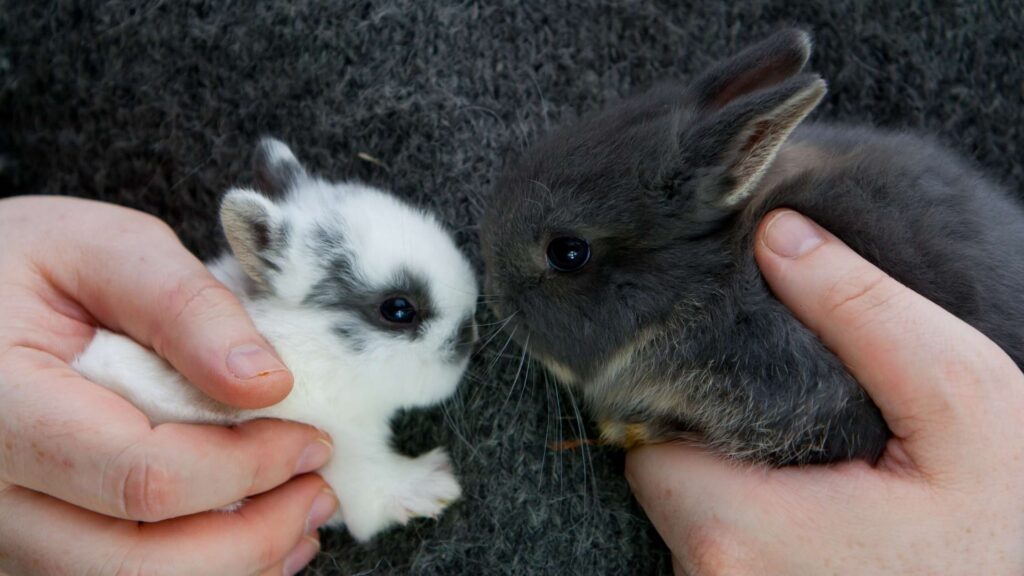
Bringing home a new rabbit feels a bit like bringing home a tiny, silent roommate who didn’t read the house rules.
They’re not quite cats, not quite hamsters, and they come with their own very specific list of “non‑negotiables.” The trick is to get a few essentials right from day one, so you’re not constantly firefighting mess, boredom or health niggles in those first few weeks.
1. A Safe Space: Enclosure And Hide
Your new rabbit’s first need isn’t a cute toy, it’s somewhere safe and roomy to live. Small hutches on their own just don’t cut it for modern rabbit welfare; they simply don’t give enough space to move, stretch and behave naturally.
New rabbits do best with:
- A generous indoor enclosure or pen (think “mini room,” not “tiny cage”).
- Enough space to hop, stretch out fully and stand up without hitting the roof.
- At least one hidey house or box so they can retreat when they’re nervous.
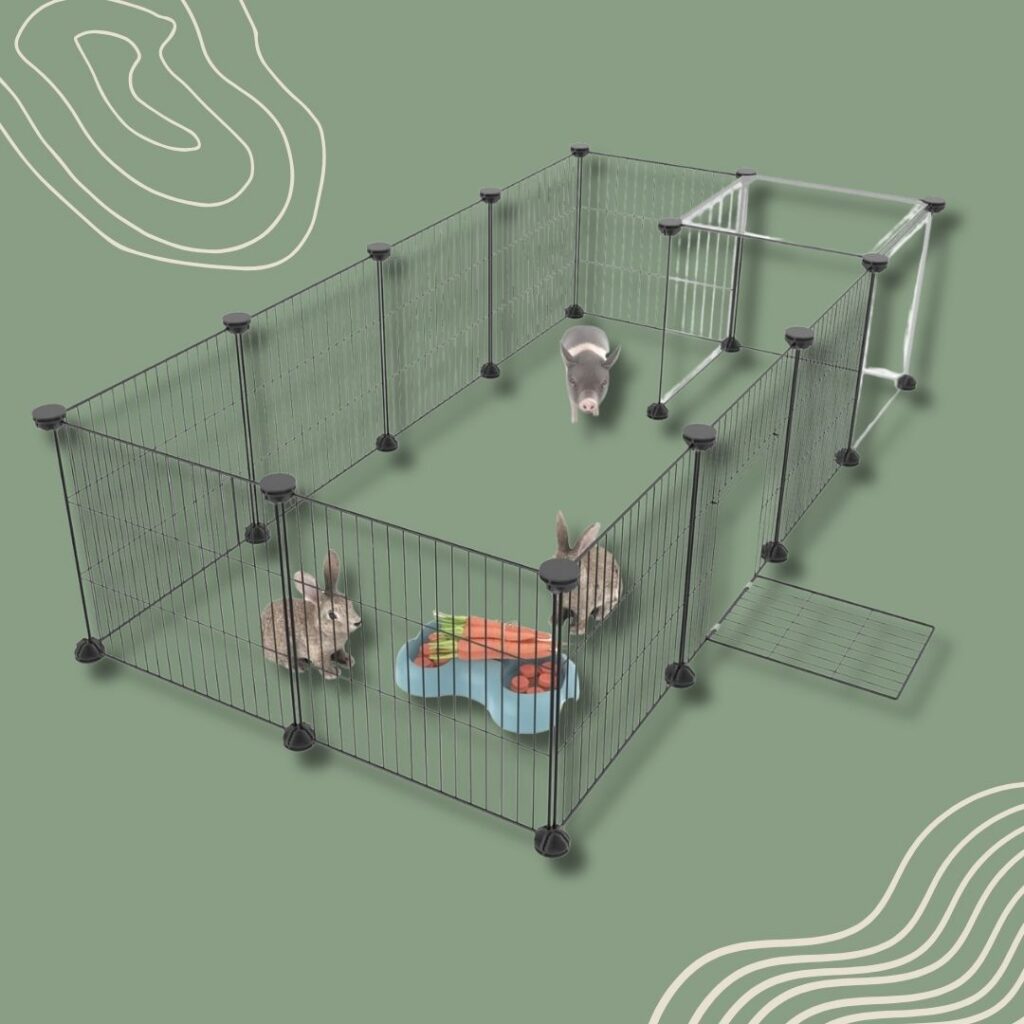
If you want something that ticks those boxes without taking over your whole living room, a foldable indoor pen like this one gives you a flexible “bunny corner” you can reshape as you learn how they use the space.
Pop a simple wooden hide or reinforced cardboard box inside, and you’ve instantly turned a bare floor into a proper little home base.
Fun fact: many UK rescues recommend a minimum of about 60 square feet of total space (enclosure plus exercise area) for a pair of rabbits, because in the wild they can travel several kilometres a day.
2. The Food Core: Hay, Pellets And A Solid Feeder
Once the “home base” is sorted, the next essential is food; specifically, constant access to hay. Rabbits are hindgut fermenters with ever‑growing teeth, so hay is both their main calorie source and their dental plan.
Most rabbit care guides agree:
- Hay should be around 80–90% of the diet (timothy or other grass hay).
- Plain, grass‑based pellets are a small add‑on, not the main meal.
- Heavy bowls or stable hay racks stop everything being tipped everywhere.
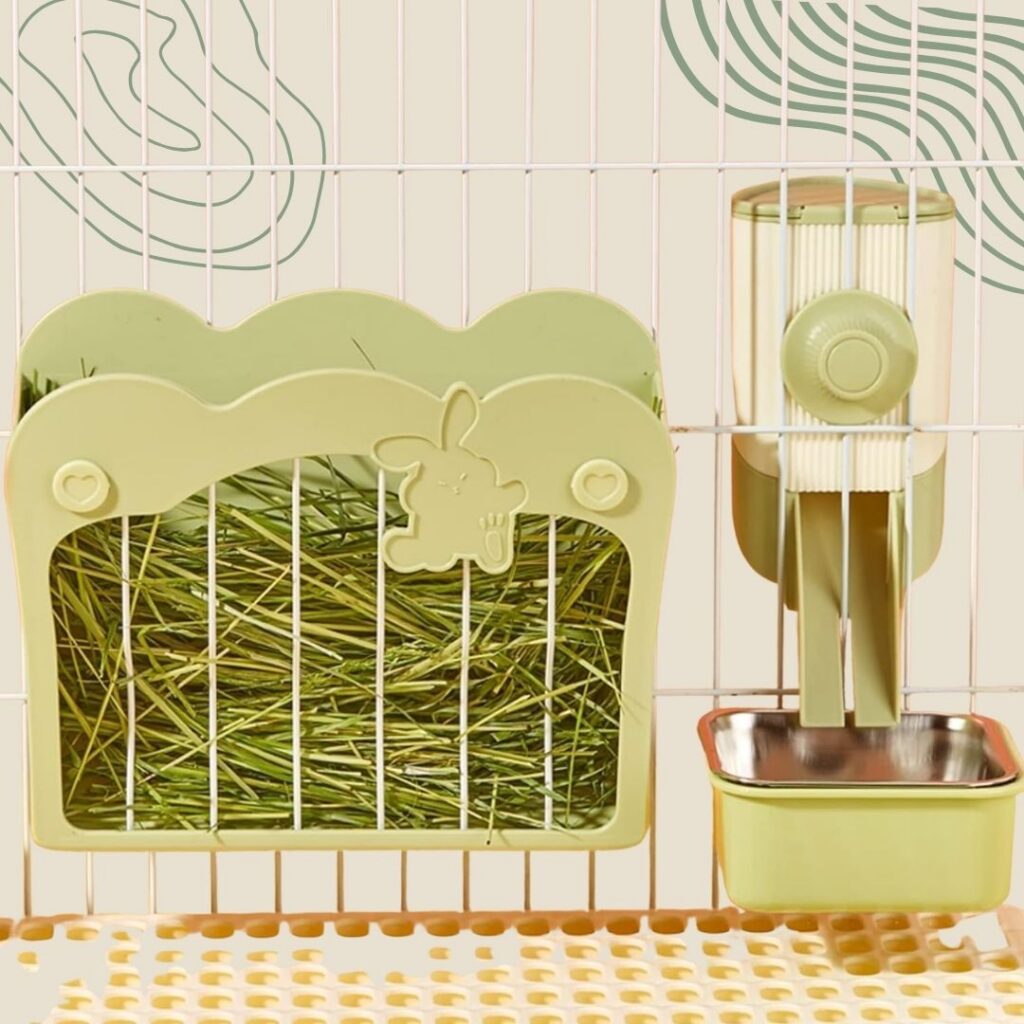
To make that easier on both of you, a combined hay rack and pellet feeder like this can be a lifesaver.
It keeps hay off the floor but easy to reach, gives pellets a fixed spot, and quietly reduces the number of times you’re sweeping up a full‑scale hay explosion every evening.
Fun fact: in a healthy gut, hay moves through a rabbit’s digestive system in about 12–24 hours! So that constant nibbling you see is literally keeping things moving.
3. Litter Box Setup: Tray, Litter And Hay
Yes, rabbits can be litter trained! And once you’ve seen how tidy a good setup can be, you’ll never go back. The key is to use rabbit‑safe materials and make the “right” spot the easiest, comfiest place to go.
For most new setups, you’ll want:
- A roomy litter tray with a low front edge for easy hopping in and out.
- Paper‑based or wood‑pellet litter (non‑clumping, unscented, dust‑low).
- A layer of fresh hay in or above the tray to tempt them to sit and chew.
A corner or rectangular litter tray that’s actually sized for rabbits (not just tiny rodents) makes a huge difference. This style gives enough space to sit, turn and munch hay comfortably while still fitting neatly into a pen corner.
Pair it with rabbit‑safe paper or wood‑pellet litter and you’ve basically set up the “bathroom” that anchors the rest of your cleaning routine.
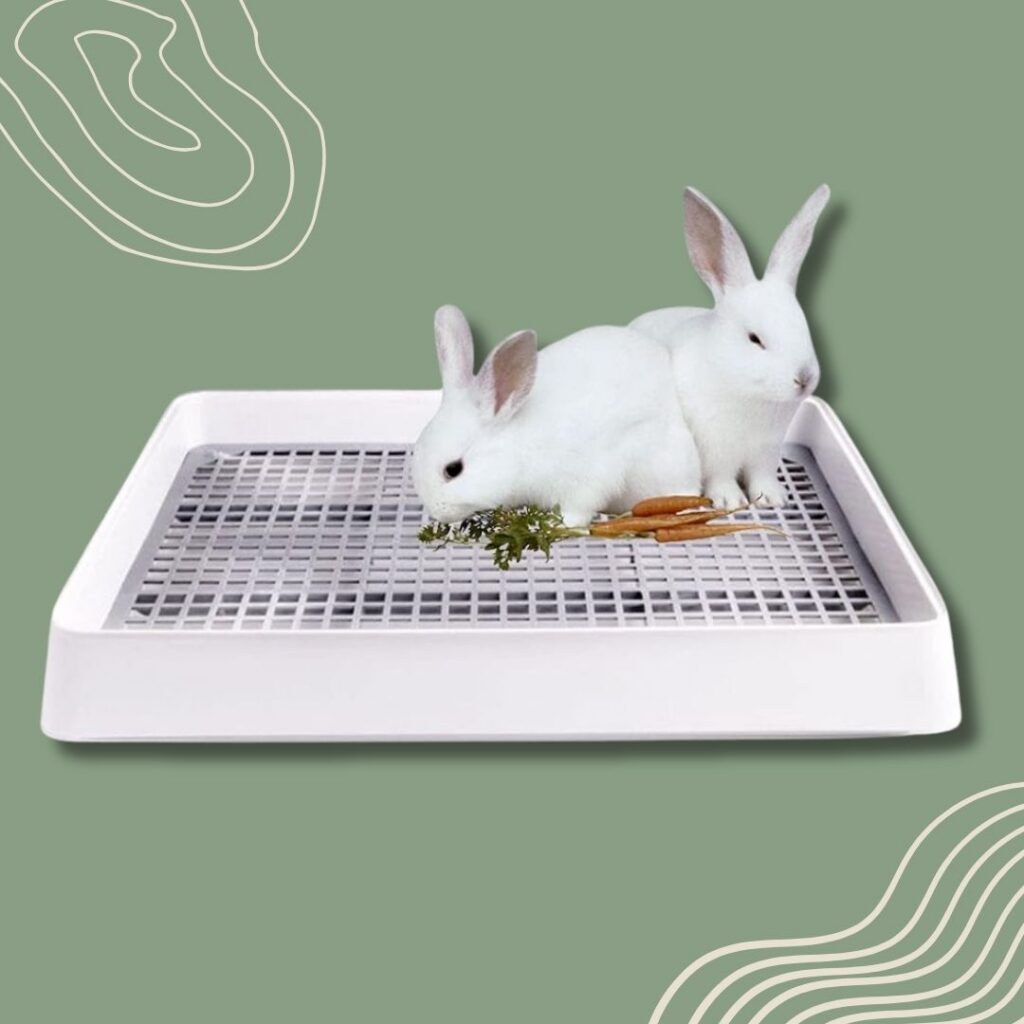
Fun fact: many experienced owners joke that rabbits “read” the litter tray as a hay buffet with a toilet attached, which is exactly why putting hay there works so well.
4. Chews, Toys And One Simple Grooming Tool
Once the basics of home, food and toilet are in place, your starter kit needs just a bit of enrichment and a touch of grooming support. Rabbits are hard‑wired to chew, dig and explore, and they shed more than most new owners expect.
To keep life sane and bunny‑friendly:
- Offer safe chew toys or untreated wood sticks to protect furniture and wires.
- Add at least one tunnel or box and a simple foraging toy to encourage digging and searching.
- Keep a soft brush or comb handy for shedding seasons, especially for medium‑ to long‑haired rabbits.
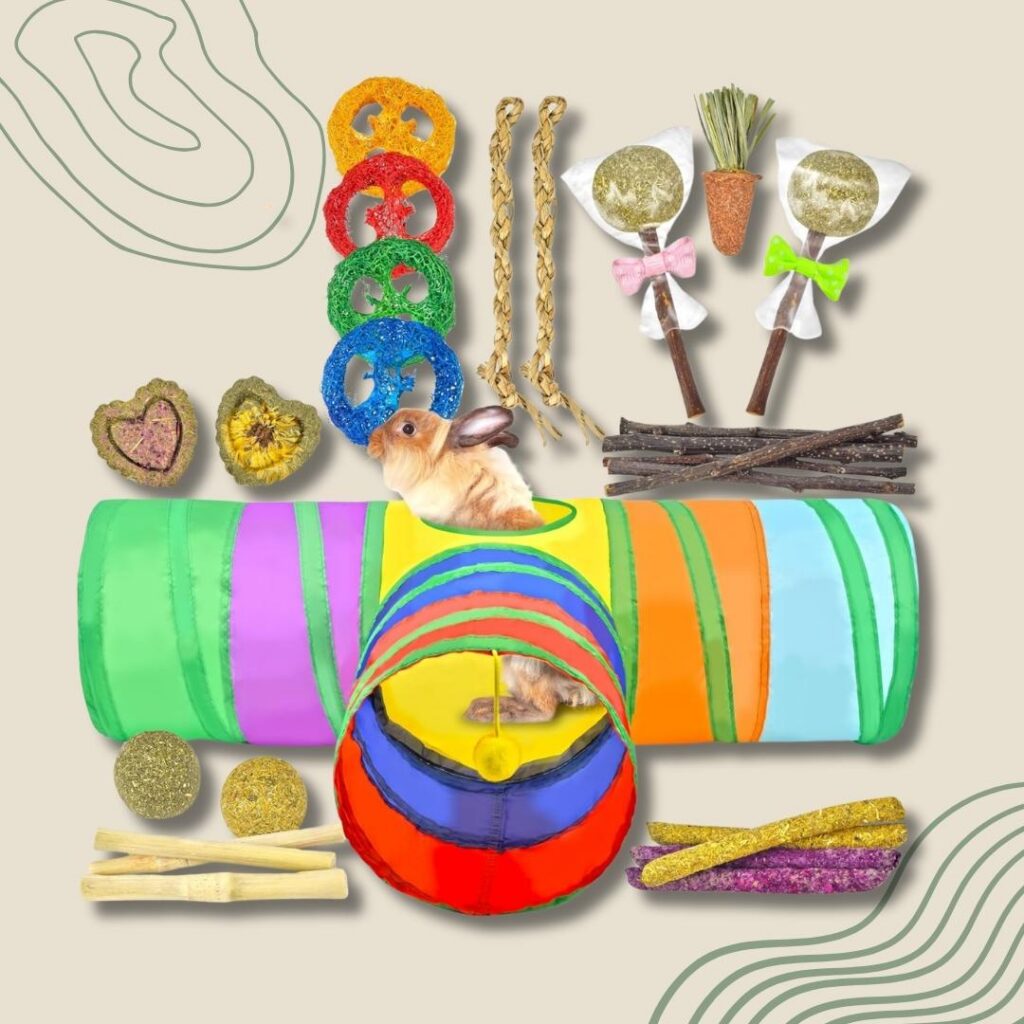
If you don’t want to overthink it, a small enrichment starter bundle that covers those “jobs” is a really easy win. This particular set gives you a mix of chews and a tunnel/hide to nibble, toss and dart through, so your rabbit has something genuinely interesting to do from day one.
Then you can add a simple rabbit‑friendly brush later, once you’ve got a feel for how much your bun sheds and how they cope with being handled.
Fun fact: behaviour specialists often recommend you cover three “jobs” with toys -something to chew, something to throw, and something to dig- because that hits most of a rabbit’s natural urges.
Start With What Rabbits Actually Care About – New Rabbit, New Life
It’s very easy to blow your budget on cute bowls and themed toys, but your rabbit will care much more about safe space, endless hay, a clear toilet corner/space and a few ways to chew, dig and hide.
If you build your starter kit around those four essentials: one solid enclosure and hide, a hay‑first feeding setup, a well‑placed litter tray, and a simple enrichment bundle you can expand with grooming tools later.
You’ll have most of the “non‑negotiable” needs covered from day one. Everything else becomes a fun upgrade rather than a frantic “oops, we forgot the important thing” purchase later.
If you’d like a bit of extra help turning that litter tray into your rabbit’s favourite bathroom spot, check out Litter training rabbits made simple even for stubborn bunnies guide that walks you through the whole process step by step.
⚠️ Affiliate Disclosure: This post contains Amazon affiliate links. If you purchase through these links, we may earn a small commission at no extra cost to you.