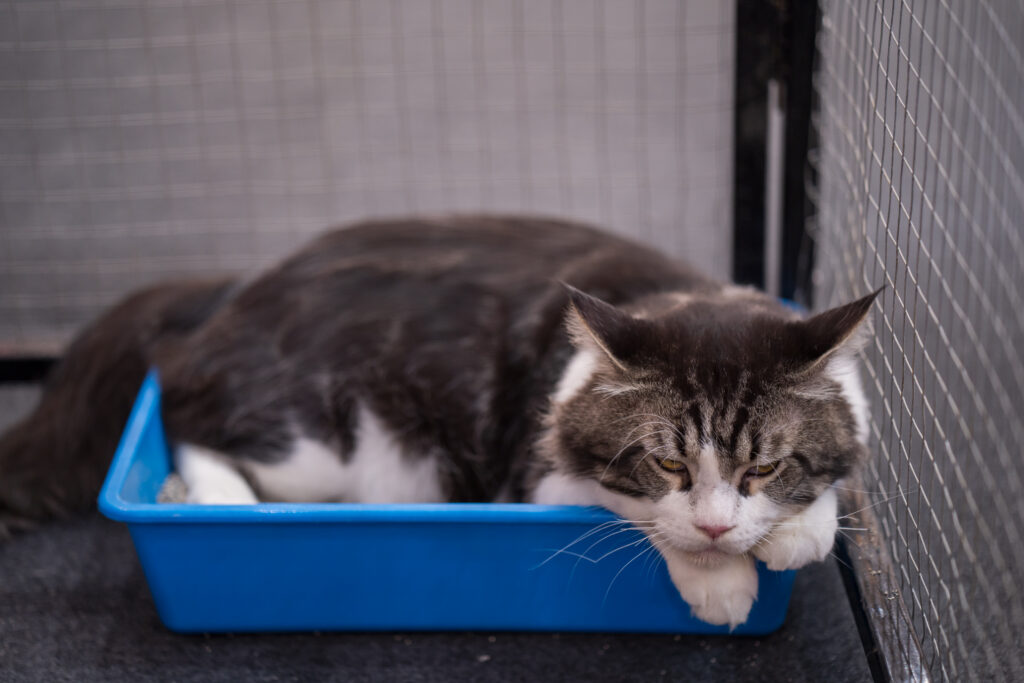
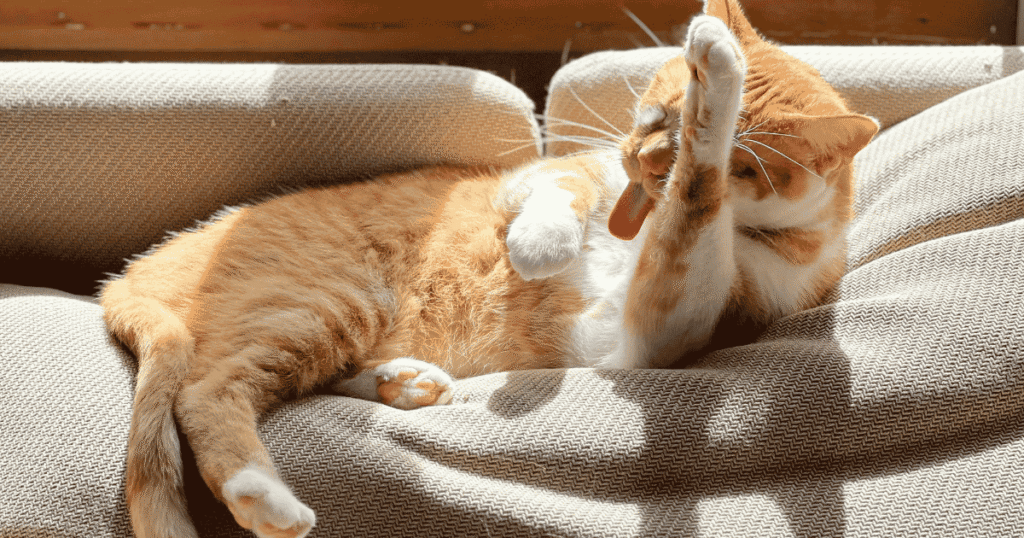
Cats are famously fastidious. Grooming isn’t a hobby for them, it’s a core part of who they are, taking up a significant chunk of their waking hours. So when a cat suddenly stops bothering, or starts looking patchy, greasy, or unkempt, it’s rarely just laziness. It’s a signal. And one of the most common and most overlooked. Cat Grooming can stop due to cat anxiety.
This guide covers why anxiety disrupts grooming, how to tell it apart from other causes, and the practical steps and products that actually help a stressed cat settle.
Why Does Self Cat Grooming Stops With Anxiety?
Grooming sits fairly low on a cat’s list of survival priorities. When a cat feels genuinely unsafe, unsettled, or under chronic stress, their body and behaviour shift into a more defensive mode, and self-care behaviours like grooming are often the first thing to be deprioritised, the feline equivalent of not having the energy to bother with your appearance when something’s seriously wrong.
There are five main reasons behind reduced or stopped grooming, and anxiety is just one of them, so it’s worth ruling the others in or out too.
😿 Anxiety and Chronic Stress
Ongoing stress basically from a new pet, a house move, building work, a change in routine, or even conflict with another cat in the household that can cause a cat to withdraw from normal self-care behaviours entirely. Chronic stress in cats is a well-documented trigger for both under-grooming and, in some cases, the opposite extreme: compulsive over-grooming to the point of bald patches.
Signs: Coat looks greasy, dull, or unkempt. Other stress signs present, such as hiding, reduced appetite, or increased vocalisation. Started around a specific household change.
Solution: Identify and address the stressor where possible, alongside environmental changes and calming support (see below).
🦴 Pain or Mobility Issues
Arthritis, dental pain, or an injury can make the physical act of grooming, twisting, stretching, reaching certain areas, genuinely uncomfortable, leading a cat to simply stop rather than push through discomfort.
Signs: Grooming has reduced gradually rather than suddenly. Cat is older, stiff, or reluctant to jump. Certain areas (typically the lower back and hindquarters) are more affected than others.
Solution: A vet check to assess joint health, dental health, and pain levels.
🩺 Underlying Illness
Conditions such as hyperthyroidism, kidney disease, or dental disease can cause cats to feel generally unwell, and grooming is often one of the first behaviours to drop off when a cat isn’t feeling like themselves.
Signs: Reduced grooming alongside weight loss, lethargy, changes in appetite, or bad breath.
Solution: A full vet check, including bloodwork if the cause isn’t obvious.
🐾 Obesity or Reduced Flexibility
Overweight cats often physically struggle to reach certain parts of their body, particularly their lower back, hindquarters, and tail base, leading to patchy grooming that has nothing to do with motivation or mood.
Signs: Dirty or matted patches concentrated on the lower back and rear. Cat is visibly overweight. Grooming is otherwise normal for reachable areas.
Solution: A vet-guided weight management plan, alongside owner-assisted grooming for hard-to-reach areas in the meantime.
🧓 Age-Related Decline
Senior cats can groom less simply due to age-related stiffness, reduced flexibility, or cognitive changes, separate from acute pain or illness, though the two often overlap.
Signs: Gradual decline in grooming alongside other signs of ageing, such as reduced activity or increased sleeping.
Solution: Regular vet check-ups and gentle owner-assisted grooming support.
Quick Diagnosis Guide
| What You’re Seeing | Likely Cause | Action |
| Coat unkempt, coincides with a household change | Anxiety/chronic stress | Reduce stressor, calming aids, environmental enrichment |
| Gradual decline, stiffness, reluctance to jump | Pain/mobility issues | Vet check for arthritis or injury |
| Weight loss, lethargy, bad breath | Underlying illness | Vet check with bloodwork |
| Patchy grooming on lower back/rear only | Obesity/reduced flexibility | Weight management plan, assisted grooming |
| Gradual decline in senior cat | Age-related | Vet check, gentle assisted grooming |
| Bald patches from excessive licking | Compulsive over-grooming (stress-related) | Vet check to rule out skin issues, then stress management |
How to Tell if Anxiety Is the Cause for Cat Grooming to Stop: Step-by-Step
What to look for:
- Timing (did it start around a specific change or event?)
- Other stress behaviours occurring alongside reduced grooming
- Whether the cat is otherwise eating, drinking, and behaving normally
- Any physical signs that might point to pain or illness instead
Step 1: Rule out physical causes first
Before assuming anxiety, a vet check is the right first step, particularly if your cat is a senior, overweight, or the change has been gradual rather than sudden. Pain, illness, and mobility issues can look very similar to anxiety-driven grooming changes on the surface.
Step 2: Look for a timing pattern
Anxiety-driven grooming changes often line up with an identifiable trigger, a new pet, a move, a visitor staying, building work, a change in your work schedule, or even new furniture. If the timing fits, stress is a strong candidate.
Step 3: Check for other stress signals
Cats experiencing anxiety often show more than one sign at once like hiding more than usual, reduced appetite, increased vocalisation, urinating outside the litter tray, or increased clinginess. The more of these present alongside reduced grooming, the more likely anxiety is the driver.
Step 4: Identify and reduce the stressor where possible
If you can pinpoint the trigger, reducing its impact, giving a new pet a slower, more gradual introduction, creating a quiet retreat space during building work, maintaining routine during a house move and often resolves the grooming issue as the underlying stress eases.
Step 5: Add environmental enrichment and safe spaces
Vertical space, hiding spots, and predictable routines all help anxious cats feel more secure. A cat that feels safe is far more likely to resume normal self-care behaviours.
Step 6: Consider calming support
Pheromone diffusers, calming supplements, and enrichment toys can all support a cat through a stressful period, particularly when paired with addressing the root cause rather than used alone.
Step 7: Give it time, and step in with gentle grooming support
Behavioural improvements typically take a few weeks. In the meantime, gentle, brief grooming sessions with a soft brush help keep the coat in reasonable condition without adding further stress.
What NOT to Do about Cat Grooming Habit
🚫 Don’t force grooming sessions on a stressed cat: Holding or restraining an anxious cat to brush them can add to their stress rather than help, making them warier of handling in future.
🚫 Don’t assume it’s “just behavioural” without a vet check: Pain, illness, and obesity can all look identical to anxiety-driven grooming changes on the surface, and ruling these out first avoids months of addressing the wrong problem.
🚫 Don’t punish or scold a cat for looking unkempt: This adds stress on top of whatever is already driving the behaviour and can damage trust.
🚫 Don’t ignore sudden bald patches or excessive licking: This can indicate compulsive over-grooming, which is also often stress-related but needs a different approach than under-grooming, plus a vet check to rule out skin conditions or allergies.
🚫 Don’t introduce multiple environmental changes at once while trying to reduce stress: Introducing a calming diffuser, new toys, a new litter tray, and rearranged furniture all at the same time can itself become an additional stressor for an anxious cat.
The Best Amazon UK Products for Cat Grooming Anxiety
1. Feliway Optimum Cat Calming Diffuser Kit
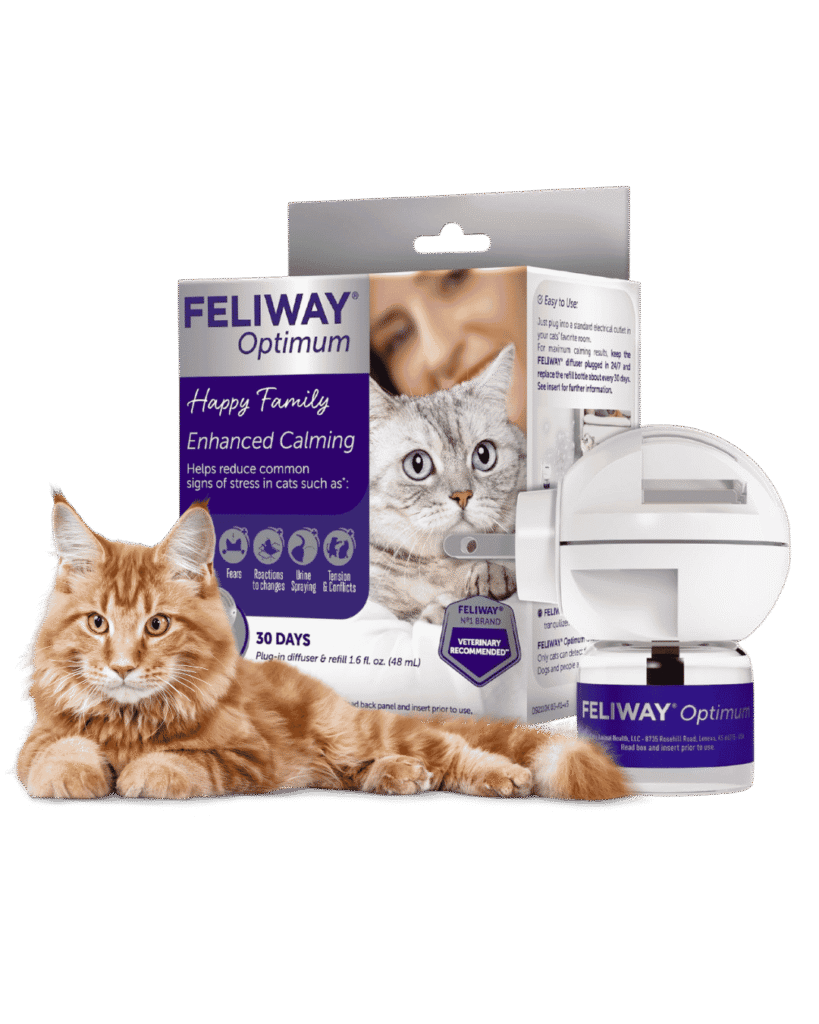
Feliway is the most established name in feline pheromone products, and Optimum is its most advanced formula, using an enhanced pheromone complex aimed at a broader range of stress behaviours than the original Classic diffuser. It’s non-sedating and safe around cats, kittens, and other pets.
Best for: General anxiety, household changes, multi-cat tension
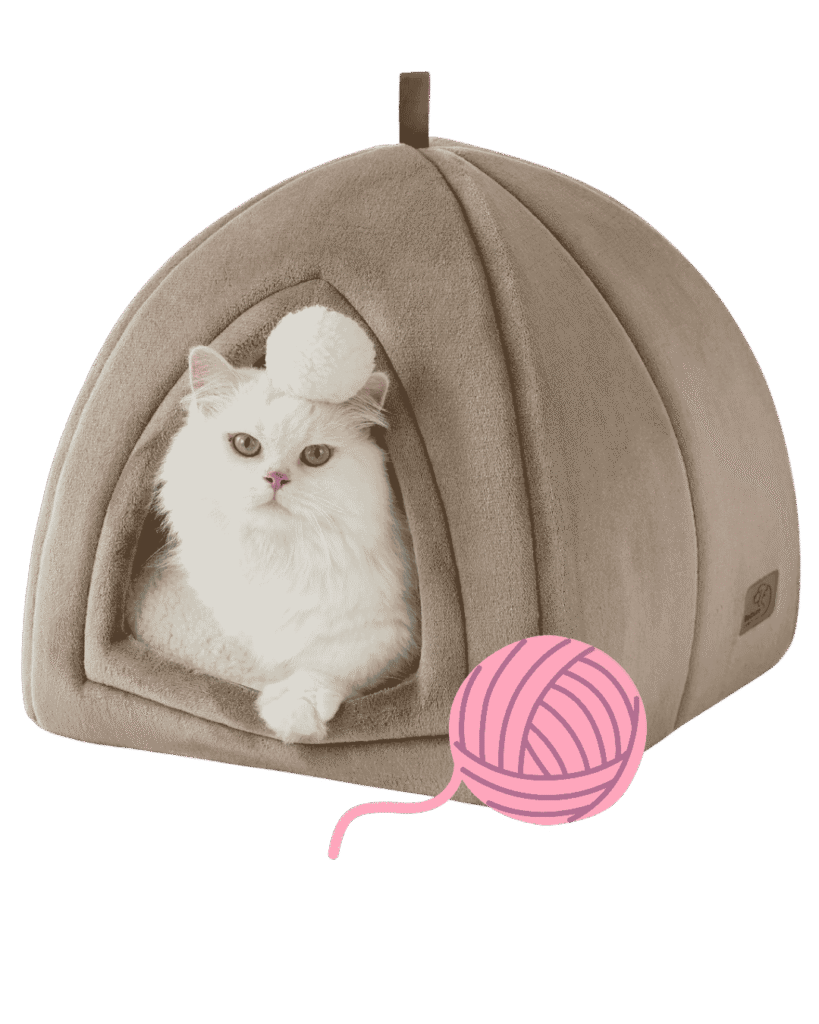
2. Bedsure Cat Cave Bed – Flannel Hooded Igloo House
A genuinely enclosed den gives an anxious cat a real retreat spot, with a soft flannel hood, a removable washable cushion, and a dangling toy ball for gentle enrichment alongside the hiding space.
Best for: Cats hiding more than usual, multi-pet households, recent house moves
3. Zylkene Calming Capsules (75mg) for Cats
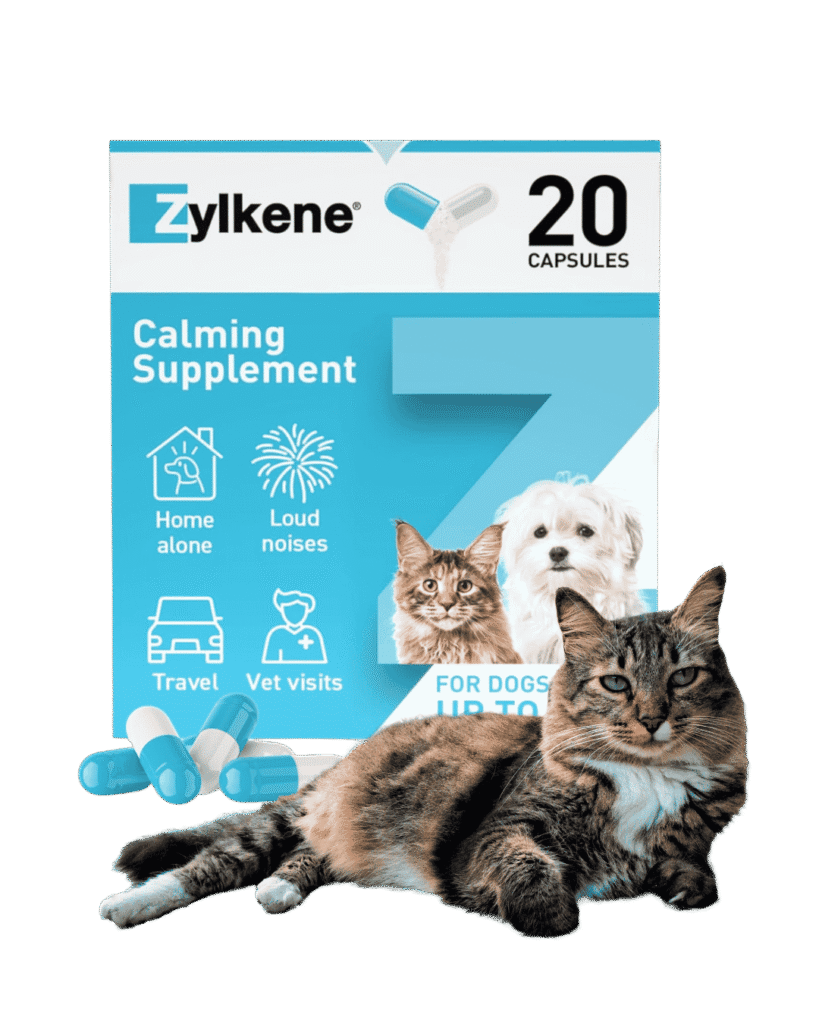
Zylkene is the UK’s best-known calming supplement, built around alpha-casozepine, a milk-derived protein with genuine calming action. Sprinkled onto food, non-drowsy, commonly recommended by vets.
Best for: Situational stress, travel, known trigger events
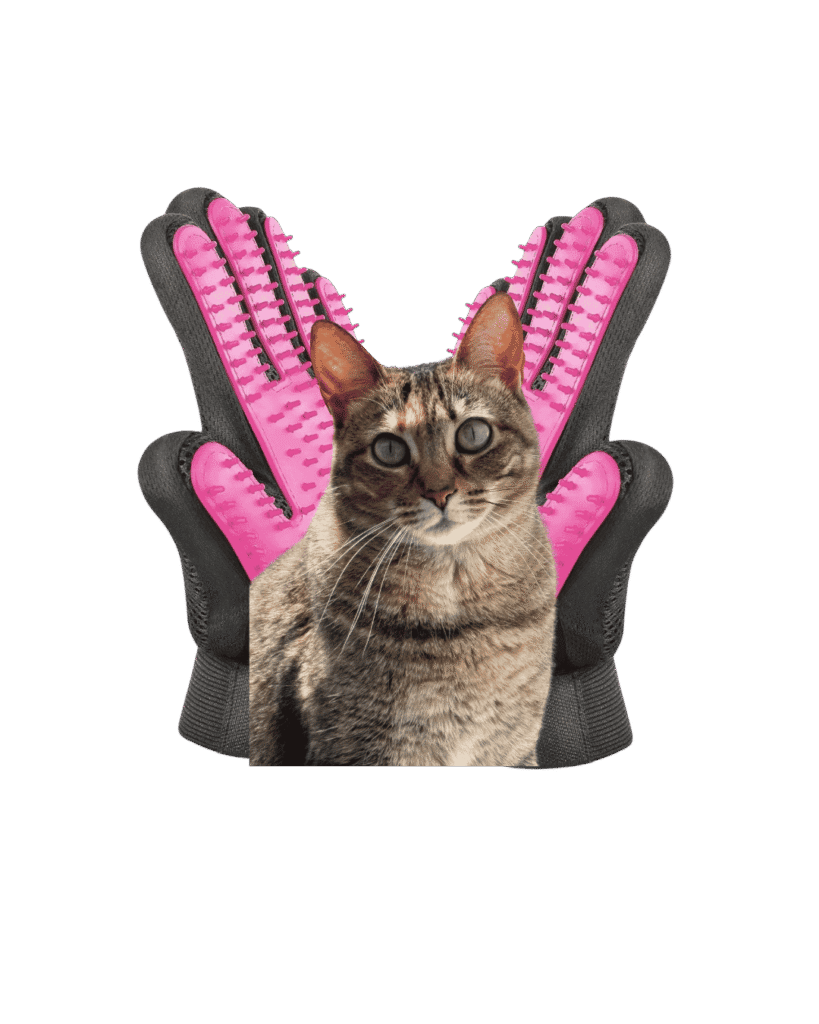
4. BYETOO Pet Grooming Glove
A well-reviewed budget favourite, with 261 soft silicone tips designed to feel like petting rather than brushing. Owners consistently note that cats who normally run from a brush will sit still for this, making it a good low-stress option during a behavioural recovery period. Works wet or dry.
Best for: Supporting coat condition during behavioural recovery
5. Feandrea Multi-Level Cat Tree with Caves and Hammock (206cm)
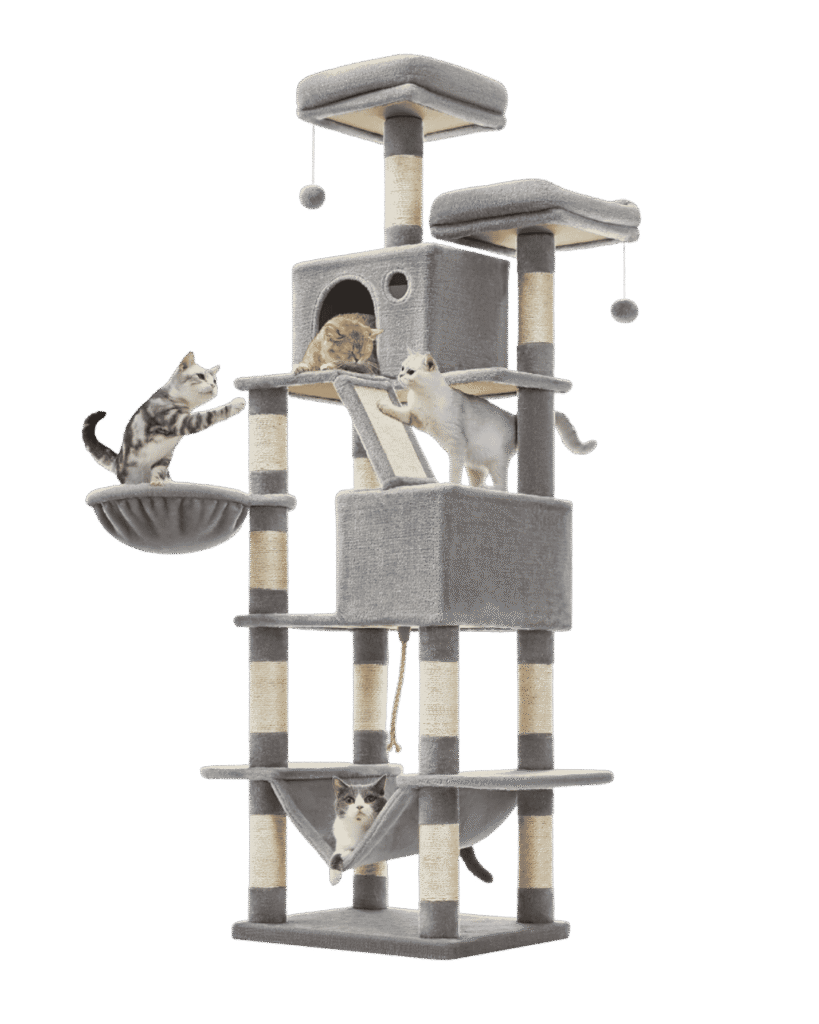
Consistently the top-rated brand in this category on Amazon UK. Combines multiple sisal-wrapped scratching posts, two enclosed caves, and a hammock in one unit.
Best for: General enrichment, multi-cat households, territorial stress
Amazon UK Cat Grooming Anxiety Kit: Quick Reference Table
| Product | What It’s For | Best Suited To | Direct Link |
| Feliway Optimum Diffuser Kit | Ongoing environmental calming | General anxiety, household changes | View Here |
| Bedsure Cat Cave Bed | Safe retreat space | Hiding, multi-pet tension | View Here |
| Zylkene 75mg Calming Capsules | Short-term situational stress | Moves, vet visits, known triggers | View Here |
| BYETOO Pet Grooming Glove | Low-stress coat maintenance | Supporting grooming during recovery | View Here |
| Feandrea Multi-Level Cat Tree | Vertical space + hiding spot | General enrichment, territorial stress | View Here |
Long-Term Tips to Reduce Anxiety Affecting Cat Grooming
🏡 Keep routines predictable: Consistent feeding, play, and quiet times help anxious cats feel more secure, since unpredictability is itself a stressor for many cats.
🐾 Introduce changes gradually: New pets, furniture, or household members should be introduced slowly, giving your cat time to adjust rather than facing sudden change.
🧗 Provide vertical space and hiding spots throughout the home: Not just in one room. Anxious cats benefit from having safe retreat options in multiple areas.
🩺 Book regular vet check-ups: Since pain and illness can both mimic and worsen anxiety-driven behaviour, ruling these out early makes behavioural work far more effective.
🧠 Watch for patterns, not just single incidents: A cat that hides once after a loud noise is having a normal reaction; a cat that has stopped grooming, is hiding consistently, and has gone off their food over several weeks is showing a pattern worth addressing directly.
FAQs: Anxiety and Cat Grooming
Q: How do I know if my cat’s lack of grooming is anxiety and not illness?
You generally can’t be fully certain without a vet check, since pain and illness can look very similar to anxiety-driven grooming changes. A vet visit rules out physical causes first, after which timing (did it start around a stressful event?) and other stress behaviours help point toward anxiety as the cause.
Q: What are the most common signs of cat anxiety?
Alongside reduced grooming, common signs include hiding more than usual, reduced appetite, increased vocalisation, urinating outside the litter tray, increased clinginess, or in some cases the opposite of under-grooming, compulsive over-grooming to the point of bald patches.
Q: Can a stressful house move really cause my cat to stop grooming?
Yes. House moves are one of the most commonly reported triggers for anxiety-driven behaviour changes in cats, including reduced grooming, due to the sudden loss of a familiar territory and routine.
Q: Will a pheromone diffuser actually help my cat’s anxiety?
Pheromone diffusers are widely used and recommended by vets as a supportive tool for reducing stress-related behaviours, though they tend to work best alongside , not instead of, addressing the underlying cause of the stress.
Q: Should I brush my cat myself if they’ve stopped grooming due to anxiety?
Gentle, brief sessions with a soft brush can help maintain coat condition without adding further stress, but forcing or restraining an already anxious cat to groom them can make things worse. Stop if your cat shows clear signs of distress.
Q: How long does it take for a cat to resume normal grooming once the anxiety resolves?
This varies by cat and situation, but most owners see gradual improvement within a few weeks once the underlying stressor is addressed or reduced, alongside consistent routine and environmental support.
When to See a Vet about Cat Grooming
Reduced grooming is worth a vet visit if:
- The change has been sudden, or grooming has stopped almost entirely
- Your cat is a senior, overweight, or shows any signs of stiffness or reluctance to move
- There’s weight loss, lethargy, bad breath, or changes in appetite alongside reduced grooming
- You notice bald patches, red or irritated skin, or signs of excessive licking rather than under-grooming
- Other stress behaviours (hiding, litter tray avoidance, reduced appetite) are also present and don’t improve within a few weeks of addressing likely triggers
Final Thoughts on Cat Grooming and Anxiety
A cat that’s stopped grooming is telling you something, even if it takes a bit of detective work to figure out exactly what. Anxiety is one of the most common and most fixable causes, but it’s worth ruling out pain, illness, obesity, and age-related decline first, since they can look remarkably similar on the surface. Once you’ve identified anxiety as the driver, addressing the underlying stressor, adding calming support, and giving your cat time and a sense of security usually gets self-grooming back on track.
Our top picks? A calming pheromone diffuser as a first, low-effort step for most anxious cats, paired with a covered bed or den space so they have somewhere to genuinely retreat to. If grooming hasn’t improved within a few weeks of addressing likely triggers, a vet visit is the right next step.
Looking for more cat behaviour advice? Read our guide on why are cats anxious blog, or browse our full cat health and behaviour section on FetchStop.
⚠️ Affiliate Disclosure: This post contains Amazon affiliate links. If you purchase through these links, we may earn a small commission at no extra cost to you.