
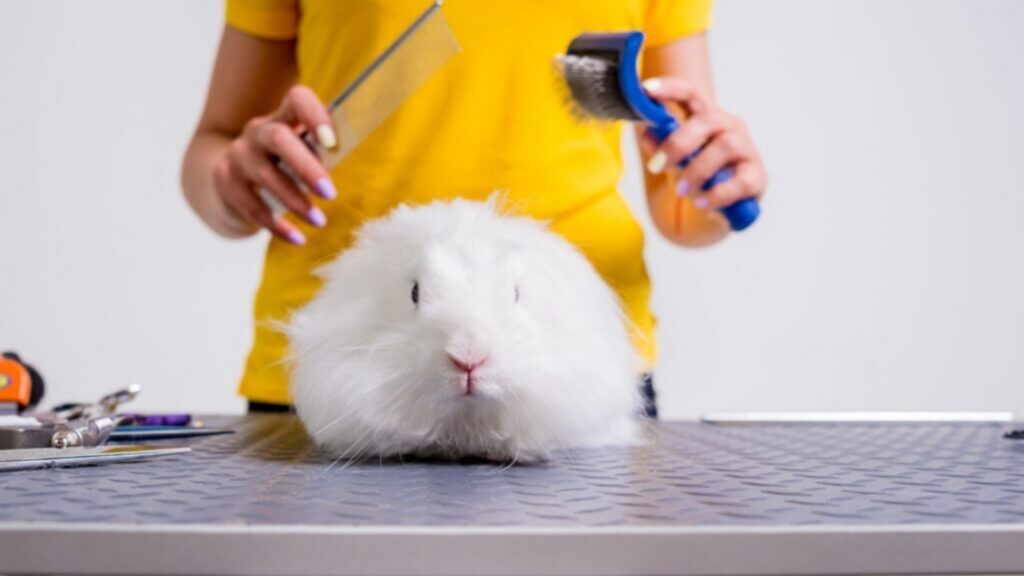
Rabbits look like low‑maintenance fluff balls, but their coats and skin are secretly a whole project. They can’t vomit, so when they swallow loose fur it has to move through the gut. If hey ingest too much, that’s when we start worrying about blockages and stasis. A simple, well‑chosen rabbit grooming kit makes shedding easier on both of you: less loose fur floating around, fewer mats, cleaner bottoms, and a chance to catch little health issues (like sore skin or overgrown nails) before they turn into big ones.
Step One: Choose The Right Brush For Your Rabbit’s Coat
The “best brush” really depends on who you’ve got in front of you, a smooth‑coated bun sheds very differently from a lionhead or angora.
For short‑haired rabbits (most mixed‑breeds, Rex, Dutch, etc.):
- A soft‑bristle or slicker brush for regular grooming.
- A fine comb or flea comb to catch loose undercoat, especially during heavy moults.
For long‑haired rabbits (lionhead, angora, woolly mixes):
- A wide‑tooth comb for the first pass through thicker fur.
- A finer comb or flea comb to work closer to the skin and prevent mats.
- Daily grooming or even clipping is often needed to stop painful tangles.
You want tools that reach the undercoat without scratching delicate skin, which is why rabbit people love combs and slicker brushes more than big, harsh “deshedding” tools built for dogs.
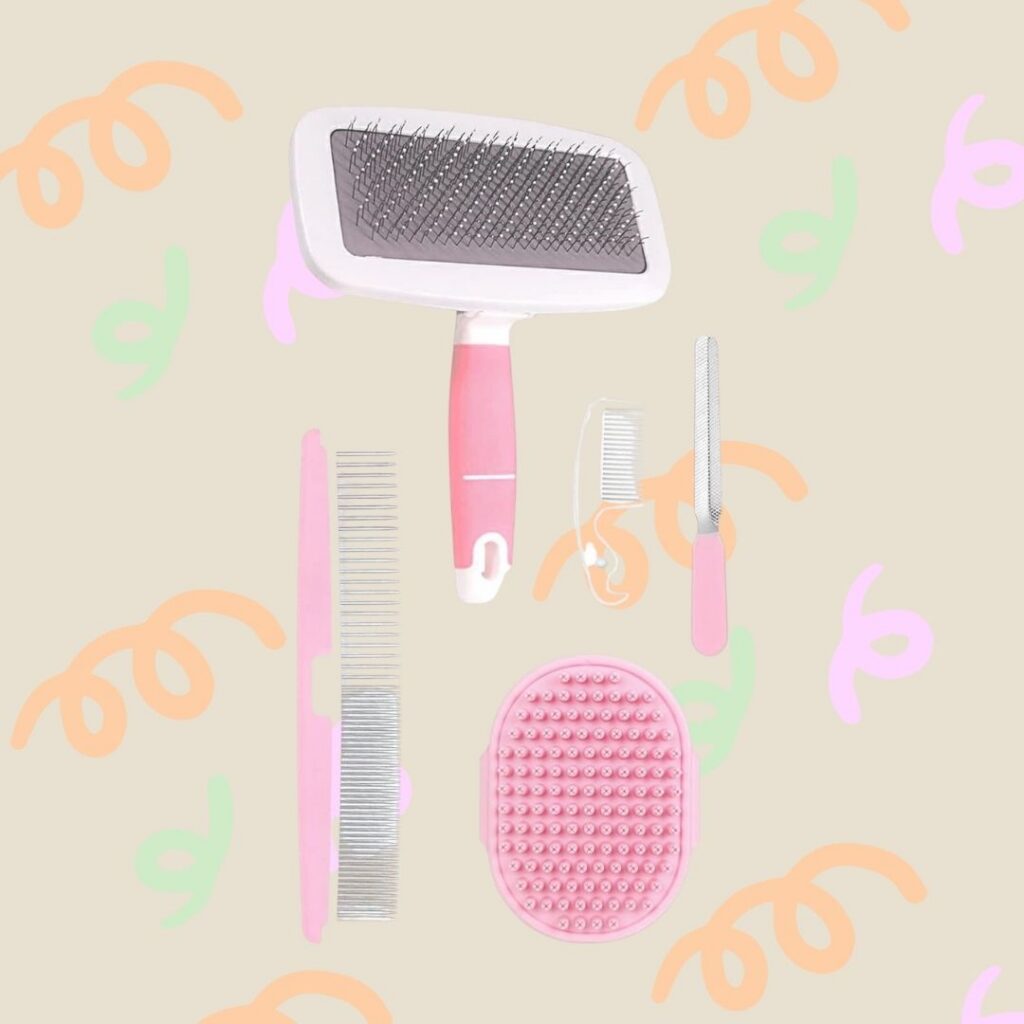
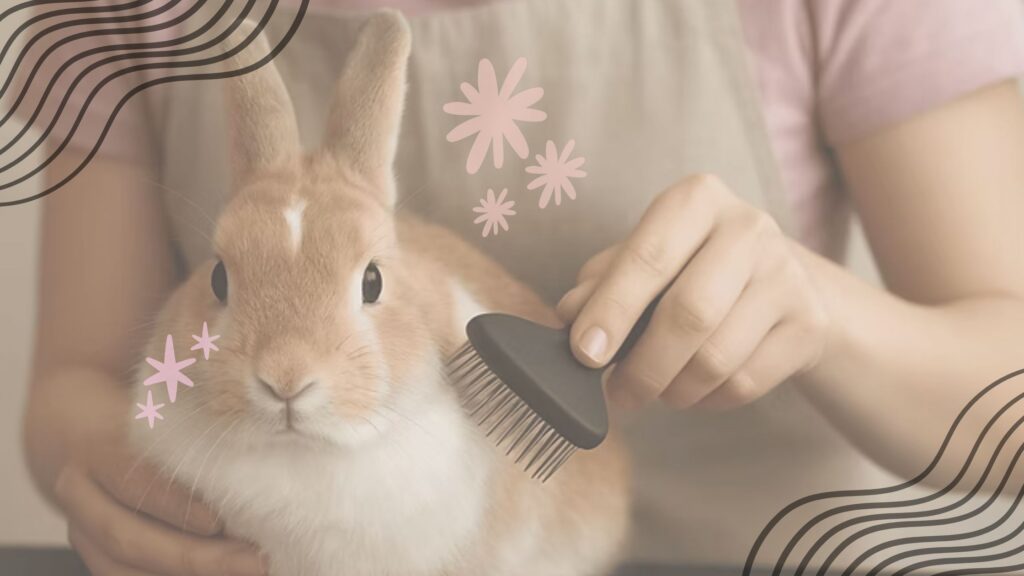
If you want one simple set that works for most pet rabbits, this brush and comb combo is a really nice place to start.
The slicker‑style brush helps lift out loose undercoat without being brutally harsh, and the matching comb lets you go back in and catch any sneaky tangles hiding underneath.
It’s the sort of kit you can reach for once or twice a week on short‑haired buns, or almost daily on fluffier rabbits, without feeling like you’re fighting your tools every time.
Step Two: Add Safe Tools For Mats And Tricky Fur
Even with good brushing, most rabbits eventually get a tangle behind the ears, around the bum, or under the armpits. Especially if they’re long‑haired or older and not grooming themselves as well.
Vets and rabbit rescues generally recommend:
- Rounded‑tip scissors or a dedicated mat splitter for stubborn clumps.
- Always keeping a comb between the skin and scissors so you’re cutting fur, not bunny. Rabbit skin tears incredibly easily!
- Never pulling hard on mats; tease gently or trim in small sections to avoid hurting them.
For very long‑haired rabbits, some guardians choose to have them clipped regularly (by a vet nurse or experienced groomer) rather than fighting mats every day.
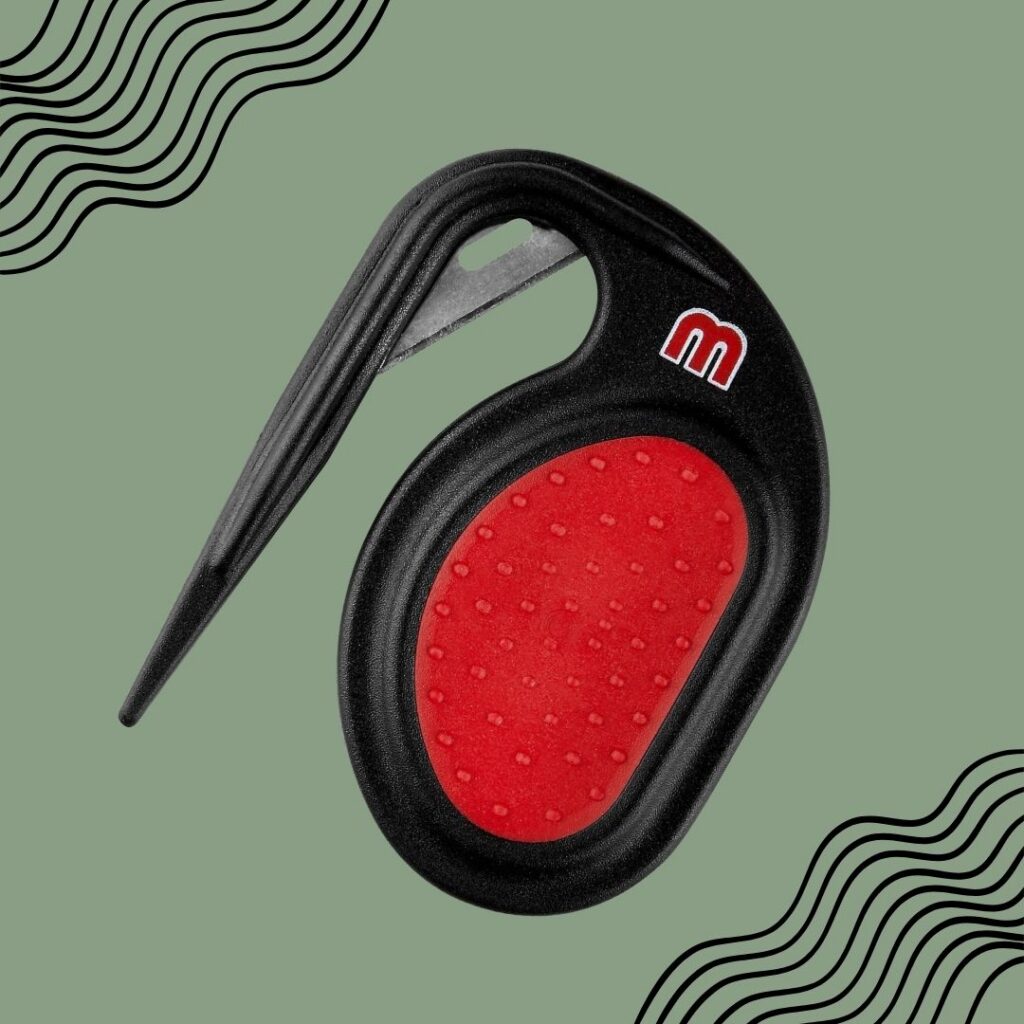
For those “uh‑oh, what is that knot?” moments behind the ears or around the bum, this little mat‑busting tool earns its spot in the grooming box.
The rounded edges are designed to work through tangles in small sections instead of ripping at the coat, which is exactly what you want on thin, delicate rabbit skin.
Used with a comb between the fur and the skin, it’s perfect for dealing with stubborn fluff clumps that normal brushing just skims over.
Step Three: Nail Trimming Tools That Don’t Crush Or Split Nails
Rabbit nails grow continuously, and if they get too long, it affects posture, balance and even joint comfort. Many rabbit‑savvy vets recommend trimming every 4–8 weeks, depending on how quickly your bun’s nails grow and how much they naturally wear them down.
For nails, you want:
- Small‑animal or cat‑style nail clippers with curved blades to avoid crushing the nail.
- Good lighting, and ideally a way to see the quick (the pink part) in lighter nails, so you don’t cut too far.
- Styptic powder or cornstarch nearby in case you catch the quick and need to stop a bleed.
If you’re nervous, you can ask your vet or a rabbit‑savvy tech to show you once; practicing with just the tiniest tips at first helps build confidence.
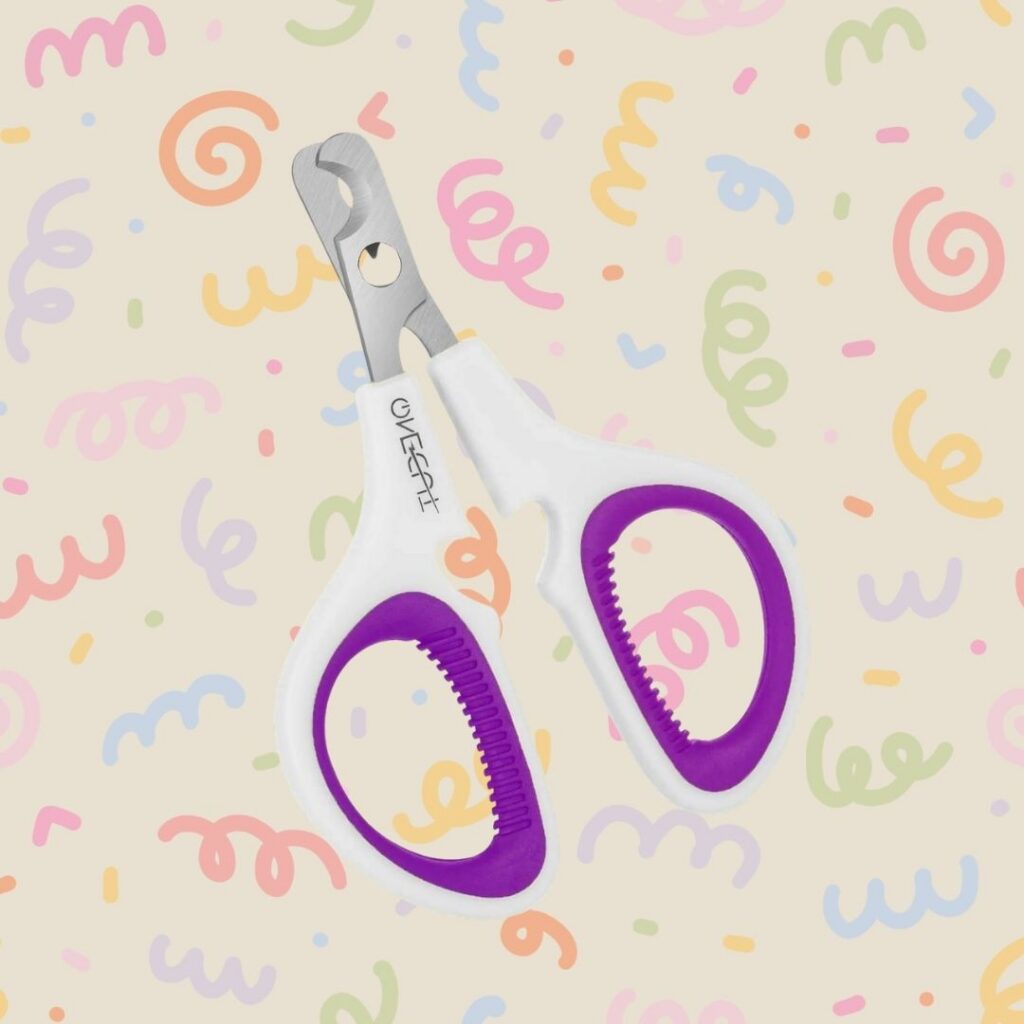
When it’s nail‑trim day, these small‑animal nail clippers make the job feel a lot less fiddly.
The curved blades are sized for tiny feet, so you can see what you’re doing and make clean cuts instead of crushing or splintering the nail.
They sit comfortably in your hand too, which really helps when you’re trying to be gentle, precise and quick. Especially if your rabbit is still deciding how they feel about pedicures.
Step Four: Scent Gland & Bum‑Area Clean‑Up Helpers
This is the less glamorous side of grooming, but it’s important—especially for older or slightly overweight rabbits.
Two key areas:
- Scent glands: Rabbits have scent glands near their genitals that can build up waxy gunk over time.
- Most guides suggest using damp cotton pads or cotton buds, very gently, to wipe away build‑up when needed.
- Bum area: Elderly or disabled rabbits may struggle to keep their back end clean, which can attract flies and cause skin irritation.
- Trimming long fur around the bum with rounded‑tip scissors can help keep things cleaner between full bum‑washes.
Always go gently and avoid harsh soaps. Mild, rabbit‑safe products and lukewarm water are all you need for occasional spot cleaning.
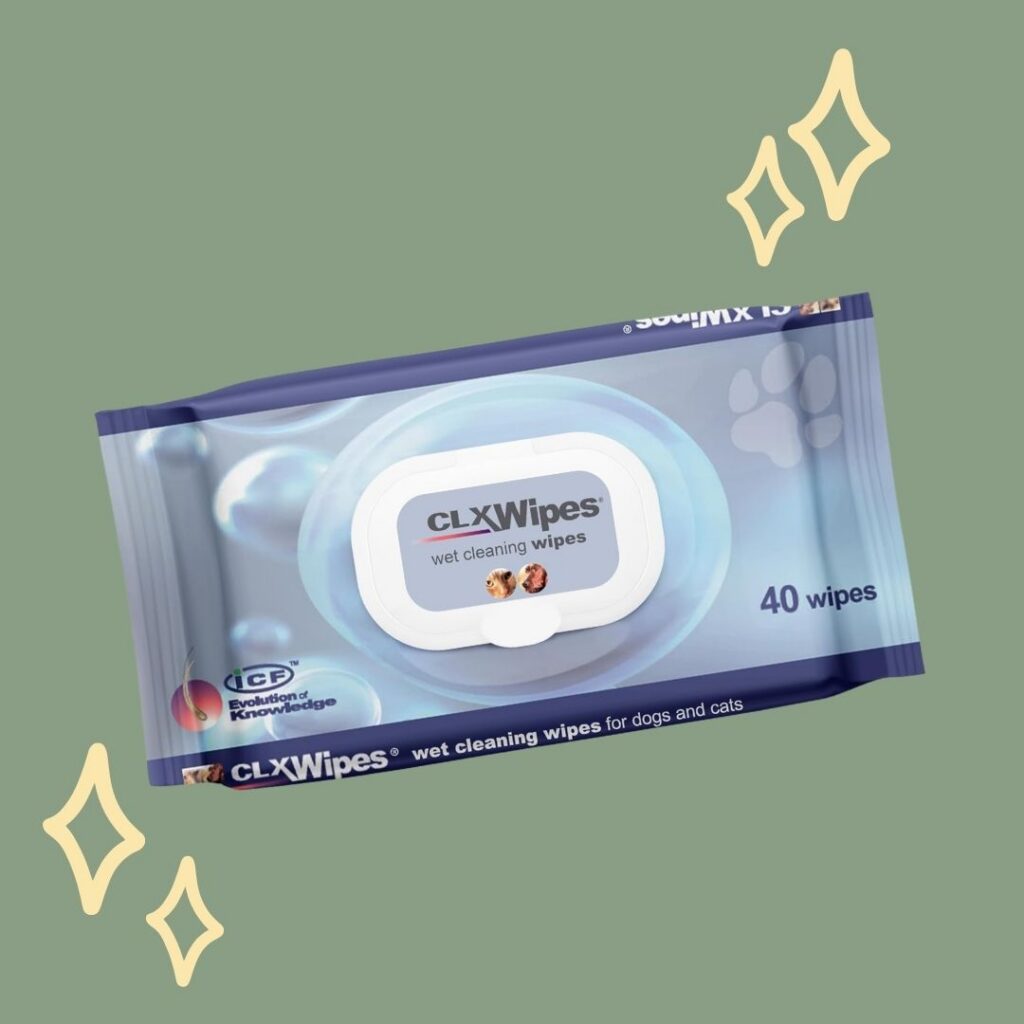
This little “finishing touch” kit is ideal for the less glamorous side of grooming. Think scent‑gland clean‑ups or a quick tidy around the bum.
The soft pads with gentle solution are made for sensitive small‑animal skin, so you’re not blasting them with harsh products just to get things fresh again.
It’s one of those items you don’t think about until you really need it, and then you’re very glad it’s already sitting in your grooming box.
How Often Should You Use Your Grooming Kit?
How busy your grooming kit is depends a lot on your rabbit’s coat type and age.
As a rough guide:
- Short‑haired rabbits:
- Weekly brushing is usually enough outside of moulting, stepping up to several times a week when they’re shedding heavily.
- Long‑haired rabbits:
- Daily brushing or combing is strongly recommended to prevent mats; some may need regular clipping as well.
- Nails:
- Check every few weeks; trim roughly every 4–8 weeks depending on growth.
- Scent glands / bum checks:
- Quick visual check during grooming sessions; clean only when needed, especially for seniors or bunnies with mobility issues.
Keeping sessions short, calm and followed by a favourite treat makes grooming feel more like a little spa ritual and less like a wrestling match.
A good rabbit grooming kit isn’t about turning you into a professional groomer; it’s about having the right small tools ready so you can keep on top of the basics without stress.
With a gentle brush or comb that actually reaches the undercoat, safe tools for the occasional tangle, a nail clipper that fits their tiny feet, and a few bits for “delicate area” clean‑ups, you’re already giving your rabbit a huge boost in day‑to‑day comfort.
If this helps you swap out a random dog brush for something more rabbit‑friendly, or finally build that all‑in‑one box you can grab on moulting days, your bun will absolutely feel the difference. Even if they pretend to be offended by grooming time.
Quick FAQs: Rabbit Grooming Kit
How often should I groom my rabbit?
Short‑haired rabbits usually do well with weekly brushing, but they may need grooming several times a week when moulting heavily. Long‑haired rabbits often need daily grooming to prevent mats, plus regular trims or clipping.
Can I use dog or cat brushes on my rabbit?
Some soft cat brushes and flea combs work well, but many dog‑style deshedding tools are too harsh and can damage rabbit skin. It’s safer to choose brushes and combs known to be rabbit‑friendly.
Is it safe to bathe my rabbit as part of grooming?
Full baths are generally not recommended for rabbits. They can be extremely stressful and increase the risk of hypothermia. Spot cleaning with a damp cloth or partial wash, as advised by a rabbit‑savvy vet, is usually the safer option.
What if my rabbit hates being groomed?
Start with very short, positive sessions, on a non‑slip surface, and pair grooming with calm voices and favourite treats. You can gradually increase the time as they get used to the routine; in difficult cases, ask a rabbit‑savvy vet or behaviourist for handling tips.
Want more tips on how to care for your jumping fur ball? Check out Litter training rabbits made simple even for stubborn bunnies, to make those growing pains more enjoyable.
⚠️ Affiliate Disclosure: This post contains Amazon affiliate links. If you purchase through these links, we may earn a small commission at no extra cost to you.