

If your dog is getting a bit grey around the muzzle and taking longer to get up after a nap, you’re definitely not alone, and you’re absolutely not a bad owner for wondering if “natural dog supplements” might help.
Senior dogs often need a little extra support for joints, brain, heart and digestion, and the good news is that some foods and targeted supplements have solid vet backing behind them, not just clever marketing.
First Things First: Food That Loves Senior Dogs Back
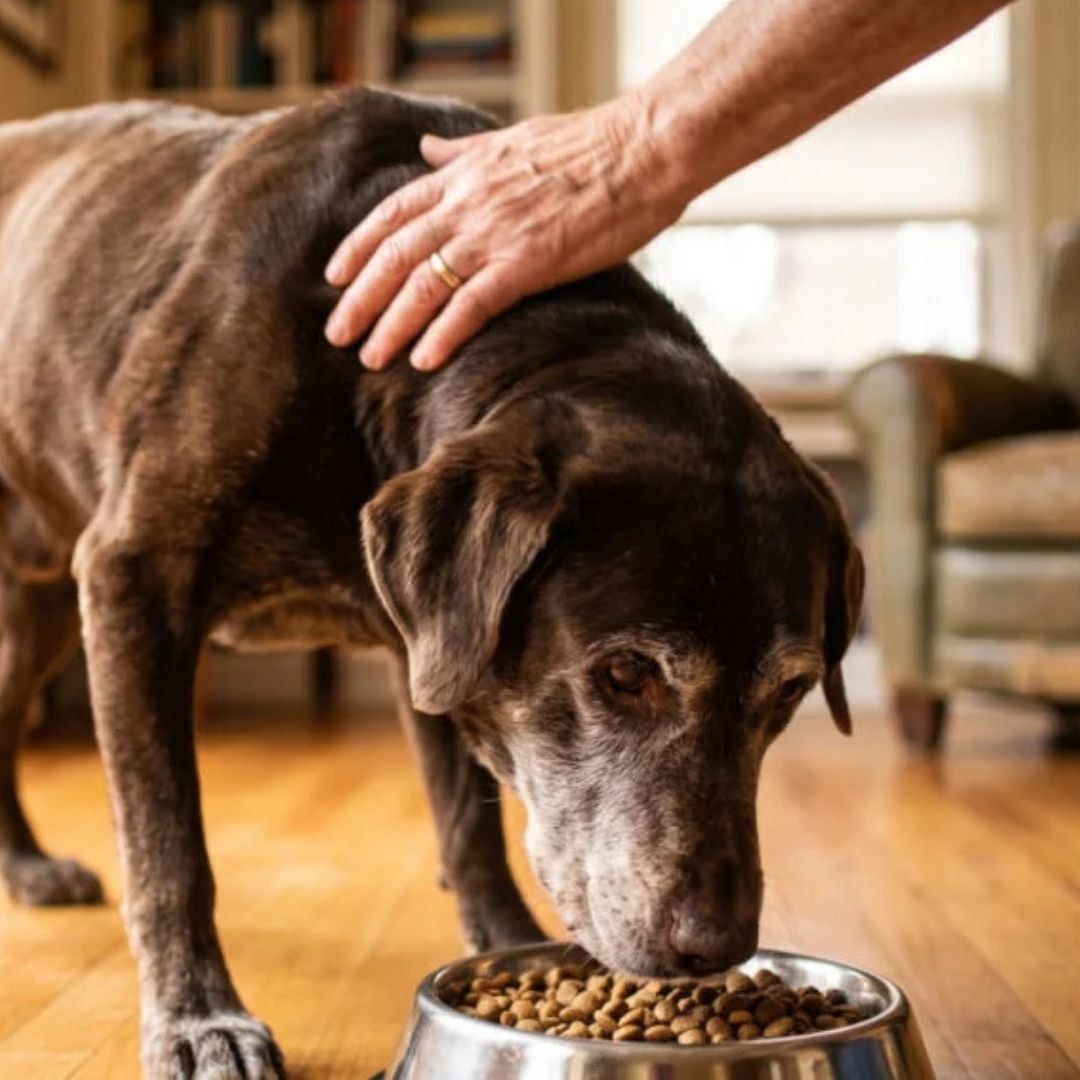
Before we even touch tubs of tablets and powders, vets usually start with the basics: what’s in your senior dog’s bowl every day.
Most older dogs benefit from:
- High‑quality protein. Keeps muscles from fading as they slow down; look for clearly named meats (like chicken, fish, turkey) rather than vague “meat by‑products.”
- Moderate calories. Senior dogs often move less but still love to eat; balancing calories helps avoid slow weight gain that can make joints and heart work harder.
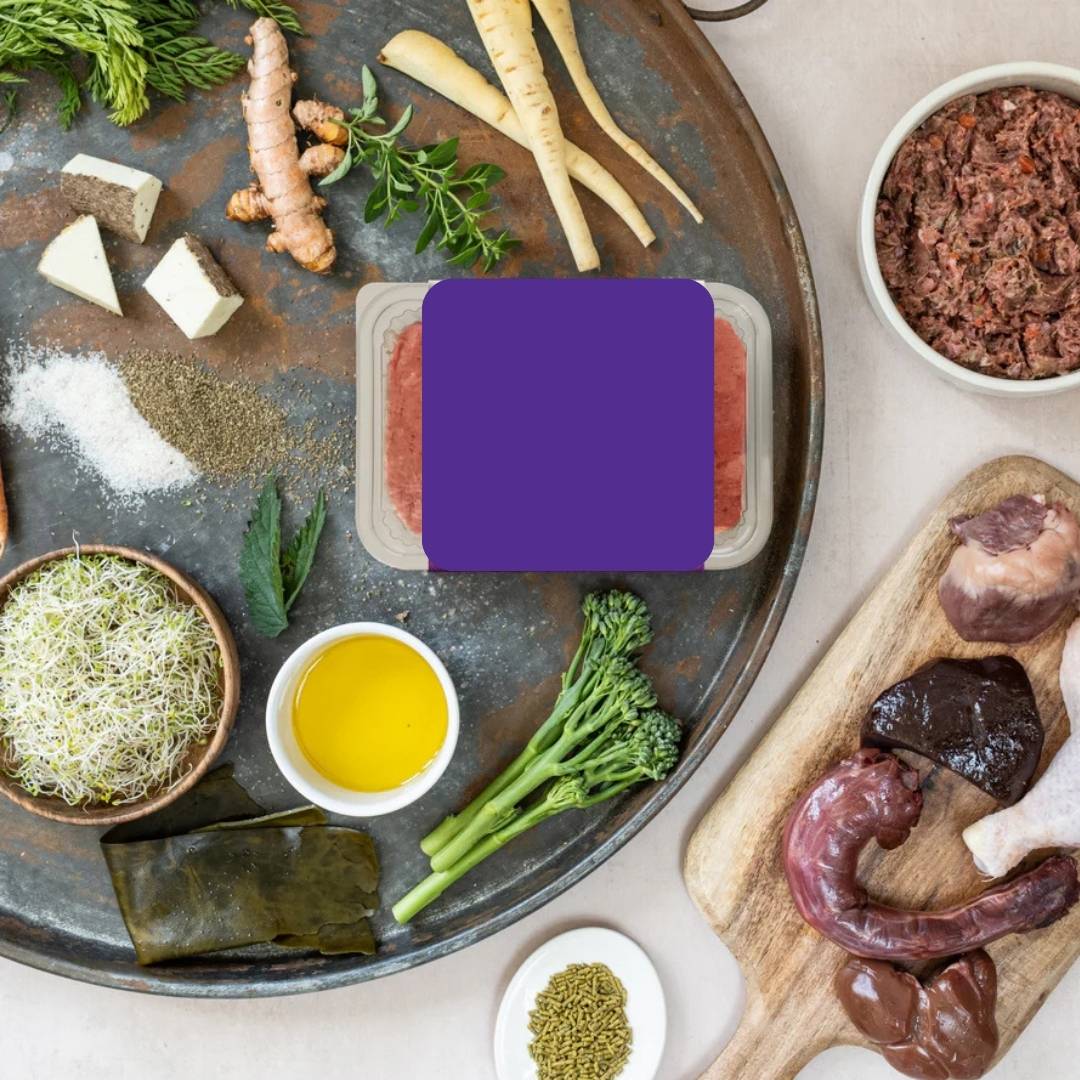
- Joint‑friendly nutrients in the base diet. Many senior formulas now include glucosamine, chondroitin and omega‑3s built into the food, which can be a good foundation before adding extra.

If meals are already doing some of the heavy lifting, supplements become fine‑tuning tools rather than emergency fixes.
Natural Food Ingredients That Support Ageing Dogs
You can think of some ingredients as “quiet helpers” for older dogs, even before they show up in supplement form.
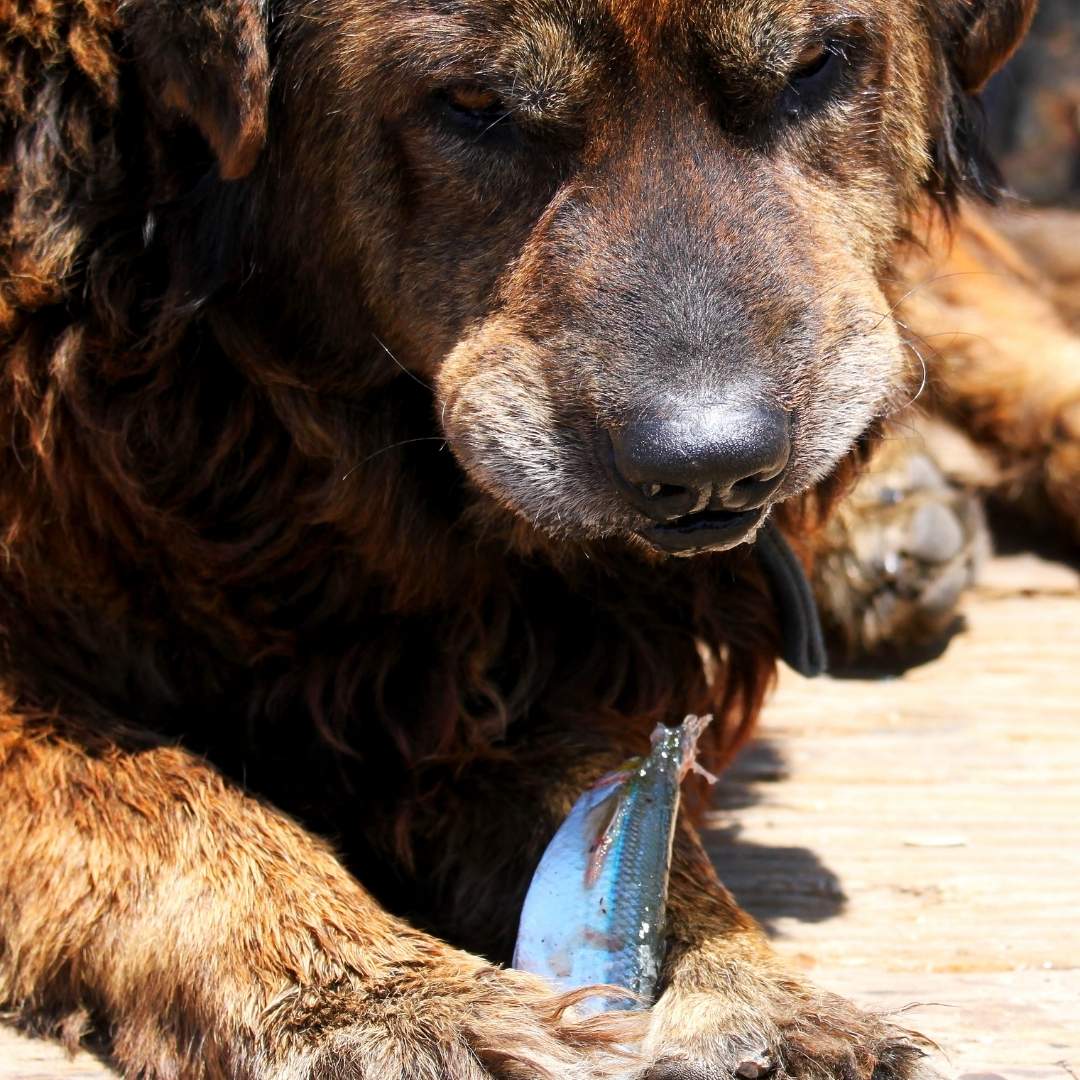
- Oily fish (like salmon or sardines): Naturally rich in omega‑3 fatty acids, which support joints, heart and brain function in senior dogs.
- Pumpkin and other fibre‑rich veg: Gentle fibre helps keep digestion regular, which matters more as dogs age and gut motility slows.
- Blueberries and other colourful fruits: Provide antioxidants that help mop up free radicals linked to ageing and inflammation.
These foods shouldn’t replace a balanced senior diet, but used in small, vet‑approved amounts, they set the stage for the supplements that come next.
The Four Proven Dog Supplements Types Senior Dogs Benefit From Most
Now onto the stars of the show. Across vet guides and expert articles, four natural supplement “families” come up again and again for older dogs: joint support, omega‑3s, gut health, and antioxidant/brain support.
We’ll walk through each, then give you clean spaces to plug in specific products.
Joint & Mobility Support (Glucosamine, Chondroitin, Green‑Lipped Mussel)
Those slower stairs and hesitations before jumping on the sofa are often the first things we notice with ageing pups.
Common, vet‑backed joint ingredients include:
- Glucosamine & chondroitin: Help maintain and repair joint cartilage, improving lubrication and comfort over time.
- MSM (methylsulfonylmethane): Often paired with glucosamine for extra anti‑inflammatory and comfort support
- Green‑lipped mussel: A natural source of glycosaminoglycans and omega‑3s with gentle anti‑inflammatory effects.
So far, PROPET NUTRITION joint supplement is the only one I have found with all this active ingredients. Doesn’t hurt that my pup likes hte falvor too.
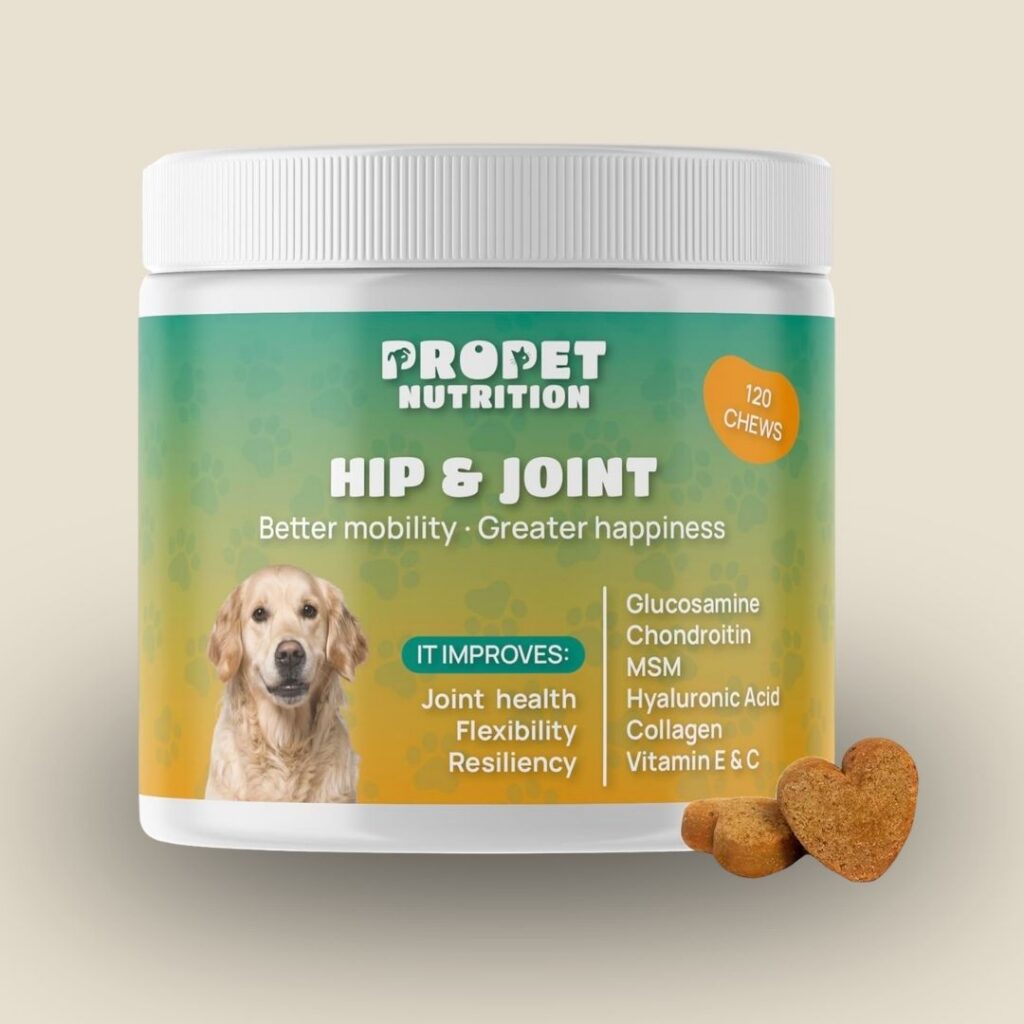
Used consistently and under vet guidance, these can help many senior dogs walk more comfortably, handle stairs better and stay interested in gentle play.
Omega‑3 Fatty Acids (Fish Oil & Marine Sources)
Omega‑3s are like a multi‑tool for older dogs: they support joints, heart and brain all at once.
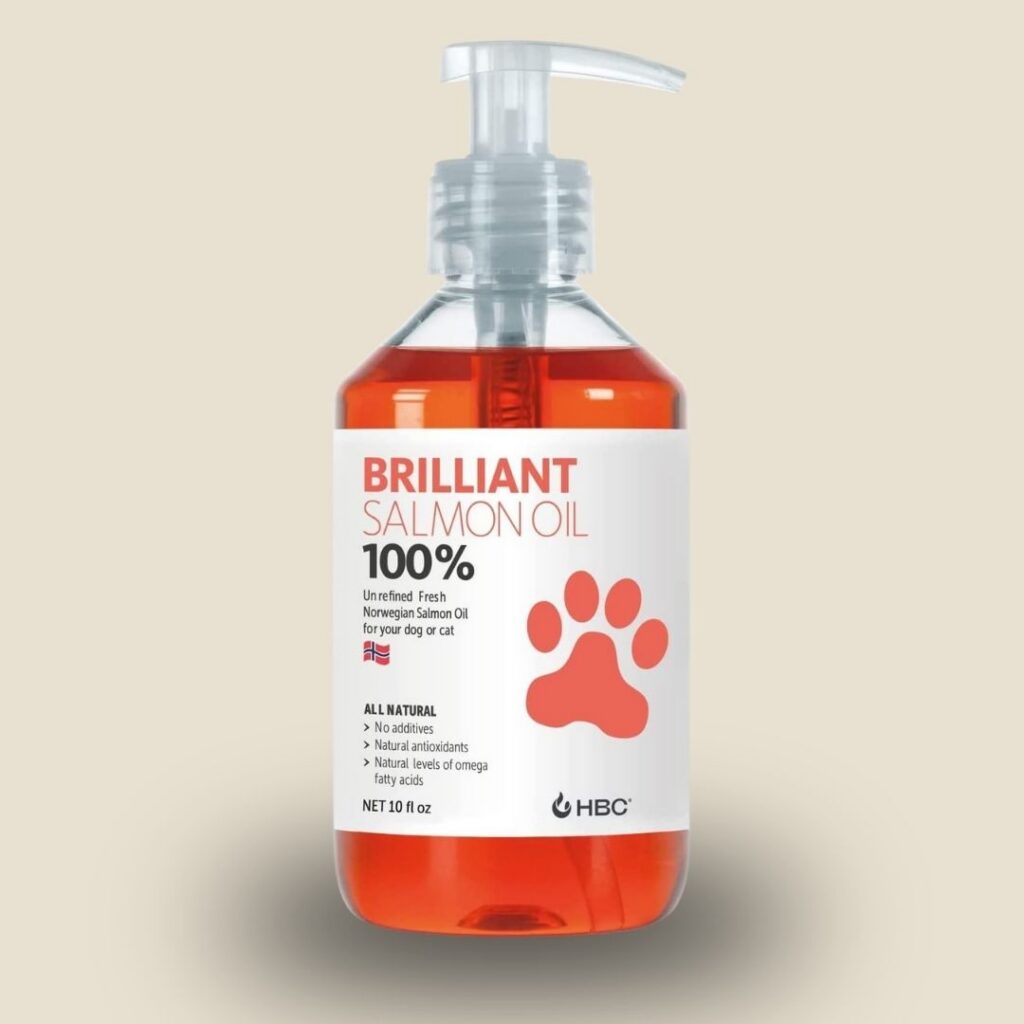
- EPA and DHA (the key omega‑3 types): Help reduce joint inflammation, support heart function and may improve cognitive health in seniors.
- Sources: High‑quality fish oil, krill oil, or marine ingredients like green‑lipped mussel, ideally from reputable brands with purity testing.
When I pet sit this adorable old pup, I came upon Brilliant Omega 3, 6 & 9 Fish Oil. The owner told me his doggo loved walking but since he got old, he became muich slower. He started adding this to his food, and its like his joint were re greased! (his words)
Many vets recommend omega‑3s as one of the first supplements to consider once a dog hits their senior years, especially if you’re starting to see stiffness or early heart changes.
Gut Health Support (Probiotics & Prebiotics)
Older dogs can get a bit more sensitive to diet changes and may swing between constipation and loose stools more easily.
Gut‑focused supplements usually offer:
- Probiotics: Friendly bacteria that help balance the microbiome and support digestion and immune function.
- Prebiotic fibres: “Food” for those good bacteria, helping them stick around and do their job properly.
I found that immal Pre&Probiotic has not only both, but also are soft to chew for my senior pup and seem to taste great based on his reaction.
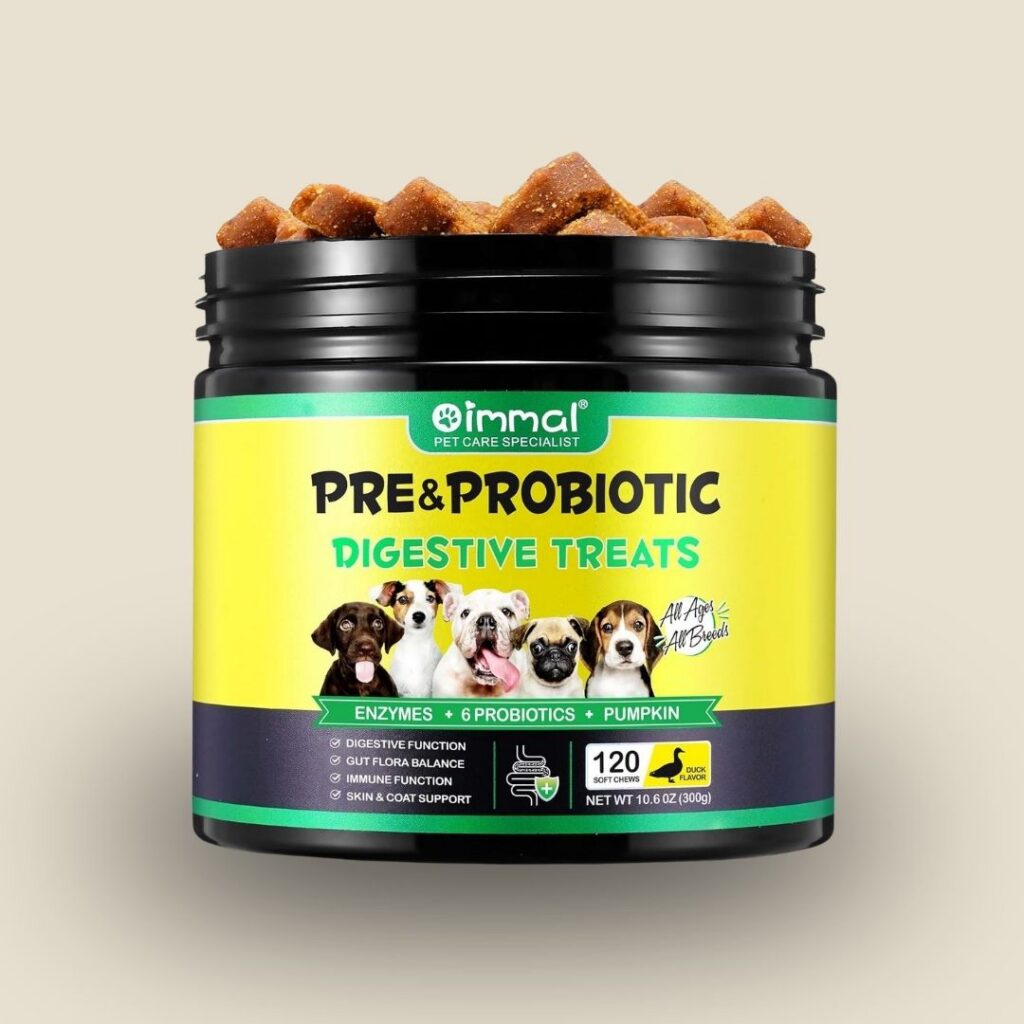
A healthier gut doesn’t just mean better stools; it can also help older dogs feel more comfortable overall and absorb nutrients more efficiently.
Antioxidant & Brain/Heart Support (CoQ10, Vitamins, Plant Extracts)
As dogs age, oxidative stress and subtle cognitive changes creep in, sometimes slowly enough that we only notice in hindsight.
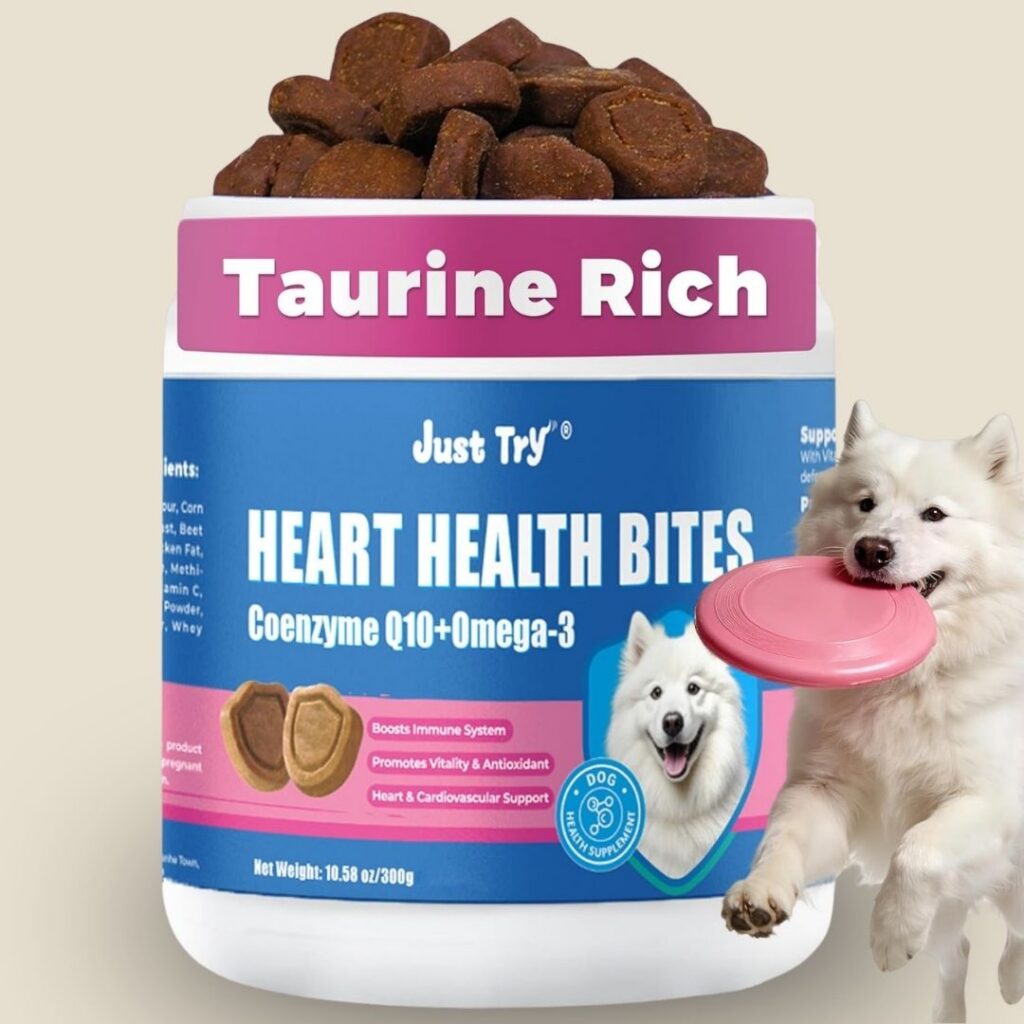
Useful “natural” helpers include:
- CoQ10 & L‑carnitine: Support heart muscle function and energy production in older dogs.
- Antioxidants (vitamin E, B‑complex, alpha‑lipoic acid): Help protect cells from damage and support brain and eye health.
- Gentle plant extracts (turmeric, Boswellia, green tea, gingko): Provide anti‑inflammatory and circulation support when used in safe, vet‑guided amounts.
A few of my pet sitting clients with seniro dogs have been trying Just Try Hearth Health Bites and commented positive outcomes.
These aren’t magic youth potions, but they can help your dog stay clearer‑headed, more energetic and better protected as the years add up.
How To Decide What Your Own Senior Dog Actually Needs
With all those options, it’s tempting to just build a supplement stack the size of your dog, but vets recommend a more minimalist, targeted approach.
Simple decision steps:
- Start from what you’re seeing. Is the main change stiff joints, slower thinking, wonky digestion, or a mix?
- Review the current diet. Is their food already fortified with joint support or omega‑3s, or is it quite basic?
- Bring these observations to your vet. They can prioritise where a supplement is most likely to genuinely help and check for interactions with any medications.
You’ll often end up with one or two “core” supplements (e.g. joint + omega‑3) and maybe a gut or antioxidant support on top, rather than a whole cupboard full.
Senior dogs don’t usually need dramatic reinventions; they tend to thrive on lots of small, well‑thought‑out tweaks.
A slightly better base food, a joint supplement that actually fits their needs, a simple omega‑3 topper, and something to keep their digestion steady can add up to real comfort! Also, fewer “oof” moments getting up, more gentle play, and more of those slow, happy walks where they still perk up at their favourite smells.
If this blog helps you spot where your own older dog could use a little extra support, and choose one or two supplements with purpose (rather than just because the label looks shiny), then you’re already doing a brilliant job of looking after their golden years.
Quick FAQs About Natural Dog Supplements For Senior Dogs
Do all senior dogs need dog supplements?
Not necessarily. Many senior dogs do well on a good‑quality, age‑appropriate diet alone. Supplements are most useful when they target specific issues like joint stiffness, digestion problems or mild cognitive changes, ideally under vet guidance.
Can I give my senior dog human supplements?
It’s generally not recommended. Human doses, ingredients and additives may not be safe or appropriate for dogs, especially older dogs on medications or with existing health conditions. Always choose pet‑specific products and check with your vet first.
How long does it take for joint dog supplements to work?
Joint support like glucosamine, chondroitin and green‑lipped mussel usually takes several weeks of consistent use before you see noticeable changes. They work best as long‑term helpers, not instant painkillers, and are often combined with vet‑prescribed medications when needed.
Are “natural” supplements always safe for senior dogs?
“Natural” doesn’t automatically mean safe or side‑effect‑free. Plant extracts, fish oils and probiotics can interact with medications or cause tummy upset at high doses. Quality, dosing and vet oversight matter more than the word “natural” on the label.
When should I stop or change a supplement?
Stop and contact your vet if you notice vomiting, diarrhoea, itching, behaviour changes, loss of appetite or new symptoms after starting a supplement. Your vet can help decide whether to adjust the dose, switch products or run tests to rule out other issues
Looking for more supplement related content? Check out our How Does Essential Calcium Safeguard Your Dog’s Hidden Health? blog, or browse our full dog health and grooming section on FetchStop.
⚠️ Affiliate Disclosure: This post contains Amazon affiliate links. If you purchase through these links, we may earn a small commission at no extra cost to you.