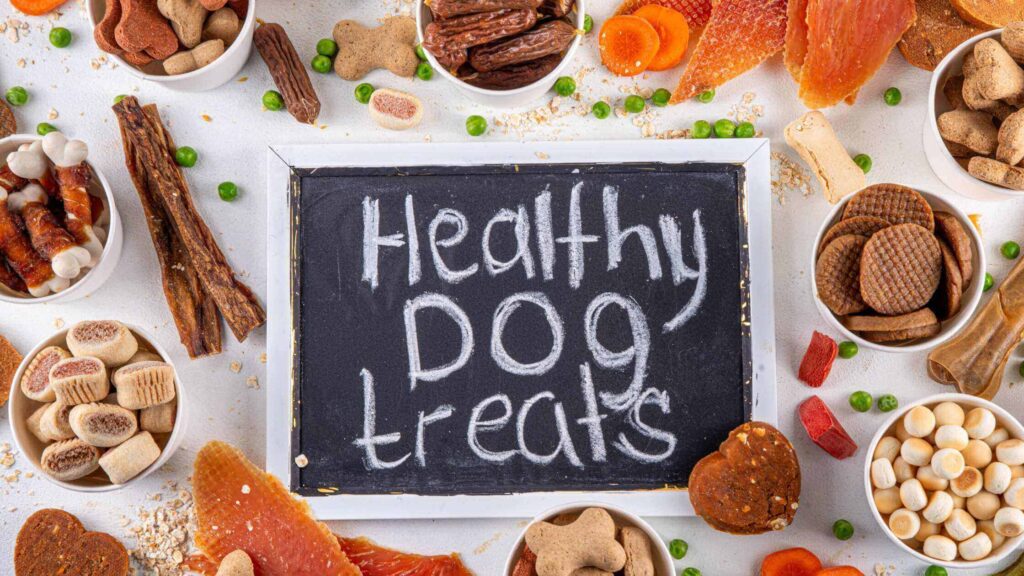
If you’re anything like me, half your relationship with your dog is built on eye contact and snacks. Dog treats are how we say “you smashed that training session,” “sorry about the vet visit,” or just “you’re cute and I love you.” The trick is keeping those little moments fun and healthy, so we’re not quietly overloading them with sugar, fat, or mystery ingredients.
What Makes A Dog Treat Truly “Healthy”?
“Healthy” doesn’t just mean the packet has some leaves on it or says “natural” in big letters. Vets and nutritionists usually look for a few simple things.
- Short, recognisable ingredients list. Think single‑protein meats, simple fruits/veg, and minimal additives, not a paragraph of words you’d need to Google.
- No unnecessary sugar, dyes or heavy preservatives. These add calories and can aggravate tummy or skin issues without adding real nutrition.
- Appropriate calories and size for your dog. Most vets suggest treats should be about 10% or less of your dog’s daily calories, with 90% coming from their normal complete food.
So a “healthy” treat is one that fits your dog’s size, lifestyle and health, and doesn’t quietly steal space from the proper nutrients they’re supposed to get from meals.
Vet‑Friendly Healthy Dog Treat Ideas (Without Leaving Your Kitchen)

You don’t have to be a gourmet chef to offer healthier rewards; some of the best options are already in your fridge!
- Crunchy vegetables: Baby carrots, green beans, broccoli florets, cucumber slices and celery sticks are low‑calorie and usually a hit with many dogs.
- Safe fruits: Apple slices (no seeds), blueberries, banana slices, watermelon chunks (no rind or seeds) and raspberries are sweet but still light.
- Simple extras: Air‑popped popcorn with no salt or butter, or plain rice cakes broken into tiny pieces can work as occasional light treats.
Just keep the pieces small, avoid seasonings, and steer clear of toxic foods like grapes, raisins, onions, garlic, chocolate and anything caffeinated.
Healthy Store‑Bought Treats: What To Look For
Of course, we’re all still going to buy treats, whether that’s from the local pet shop, supermarket or our favourite online store, and vets aren’t against that at all when we choose them thoughtfully.
When you take a moment to scan the ingredients list, check the calories, and match the treat to your dog’s size, age, and health needs, those shop‑bought snacks can fit really nicely into a balanced routine instead of quietly undoing it.
Here’s what most experts suggest checking before you add to basket:
- Protein first: Look for treats where a clearly named meat (like chicken, lamb or salmon) is the first ingredient.
- Simple recipe: Fewer, clearer ingredients usually mean fewer hidden calories and less chance of upsetting their stomach or allergies.
- Calorie count on the pack: Handy if your dog is watching their waistline or has conditions like pancreatitis or diabetes.
That way, your treat cupboard feels more like a curated snack bar than a lucky dip!
4 Types Of Healthy Treats To Highlight
Single‑ingredient meat treats (high‑value training rewards)
Great for training sessions or recall practice:
- Usually just one lean meat (like chicken breast, beef or turkey) that’s air‑dried or freeze‑dried.
- Minimal additives, strong smell, and most dogs will happily work for them.
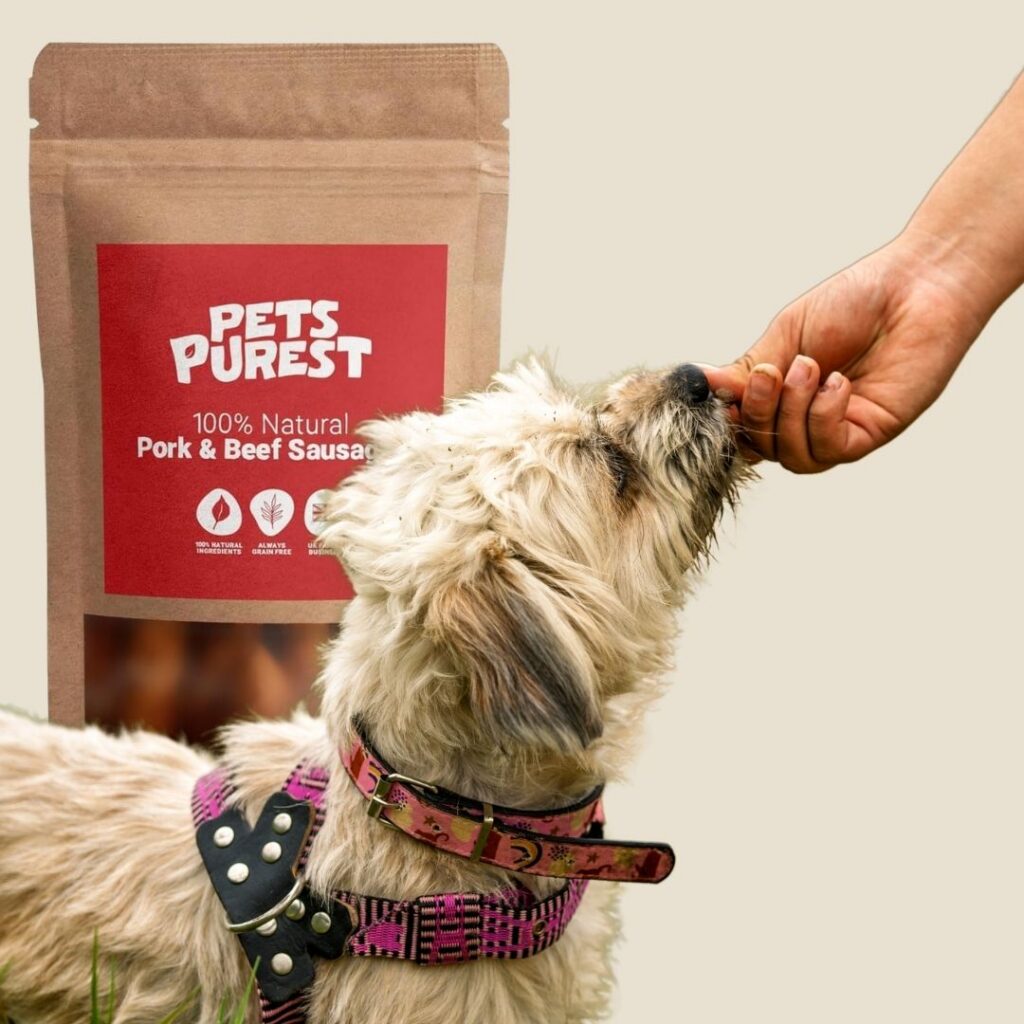
My neighbor introduced me to an air-dry dog treat brand called Pets Purest, and my senior pup has been loving the taste of it!
Dental chews with proper vet backing
If you’re giving dental treats, vets recommend looking for ones designed to actually help teeth, not just keep dogs busy.
- Slightly crunchy but not rock‑hard, so they don’t crack teeth.
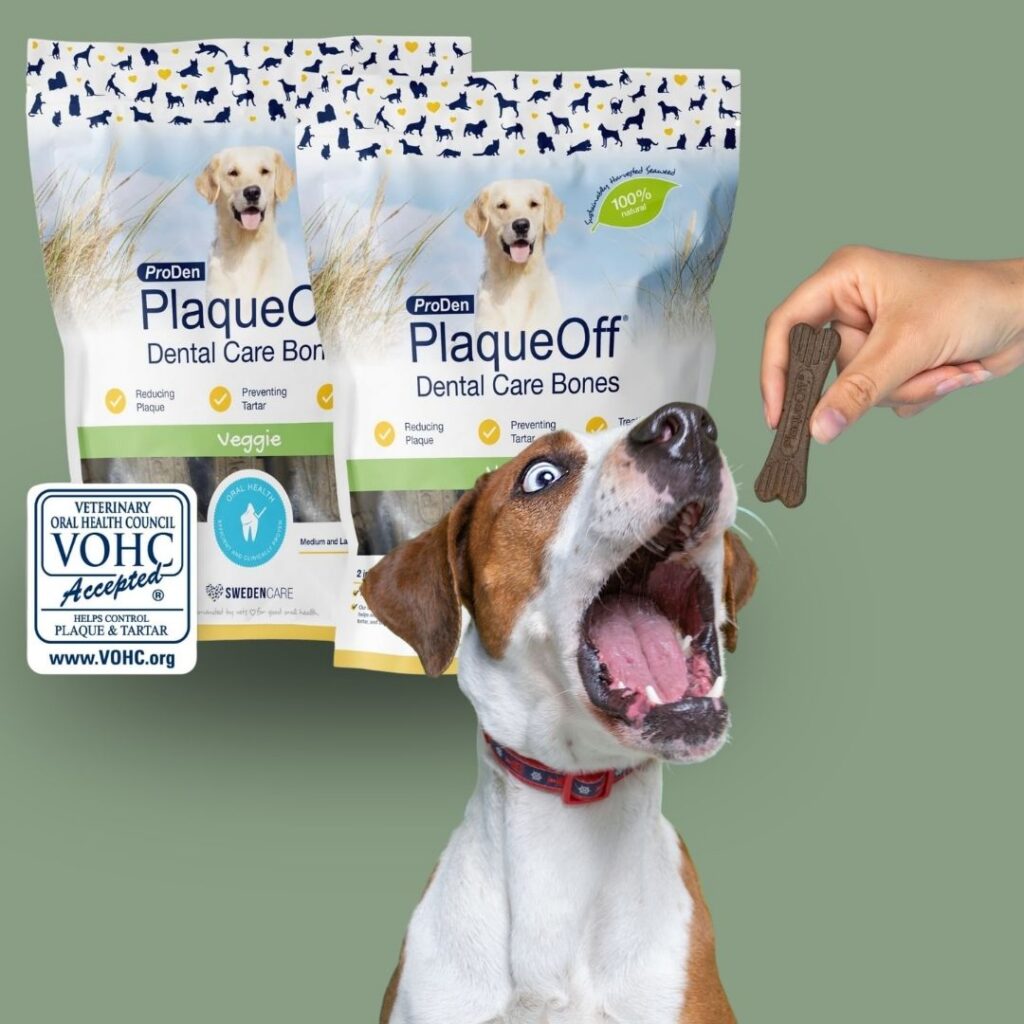
- Ideally carrying a reputable dental seal (e.g. VOHC Accepted) or vet‑endorsed design.
I personally have been looking for a now one, as my pup is not the biggest fun of me brushing his teeth.
That’s how I stumbled upon ProDen Dental Care Bones, they ticked all the boxes, and my fluffy boy can’t get enough of them now!
Low‑fat, limited‑ingredient treats for sensitive stomachs
If your dog gets upset easily by rich snacks, low‑fat options are your friend.
- Made for sensitive dogs or weight management.
- Avoid heavy oils, added sugars and complex flavour mixes.
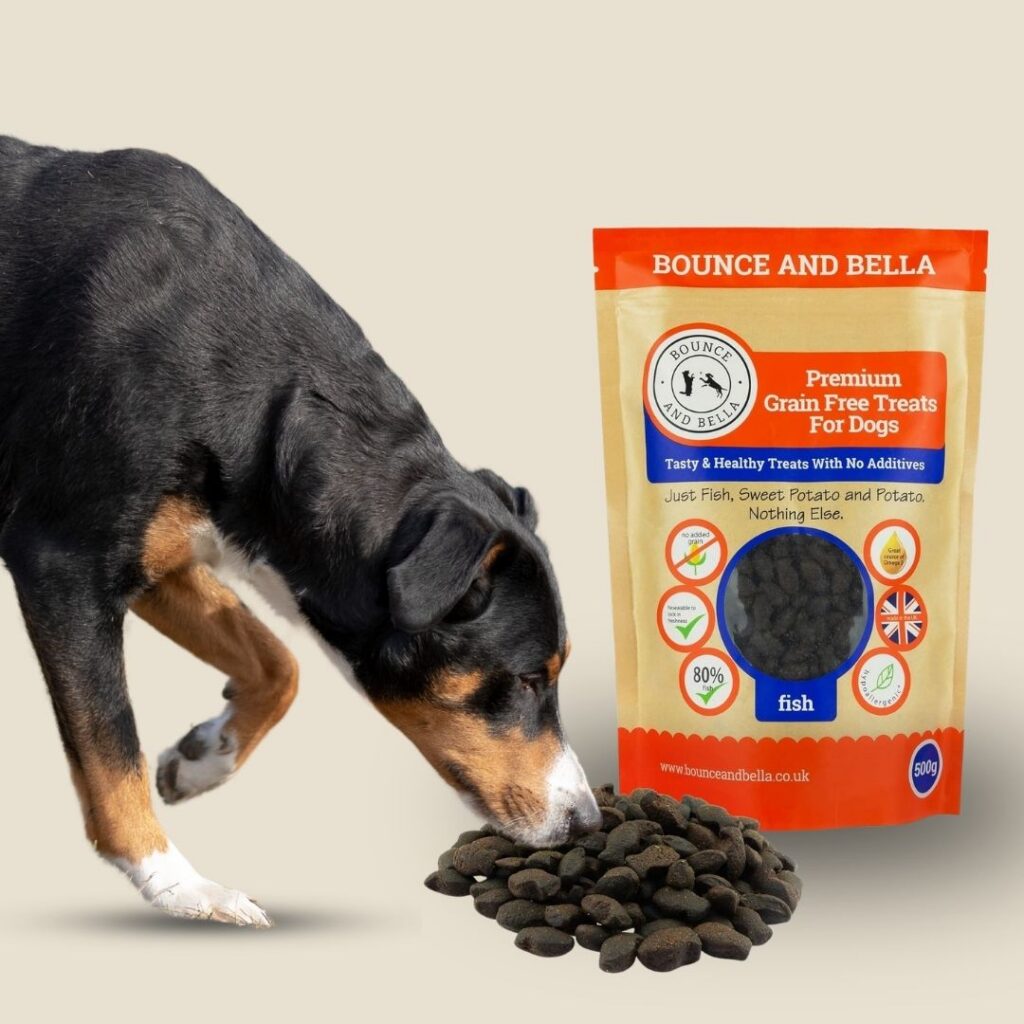
Like any senior dog, mine has been getting a bit more sensitive in his stomach. He loves food, but not all of them sit well with him these days, especially treats. Bounce and Bella 3-ingredient dog treat was such an ideal find!
My doggo loves them, and his tummy does too.
Soft, easy‑to‑chew treats for seniors or small dogs
Older dogs and toy breeds often do better with softer treats that won’t stress teeth.
- You should be able to press a thumbnail into them and leave a mark; if not, they’re probably too hard.
- Ideal for training, pill‑pockets or “just because you’re adorable” moments.
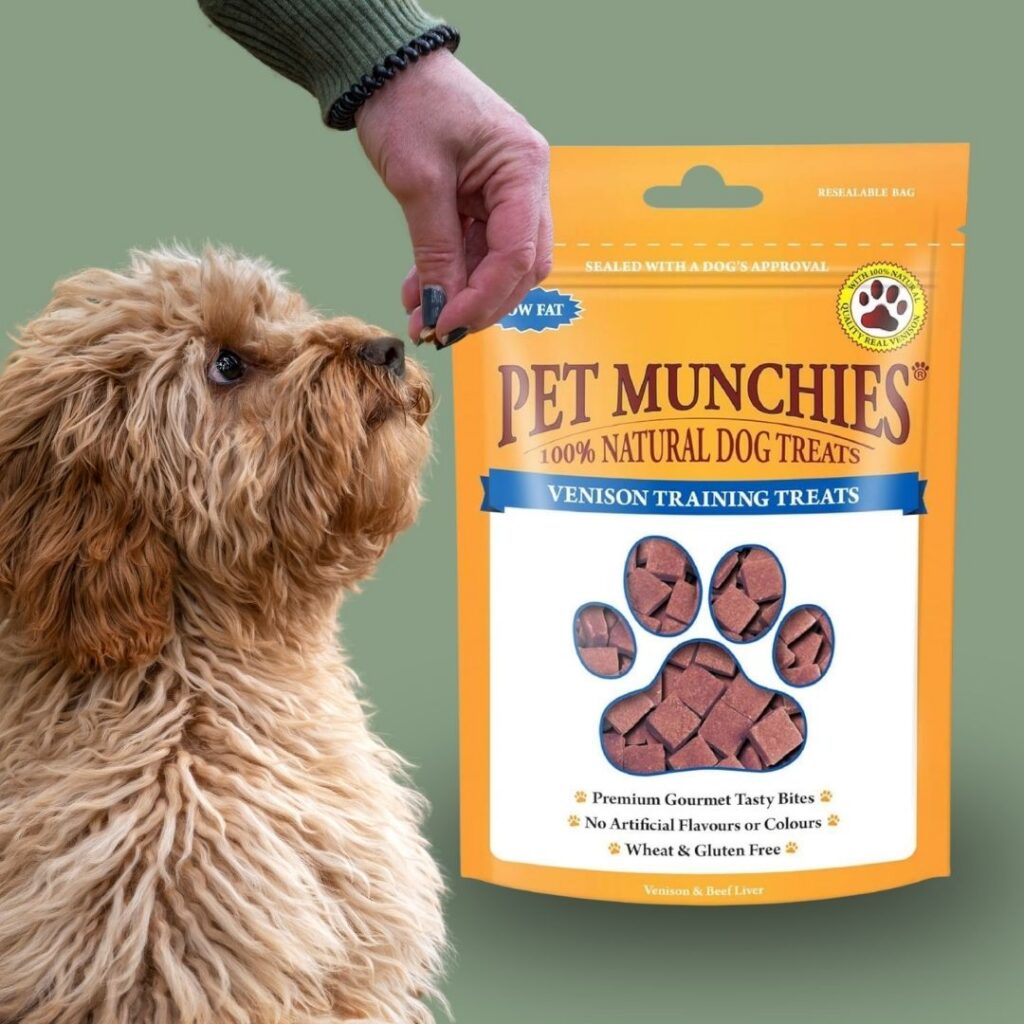
I’ve been pet sitting this adorable chihuahua, and during his care is how I came across Pet Munchies. They are soft and chewy, have limited ingredients, and are great to get him to follow commands.
Treats Shouldn’t Accidentally Replace Meals
One of the biggest expert tips for “healthy” treating is simply not to let snacks quietly become a whole extra meal.
- Aim for treats to stay under about 10% of your dog’s daily calories, with the rest coming from complete food.
- If you’re using a lot of treats for training that day, you can slightly reduce meal portions to keep the overall calories steady.
- For dogs with weight issues or health conditions (like pancreatitis, diabetes or food allergies), always run new treat ideas past your vet.
It’s less about never treating, more about those treats fitting neatly into the bigger nutrition picture.
When Your Dog Is Picky (Or Says “No Thanks” To Veg)
Now for the fun part: what if your dog looks at carrot sticks and apple slices like you’ve offered them homework?
A simple “picky dog guide map” that still keeps things healthy:
- Start with flavour tests: Offer tiny bits of a few options: one veg (like carrot), one fruit (like apple), and one simple store-bought treat, and see what actually gets an excited reaction.
- Mix fresh with something they already love: If they’re obsessed with a particular healthy dog treat, you can sometimes tuck tiny bits of fresh produce alongside it in the same training session so they start to associate the new texture with something they already like
- Use healthier store‑bought substitutes instead of giving up: If fresh produce really is a no, switch to low‑calorie, limited‑ingredient treats for picky or sensitive dogs or single‑protein meat treats that feel indulgent but still clean.
- Keep an eye on the tummy: Any new treat, fresh or packaged, should be introduced slowly while you watch for vomiting, diarrhoea, itching or changes in energy.
This way, being picky doesn’t push you into junk‑snack territory; it just changes which healthy options you lean on.
At the end of the day, healthy dog treats are just tiny love letters you send through your dog’s taste buds.
You don’t have to ditch treats or become the “no snacks” household. Just pick options that make sense for your dog’s size, age and health, keep an eye on how many you’re giving, and stay curious about ingredients rather than just the marketing on the front of the bag.
If this helps you swap one snack for a better one, check the calorie line before a big training day, or try mixing in a new, healthier favourite, you’re already doing the kind of thoughtful treating vets love to see.
Quick FAQs About Healthy Dog Treats
How many treats can I give my dog in a day?
Most vets suggest treats should make up no more than around 10% of your dog’s daily calories, with the rest coming from a balanced diet. Your own vet can help estimate what that looks like based on your dog’s weight and activity level.
Which fruits and vegetables are safe as dog treats?
Good options include carrots, green beans, broccoli, cucumber, cooked pumpkin, apples (no seeds), blueberries, banana and watermelon (no rind or seeds). Avoid grapes, raisins, onions, garlic, chocolate and anything with caffeine, as they can be toxic.
Are dental chews actually good for my dog’s teeth?
Some dental chews are helpful, especially those with reputable dental approval or vet backing, but they shouldn’t be rock‑hard or used instead of brushing and check‑ups. Look for chews you can dent with a thumbnail and always supervise chewing.
What should I avoid in commercial dog treats?
Try to avoid treats very high in fat, sugar, salt, or with long lists of artificial colours and preservatives. Bone‑hard items like antlers, hooves and some bones can crack teeth, and raw treats carry a higher bacteria risk.
When should I talk to my vet about treats?
If your dog is overweight, has pancreatitis, diabetes, food allergies, dental disease or is on a special diet, talk to your vet before changing their treat routine. They can suggest safe options tailored to your dog’s health
Looking for more insights on dog treats? Read our guide on The Best Vegan Dog Treats in the UK (That Dogs Actually Go Crazy For), or browse our full dog health and grooming section on FetchStop.
⚠️ Affiliate Disclosure: This post contains Amazon affiliate links. If you purchase through these links, we may earn a small commission at no extra cost to you.