Summer can be a beautiful time to keep chickens. Long days, dry runs, and plenty of natural foraging. But when temperatures climb quickly, backyard flocks can go from happy to dangerously overheated in a surprisingly short amount of time.
Heat stroke in chickens is a genuine emergency. Unlike dogs, chickens cannot pant efficiently enough to cool themselves down when conditions become extreme. They do not sweat. They have limited options when the heat builds. And when things go wrong, they can go wrong very fast.
The good news is that most heat-related emergencies are entirely preventable. And even when they do happen, knowing exactly what to look for and what to do next can genuinely be the difference between a full recovery and losing a bird.
This guide covers the warning signs, the urgent steps, what products to have on hand, and how to set your flock up so heat stroke never becomes a crisis in the first place.
Why Chickens Struggle So Much In The Heat
Chickens regulate their body temperature by panting, holding their wings away from their body, and seeking shade. They do not have sweat glands, which means their ability to cool down is far more limited than most other animals. When the air temperature is already high, even panting becomes less effective because the air they are breathing in is not cool enough to help.
Heavy breeds like Orpingtons, Sussex, and Brahmas tend to feel the heat more than lighter Mediterranean breeds like Leghorns. Older birds, very young birds, and birds already dealing with illness or stress are also at much higher risk during hot weather. Dark-feathered birds absorb more heat from sunlight too, which is worth keeping in mind if your flock includes a mix of colours and breeds.
Fun Fact A chicken’s normal body temperature sits between 40.6 and 41.7 degrees Celsius, which is already significantly higher than a human’s. That narrow margin means that even a modest rise in environmental temperature can push them toward dangerous territory faster than most keepers expect.
Early Warning Signs Of Overheating
Catching heat stress early gives you the best possible chance of bringing a bird back safely before it tips into full heat stroke. The earlier you spot the signs, the better the outcome.
Early signs to watch for include:
- Panting with the beak open and the neck stretched forward
- Holding wings away from the body to let air circulate
- Reduced activity and lethargy
- Spending more time than usual in the shade
- Eating less but drinking more
- Pale or slightly bluish comb and wattles
- Loose or watery droppings
These signs on their own do not mean a bird is in immediate danger, but they do mean the conditions are already too warm and something needs to change quickly. Never wait to see if a bird improves on its own when temperatures are high.
Signs Of Serious Heat Stroke In Chickens
When heat stress tips into heat stroke, the situation becomes urgent. A bird in the middle of full heat stroke needs immediate intervention.
Serious signs to act on immediately include:
- Laboured breathing with the mouth held wide open
- Staggering, loss of balance, or inability to stand
- Lying on its side or unable to right itself
- Unresponsiveness or glassy eyes
- A very hot, dry feel to the skin on the legs and feet
- Complete loss of interest in surroundings
- Seizure-like trembling or convulsions
If you see any of these signs, move the bird immediately. Do not wait to see if it improves on its own. Every minute matters at this stage.
Fun Fact
Chickens instinctively hide signs of illness and distress for as long as possible. This is a survival behaviour carried over from wild ancestors, where showing weakness attracted predators. By the time a chicken looks visibly sick or struggling, the situation is often already more serious than it appears.
Urgent Steps To Take When A Chicken Has Heat Stroke
Speed matters here. Work through these steps calmly and quickly!!
Step 1: Move the bird to a cool, shaded area immediatelyGet them out of direct sunlight straight away. Indoors in a cool room or a shaded, well-ventilated area is ideal. Do not place them in an air-conditioned room that is extremely cold as the sudden temperature change can cause additional shock.
Step 2: Cool the bird gradually, not suddenlyUse cool water, not ice cold water, to gently wet the comb, wattles, legs, and feet. You can also carefully wet the feathers on the underside of the wings. Avoid submerging the bird in cold water as this can cause shock.
Step 3: Offer cool fresh waterIf the bird is conscious and able to swallow, offer cool fresh water. Do not force water into the beak of an unconscious or semi-conscious bird as this risks aspiration.
Step 4: Use a fan if availableGentle airflow helps the evaporation process cool the bird more effectively. A small fan directed near the bird, not blowing directly into their face, can make a real difference.
Step 5: Monitor closely and contact a vet if there is no improvementIf a bird is unconscious, convulsing, or shows no signs of improvement within fifteen to twenty minutes of cooling efforts, contact a poultry-experienced vet as quickly as possible.
Chicken Automatic Waterer With Large Capacity
One of the most important things during hot weather is ensuring fresh, cool water is always available and never runs out. A large automatic chicken waterer removes the guesswork entirely and means your flock always has access to clean water even on the hottest days.
Search Automatic Chicken Waterer or Large Poultry Drinker on Amazon UK to find several well-reviewed options quickly.
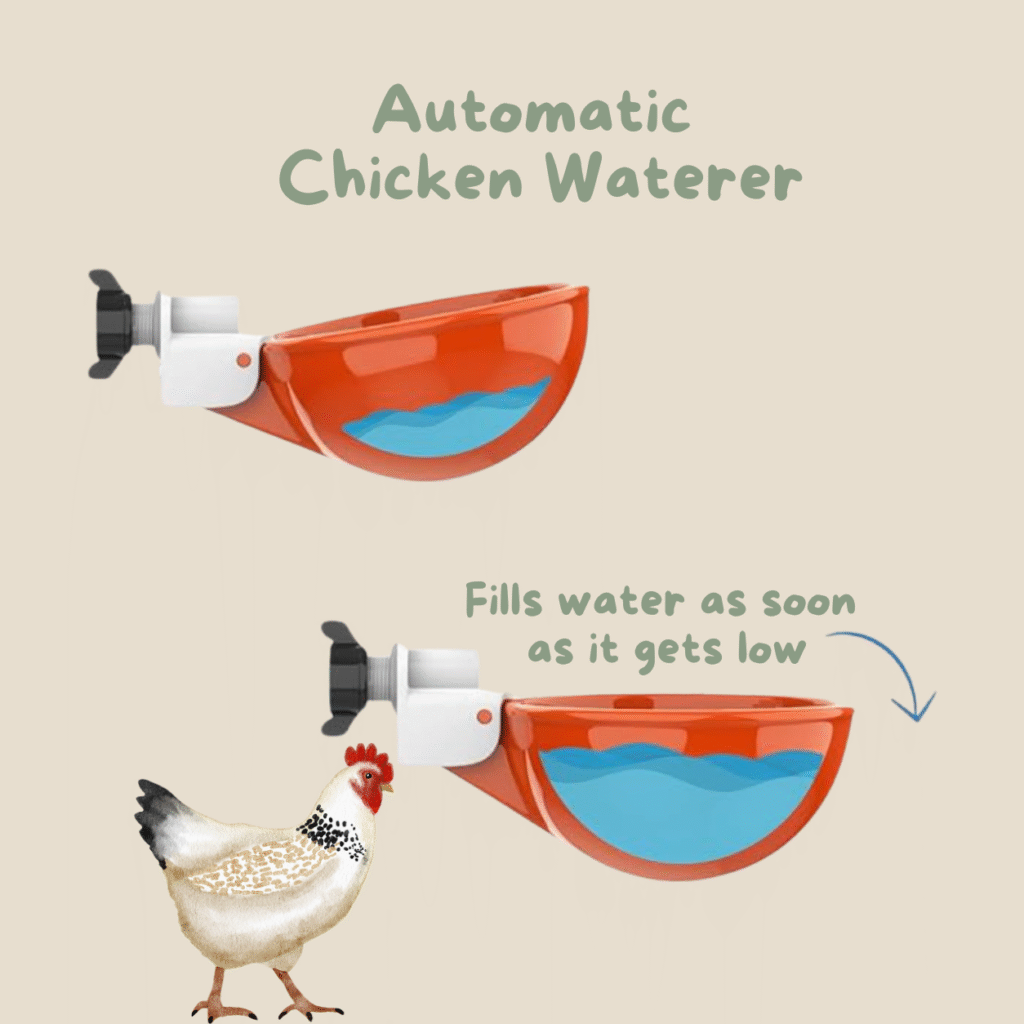
Look for:
- A capacity of at least five litres for small flocks, larger for bigger groups
- Food grade plastic that does not leach chemicals into the water
- An easy-clean design so the water stays fresh
- A model that connects to a standard hose fitting for automatic refilling if possible
Keeping multiple water points around the run during summer is also worth doing so birds never have to travel far to drink.
Fun Fact
A chicken in hot weather can drink up to four times their usual daily water intake. A flock that normally gets through one litre a day might need four litres or more during a heatwave. Underestimating this is one of the most common reasons heat stress develops even in well-managed flocks.
Portable USB Clip-On Fan For Chicken Coop
A small portable fan makes a significant difference in a coop or enclosed run during hot weather. Moving air helps chickens cool through their limited evaporation process and breaks up the still, stagnant heat that builds inside a coop on warm days.
Search USB Clip Fan Small Portable on Amazon UK to find compact, battery or USB-powered options that are easy to position in a coop or run.
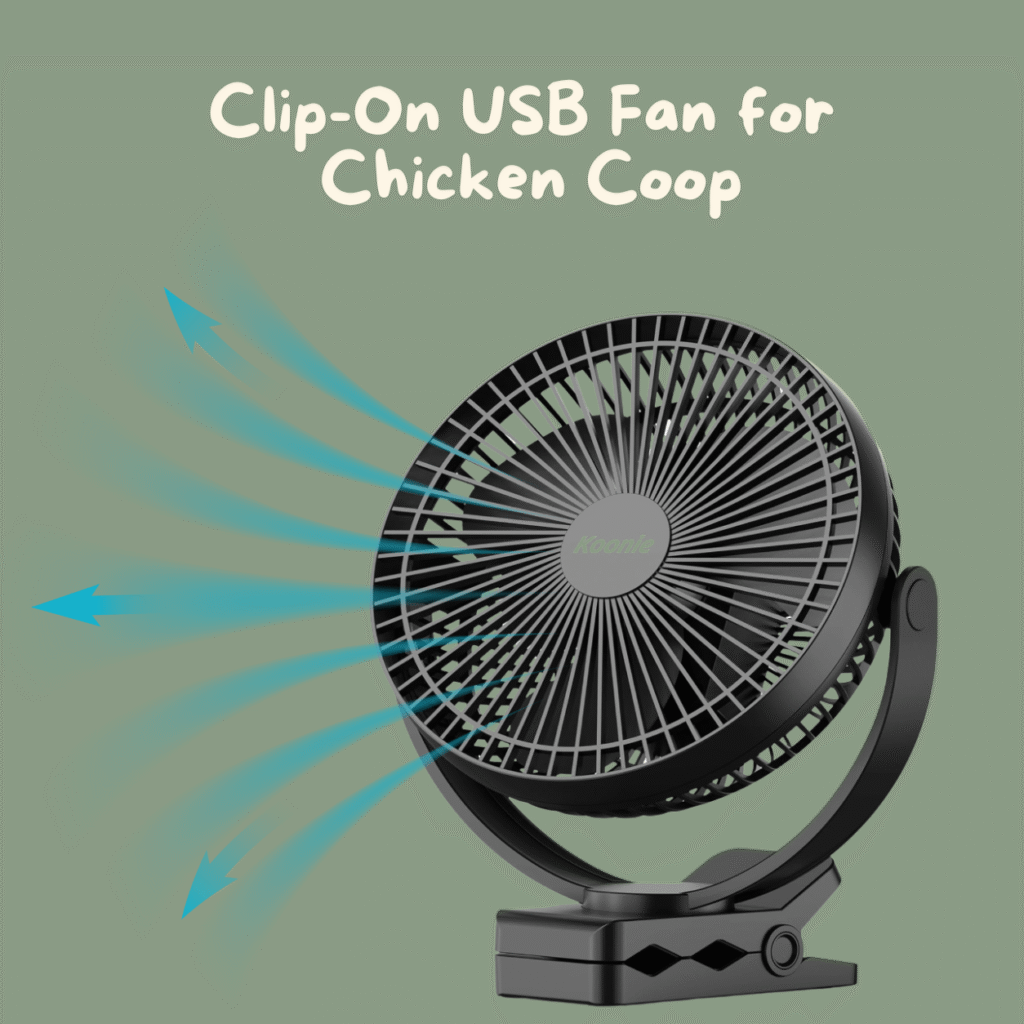
Look for:
- USB or battery powered for flexibility without needing mains access in the coop
- A clip or mount so it can be fixed securely without falling
- A quiet motor because loud fans can stress nervous birds
- At least two speed settings so you can adjust based on the temperature
Position the fan to move air through the space rather than blowing directly onto the birds, and ensure the cord and unit are placed completely out of pecking reach.
How To Prevent Heat Stroke Before It Happens
Prevention is always easier than treatment. A few simple adjustments to your summer routine can dramatically reduce the risk of heat stroke in your flock.
Practical prevention steps include:
- Ensure the coop has good cross ventilation so heat does not build up overnight
- Open pop holes and windows early in the morning before temperatures rise
- Add shade to the run using shade cloth, a tarpaulin, or natural planting
- Offer cool treats like chilled watermelon, cucumber, or frozen fruit as a way to add fluid intake and give birds something refreshing
- Fill shallow trays with cool water so birds can stand in them if they want to
- Move feeders and drinkers to the shadiest parts of the run during summer
- Avoid handling birds during the hottest part of the day
- Check on the flock more frequently during heatwaves, ideally mid-morning and mid-afternoon
Fun Fact
Watermelon is around 92 percent water, which makes it one of the best hot weather treats you can offer a chicken. Most flocks go absolutely wild for it, and it provides fluid, enrichment, and a natural cooling effect all at once.
Shade Cloth For Chicken Run
A good shade cloth is one of the most practical summer investments for any backyard chicken keeper. It can reduce the temperature inside a run significantly by blocking direct sunlight while still allowing airflow, which is far better than a solid cover that traps heat underneath.
Search Shade Cloth Garden Netting or Sun Shade Sail on Amazon UK to find a wide range of sizes and shading percentages.
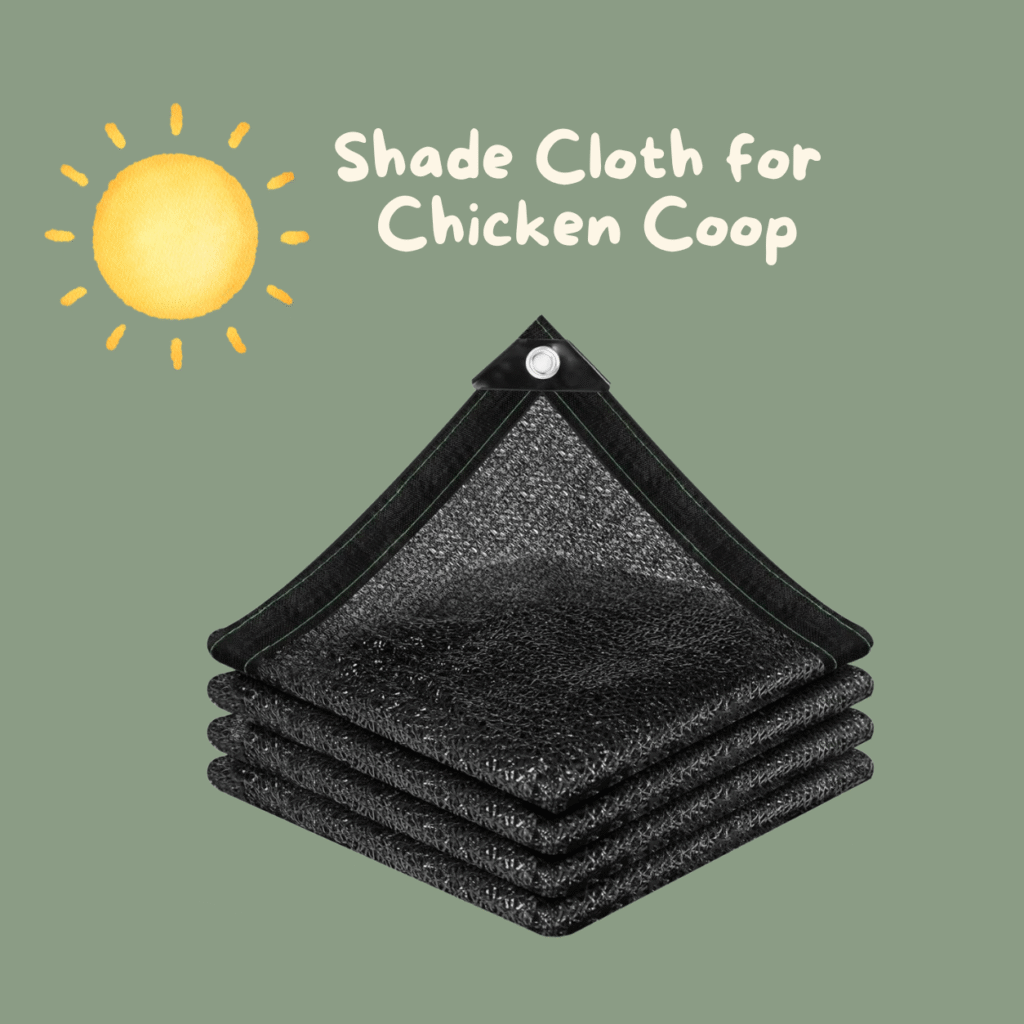
Watch Out for:
- A shade percentage between 50 and 70 percent for the best balance of shade and airflow
- A size that covers the majority of your run’s most exposed areas
- UV resistant material that will not degrade quickly in direct sun
- Easy fixing points so it can be attached to existing run frames securely
This is a simple, affordable product that makes a noticeable difference very quickly and works across every season by reducing sun, wind, and rain exposure.
Electrolytes And Recovery Support After Heat Stress
After a bird has experienced heat stress or a heat stroke episode, both gut health and hydration recovery are important. Electrolytes added to drinking water help replace what is lost during heavy panting and overheating and can support faster recovery.
Many experienced keepers keep a supply of poultry electrolytes on hand specifically for hot weather periods and use them routinely during heatwaves rather than waiting until a bird is already in trouble.
Fun Fact
Panting causes chickens to lose carbon dioxide from their blood, which disrupts the acid-base balance in their body. This is called respiratory alkalosis and it is one of the reasons heat-stressed birds can seem confused, wobbly, or uncoordinated even before full heat stroke sets in. Electrolytes help restore that balance faster.
Poultry Electrolyte Supplement
A poultry electrolyte supplement is a genuinely useful product to have in your chicken keeping kit before summer arrives. It can be added to drinking water during hot weather as a preventative measure, and used more actively during recovery after a heat stress episode.
Search Poultry Electrolytes or Chicken Electrolyte Supplement on Amazon UK to find several options quickly.

- A product specifically formulated for poultry rather than a generic animal version
- Powder format that dissolves easily into water
- One that includes vitamins alongside electrolytes for broader recovery support
- Clear dosage instructions for both prevention and treatment use
This is an inexpensive product that takes up very little storage space and is genuinely worth having before you ever need it rather than trying to order it urgently during a heatwave.
Breeds That Need Extra Attention In Summer
While all chickens can suffer in extreme heat, some breeds are significantly more vulnerable than others and need additional attention during warm weather.
Breeds that need extra summer care include:
- Heavy-feathered breeds like Buff Orpingtons, Brahmas, Cochins, and Silkies, because their dense plumage traps heat
- Brachycephalic or small-comb breeds like Silkies because their reduced comb size limits their ability to release heat through that area
- Dark-feathered breeds like Black Rocks, Black Australorps, and Jersey Giants because dark plumage absorbs significantly more solar heat
- Older birds and ex-battery hens, because their general resilience is lower
- Very young chicks because their thermoregulation is not yet fully developed
If your flock includes any of these birds, prioritising shade, cool water, and extra monitoring during hot spells is especially important.
Frozen Treat Mould For Chicken Enrichment
A silicone ice cube or treat mould is a simple and very practical hot weather tool for chicken keepers. You can fill it with water, fruit pieces, chopped greens, or a mix of all three, freeze it overnight, and offer the frozen blocks to your flock during the hottest part of the day.
Search Silicone Ice Cube Tray Large or Frozen Dog Treat Mould on Amazon UK, both work well for this purpose and are very easy to find.
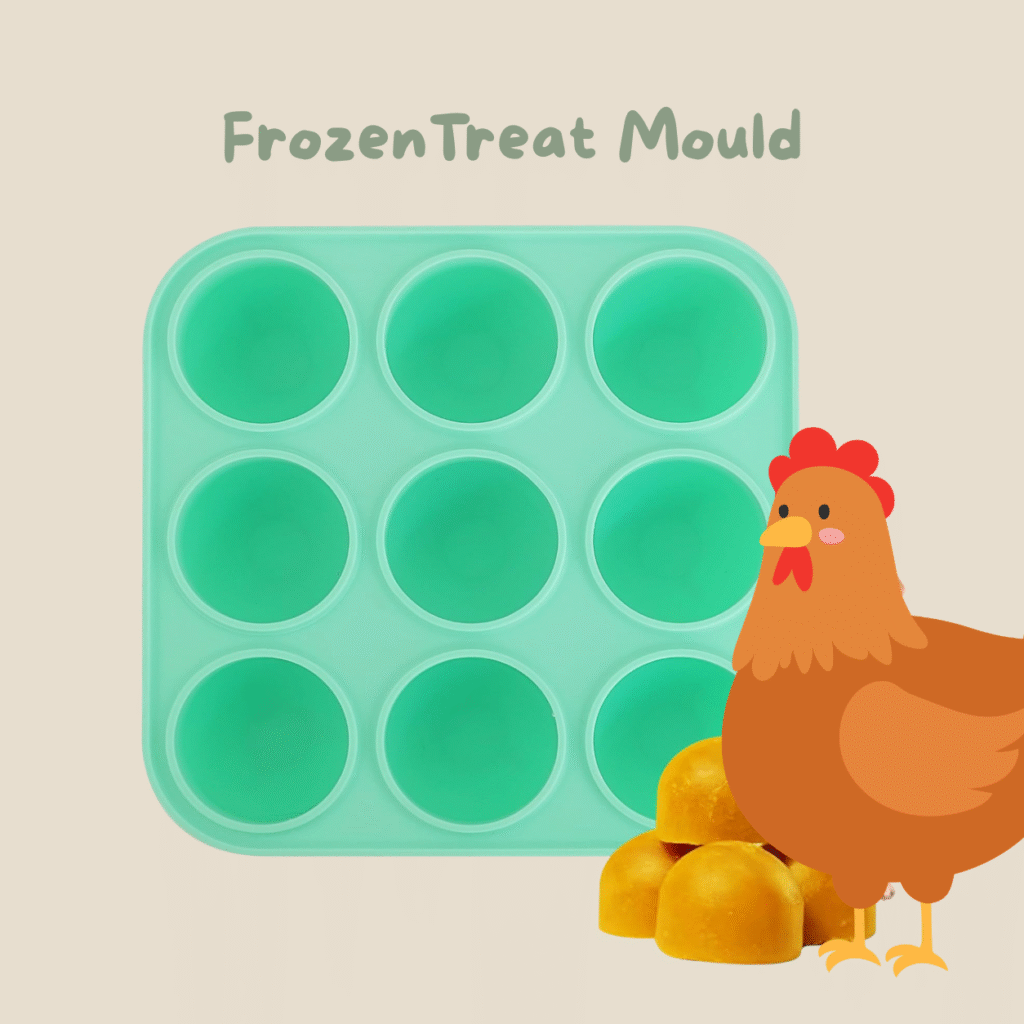
Look for:
- Large cube or block sized moulds rather than tiny ice cube sizes
- Flexible silicone so the frozen blocks pop out easily
- A size that gives a solid block lasting a reasonable amount of time in the heat
- A simple design that is easy to fill, freeze, and wash
Chickens love pecking at frozen treats and the activity keeps them engaged, hydrated, and cooler at the same time. It is one of the easiest and most rewarding things you can do for your flock on a hot day.
A Simple Summer Heat Checklist
Running through a quick mental checklist on hot days takes less than five minutes and can prevent a serious problem from developing.
Before the hottest part of the day arrives, check that:
- Fresh cool water is available at multiple points around the run
- Shade covers the main areas where birds tend to congregate
- The coop is well ventilated and not trapping heat inside
- You have done a quick visual check on every bird for early warning signs
- Electrolytes are available if temperatures are going to be extreme
- Frozen treats or cool extras are ready to offer mid-morning
Final Thoughts
Heat stroke in chickens is serious, but it is also largely preventable with the right preparation and the right routine in place before temperatures climb.
Know your flock. Watch for the early signs. Act fast if something looks wrong. And set up your space during cooler months so that when summer arrives, your chickens have everything they need to stay comfortable and safe.
A little preparation now is worth far more than a crisis response later.
Affiliate Disclosure: This post contains Amazon affiliate links. If you purchase through these links, we may earn a small commission at no extra cost to you.