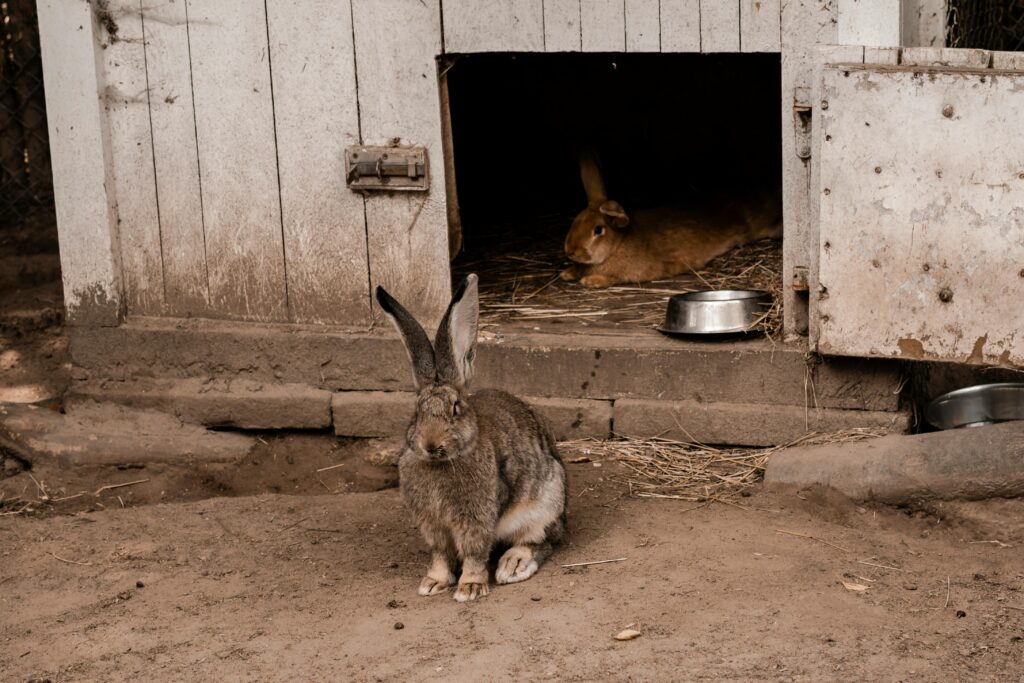
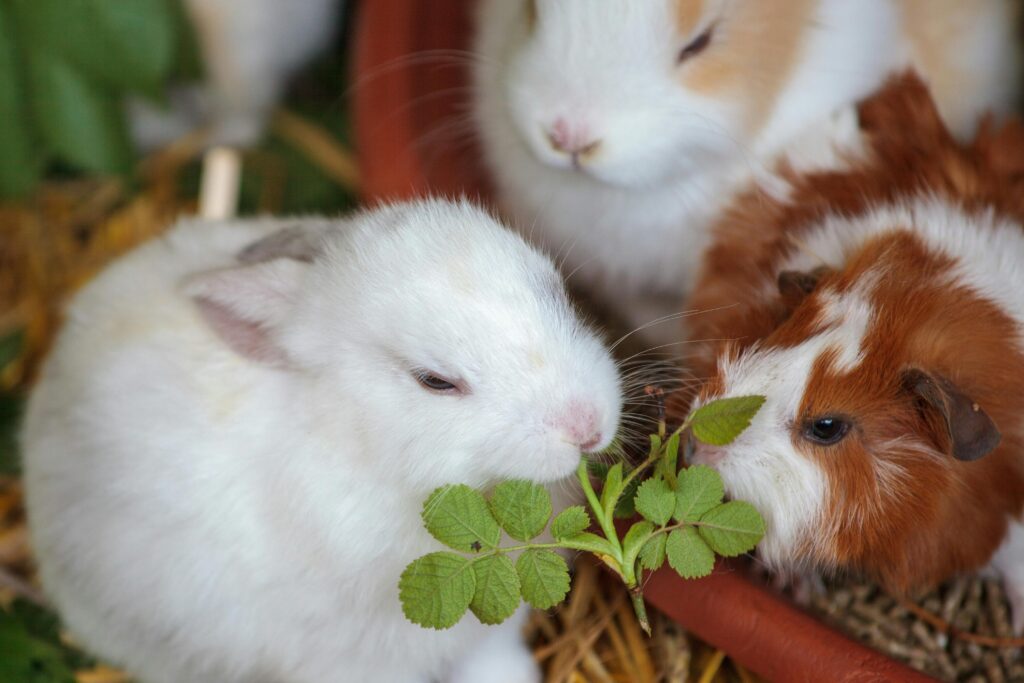
Living with rabbits means accepting one simple truth: if something rustles, smells fresh, or sounds even remotely snack-like, they are instantly interested. Rabbits may look delicate and polite, but when food is involved, they can become surprisingly determined little opportunists.
That curiosity is part of what makes them so lovable, but it also means owners need to be careful. Rabbits have sensitive digestive systems, very specific dietary needs, and a talent for acting thrilled about foods that are not actually good for them.
The good news is that rabbit feeding does not need to feel confusing. Once you understand the basics, it becomes much easier to choose safe foods, offer treats sensibly, and avoid the common mistakes that can upset a rabbit’s gut.
This guide covers what rabbits can eat safely, which snacks they genuinely enjoy, what foods should stay off the menu, and a few helpful products that can make mealtimes simpler and more enriching.
Start With The Basics First
Before looking at treats, it is important to understand what a healthy rabbit diet should look like every day. Rabbits should eat mostly unlimited grass hay, with fresh leafy greens, a small measured portion of high-fibre pellets, and fresh water always available. Hay should form the biggest part of the diet because it helps keep the digestive system moving properly and also helps wear down continuously growing teeth. Adult rabbits generally do best on grass hays such as timothy, orchard, or oat hay, while alfalfa is usually too rich for healthy adult rabbits.
A lot of new rabbit owners focus on pellets first, but hay is the real priority. If the hay is good, fresh, and always available, you are already doing the most important part of rabbit feeding right.
Fun Fact:
A rabbit’s teeth never stop growing, which is one of the biggest reasons hay matters so much. All that steady chewing helps keep the teeth worn down naturally and lowers the risk of painful dental problems.
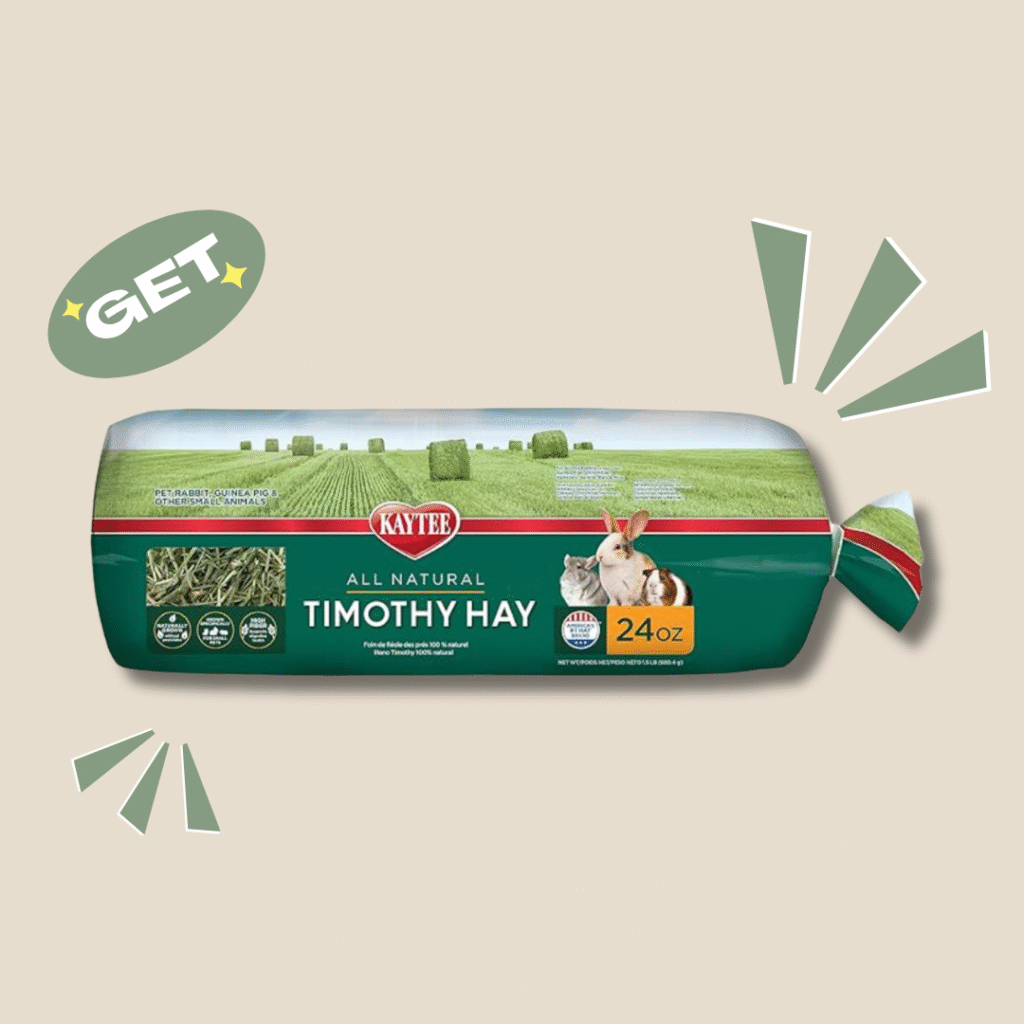
A fresh, good-quality timothy hay or mixed grass hay is the most important product in any rabbit setup. It supports digestion, helps with dental health, and gives rabbits the constant chewing opportunity they need.
this timothy hay for rabbits on Amazon is the staple product that should always be available.
Look for:
- A fresh natural smell
- Long dry strands rather than mostly dust
- No sugary extras or colourful mix-ins
- Good storage so it stays dry and appealing
Safe Foods Rabbits Can Eat Regularly 🥕
Once hay is covered, fresh greens are where rabbits get variety. Safe leafy greens and herbs for rabbits include options such as romaine lettuce, coriander, basil, dill, mint, watercress, chicory, rocket, carrot tops, and other suitable leafy greens. Variety matters because rotating greens helps provide a broader mix of nutrients and avoids relying too heavily on one ingredient all the time. Many rabbit care guides recommend feeding several types of greens rather than the exact same salad every day.
Some vegetables can also be fed in smaller amounts alongside leafy greens, including bell pepper, courgette, broccoli greens, Brussels sprouts, squash, and radicchio. Certain greens that are higher in calcium or oxalates may be better rotated rather than fed heavily every day.
Safe regular options often include:
- Romaine lettuce
- Rocket
- Basil
- Coriander
- Dill
- Mint
- Watercress
- Chicory
- Carrot tops
- Bell pepper
- Courgette
- Radicchio
- Broccoli greens
The safest approach is to introduce new foods slowly and watch how your rabbit responds. Sudden changes can upset a sensitive digestive system.
Fun Fact
Rabbits can see almost all the way around themselves, but they have a small blind spot right in front of their nose. That is one reason they rely so much on their whiskers and sense of smell when inspecting food up close.
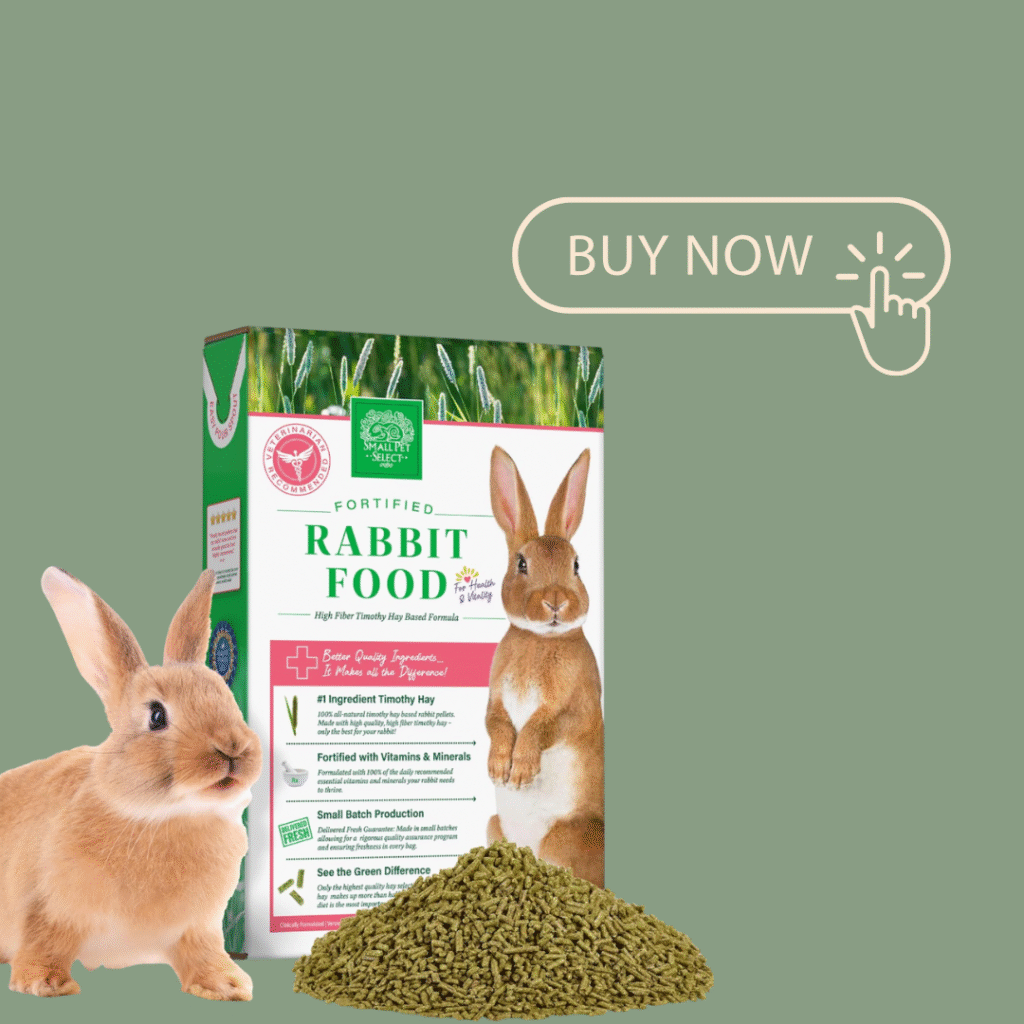
A high-fibre rabbit pellet can support a healthy diet, but only as a measured extra rather than the main event. Rabbits need mostly hay, with pellets kept to a sensible portion based on age, weight, and overall diet. Plain pellets are usually a much better choice than muesli-style mixes, which can encourage selective feeding.
A useful option is this rabbit pellet food on Amazon, especially if you want something simple and hay-based.
What you should be looking out for:
- High fibre content
- Plain pellets, not colourful mixes
- Timothy-based formula for adult rabbits
- No sugary fillers or novelty extras
Which Snacks Rabbits Actually Love ❤️
If rabbits were allowed to design their own menu, there would probably be far more sweet treats involved. Many rabbits genuinely love small pieces of fruit, fragrant herbs, and rabbit-safe forage treats. Fresh herbs like mint and basil often go down very well, while tiny portions of fruit such as apple, pear, berries, banana, or melon can feel extremely exciting to them.
The important part is keeping those treats small. Fruit is safe in very limited amounts, but it is still sugary, so it should stay an occasional treat rather than a daily habit. Several rabbit care sources recommend offering only tiny amounts once or twice a week.

Popular rabbit treats often include:
- A tiny slice of banana
- A blueberry or strawberry
- A small cube of apple or pear with no seeds
- Fresh mint
- Fresh basil
- Coriander
- Dried forage blends with safe herbs and flowers
Fun Fact
Many rabbits have a real sweet tooth, which is why fruit can seem almost magical to them. The excitement is adorable, but it is also exactly why sugary treats need to stay small and occasional.
A dried forage mix is a nice way to add interest to your rabbit’s routine without leaning too heavily on fruit. Good forage blends often contain rabbit-safe herbs, leaves, and flowers that encourage natural nibbling and foraging behaviour. Like You could feature this dried forage blend for rabbits on Amazon as a treat topper or enrichment option.
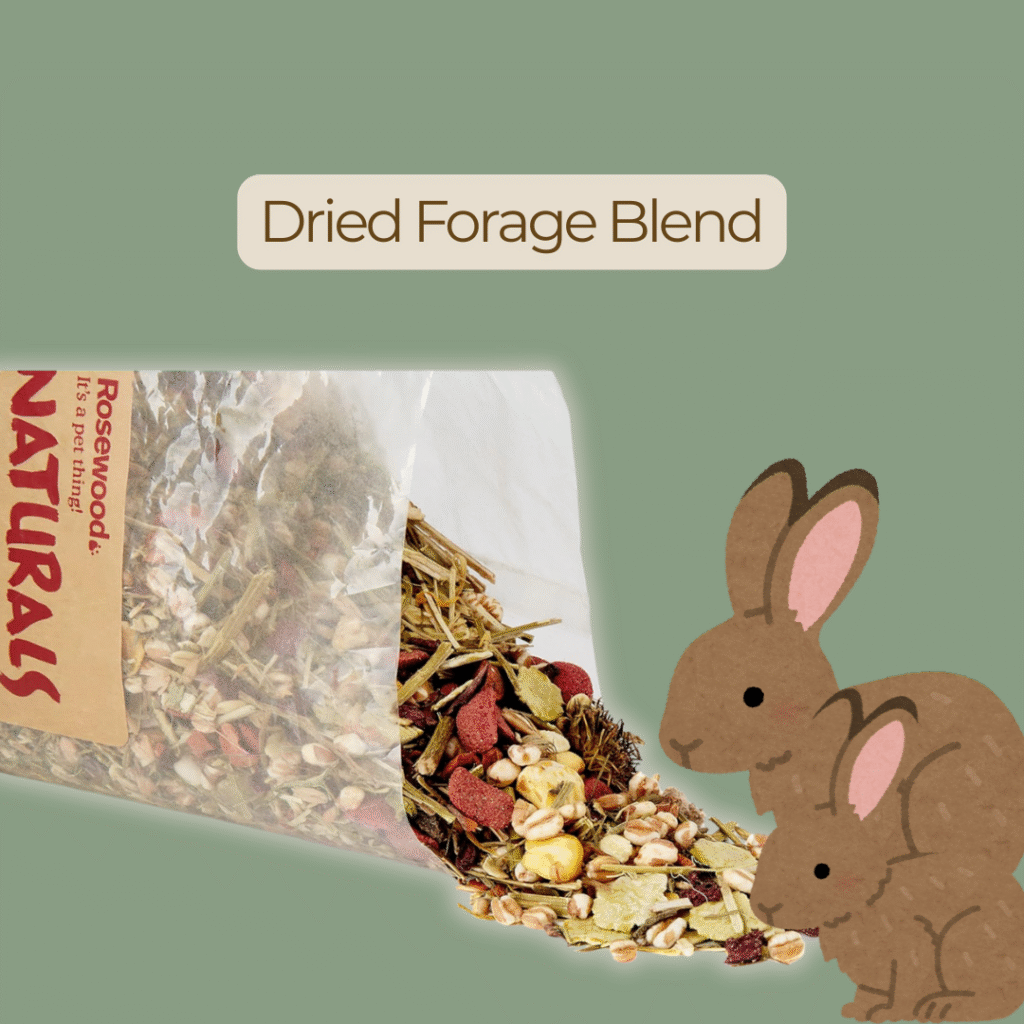
Look for mixes that include:
- Dried herbs
- Leaves and flowers
- Rabbit-safe forage ingredients
- No yoghurt pieces, seeds, nuts, or added sugar
Fresh Fruit And Veg That Work Best As Treats ✅
Some foods are perfectly safe, but still better treated as occasional extras instead of everyday staples. Fruit is the clearest example. Apples, pears, berries, banana, and melon can all be offered in very small portions, but rabbits do best when sugary foods are kept tightly controlled.
Some vegetables also work well as part of variety rather than large daily servings. Bell peppers, courgette, Brussels sprouts, squash, and some leafy vegetables can all be used sensibly as part of a balanced feeding routine.
A good rule is simple: if your rabbit gets very excited about it, that does not automatically mean they need more of it.
Foods Rabbits Should Not Eat ❌
This is the part that saves a lot of well-meaning mistakes. Rabbits should not be fed chocolate, avocado, onions, garlic, bread, crackers, pasta, cereal, nuts, seeds, yoghurt drops, and many sugary or heavily processed small-animal treats. Fruit seeds and pits should also be avoided. Some of these foods are toxic, while others are simply too rich, too sugary, or too disruptive for a rabbit’s digestive system.
Unsafe or unsuitable foods include:
- Chocolate
- Avocado
- Onion
- Garlic
- Bread
- Crackers
- Pasta
- Cereal
- Nuts
- Seeds
- Yoghurt drops
- Sugary shop-bought treats
- Fruit pits and seeds
A lot of packaged rabbit treats look cheerful and harmless, but appearance is not a good guide. If it looks more like confectionery than rabbit food, it is usually best left out.
Fun Fact
Some of the most common “treat” products sold for rabbits, especially yoghurt drops, are actually a poor fit for a rabbit’s gut. Rabbit care groups regularly warn against them because rabbits do not need dairy-based sugary snacks and their digestion is much better suited to simple, fibre-rich foods.
A rabbit treat ball or simple foraging toy can make snack time more enriching and slow things down a little. Instead of inhaling a handful of pellets or herbs in seconds, rabbits get to sniff, nudge, and work things out. For example, this rabbit treat ball or forage toy on Amazon
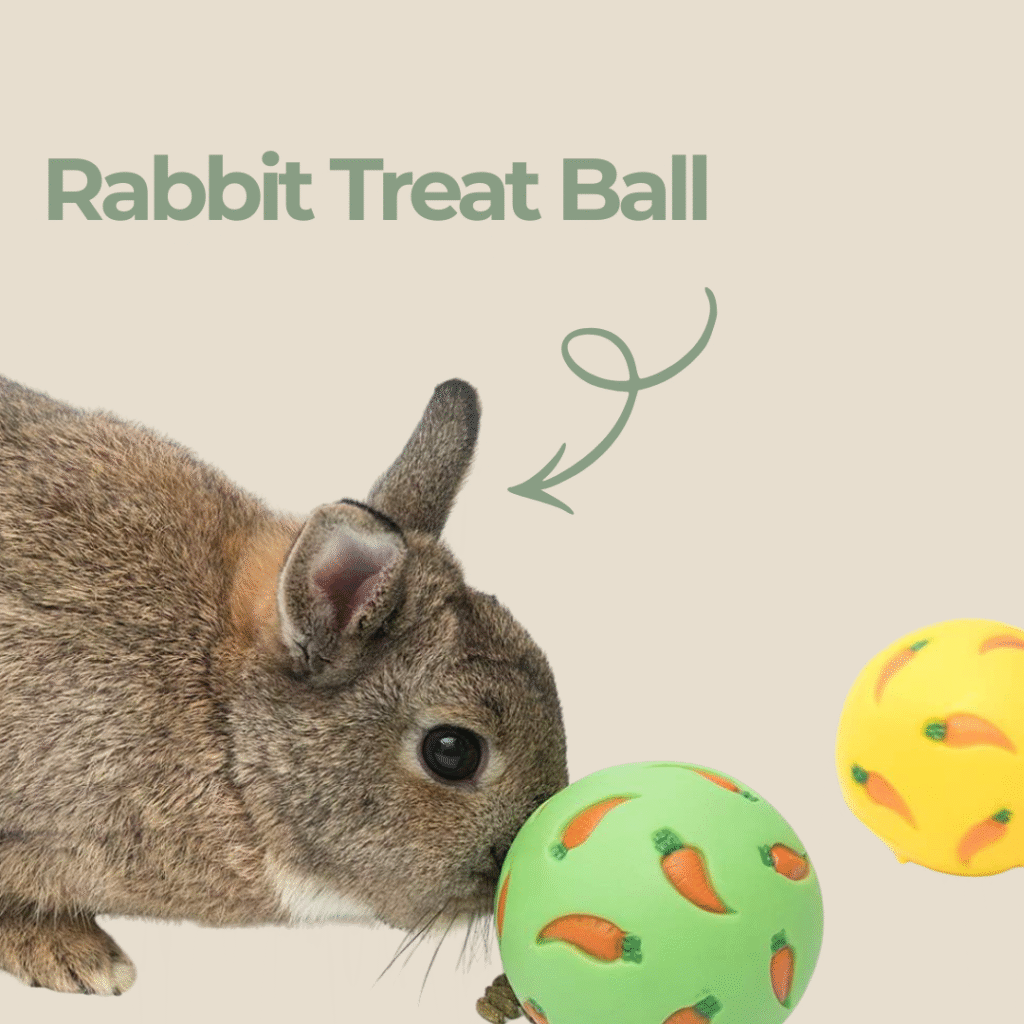
This is perfect for:
- Indoor enrichment
- Slower pellet feeding
- Mental stimulation
- A more interesting way to offer herbs or forage
This can be especially useful for indoor rabbits that need more stimulation during the day.
How Often Should Rabbits Get Treats
Treats should stay small, simple, and occasional. Hay should always remain the main food, leafy greens should provide daily variety, pellets should stay measured, and sweeter items like fruit should be kept to very small portions. Some guidance suggests fruit no more than once or twice a week, with portions kept tiny.
If you want to spoil a rabbit without overdoing sugar, fragrant herbs and rabbit-safe forage are usually a smarter choice than another fruit treat.
A simple way to think about the diet is:
- Hay is the main meal
- Greens are the daily fresh part
- Pellets are the measured extra
- Treats are the small bonus
A Simple Rabbit Feeding Routine
Rabbit feeding feels much easier when it follows a basic rhythm instead of random snacks and guesswork.
A practical routine looks like this:
All day
- Unlimited grass hay
- Fresh water
Daily
- A variety of leafy greens
- A measured portion of high-fibre pellets
Occasionally
- Small fruit pieces
- Safe forage treats
- Extra herbs for enrichment
Keeping the routine simple usually leads to a happier rabbit and a healthier gut.
A rabbit hay feeder is a simple but genuinely useful product because it helps keep hay cleaner, easier to access, and less wasted. Since hay should always be available, anything that encourages more hay eating is worth considering.this rabbit hay feeder on Amazon
to make daily feeding easier and tidier.
Look for:
- Easy access for nibbling
- Good airflow so hay stays dry
- A design that reduces waste
- Easy refilling and cleaning
A rabbit hay feeder is a simple but genuinely useful product because it helps keep hay cleaner, easier to access, and less wasted. Since hay should always be available, anything that encourages more hay eating is worth considering. This rabbit hay feeder on Amazon is perfect to make daily feeding easier and tidier.
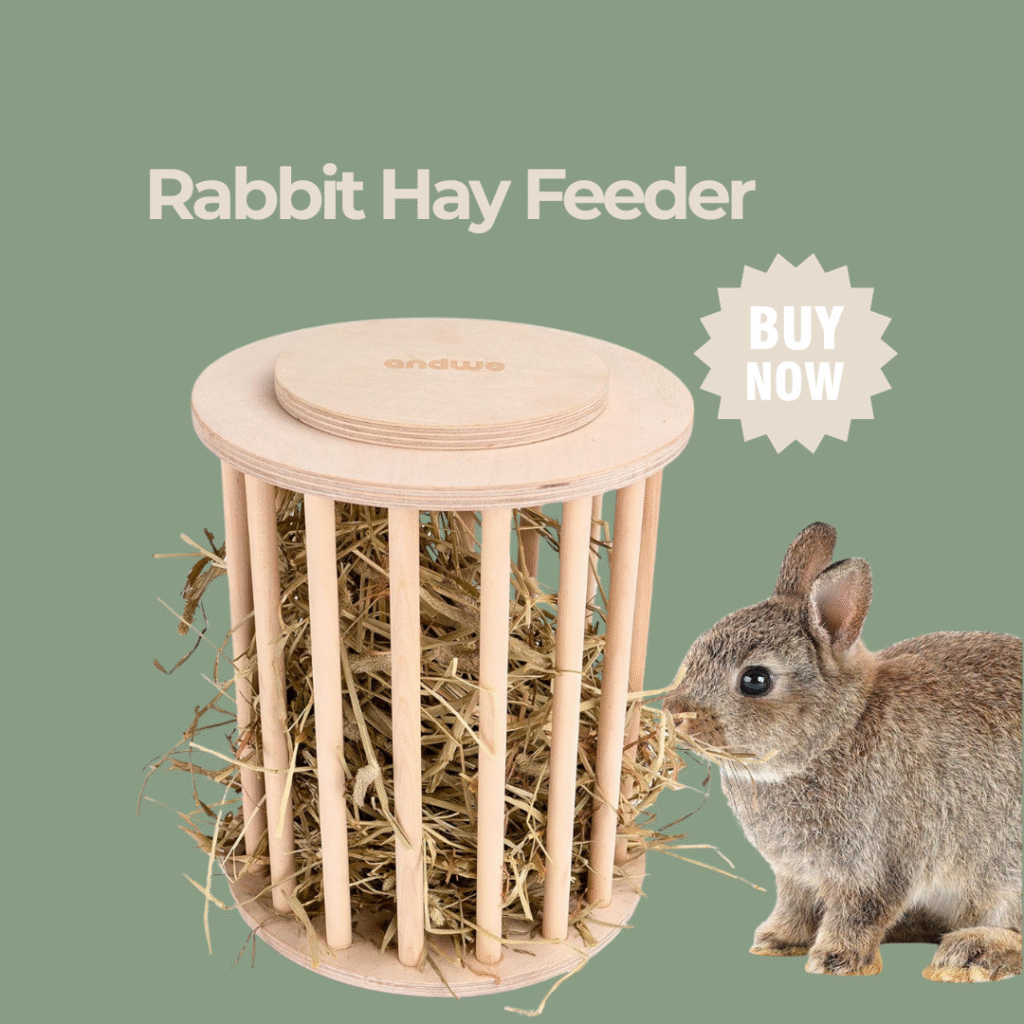
Look for:
- Easy access for nibbling
- Good airflow, so hay stays dry
- A design that reduces waste
- Easy refilling and cleaning
Final Thoughts
Rabbits do not need a complicated menu, but they do need the right balance. Hay should always come first, leafy greens bring variety, pellets should stay measured, and treats work best when they are small, safe, and worth the excitement.
Once the basics are in place, snack time becomes a lot more enjoyable. Your rabbit gets variety and enrichment, and you get the peace of mind that comes from knowing the treats are genuinely suitable.
⚠️ Affiliate Disclosure: This post contains Amazon affiliate links. If you purchase through these links, we may earn a small commission at no extra cost to you.