Few things feel more frustrating than opening the nest box and finding sticky straw, half shells and no eggs.
If your hens have started cracking and eating their own eggs, it is not always because they are “bad chickens.” It is usually a mix of thin shells, boredom, feed issues or nest box problems.
The good news is that most egg eating habits can be turned around with simple changes to feed, nesting and enrichment.
This guide will walk through:
- What causes hens to eat eggs
- Product types that help prevent it
- Routine tweaks that protect eggs without harsh tricks
Step 1: Understand Why Chickens Eat Eggs?
Before you can fix egg eating, it helps to know why it starts:
- Thin or soft shells that crack easily when hens walk or sit on them
- Lack of calcium and grit so hens seek extra calcium from shells
- Boredom and overcrowding leading to pecking and breaking eggs for entertainment
- Poor nest design where eggs roll to the edge or sit in a high traffic area
- Accidental breakage that turns into a learned behaviour once hens discover the taste
If you only focus on stopping hens from tasting eggs, without fixing the root causes, the habit often returns.
Better Layer Feed And Grit
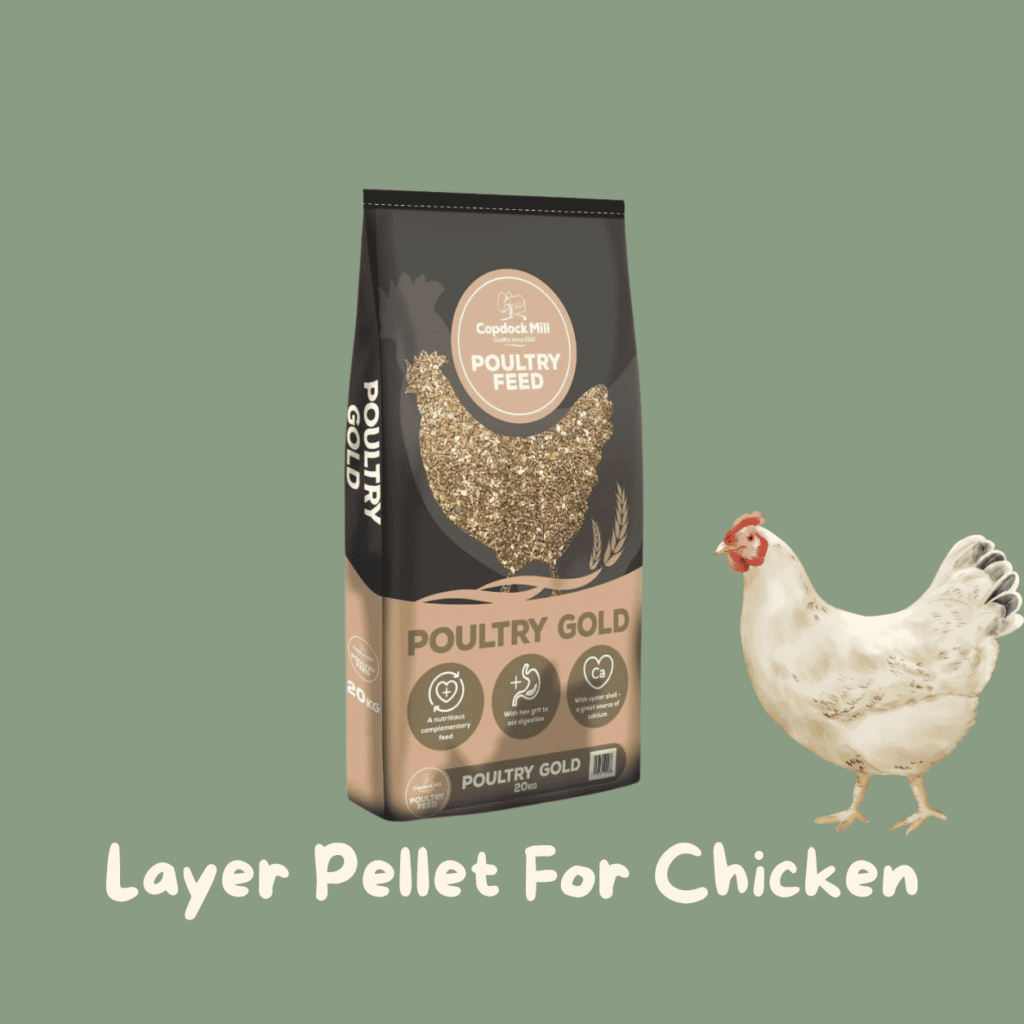
For Hens With Thin Shells Or Nutritional Gaps. Eggs are built from what hens eat. If your birds are on basic mixed corn, old feed or lots of kitchen scraps, shells can end up thin and fragile. A good quality layer feed paired with calcium and grit can make shells stronger and less likely to crack.
Look for:
- Layer pellets or mash formulated for laying hens
- Clear labelling of calcium levels and vitamin D
- Separate tubs of mixed grit or oyster shell that hens can help themselves to
This is the kind of change you make when eggs feel soft, shells break easily in your hand or you notice lots of shell fragments in nests.
Support For Eggshell Strength
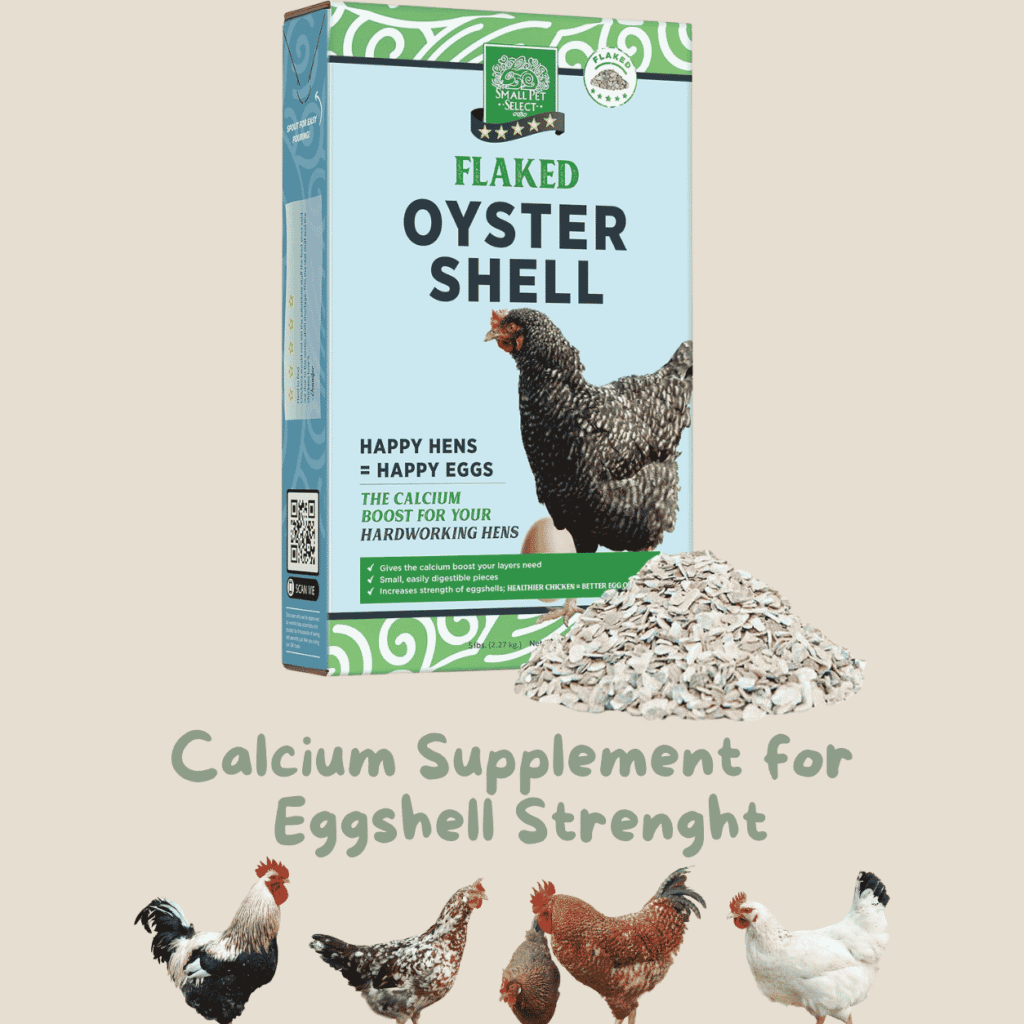
For Hens Who Need Extra Help Beyond Standard Feed. Some hens need more support, especially older birds or those recovering from illness.Gentle eggshell strength supplements or calcium boosters can help raise shell quality without overloading them.
Typical options include:
- Powdered calcium or mineral supplements to sprinkle over feed
- Liquids that go into drinking water to support shell formation
- Targeted products that combine calcium with vitamin D and trace minerals
You can:
- Use supplements only as directed and for the recommended period
- Focus on hens who lay thin shelled eggs or have a history of shell issues
- Keep track of egg quality over several weeks to see if shells improve
This is useful for flocks where you have already upgraded feed but shells are still weak and prone to cracking.
An Improved Nest Box Setup
For Coops Where Eggs Are Cracking In The Nest Sometimes the problem is not the hen, but the nest.
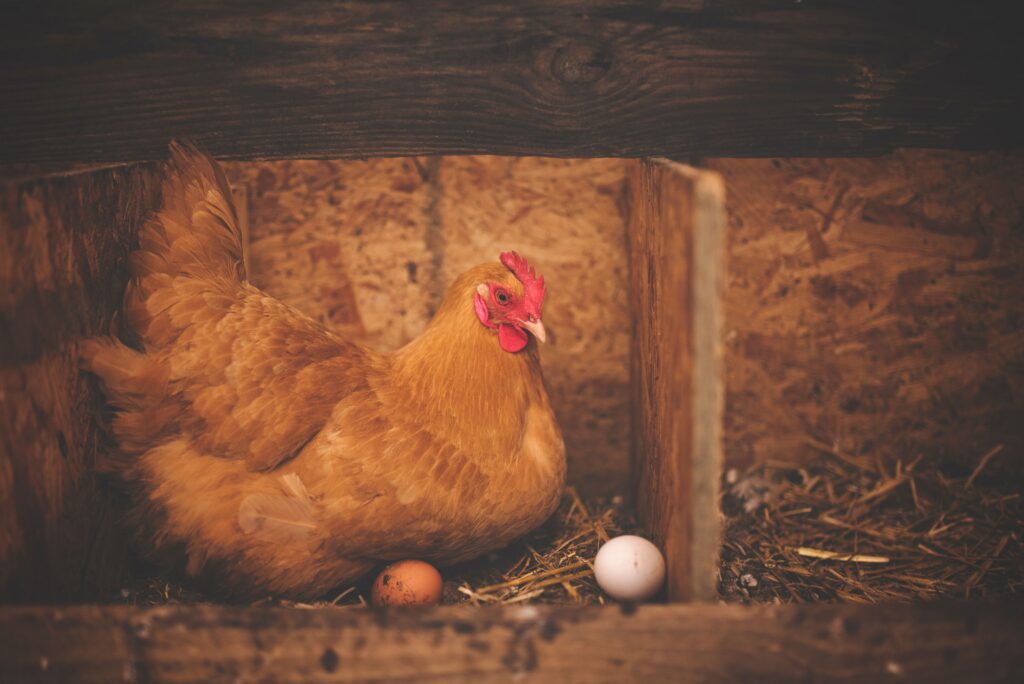
If eggs roll to the edge, sit on hard surfaces or end up where hens jump in and out, cracks are more likely.
Nest box improvements can include:
- Soft nest pads or thick shavings that cushion eggs
- Roll away nest boxes that gently move eggs to a protected tray once laid
- Curtains or flaps that make nests darker and more private
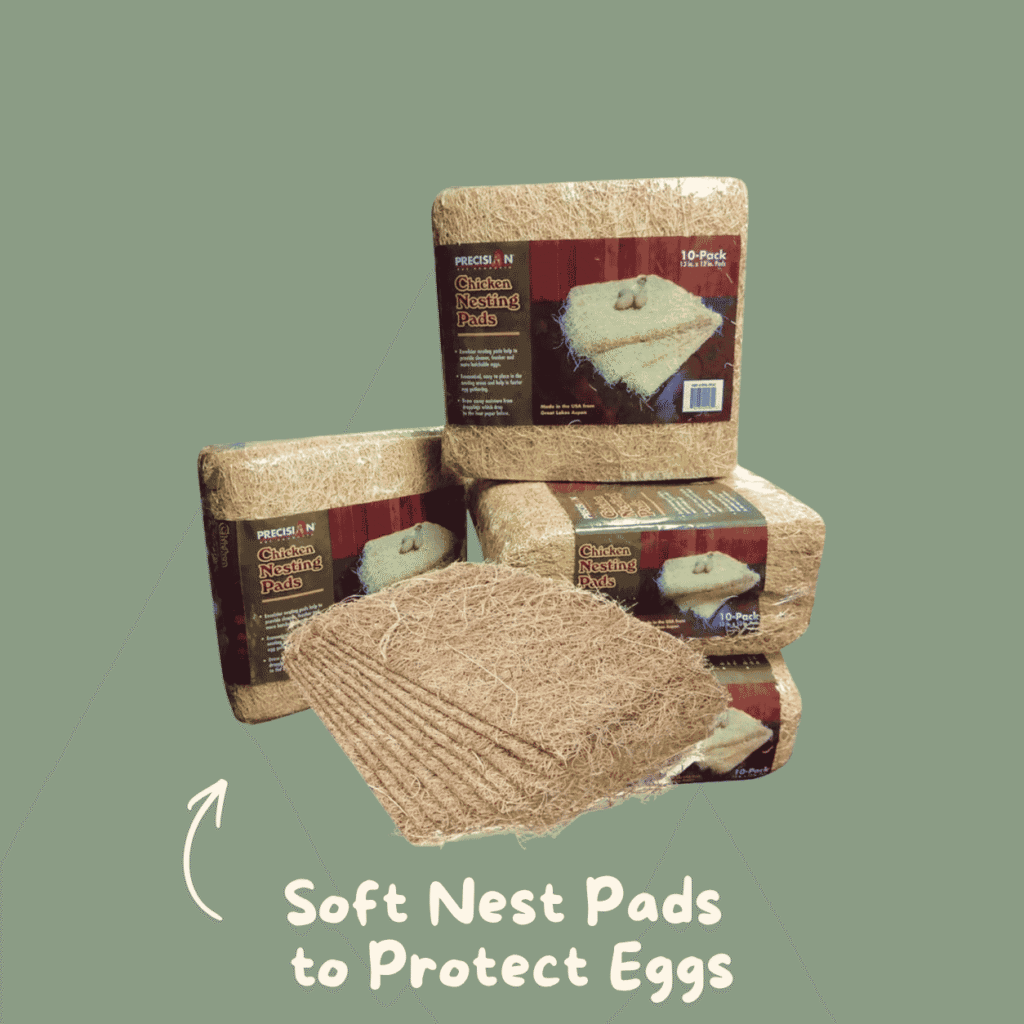
- Line nests with a good layer of straw, shavings or nest pads so eggs have a soft landing
- Adjust nest angle slightly so eggs roll away from the hen into a protected area
- Add simple curtains to reduce pecking and give hens a sense of privacy
These changes suit coops where you often find cracked eggs in the nest with clear shell fragments but no obvious bullying.
Did You Know? Fun Egg Facts For Chicken Keepers
- Chickens often discover egg eating by accident, when a single egg cracks and they clean it up.
- A hen can lay more than 250 eggs a year, so even small shell problems add up over time.
- Calcium and vitamin D are both essential for strong shells. Sunshine helps hens use calcium properly.
- Bored hens are more likely to develop bad habits, not just egg eating but feather pecking and bullying.
- Good quality layer feed and a simple grit pot often prevent egg problems before they ever start.
Boredom Buster Toys And Feeders
For Hens Who Peck Eggs Out Of Curiosity Or Boredom. Chickens are clever and busy. If they have nothing to do and too little space, they start pecking at whatever is nearby, including eggs.
Enrichment toys and smarter feeders give them safer targets. Good boredom busters include:
- Hanging treat holders for cabbage, corn or leafy greens
- Treat balls or pecking blocks that take time to work through
- Multi level perches and ladders so hens can move and explore
You can check out our Blog for amazing chicken toys here
- Hang vegetables or leafy greens at head height instead of leaving food on the floor
- Use treat balls or blocks that encourage pecking without involving eggs
- Add perches at different heights so hens can jump and roost instead of crowding nest areas
These tools are especially helpful for rescue hens or flocks in smaller runs where boredom leads to pecking and bad habits.
Egg Collecting Routine And Dummy Eggs
For Coops Where Hens Have Learned The Taste Of Eggs
Once hens have eaten eggs a few times, they can learn the habit.
You have to make eggs less available and less interesting.
Small changes can help:
- Collect eggs more frequently throughout the day
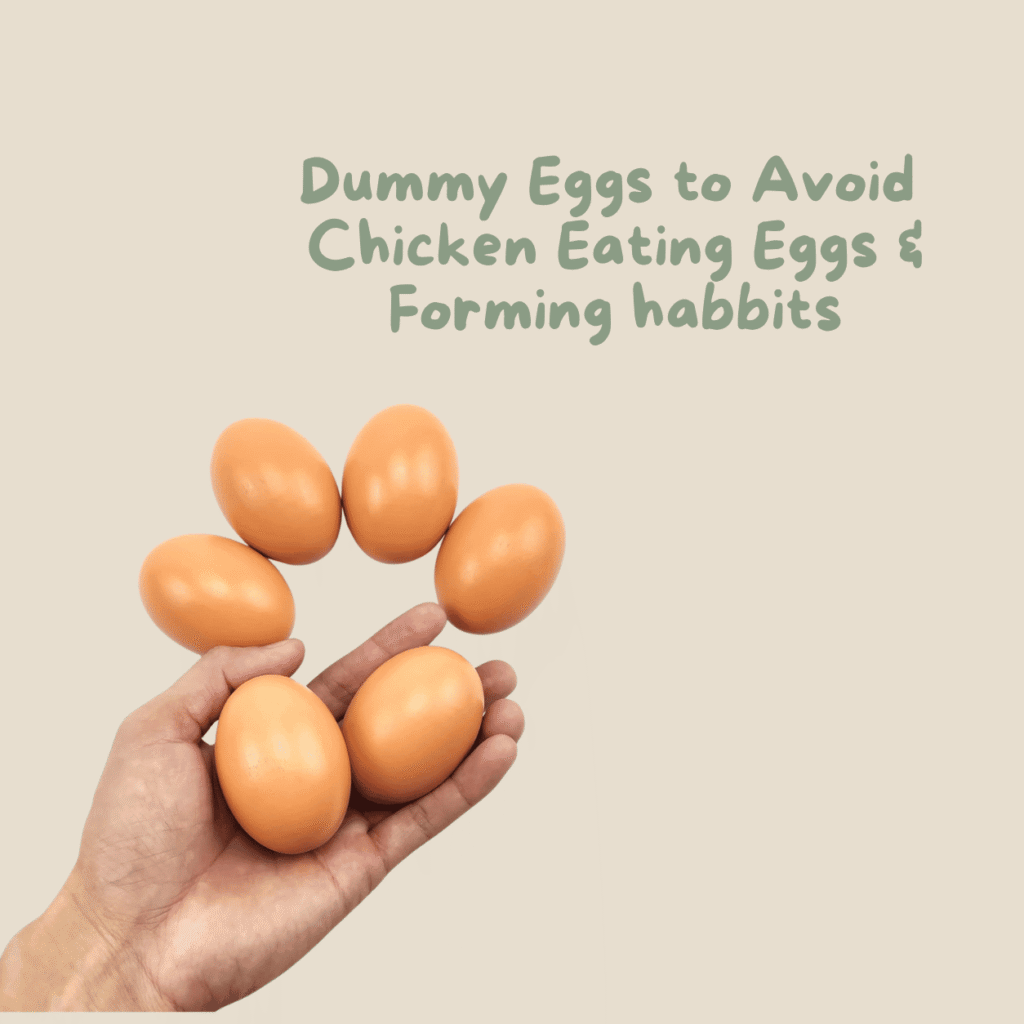
- Place ceramic or wooden dummy eggs in nests so pecks do not lead to food
- Avoid smashing eggs in front of hens or discarding broken eggs where they can reach them
- Do morning, midday and late afternoon egg checks if possible
- Use dummy eggs to discourage pecking while real eggs are removed quickly
- Clean up any broken eggs promptly so hens do not associate nests with snacks
This routine fits flocks where hens clearly seek out eggs and deliberately break them, rather than just walking on them by accident.
How To Put It All Together
Stopping egg eating usually requires a combination of changes, not just one. A practical plan might look like this:
- Upgrade to a good layer feed and add a grit or oyster shell station
- Improve nests with soft bedding or nest pads, and consider roll away boxes if breakage is frequent
- Add boredom busters, hanging treats and extra perches in the run
- Start collecting eggs more often and use dummy eggs to break the pecking habit
Make changes steadily over a few weeks.
Watch how hens behave in the coop and around nests.
Note any shifts in shell quality, egg numbers and pecking.
How To Choose The Right Fix For Your Flock
Use your flock’s behaviour as a guide.
If you notice:
- Soft or thin shells
Focus on better layer feed and a shell strength supplement. - Cracked eggs in the nest with lots of traffic
Improve nest bedding, consider roll away nests and reduce jumping into nests. - Hens pecking eggs and each other
Add enrichment toys, treat holders and more space or perches. - Eggs disappearing quickly after laying
Collect more often, use dummy eggs and keep broken eggs out of reach.
You do not need to buy or change everything at once.
Start with the most obvious issue, give it two to three weeks, then add or adjust based on what you see.
When To Get Extra Help?
Sometimes egg eating is part of a bigger health or welfare picture.
Speak to a vet or poultry specialist if:
- Shell problems are severe or long lasting
- Hens stop laying suddenly
- You see blood, prolapse or other signs of illness
- Bullying, feather loss or injuries appear alongside egg eating
Professional advice can help you rule out medical causes and design a plan that suits your specific flock, coop and environment.
Affiliate Disclosure
This blog may contain affiliate links to chicken feed, supplements, nest box products and enrichment toys. If you purchase through these links, Fetch Stop may earn a small commission at no extra cost to you.