FetchStop

Dog Health

Pooch & Mutt comparison page
Buying Guides

Pooch & Mutt vs Harringtons Sensitive Stomach Dog Food: Which Is Better in UK 2026?

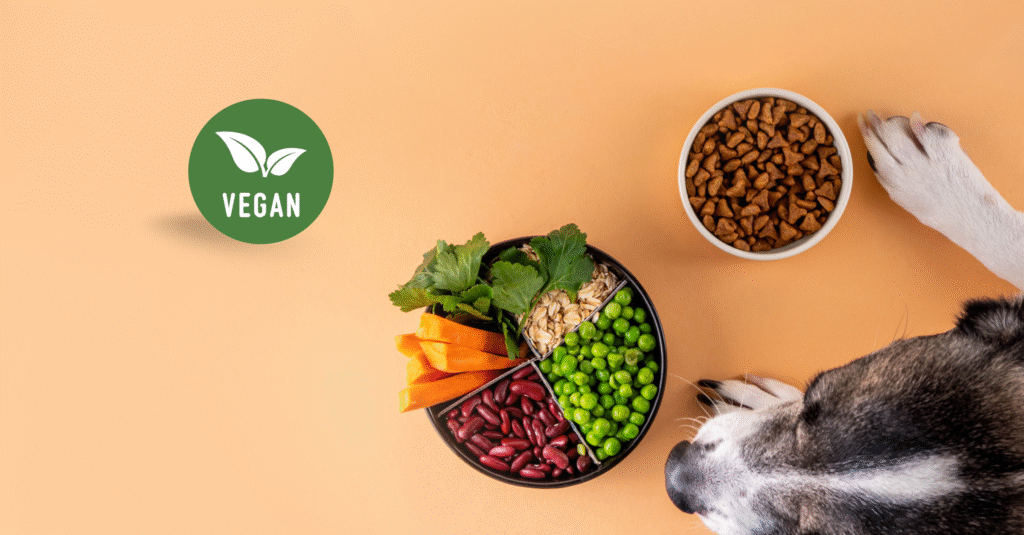
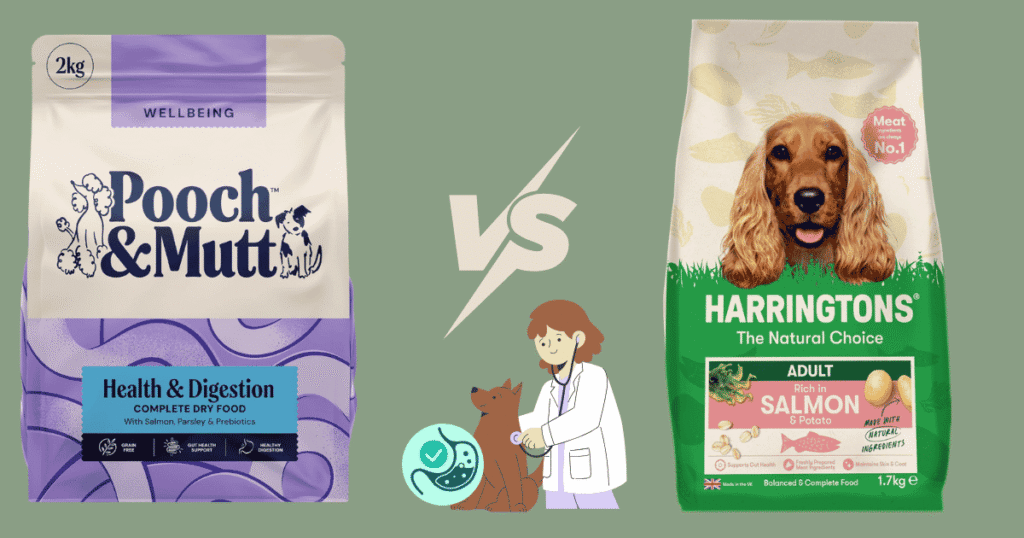
Buying Guide · Dry Dog Food Pooch & Mutt vs Harringtons Dry Dog Food: Which One Is Right for Your Dog? A premium sensitive-stomach formula versus a beloved everyday classic, compared side by side so you can stop guessing and feed with confidence. 🇬🇧 UK Buyers 📅 Updated June 2026 ⏱ 4 min read ✅ Both available on Amazon UK Why Does Choosing the Right Dry Dog Food Matter? Not all kibble is created equal. The ingredients in your dog’s daily bowl directly affect their digestion, coat condition, energy levels, and long-term health. Dogs with sensitive stomachs or food intolerances need carefully chosen proteins and fibres, while healthy dogs on a budget still deserve natural, additive-free nutrition. Pooch & Mutt targets specific health concerns with functional ingredients; Harringtons aims to deliver solid everyday nutrition at an accessible price. Both are made in the UK and stocked widely on Amazon, but they serve quite different dogs. The Two Contenders Editor’s Pick Product 1 Pooch & Mutt Health & Digestion Dry Dog Food ★★★★☆ 4.4 / 5 · 1,000+ reviews on Amazon UK FlavourSalmon & Sweet Potato Main protein45% salmon (fresh + dried) Grain-freeYes, no wheat, corn or rice Key additivesProbiotics, prebiotics, psyllium husk, parsley Life stageAll ages from 12 weeks Vet recommendedYes Made inUK View on Amazon UK Product 2 Harringtons Complete Dry Adult Dog Food Turkey & Veg ★★★★★ 4.6 / 5 · 8,800+ reviews on Amazon UK FlavourTurkey & Vegetables Main protein26% turkey and meat meals Grain-freeNo, contains rice, maize, barley Key additivesPrebiotic FOS, seaweed, salmon oil, yucca extract Life stageAdult dogs from 8 weeks No artificial additivesYes, no colours, flavours or preservatives Made inUK View on Amazon UK Pros and Cons Pooch & Mutt Health & Digestion ✓ 45% salmon, a high-quality, easily digestible single protein source ✓ Grain-free, ideal for dogs with wheat or corn sensitivities ✓ Probiotics and prebiotics actively support gut microbiome health ✓ Psyllium husk promotes firm stools, a genuine help for loose-stool dogs ✓ Vet recommended and free from artificial colours, flavours and preservatives ✓ Suitable for all ages from 12 weeks, including puppies ✗ Noticeably more expensive per kilogram than mainstream brands ✗ Fishy smell can be off-putting to some owners (dogs tend to love it) ✗ Smaller available bag sizes than budget competitors Harringtons Turkey & Veg ✓ Outstanding value for money, one of the best-priced natural dry foods in the UK ✓ Over 8,800 Amazon UK reviews with a 4.6 star average, an exceptional trust signal ✓ Available in large bags up to 18 kg, great for multi-dog homes or big breeds ✓ No artificial colours, flavours or preservatives, genuinely natural ✓ Salmon oil for coat health and immune support included ✓ FreshCook chicken gravy baked into kibble boosts palatability ✗ Contains grains (rice, maize, barley), not suitable for grain-intolerant dogs ✗ Lower overall meat percentage than premium specialist foods ✗ Not formulated for specific health conditions like sensitive digestion Side by Side Comparison Feature Pooch & Mutt Health & Digestion Harringtons Turkey & Veg Primary protein 45% salmon (single source) 26% turkey & meat meals Grain-free Yes No (rice, maize, barley) Gut health support Probiotics, prebiotics, psyllium husk Prebiotic FOS, yucca extract Sensitive stomach Specifically formulated for it General formula, not targeted Vet recommended Yes Not specifically stated No artificial additives Yes Yes Coat & skin support Omega-3 from salmon oil & linseed Omega 3 & 6 from salmon oil Suitable for puppies Yes, from 12 weeks From 8 weeks (adult formula) Available bag sizes 2 kg, 10 kg Up to 18 kg Value for money Premium pricing Excellent everyday value Amazon UK rating 4.4 / 5 · 1,000+ reviews 4.6 / 5 · 8,800+ reviews Made in UK Yes Yes What UK Buyers Are Saying Pooch & Mutt Customer Highlights ★★★★★ “My dog had runny poos and was recommended to try this food. Within a day I noticed a difference, firm stools, less often, and he seemed more full throughout the day.” Amazon UK verified buyer ★★★★★ “My dog has a sensitive tummy and this is the only dry food she can eat without issues. We have not looked back since switching.” Amazon UK verified buyer ★★★★☆ “Love the quality ingredients. A little pricey but you can genuinely see the difference in coat condition and digestion after a few weeks.” Amazon UK reviewer Harringtons Customer Highlights ★★★★★ “Been using Harringtons for four years for my Border Collie. His coat is shiny, energy is high and he has maintained a healthy weight. A brilliant, reliable option.” Amazon UK verified buyer ★★★★★ “Always good value and the best bang for buck dog food in my opinion. My dogs love it and I alternate flavours. Never had any tummy issues with Harringtons.” Multi-dog home, verified buyer ★★★★☆ “Very good quality food. Our dog’s coat looks lovely and the kibble smells great. Great value for money and arrives quickly on subscription.” Amazon UK reviewer Our Verdict Pooch & Mutt Health & Digestion A premium, vet-recommended formula genuinely built to solve digestive problems. The 45% salmon content provides a clean, highly digestible single-source protein, and the combination of probiotics, prebiotics, psyllium husk and parsley creates a formidable gut-health toolkit that most mainstream foods simply cannot match. If your dog suffers from loose stools, wind, sensitive digestion, or food intolerances linked to grains, this is the food to try. The price is higher, but for dogs who need it, owners consistently report visible improvement within days. Best For Dogs with sensitive or upset stomachs Grain-intolerant or allergy-prone dogs Puppies needing a gentle, functional formula Owners who want vet-backed, functional nutrition Harringtons Turkey & Veg The UK’s go-to everyday dry dog food for good reason. With over 8,800 reviews averaging 4.6 stars on Amazon UK, its reputation is built on consistent palatability, natural ingredients, and outstanding value. It contains no artificial colours, flavours or preservatives, and the inclusion of salmon oil and prebiotic FOS shows real nutritional thought. For healthy adult dogs without specific


Dog Care

How To Select The Best Stainless Steel Dog Bowl

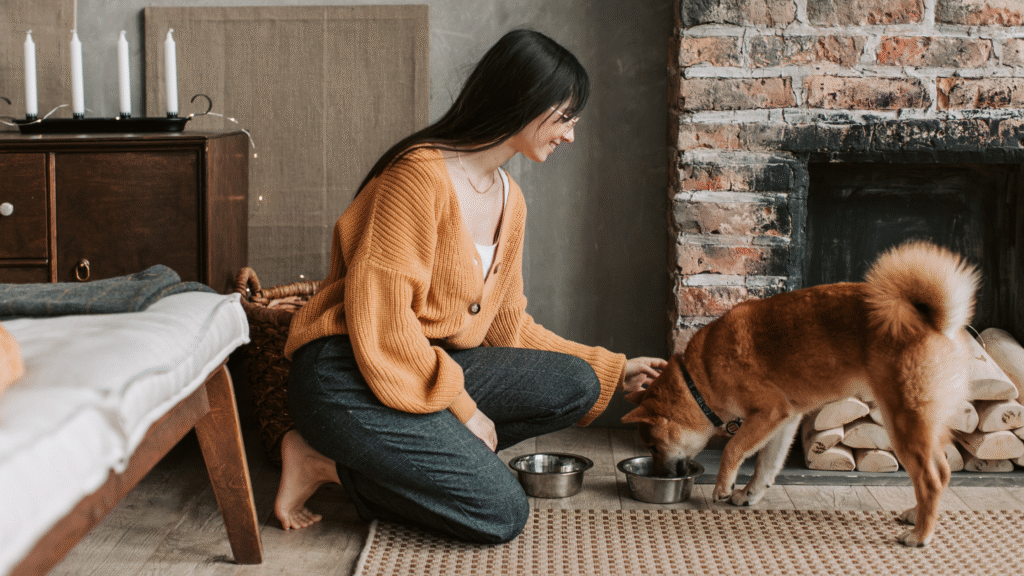
So, you’ve hit that stage of dog parenthood where you’re obsessing over… bowls. Fabulous! One minute you’re just trying to stop your dog eating your socks, the next you’re deep‑diving “best stainless steel dog bowl” at midnight like it’s a life decision. A great stainless steel dog bowl really does make life easier! It’s more hygienic, easier to clean, and way less likely to end up cracked or smelling strange like some plastic ones. The fun part is choosing the right style for your dog’s personality and eating habits. Why Stainless Steel Dog Bowls Are A Good Idea Let’s start with why stainless steel bowls are usually the best choice: If your dog is going to eat out of something every single day, stainless steel is the “nice plates”, not the paper plates. Everyday Bowl: Classic Stainless Steel Dog Bowl For most dogs, a simple, well‑made, everyday bowl is perfect – this is your reliable, grab‑it‑twice‑a‑day workhorse. This style is ideal if your dog eats at a normal pace, doesn’t have any special medical needs, and you just want something simple that works and lasts. For Fast Eaters: Stainless Steel Slow Feeder Bowl If your dog inhales their food so fast you’re not even sure they tasted it, a slow feeder can be a game‑changer. For Bowl Pushers: Non‑Slip Stainless Steel Dog Bowl Some dogs love to push their bowl around the kitchen like they’re playing air hockey, leaving a trail of kibble behind them. Perfect for enthusiastic eaters, puppies discovering their “I can move things!” powers, and any dog who likes to chase their dinner across the room. For Big Or Senior Dogs: Raised Stainless Steel Dog Bowl Set Larger dogs and older pups sometimes find it more comfortable to eat from a slightly raised height rather than reaching all the way down to the floor. Perfect for enthusiastic eaters, puppies discovering their “I can move things!” powers, and any dog who likes to chase their dinner across the room. For Thirsty Pups: Large Stainless Steel Water Bowl Food bowls get all the attention, but water bowls deserve just as much thought. They’re in use all day, every day. Ideal if you have a bigger dog, multiple dogs sharing one water station, or just one very dramatic drinker who treats the bowl like a mini swimming pool. Quick Stainless Steel Dog Bowl Comparison Type of Bowl Best For Key Features To Look For Heavy‑duty stainless steel dog bowl with a non‑slip base Everyday use for most dogs Solid build, non‑slip base, multiple size options Stainless steel slow‑feeder dog bowl with raised ridges Fast eaters and gobblers Raised patterns, anti‑skid base, easy to clean Non‑slip stainless steel dog bowl with rubber base Dogs that push or chase their bowl Rubber/silicone base, slightly heavy design Raised stainless steel dog bowl set with stand Large or senior dogs Stable stand, removable bowls, non‑slip feet on the stand Large stainless steel water bowl with wide base Thirsty dogs or multi‑dog households Wide base, good capacity, non‑slip ring or weighted design Bring It All Together Choosing the best stainless steel dog bowl isn’t just about what looks cute in the kitchen (though that absolutely counts). It’s about: With a couple of smart choices, you can set your pup up with bowls that are sturdy, hygienic, and perfectly matched to their eating style – whether they’re a dainty nibbler or a full‑blown four‑legged hoover.

Puppy New Crate
Dog Care

Puppy Crate | How To Set Up The Best Dog Crate

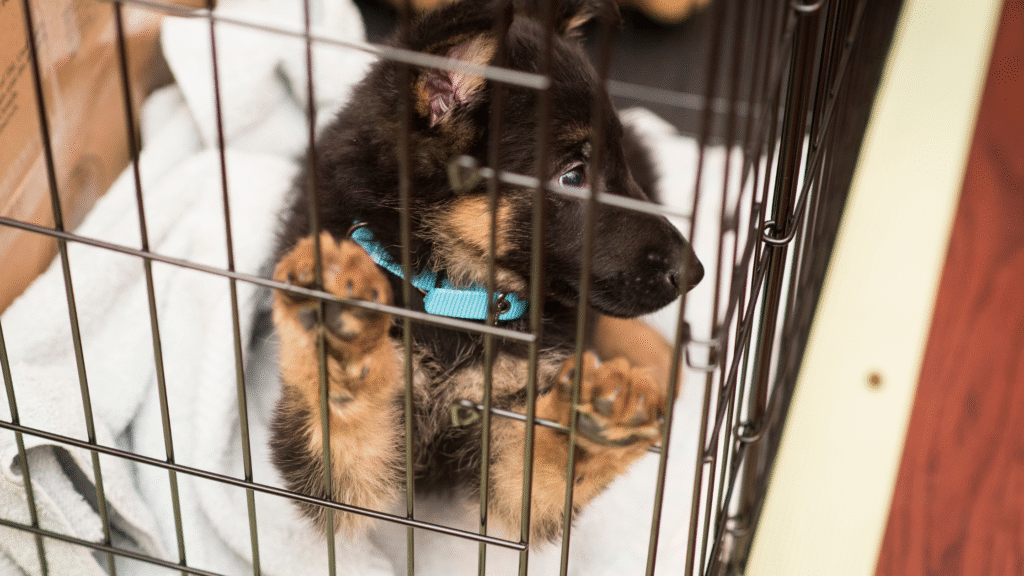
So, you’ve brought home a brand‑new puppy. Welcome to the world of late‑night toilet trips, mysteriously chewed phone cables, and suddenly Googling every tiny thing about puppy training and puppy care. It’s equal parts chaos and cuteness, and before long you’ll be that person using a baby voice while searching for the best ways to set up a puppy crate and create a cozy little den for your new furry family member.  One of the best gifts you can give your new fluffball (and your sanity) is a well‑set‑up crate. Think of it as their little studio flat: safe, cosy, and just fancy enough to make you feel like you’ve nailed this “dog mum” thing. We’re not building a prison. We’re creating a tiny den where they sleep, snack, and chill while you try to drink a hot coffee for once. Why A Crate Is Actually A Good Thing A crate, used properly, is: Dogs are natural den animals. A cozy, enclosed spot gives them peace, sleep, and a sense of security. Your Puppy Crate Essentials Crate Set‑Up At A Glance Element What to Use Why It Helps Crate A sturdy puppy crate with a divider panel. Grows with your puppy; keeps space just big enough to be comfy, not messy. Bedding A super cosy, washable crate mat. Comfy naps; easy to wash after accidents or muddy paws. Cover A breathable crate cover for wire crates. Makes the crate feel like a den; reduces distractions at night. Water A no‑spill crate water bowl or bottle attachment. Keeps them hydrated without soaking the bedding. Step 1: Pick The Right Crate (Not A Doggy Mansion) You want a crate that’s: That’s why a sturdy puppy crate with a divider panel is such a good choice. You can start with a smaller space when they’re tiny and gradually move the divider as they grow, instead of buying multiple crates. It will not only save you money in the long run, but it will help keep a consistent enviroment for your pup as their smell (and yours) will always be present. Aint that neat?! Step 2: Make The Floor A Cloud, Not A Cage Bare metal bars are not exactly giving “home sweet home”. Lay down a super cozy, washable crate mat that fits snugly inside. Go for something soft, padded, and machine‑washable. You can add a light blanket on top if your pup is gentle, but if they’re in their “tiny land shark” phase, keep it simple and safe. The extra benefit, same as the crate, is that it can hold their smell and yours. So if you add a small piece of your old clothing that pup will feel safe in their new home. Step 3: Decide If Your Pup Needs “Den Vibes” Some puppies like to sleep in a cozy, covered space. Others prefer to keep tabs on the whole household like tiny security guards. If your pup gets over‑excited by every movement or struggles to settle at night, try a breathable crate cover for wire crates. It makes the crate feel like a den, blocks out some visual distractions, and acts as a signal that it’s “sleep time” when you cover it in the evening. You don’t have to cover every side, sometimes just covering the top and two sides is enough to make it feel snug. Step 4: Sort The Water Situation (No Indoor Paddling Pools) A standard bowl of water inside the crate plus a bouncing puppy usually ends with a soaked bed. Instead, clip in a no‑spill crate water bowl or bottle attachment. They can drink whenever they need to, the water stays where it should, and you’re not stripping the crate every time they decide splashing is fun. Introduce it while you’re around, especially if it’s a bottle style, so you know they understand how it works. Step 5: Make The Crate A Party (Not A Punishment) Now the fun part: convincing your puppy this magical metal box is the best place ever. Use a safe chew or toy that they only get in the crate, and sprinkle a few pieces of their kibble or treats inside so the crate predicts good things. You can: Big rule: don’t only use the crate when they’ve been “naughty”. We want the crate to feel like a spa retreat, not a time‑out corner. Step 6: First Nights & Short Sessions The first few crate nights can be emotional for both of you. Helpful tips: During the day, practice tiny crate sessions: Try not to fling the door open mid‑howl. Wait for a moment of quiet, then let them out, so you reward calm instead of drama. Step 7: Simple Routine = Happy Puppy A simple crate routine might look like: Consistency helps them understand that crate = sleep and chill, not “maybe something exciting will happen if I scream”. Final Thoughts Setting up a puppy crate doesn’t need to be an over‑engineered project. With a few thoughtful choices, you turn a plain wire box into a little safe haven where your puppy actually chooses to go when they’re tire. Want similar content? Check our latest blog on Puppy Crying in Crate at Night | How to Help 

feeding dog
Dog Care

How To Effectively Mix Wet & Dry Dog Food

If you’ve ever looked at your dog’s plain kibble and thought, “You deserve better than this beige buffet!” you’re not alone. Mixing wet and dry dog food is a simple way to turn everyday dinners into something that looks (and smells) a bit more like a treat – without losing the balance and convenience of kibble. Think of it as giving your dog crunchy biscuits with a little gravy, instead of the same dry bowl every day. Why Mix Wet & Dry in the First Place? Mixed feeding, using both wet and dry food, gives you the best of both worlds: The trick is to mix them in a way that’s tasty, gentle on the tummy, and still balanced. Step 1: Decide Your “Base” Kibble Before you start throwing gravy around, pick a solid dry food as your base. This is the backbone of your dog’s diet, so you want something complete, balanced, and easy to portion. A great example is Wellnessnes Core, which works really well as a main kibble. It has clear feeding guidelines on the bag, so it’s easy to adjust portions when you start adding wet food, and it’s designed to be used as a complete daily diet. Not only that, choosing a grain-free kibble, high in protein, will make building their complete nutrient plate a breeze. Step 2: Swap, Don’t Stack Here’s the biggest mistake people make: they add wet food on top of the usual amount of kibble and then wonder why their dog is suddenly getting… chunkier. Instead, you’re going to swap: Think of it like changing the sauce on your pasta, not doubling the entire meal. Step 3: Pick Your Wet “Topper Style” Different wet foods give different vibes, so you can choose based on your dog’s personality and habits. For everyday meals, something like Pooch & Mutt wet dog food with chunks of meat and veg is a brilliant option. It mixes easily through kibble and has a rich smell that’s especially helpful for picky eaters or dogs who are bored of plain biscuits. You can literally see the pieces of meat and vegetables, which makes the whole bowl look more appetising. A couple of ideas for how to use it: Step 4: Introduce the Mix Slowly Dogs’ stomachs can be dramatic. Even a good change can cause chaos if you do it overnight. If you notice loose stools, gas, or vomiting, just slow things down and pull back the wet portion temporarily. Every dog has their own pace. Step 5: Tailor It to Your Dog’s Needs For Dogs Watching Their Waistline If your dog is a bit “fluffier” than the vet would like, mixed feeding can still work, you just need a sensible dry base and good portion control. This is where Eukanuba dry dog food formulated for healthy weight management comes in handy. It’s designed to support healthy weight while still being tasty enough to use as your base kibble. The clear calorie information and portion guides make it much easier to shave off some of the kibble and replace it with wet food without playing guess‑the‑portions. To keep things on track: For Sensitive Tummies Some dogs react if you even look at their food wrong. For them, the type of wet food you choose matters a lot. If your dog has a delicate stomach, stick with simple, gentle recipes and introduce new foods in tiny amounts. A teaspoon of wet food mixed into their usual dry is enough to test the waters. Give their digestive system a few days to respond before you increase the amount. If they’re on a vet‑recommended diet, always check before adding anything new, even if it’s “just a topper”. For Seniors or Tiny Breeds Older dogs and small breeds often have their own feeding quirks: fewer teeth, smaller jaws, or just a sense of drama about hard kibble. This is the perfect moment to bring in Feel Good wet dog food for seniors. You can easily mash it into smaller‑bite kibble to create a softer, more comfortable texture that’s easier on older teeth but still gives them something to chew. This is also a great choice for smaller breeds as the fat content is reduced while keeping full nutrition. You can: Morning Crunch, Evening “Treat” You don’t have to mix every single meal in the same way. A lot of owners like this simple routine: As long as the total daily amount of food stays within the feeding guidelines for your dog’s size and activity level, splitting it this way keeps things flexible while still giving your dog something to look forward to. Little Extra Tips for Mixed Feeding Bringing It All Together Mixed feeding doesn’t have to be complicated: pick a reliable dry base, choose a wet food that suits your dog’s needs, swap rather than stack portions, and introduce changes slowly. With a bit of trial and error, you’ll land on a combo that makes your dog light up at mealtimes and still keeps you in control of their nutrition. Need more similar tips? Visit our other blog to get on top of your pet parenthood Dog Essentials | Things You Need for a New Dog

Dog Itchy Skin
Dog Care

Is Your Food Causing Dog Itchy Skin? The Best Diets & Ingredients That Actually Help

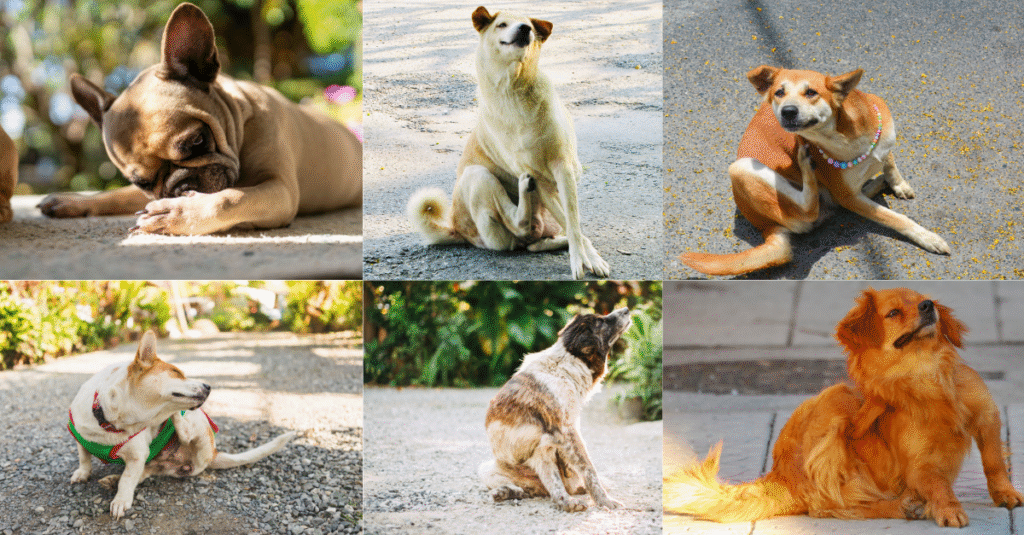
If you’ve ever watched your dog scratch themselves silly, paws going at their neck like they’re trying to dig a tunnel or licking their toes, you’ll know how frustrating it is. You’ve tried the medicated shampoo, ruled out fleas, and had three vet appointments with no clear answer. Here’s what many dog owners don’t consider first: the food bowl, the main cause for dog itchy skin. Diet is one of the most overlooked drivers in dog itchy skin. And the good news? It’s one of the most manageable too. This guide breaks down exactly what to look for, what to avoid, and which foods, all available on Amazon UK, are genuinely making a difference for itchy dogs across the country. Can Food Really Cause Dog Itchy Skin? Yes, and it’s more common than most owners realise. Veterinary surveys suggest that up to 20% of itchy dogs may have a food trigger, with the reaction often showing up as persistent scratching, paw licking, redness around the face, belly, and ears, or recurring ear infections. Dogs react to proteins more than grains like chicken, beef, dairy, and eggs cause most cases. Repeated exposure over time triggers the immune response, and symptoms persist until the trigger leaves the diet. The tricky part is that food allergies in dogs develop over time. Your dog may have eaten chicken their whole life and only now started reacting to it. It’s not about what’s new, basically it’s about what the immune system has finally had enough of. Other signs food may be the culprit: The Most Common Food Triggers for Dog Itchy Skin Some ingredients in dog food like wheat, beef, or dairy are known to trigger allergic reactions or food sensitivities. Over time, repeated exposure to these allergens can damage your dog’s gut health and weaken their immune system, making skin flare-ups more likely. Here’s a quick breakdown of what to watch out for: Ingredient Why It’s a Problem How Common Chicken Most widely used protein, highest sensitisation risk Very Common Beef Second most common animal protein allergen in dogs Common Dairy Many dogs lack enzymes to properly digest lactose Common Wheat / Gluten Can cause gut inflammation and skin reactions Moderate Soy Linked to skin and digestive sensitivities Moderate Eggs Occasionally problematic, especially in sensitive breeds Less Common Artificial additives Colourings and preservatives can aggravate sensitive skin Variable What Actually Helps Dog Itchy Skin: Ingredients to Look For Once you’ve identified what to avoid, the next step is choosing a diet built around ingredients that actively support skin health. 🐟 Salmon & Other Oily Fish Omega-3 fatty acids from fish oils reduce allergic itching by strengthening the skin barrier from the inside out. Salmon, sardines, and trout are the gold standard protein sources for itchy dogs, they’re novel proteins (meaning most dogs haven’t been overexposed to them), and they come naturally packed with the EPA and DHA that calm inflammation in the skin. 🍠 Sweet Potato A gentle, highly digestible carbohydrate that provides natural fibre to support gut health. A healthy gut microbiome is directly linked to better immune regulation, which means fewer skin flare-ups. 🌿 Linseed (Flaxseed) Rich in plant-based omega-3s, linseed supports skin barrier function and helps reduce dryness and flaking. You’ll see it listed in many of the best sensitive-skin dog foods in the UK. 🫘 Chickpeas & Lentils Excellent grain-free carbohydrate alternatives that are gentle on the digestive system and widely tolerated, even by dogs with multiple sensitivities. 🦆 Duck & Venison (Novel Proteins) Novel proteins like kangaroo, venison, or limited-ingredient trout formulas are ideal for elimination trials, choose something your dog hasn’t eaten before to avoid common allergens like beef, chicken, dairy, and soy. How to Do a Food Trial at Home to Help Dog Itchy Skin If your vet suspects a food allergy, they may suggest a food trial. This involves feeding a special diet which is usually a limited ingredient or hydrolysed formula, strictly for 6-12 weeks. Your dog must have no other food, including treats and dental sticks, during the trial, because any additional ingredient could mask whether the diet is working. Here’s a simplified version of the process: Step 1: Switch to a single-protein, limited-ingredient food that uses a protein your dog hasn’t had before (e.g. salmon or duck if they’ve always eaten chicken). Step 2: Transition slowly over 7-10 days also mix increasing amounts of the new food with the old to avoid digestive upset. Step 3: Stick to it strictly for at least 8 weeks. No treats, flavoured supplements, or table scraps. Step 4: Keep a simple diary noting itching levels, coat condition, and any digestive changes. Step 5: If symptoms improve, the food was likely the trigger. Reintroduce old foods one at a time to confirm. The Best Foods for Dog Itchy Skin, Available on Amazon UK All of the following have been selected because they’re widely available on Amazon UK, made with skin-supporting ingredients, and trusted by UK dog owners and vets. 1. Forthglade Wet Dog Food, Salmon with Vegetables (Grain Free) 2. Forthglade Cold Pressed Dry Food, Salmon & Vegetables (Grain Free) 3. Pooch & Mutt Health & Digestion, Salmon & Sweet Potato (Grain Free) 4. Forthglade Wet Dog Food, Salmon & Sardines Variety Pack (Grain Free) Quick Comparison Table: Best Foods for Dog Itchy Skin UK Food Type Main Protein Grain Free Best For Amazon UK Forthglade Salmon Wet Wet Salmon 75% ✅ Yes Everyday sensitive feeding Forthglade’s salmon Forthglade Cold Pressed Dry Dry Salmon 29.5% ✅ Yes Dry food + gut health Forthglade dry food Pooch & Mutt H&D Dry Salmon 45% ✅ Yes Skin + digestion combo Pooch & Mutt Forthglade Salmon & Sardines Wet Salmon 75% ✅ Yes Fish variety variety pack Don’t Forget the Supplements: Skin Support from the Inside Out for Dog Itchy Skin Even the best food works better alongside a targeted omega supplement, especially in the first few weeks of switching, when the skin barrier is still rebuilding. YuMOVE Skin &

Dog Care

Dog Essentials | Things You Need for a New Dog

Bringing a new dog home is exciting… until you realise you now live with a tiny, unpredictable creature who thinks your shoes are a snack and 3am is a great time to party. Between the excitement and the chaos, one question comes up fast: what do you actually need? Not the 27-item “new puppy checklist” that makes you panic-buy everything online, but the essentials that genuinely make those first few weeks smoother. Here’s a simple, realistic guide to four must-haves every new dog owner should consider. A Proper Dog Bed (Not Just Your Sofa) Yes, your dog will try to claim your bed. That’s unavoidable. But giving them their own space from day one makes a big difference, especially when they’re settling into a completely new environment. A good dog bed isn’t just about comfort; it helps with routine and gives them somewhere to retreat when everything feels a bit overwhelming (which, honestly, is most of the time at the start). Look for something soft but supportive, and definitely washable. Future you will be very grateful. Calming or donut-style beds are great for dogs who love to curl up and feel secure. Harness and Lead: Save Yourself the Chaos Walking a new dog sounds calm and wholesome. In reality, it’s more like being dragged around by a small, determined creature with zero sense of direction. A harness gives you better control and avoids putting pressure on your dog’s neck, which is especially important for puppies still learning how to walk nicely. Go for something adjustable, secure, and easy to put on. If it feels like solving a puzzle every time you use it, it’s not the one for you. You’ll be doing this daily, probably while your dog is trying to lick your face, so pick wisely. Food and Water Bowls (That Don’t Go on Tour Around Your Kitchen) This feels like the most obvious item… until your dog turns dinner time into a sport. Cheap, lightweight bowls tend to slide, tip, and somehow travel across the room mid-meal. Stainless steel or non-slip bowls are a much better choice. They’re durable, hygienic, and stay where they’re supposed to. It’s a small upgrade that makes a weirdly big difference to your daily routine. Chew Toys: Because Everything Else Is Fair Game Puppies explore the world with their mouths. Unfortunately, that includes your furniture, your chargers, and that one shoe you actually liked. Chew toys give them a safe outlet for that behaviour and help with teething at the same time. Without them, they’ll just… improvise. Durable rubber toys are a solid starting point, and anything you can stuff with treats will keep them occupied for longer than five minutes. Which, honestly, feels like a win in my book. What to Actually Look For (So You Don’t Waste Money) Product Type Key Features to Look For Common Mistakes to Avoid When You’ll Notice It Matters Most Dog Bed Washable cover, supportive filling, calming shape (e.g. donut), non-slip base. Choosing style over comfort, non-washable fabrics. First few nights, nap time, settling anxiety. Harness & Lead Adjustable fit, padded straps, secure clips, simple design. Too loose/tight fit, complicated straps, using collar only. Walk training, pulling, busy outdoor areas. Food & Water Bowls Stainless steel or ceramic, non-slip base, easy to clean. Lightweight plastic, bowls that tip or slide. Feeding time (especially with fast eaters). Chew Toys Durable materials (rubber), size-appropriate, safe for teething, optional treat-fill. Toys that break easily, too small (choking risk), no variety. Teething phase, boredom, preventing damage Final Thoughts (From Someone Who’s Been There) You don’t need to get everything perfect before your dog arrives. Honestly, your dog doesn’t care if their bed matches your room or if their bowls are “aesthetic.” What they do care about is feeling safe, having something to chew, and being close to you. Start with the basics, see what your dog actually likes (because they will have opinions), and adjust as you go. You’ll figure it out! Usually right after they do something mildly chaotic that forces you to. And if in doubt? Buy the chew toy. It’s almost always the right decision.

puppy inside a crate
Dog Care

Puppy Crying in Crate at Night | How to Help 

Help, my puppy won’t stop crying at night! You’ve done everything right. You’ve puppy-proofed the house, bought the cutest little crate, and set up the cosiest bedding. Still, the moment the lights go off, your new pup turns into a tiny, heartbroken siren. You’re not alone. Millions of new puppy parents go through exactly this, and the good news? It gets better, much faster than you think. Let’s break down why puppies cry at night, what vets and trainers actually recommend, and the products that can genuinely help. Why Is My Puppy Crying in the Crate? Before you can fix it, it helps to understand what kind of crying you’re hearing. Understanding which type you’re dealing with changes everything about how you respond, so it’s worth paying attention to the timing. What Vets Recommend Vets and trainers agree that helping a puppy settle comes down to addressing the root cause of their distress: The following vet-recommended strategies each target one of those needs. Mimic the Warmth of Their Littermates One of the most effective things you can do for a newly rehomed puppy is recreate the physical sensation of being close to their mum and siblings. Vets often recommend placing something warm and rhythmically soothing in the crate; a heartbeat toy is one option designed specifically for this. Recreate the Calming Signals of a Nursing Mum Vets explain that mother dogs naturally release a pheromone while nursing, called Dog-Appeasing Pheromone (DAP), that signals to puppies that they’re safe and protected. When a puppy is rehomed, that signal disappears overnight. A DAP diffuser like Adaptil releases a synthetic version of this same pheromone into the room. You plug it in near the crate and it works in the background, covering up to 700 square feet. It’s one of the more science-backed options available, and many vets recommend it as a first step for anxious settling. Give Them a Healthy Outlet for Anxiety Chewing is one of the ways dogs, especially young ones, naturally regulate stress. Vets often encourage owners to lean into this rather than discourage it. Leaving a dog-safe chew toy or a stuffed KONG in the crate at night gives your puppy something constructive to turn to if they wake up feeling unsettled. Small tip: A frozen KONG stuffed with kibble or a small amount of peanut butter works particularly well. The slow, repetitive licking action is calming, and over time it helps your puppy build a positive association with being in the crate. Reduce Environmental Disturbances Vets note that environmental noise is a common, and often overlooked, trigger for night waking in puppies who are much lighter sleepers than adult dogs. Before anything else, simply reducing noise disruption can make a real difference. A white noise machine near the crate helps mask unpredictable sounds that might startle a sleeping pup like traffic, hallway creaks, or a door closing somewhere in the house. Use Scent as a Source of Comfort Smell is a puppy’s most powerful sense, and vets frequently suggest using familiar scents to ease the transition into a new home. Lining the crate with a soft blanket and an unwashed t-shirt that carries your scent can reduce anxiety. Your smell tells your puppy they’re close to someone safe. If you’re collecting your puppy from a breeder, it’s worth asking if you can bring a small blanket to pick up the mother’s scent beforehand. For those very first nights, that familiarity can make a significant difference. What More Can You Do Building a routine can make a great difference! Here’s what my vet consistently recommends: How Long Does This Take? Most puppies adjust within 2 to 4 weeks of consistent crate training, usually settling into a solid sleep routine by around 12 to 16 weeks of age. If your puppy is still crying intensely beyond that window, it’s worth a vet visit. Persistent distress can sometimes point to an underlying issue like a urinary tract infection or tummy discomfort. The key takeaway from every vet and trainer? Consistency, patience, and making the crate feel like a safe, cosy den. Not a punishment. That’s what makes the real long-term difference. You’ve absolutely got this!

Dog Care

How to Choose the Right Dog Muzzle for Safety and Comfort

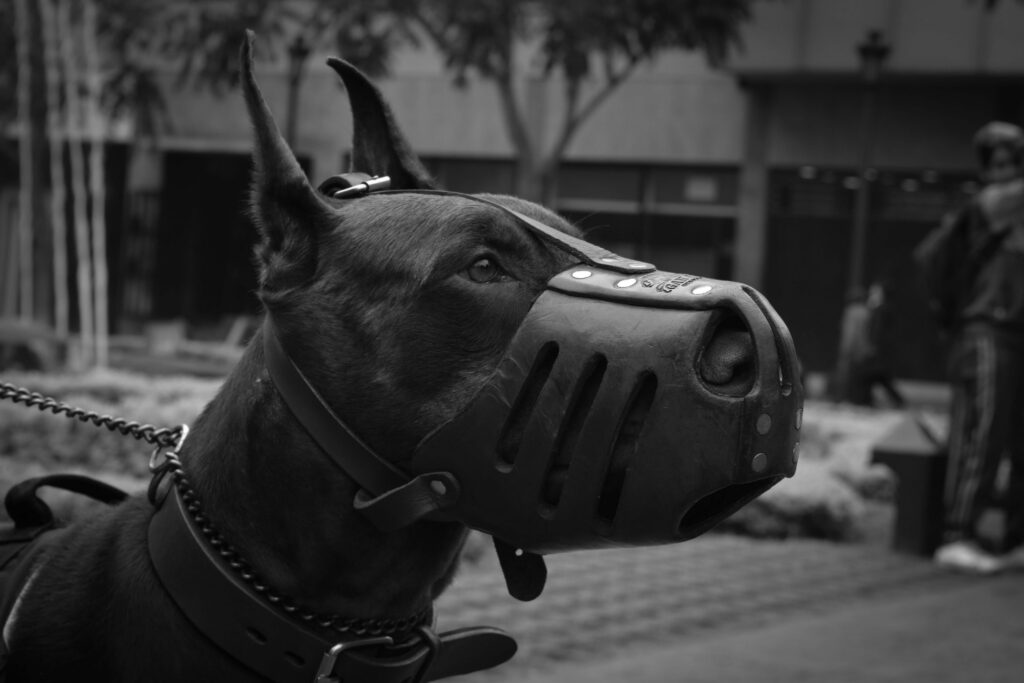
Dog muzzles can be a sensitive topic among pet parents. Often misunderstood, muzzles are not about punishing a dog or labeling them as dangerous—they’re tools that, when used correctly, support safety, training, and wellbeing. Whether it’s to prevent unwanted chewing, ensure calm during vet visits, or support behavior training, the right muzzle can make a huge difference. Choosing the best dog muzzle is all about balancing comfort, fit, and purpose. In this guide, we’ll walk through everything you need to know: the different types of muzzles, how to train your dog to accept wearing one, and how to select the right style for your dog’s unique needs—especially if you’re considering a soft muzzle for dogs, or trying to decide between a basket muzzle vs fabric muzzle. Let’s explore how the right muzzle can be a compassionate, smart choice for your dog’s safety and comfort. Why Use a Dog Muzzle? There are several situations where a dog muzzle can be a valuable and responsible tool. Contrary to popular belief, it’s not just for dogs with aggression issues. Some dogs suffer from anxiety or react unpredictably in stressful situations. Others might be recovering from surgery and need to avoid licking or chewing. And sometimes, a muzzle is a legal requirement in public areas. Common reasons to consider a muzzle include: Using the best dog muzzle appropriately shows that you care about your dog’s safety and are taking responsible steps to manage their environment positively. Different Types of Dog Muzzles When choosing a muzzle, it’s important to understand the differences between types. Not all muzzles are made the same—and not all are suitable for every purpose. 1. Basket Muzzles Basket muzzles are structured devices that create a cage-like covering around your dog’s mouth. They’re typically made from rubber, plastic, or metal. Pros: Best for: Dogs in training, public outings, dogs with a history of reactive behavior. 2. Soft Muzzles for Dogs (Fabric Muzzles) These are made from nylon, mesh, or neoprene and wrap snugly around the dog’s snout. Pros: Cons: Best for: Temporary use in low-stress environments, minor restraint during grooming or exams. When comparing basket muzzle vs fabric muzzle, consider your intended use. A basket muzzle is more versatile and safer for longer durations, especially in warmer weather or with active dogs. A soft muzzle for dogs is better for brief handling situations where full control is required without extended wear. How to Fit a Muzzle Correctly A poorly fitted muzzle can be uncomfortable or even dangerous. Whether you choose a basket or fabric muzzle, proper sizing is critical. A muzzle should be secure but not tight, allowing the dog to open their mouth slightly, especially to pant. Measure Your Dog’s: Most manufacturers provide sizing guides based on breed or measurements. Always test the fit indoors before using it outside. If in doubt, go for adjustable designs to get the most comfortable dog muzzle experience for your pet. Training a Dog to Wear a Muzzle One of the most important aspects of muzzle use is training. Without proper introduction, a dog may associate the muzzle with punishment or fear. But with positive reinforcement, wearing a muzzle can become just another routine. Step-by-Step Muzzle Training: Repeat this process daily until your dog is comfortable wearing it for longer periods. Training a dog to wear a muzzle can take time, but it builds trust and reduces resistance. You’ll be thankful for the effort when it matters most—whether during a vet visit or an unexpected stressful situation. Choosing the Best Dog Muzzle for Anxiety If your dog suffers from fear, reactivity, or overexcitement, the right muzzle can offer a sense of calm and control. A dog muzzle for anxiety should be lightweight, allow panting, and be introduced slowly as a positive experience. Avoid soft muzzles for anxious dogs in hot weather or during activity, as these can restrict breathing and increase stress. Instead, opt for a lightweight basket muzzle with ample airflow. Comfort padding around the snout and adjustable straps can make a huge difference. Combining the muzzle with anxiety-reducing tools—like calming sprays or behavioral training—can help your dog feel more secure overall. Key Features to Look for in a Dog Muzzle Choosing the best dog muzzle isn’t just about material—it’s about function and fit. Here’s what to look for: Always inspect the muzzle regularly for wear and tear. Replace it immediately if you notice any damage that could affect safety. Muzzle Myths and Misunderstandings There are many myths surrounding muzzles, and debunking them is key to normalizing their use. Understanding these misconceptions is part of being a responsible pet owner. The goal is to keep everyone safe while ensuring your dog feels as comfortable as possible. When and Where to Use a Muzzle Knowing when to use a muzzle responsibly is just as important as picking the right one. Final Thoughts: A Thoughtful Choice A muzzle should never be a symbol of shame or fear—it’s a proactive step toward a more secure, manageable, and peaceful life for your pet. Whether you’re introducing a soft muzzle for dogs for grooming sessions or evaluating basket muzzle vs fabric muzzle options for everyday use, always choose with your dog’s comfort and safety in mind. With patience, training, and the right fit, a muzzle can become a helpful and positive part of your dog’s routine. For those managing behavioral challenges, supporting an anxious pup, or simply preparing for the unexpected, selecting the best dog muzzle shows your commitment to being a responsible, caring pet parent. After all, it’s not just about control—it’s about building trust, managing environments, and making sure your dog can enjoy the world around them with confidence and security. Section Content Highlights Suggested Use Types of Dog Muzzles Basket vs Fabric Muzzles – materials, pros/cons, suitable scenarios Comparison Table Muzzle Fitting Guidelines How to measure (snout length, circumference, head), what to look for in a proper fit Sizing/Measurement Table Training to Wear a Muzzle Step-by-step approach to positive reinforcement training Step Process Table or

Dog Care

Best Dog Cooling Products for Hot Weather Relief

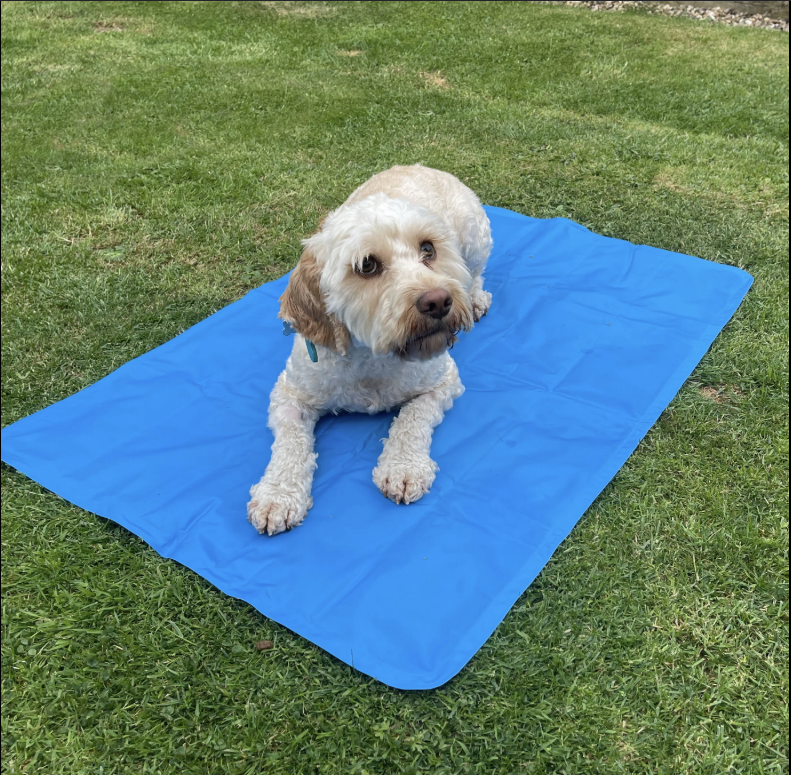
Summer brings sunshine, long walks, beach days, and outdoor fun. But as temperatures rise, our furry companions can suffer from the heat more than we might realize. Dogs don’t sweat like humans; instead, they regulate body temperature by panting and through their paw pads. In intense heat, this isn’t always enough, especially for thick-coated or brachycephalic breeds. That’s why cooling products for dogs are essential when it comes to keeping them comfortable, safe, and happy during the hottest months of the year.Just as we switch to lighter clothing and drink more water in summer, our dogs also benefit from a few seasonal upgrades. Whether you’re planning outdoor adventures or just trying to keep your pup cool on the patio, investing in the best summer dog gear can make all the difference. In this blog, we’ll explore the most effective tools and accessories for heat relief, including the ever-popular cooling vest for dogs, the functional dog cooling bandana, and various pet hydration solutions.Why Do Dogs Need Help Staying Cool?Before we dive into products, it’s important to understand why dogs overheat. Unlike us, they can’t sweat all over their bodies. Instead, dogs rely on panting and small sweat glands in their paws. This limited cooling method makes them highly vulnerable to heat exhaustion, especially during intense exercise or when left in warm, poorly ventilated environments.Some signs your dog may be overheating include: Excessive panting or droolingLethargy or confusionVomiting or diarrheaBright red gumsElevated heart rate To prevent these dangerous symptoms, it’s essential to provide ways for your dog to cool down. That’s where dog cooling products come in handy.1. Cooling Vests for DogsOne of the most popular innovations in best summer dog gear is the cooling vest for dogs. These specially designed vests help regulate your dog’s body temperature using evaporative cooling. Simply soak the vest in cold water, wring it out, and fasten it onto your pup. As the water evaporates, it pulls heat away from the dog’s body.High-quality dog cooling vests are made from lightweight, breathable fabrics and come with adjustable straps to ensure a snug fit. They’re perfect for walks, hikes, or just lounging in the backyard.Benefits of cooling vests: Provides hours of relief from heatHelps prevent heatstrokeLightweight and non-restrictiveSome also offer UV protection Look for vests with reflective strips for added visibility during early morning or late evening walks when temperatures are slightly cooler.2. Dog Cooling BandanasIf a full vest feels like too much, a dog cooling bandana offers a smaller, more targeted cooling solution. These accessories are ideal for short-haired dogs or those who tolerate minimal gear. Much like vests, they work through evaporation—just soak, wring, and wrap around your dog’s neck.Why choose a cooling bandana? Great for quick outings or casual walksLightweight and non-invasiveEasy to clean and reuseAdds a fun, fashionable touch They’re especially handy for city dwellers and pet parents on the go who want a fast and convenient way to cool down their pup without the bulk of a full vest.3. Cooling Mats and BedsAt home or during travel, a cooling mat can provide your dog with a comfortable place to rest while staying cool. Many of these mats use pressure-activated gel that starts cooling as soon as your dog lies down—no refrigeration or electricity needed.For extra relief, look for a cooling dog bed that combines orthopedic support with heat-absorbing features. These are perfect for older dogs or breeds prone to joint issues, offering both comfort and temperature control.Ideal for: Crates or kennelsOutdoor patiosCar ridesLounging in air-conditioned rooms 4. Pet Hydration SolutionsHydration is perhaps the most important aspect of keeping your dog safe in hot weather. While fresh water is a given, there are innovative pet hydration solutions that can make a huge difference.Portable Water Bottles and Bowls: These are designed with spill-proof lids and collapsible designs, making them perfect for long walks or road trips.Dog Water Fountains: At home, a pet fountain encourages your dog to drink more often by keeping the water cool and flowing.Frozen Treats and Hydration Snacks: Ice cubes, frozen broth, or dog-safe fruit popsicles can help hydrate while also cooling down your dog. Look for pre-made hydration treats infused with electrolytes for an extra boost.Proper hydration not only cools your dog from the inside out but also supports healthy organ function, skin elasticity, and energy levels during high heat.5. Summer Grooming and Coat CareWhile not a product in itself, seasonal grooming plays a huge role in heat management. Brushing out excess fur helps your dog’s coat “breathe,” and certain breeds may benefit from a trim. That said, it’s essential not to shave dogs with double coats, as their fur also serves as insulation against the heat.Pair good grooming with natural dog shampoos that soothe the skin and reduce itchiness—many cooling shampoos are infused with mint or aloe vera for added comfort during summer months.6. Cooling Toys and ChewsCooling toys double as entertainment and heat relief. Rubber toys that can be filled with water and frozen offer a great way for dogs to cool down while staying engaged.Some favorite options include: Freezable chew bonesWater-dispensing toysRubber rings that chill in the freezer These cooling playthings are great for teething puppies or high-energy dogs that need to stay occupied during the heat of the day. Bonus: they also promote dental health!7. Summer-Friendly Dog ApparelNot all dogs can tolerate traditional clothing, but some benefit from lightweight sun-protective apparel. Certain best summer dog gear includes light shirts or wraps made from UV-reflective materials. These are especially helpful for dogs with thin coats or light-colored fur that can be prone to sunburn.Combine this gear with paw protection, like booties or paw wax, to shield their feet from hot pavement and sand.Extra Tips for Beating the HeatEven with all the best cooling gear, common sense and awareness go a long way in keeping your dog safe. Here are a few extra precautions to consider during summer: Avoid midday walks: The hottest part of the day (usually between 11 AM–4 PM) can be dangerous. Stick to early

Dog accessories for dog owners.
Dog Care

10 dog care accessories every dog owner should have.

The benefits of owning a dog are just countless. My previous blog post gives a breakdown of the cost of owning a dog in Glasgow. However, dog care involves a lot. It is a continuous process of ensuring your dog is happy, comfortable, and healthy at all times. Before and after welcoming that little cutie into your home, there are a number of dog care accessories every responsible dog owner should know.

Dog Care

How to choose the best dog shampoo?

The price of dog shampoo on the market is also dazzling; from mass merchandisers and pet stores to professional animal hospitals, there are various functions, colours, fragrances, and various products. How do you choose the most suitable for your furry child’s shampoo? Follow Fetchstop to learn about the three common shampoo myths, selection principles, and pet bathing methods so that you will no longer be in a hurry when bathing your dog. Why do dogs need specific shampoo? Can I use human body soap or shampoo for pet bathing? The metabolism rate, epidermal thickness, and pH value of human skin differ from those of dogs and cats, so pets cannot use human body soap or shampoo. The following is a comparison between dog and cat skin and human skin: Never bathe a furry child with human body soap or shampoo! Even if it purports to be all-natural or baby-friendly! Because the pH of hairy children’s skin differs from that of humans, using human shampoo may cause their skin to dry out. When selecting a shampoo for your furry child, consider their skin condition; shampoo containing oatmeal is often milder. If your dog is prone to skin problems, consult with your veterinarian about which shampoo to use. Washing a tiny area on the back of a dog with sensitive skin can reveal any abnormalities in the skin. Do dogs need to use “medicated” shampoo for lousy skin? “Medicinal” shampoo contains pharmaceutical ingredients and belongs to animal medicine. This antibacterial shampoo is usually used to treat bacterial, yeast, and fungal infections or excessive proliferation of the skin. The most common bactericidal ingredient is chlorhexidine. Furthermore, the cleaning power of this type of shampoo is usually better for controlling skin infections, so it is only suitable for 4 to 6 weeks of treatment, not ideal for long-term use, especially for some sensitive skin dogs and cats, such as for patients with orthotopic dermatitis, if used for a long time in the stage where there is no inflammation or infection, it will cause excessive skin irritation. How to choose pet shampoo? Follow these 3 tips. 1. Choose a reliable brand As long as it is a well-known brand of pet-specific shampoo for dogs with normal skin, it can be used with peace of mind. Although the price of big brands may be relatively high, the ingredients are developed and formulated by a professional team, which is relatively inexpensive. You need to worry about poor-quality ingredients. 2. Pay attention to moisturising in winter In the cold and dry winter, the skin-moisturising work of dogs is also very important. Especially for dogs that often suffer from repeated skin diseases, the choice of shampoo should be given more attention. When taking a bath in winter, we usually increase the water temperature. If we use a general shampoo, the process of bathing will wash away too much sebum. Dogs are prone to symptoms such as itching and dander after bathing. In this case, it is recommended to use a shampoo containing oats or ceramide. Take Virbac Epi-Soothe Shampoo as an example. It contains natural oatmeal moisturising ingredients, which have a soothing and moisturising effect. It is suitable for dogs with general and sensitive skin problems. 3. Follow your doctor’s advice If treating skin disease, follow the veterinarian’s doctor’s advice, use a specific antibacterial shampoo, and bathe regularly. If necessary, combine it with other drugs to heal the skin disease. After the course of treatment, remember to discuss with the veterinarian the suitable shampoo and do not arbitrarily use the “medicated” shampoo on the market to avoid other skin problems. How frequently should you bathe your dog? The frequency of dog bathing varies from dog to dog. For dogs with oily skin and frequent outings, it is recommended to wash them once every 1-2 weeks, while for dogs with dry skin who rarely go out, you can bathe them every 3-4 weeks. If the dog belongs to the long-haired breed, it is recommended to comb the hair well and comb it apart before taking a bath to avoid pulling it when using the shampoo, which will cause pain and leave a wrong impression on the hairy child. In addition, you can use an ear cleanser before bathing to clean your ears. Next, using warm water similar to human body temperature, rinse the shower head against the skin and slowly wet from the back, buttocks, limbs, chest, and head, avoiding letting the water flow into the eyes and ears and moving gently to reduce splashes. Splashes frighten the dog, so rub and wash from the back down with the dog shampoo. Pay attention to rubbing with “finger pads” instead of fingernails when bathing furry children. Wash the dog’s entire body numerous times, especially in the lacrimal gland area. After rubbing, thoroughly cleanse the whole body with clean water. Before the dog goes out of the bath, it will dry the water by itself. At this time, you can prepare a large towel to press, absorb the water on the dog, and then use the hair dryer to dry the dog’s body.

Scroll to Top
×