
FetchStop

Cat Products

Why Do Neutered Cats Spray? Behaviour, Hormones & Solutions
Cat Care

Why Do Neutered Cats Spray? Behaviour, Hormones & Solutions

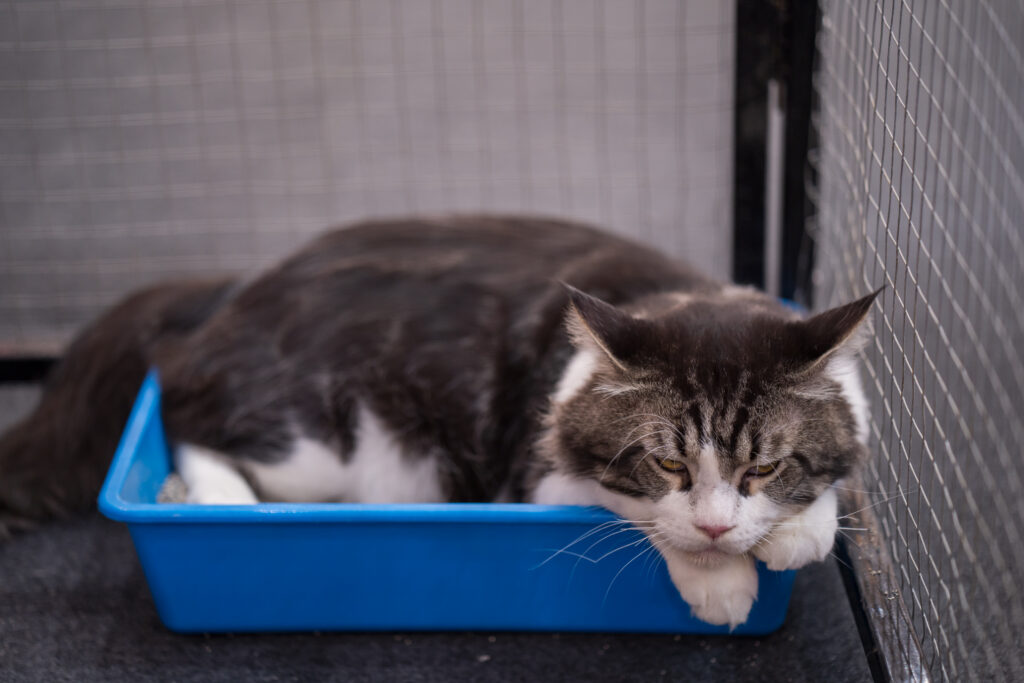
You did everything right. You got your cat neutered. The vet said it would stop the spraying. And yet, there’s still a suspicious smell coming from the corner of the living room, and your cat is looking extremely unbothered about it. You’re not imagining it. Neutered cats can still spray, and it’s more common than most people realise. The good news? Once you understand why it’s happening, it’s very possible to stop it. Let’s get into it. Wait, Don’t Neutered Cats Stop Spraying? Neutering dramatically reduces the likelihood of spraying, in most cats, yes, it stops it entirely. Studies suggest neutering eliminates spraying in around 85-90% of male cats. But that still leaves a meaningful percentage who continue. And if your neutered male cat is still spraying, you’re clearly not in the lucky majority. Here’s the thing: spraying isn’t purely hormonal. It’s a behaviour with multiple triggers, and testosterone is just one of them. Once that’s removed, the others can still fire. Why Do Neutered Cats Spray? The Real Reasons 1. They Were Neutered Later in Life If your cat was neutered after sexual maturity (typically around 6 months, though some cats develop earlier), the spraying behaviour may already have been learned and reinforced. Habits formed before neutering can persist long after the hormones are gone, especially if the cat was spraying regularly for months beforehand. The earlier the neuter, the lower the risk. But if it happened late, behaviour modification is still absolutely possible. 2. Stress and Anxiety Are the Main Culprit This is the biggest one. Stress is the number one trigger for spraying in neutered cats, full stop. Cats spray to mark territory and self-soothe when they feel threatened or insecure. Common stressors include: If something changed around the time the spraying started, that’s almost certainly your answer. 3. Territorial Marking in Multi-Cat Homes Even without testosterone, cats are deeply territorial animals. In homes with multiple cats, spraying is a communication tool, a way of staking claim over space. If your cats don’t get along well, or if one is being bullied by another, the stressed cat is much more likely to spray. Keyword note: Searches like “why is my male cat spraying all of a sudden” often trace back to a household change that upset the social order. 4. Medical Issues Before you assume it’s entirely behavioural, rule out physical causes. Conditions like urinary tract infections, feline idiopathic cystitis (FIC), or bladder stones can all cause inappropriate urination that looks a lot like spraying. Signs to watch for: If you notice any of these, a vet visit should be your first step, not a deterrent spray. 5. Incomplete Neutering (Cryptorchidism) Rarely, but it does happen, a cat can have an undescended testicle that wasn’t removed during the neuter procedure. This testicle still produces testosterone, meaning the cat is still hormonally intact. If your cat was neutered but spraying returned after a period of no spraying, this is worth raising with your vet. So, how to Stop a Neutered Cat from Spraying Step 1: Clean the Affected Areas Thoroughly This is non-negotiable. Cat urine contains pheromones that act as a signal to spray again in the same spot. Standard cleaning products don’t break these down, you need an enzyme-based cleaner specifically designed for pet urine. Plain water, bleach, or household cleaners can actually make it worse (ammonia in bleach smells similar to urine to a cat, which can encourage re-marking). We use and recommend this product below, it fully neutralises the dour at a molecular level so your cat won’t be drawn back to the same spot. Step 2: Use a Cat Pheromone Diffuser Feliway and similar synthetic pheromone products release a chemical signal that mimics the “friendly marking” cats do when they rub their face on things. It creates a sense of calm and security, essentially telling your cat that this space is safe, reducing the urge to spray-mark. These come as plug-in diffusers, sprays, or collars. Diffusers are the most effective for whole-room coverage. Step 3: Identify and Reduce Stressors Think detective. When did the spraying start? What changed? Go through this checklist: Step 4: Apply a Urine Deterrent Spray to Hotspots Step 5: Increase Environmental Enrichment A bored or under stimulated cat is a stressed cat. More stress = more spraying. Simple changes that help: Step 6: Talk to Your Vet (VERY IMPORTANT and RECOMMENDED) If the spraying is severe, persistent, or accompanied by other symptoms, don’t soldier on alone. Your vet can: There’s no shame in bringing in expert help, spraying is genuinely stressful to live with, and professionals see it constantly. Neutered Male Cat Still Spraying? Quick Diagnosis Guide Situation Most Likely Cause First Step Product Spraying started after a new pet arrived Territorial stress Pheromone diffuser + resource separation Buy on Amazon Always sprayed, even post-neuter Learned behaviour / late neuter Behaviour modification + deterrent spray Buy on Amazon Spraying in the litter tray area Litter tray dissatisfaction Clean tray more frequently, try unscented litter Buy on Amazon Spraying on vertical surfaces near windows Outdoor cat stressor Block sight lines, add enrichment Buy on Amazon Straining or blood in urine Medical issues like UTI or cystitis Vet immediately Contact Immediately Spraying returned after months of nothing Possible cryptorchidism Vet immediately Contact Immediately Your Action Plan: Stop That Spray Final Thoughts A neutered cat still spraying isn’t a failure on your part, and it’s not defiance on your cat’s part. It’s almost always a sign that something in their world feels insecure or threatening, and they’re dealing with it the only way they know how. Fix the environment, reduce the stress, clean out the scent triggers, and stay consistent. Most cats respond really well, and you and your sofa will both be much happier for it. Enjoying this guide? You might also like: How to Stop Cat Scratching Furniture
Cat

How to Get Cats to Use a Scratching Post | Stop Cats Scratching Furniture

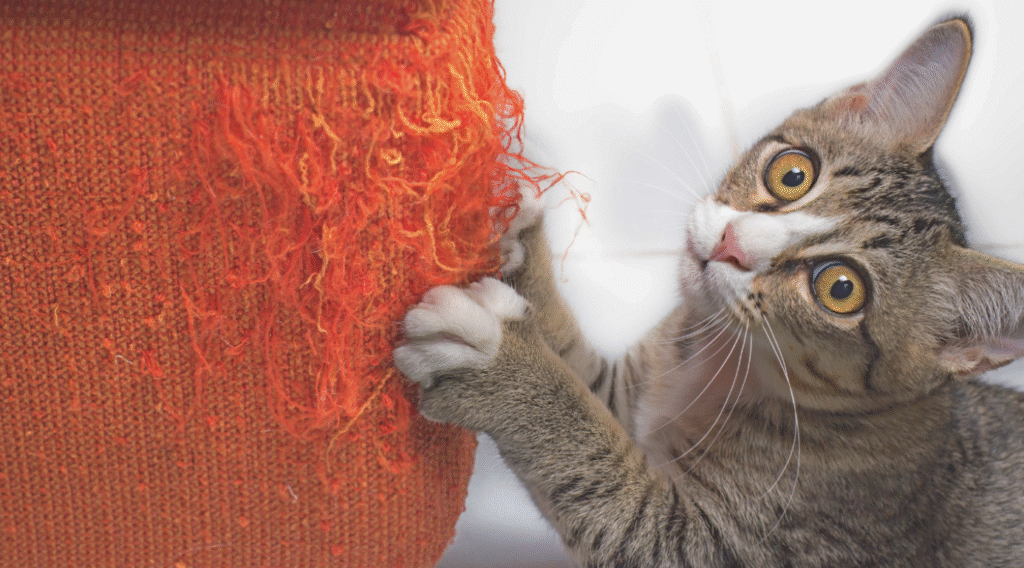
So your cat has officially decided your sofa is their personal scratching post. Fantastic. Nothing tests your patience quite like watching a tiny furry creature destroy furniture while maintaining complete eye contact. The good news? You can absolutely stop your cat scratching furniture without yelling, spraying water, or questioning your life choices. Most cats can be redirected successfully with the right scratching post, proper placement, and a little patience. Here’s how to get your cat to actually use their scratching post instead of turning your couch into confetti. Why Do Cats Scratch Furniture? Before you can stop the behaviour, it helps to understand why cats scratch in the first place. Spoiler: they’re not doing it just to annoy you. Cats scratch because: To your cat, scratching the sofa feels productive, relaxing, and satisfying. Which is honestly a pretty strong sales pitch. The goal isn’t to stop scratching completely. The goal is to redirect it onto something you actually want them to use. Why Your Cat Ignores the Scratching Post A lot of scratching posts fail because they’re simply not appealing to cats, it’s precisely boring. Common problems include: Cats want a scratching surface that feels sturdy and satisfying. If the scratching post moves when they use it once, many cats immediately lose interest. Meanwhile, your sofa is stable, tall, textured, and smells familiar. From your cat’s perspective, the sofa is basically premium luxury scratching furniture. Best Scratching Post for Cats That Scratch Furniture If you want results, start with a tall sisal scratching post. Sisal rope is one of the best materials for cats because it gives the perfect amount of resistance for clawing. Height matters too. Cats love stretching their entire body while scratching, so small posts often get ignored. Look for: Durable construction Tall scratching posts (at least 60–70cm) Heavy, stable bases Sisal rope covering Think of it this way: your cat doesn’t want a flimsy scratching post from the bargain aisle. They want the feline equivalent of gym equipment. Where to Put a Cat Scratching Post Placement is one of the biggest reasons scratching training succeeds or fails. Do not hide the scratching post in a spare room where nobody goes. Cats scratch in social areas because it’s part of marking territory and daily routine. The best places for a scratching post are: If your cat scratches one specific sofa corner repeatedly, place the scratching post directly beside it. Once your cat starts using the post consistently, you can gradually move it if needed. You’re replacing a habit, not introducing random furniture decoration. How to Train Your Cat to Use a Scratching Post Cats respond far better to rewards than punishment. Shouting at them usually just makes them confused or dramatic. One of the easiest ways to encourage scratching post use is with catnip spray. A quick spray on the scratching post makes it instantly more interesting. For cats that react to catnip, it turns the post from “boring object” into “greatest discovery of my entire life.” You can also: Most cats start building the habit within a few weeks when positive reinforcement stays consistent. How to Stop Cats Scratching Sofas and Furniture While training your cat to use the scratching post, it helps to make the sofa less attractive temporarily. Here’s what works well: Double-Sided Tape Cats hate sticky textures on their paws. Applying tape to sofa corners often discourages scratching quickly. Furniture Scratch Protectors Clear furniture guards protect vulnerable corners without ruining how the sofa looks. TOOSOFt Clear Anti Scratch Furniture Protector helps protect sofas, doors, and upholstery from pet scratches while keeping furniture looking neat and stylish. Made from durable reinforced vinyl with strong adhesive, it is easy to apply, removable without residue, and safe for pets. Anti-Scratch Deterrent Sprays Cats dislike certain citrus and herbal scents, making deterrent sprays useful for furniture training. Simply spray the no scratch cat spray directly onto areas to be protected. Reapply every 2-3 days until your cat stops scratching, then once a week to keep them away from the area. Although our cat scratch spray has been thoroughly tested, always patch test initially to ensure no discolouration. The idea isn’t punishment. You’re simply making the furniture less satisfying while the scratching post becomes more rewarding. Indoor Cat Boredom and Destructive Scratching Sometimes scratching problems come from boredom rather than the scratching post itself. Indoor cats need: Without enough stimulation, cats often create their own entertainment. Unfortunately, that entertainment usually involves your furniture. Large cat trees and activity centres can help massively because they combine: Luxury apartment for cats who pay no rent. ✔ 5 levels for climbing and chaos✔ Sisal posts to (hopefully) save your furniture✔ Cozy condo for professional napping✔ 2 toy rats your cat will destroy or ignore completely Strong, stable, and built for midnight zoomies. For many cats, a proper enrichment setup naturally reduces destructive behaviour because they finally have an outlet for their energy. FAQs About Cat Scratching How long does it take for cats to use a scratching post? Most cats adapt within 2–4 weeks if the post is sturdy, well-placed, and paired with positive reinforcement. Why does my cat scratch carpet instead of furniture? Some cats prefer horizontal scratching surfaces. Try cardboard scratch pads or floor scratch mats. Should I punish my cat for scratching furniture? No. Punishment usually creates stress and confusion. Redirection and rewards work far better. Is declawing safe? Declawing is illegal in the UK and considered inhumane by most vets. It’s a painful amputation procedure, not a nail trim. Final Thoughts Stopping your cat from scratching furniture isn’t about controlling them. It’s about understanding what they actually enjoy. Once your cat has: the sofa usually becomes far less interesting. Well… mostly. They’re still cats, after all.

Scroll to Top