Baby chicks are adorable, fragile, and somehow capable of turning a clean brooder into chaos in record time. Bringing them home is exciting, but it can also feel overwhelming when you are trying to get everything right from the very first day.
Thank you for reading this post, don't forget to subscribe!The good news is that raising chicks does not need to feel stressful. With the right brooder setup, a few simple routines, and some useful products, you can raise healthy chicks with confidence and get them ready for the coop without constant second-guessing.
This guide covers the essentials from day one to coop-ready, including warmth, feeding, bedding, socialising, and moving chicks outside. It also includes five practical products that can make chick care easier, cleaner, and much more manageable.
Step 1: Set Up a Safe and Warm Brooder
New chicks cannot regulate their body temperature well during the first few weeks, so the brooder becomes their entire world. It needs to be warm, safe, dry, and easy to manage.
A good chick brooder should:
- Keep chicks warm without overheating
- Protect them from drafts, pets, and accidents
- Give them enough room to move around comfortably
- Be simple to clean as they grow
You can use a large storage tub, an indoor pen, or a purpose-built brooder box. The most important thing is that it has secure sides, good airflow, and enough space for chicks to move closer to the heat or farther away when needed.
A chick brooder heat plate is one of the easiest ways to keep chicks warm and safe. Unlike traditional heat lamps, a heat plate gives chicks a warm area to rest under while letting them move away when they have had enough.
Try a chick brooder heat plate like this one:
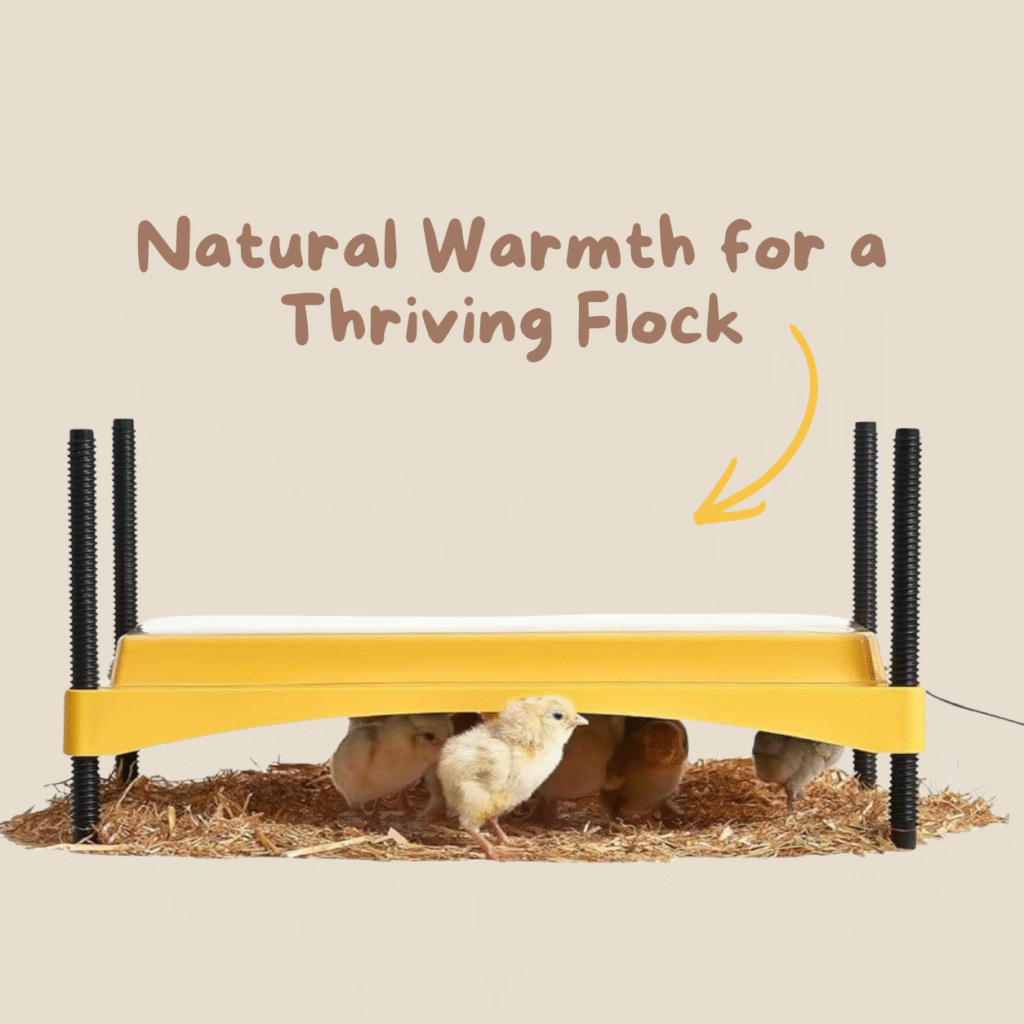
This adjustable chick heat plate on Amazon, It gives chicks a cosy place to warm up and helps create a more natural brooding environment.
Look for:
- Adjustable height
- Stable legs or base
- A size suitable for the number of chicks you plan to raise
Set the heat plate low enough for chicks to tuck under comfortably, then raise it gradually as they grow.
Step 2: Get Temperature and Bedding Right
Temperature matters, but chick behaviour matters even more. Your chicks will quickly tell you if the brooder feels too hot or too cold.
Watch for these signs:
- Huddling tightly under the heat source usually means they are too cold
- Spreading out far away from the heat may mean they are too warm
- Moving around, eating well, and resting calmly often means the temperature is about right
For bedding, avoid slippery newspaper because it can affect leg development. Instead, use pine shavings or another low-dust bedding that absorbs moisture well and is easy to replace.
Keeping bedding fresh is one of the simplest ways to help chicks stay healthy. Damp, dirty brooder floors can quickly lead to smell, mess, and stress.
A washable brooder liner or rubber mat underneath the bedding can make cleaning much easier. It helps protect the bottom of the brooder and lets you lift out mess more quickly during a full clean.
Use something like:
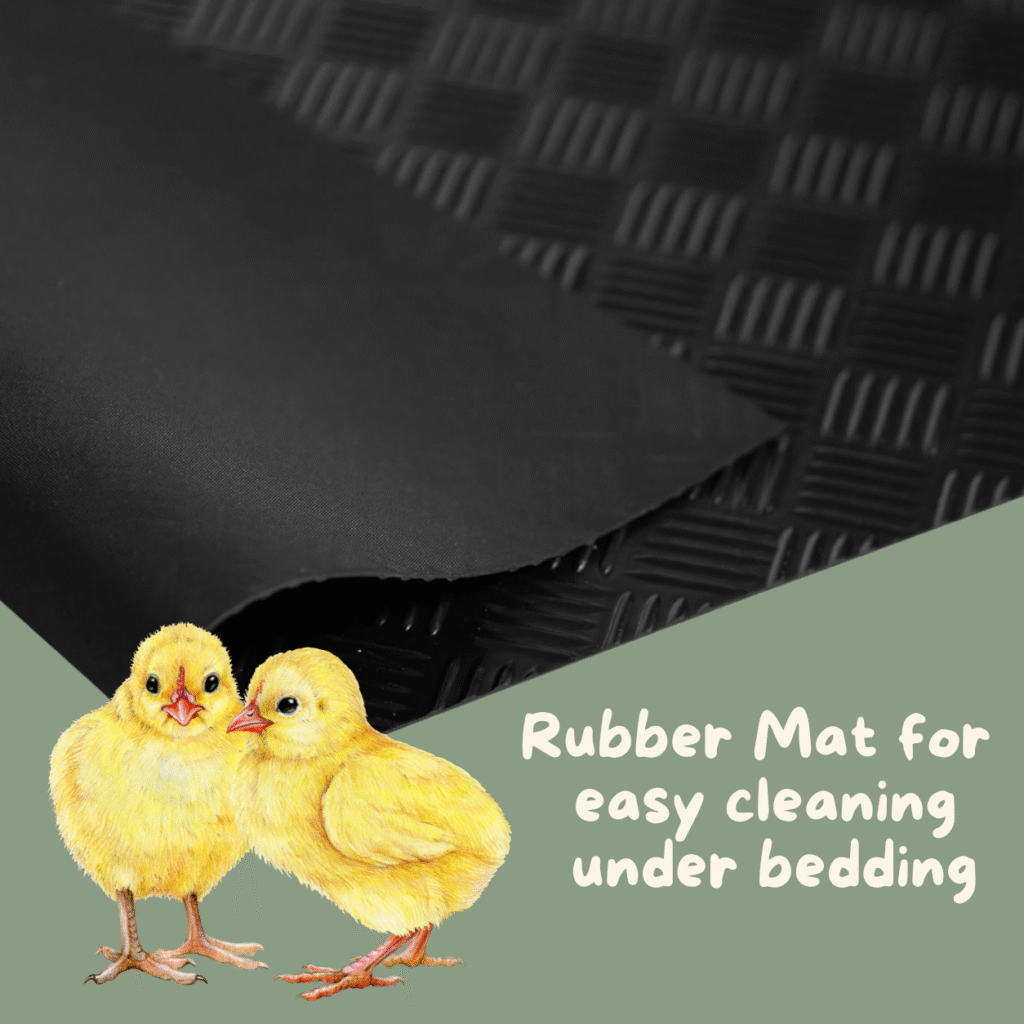
This rubber mat you can cut to size on Amazon
under the bedding layer. Once the brooder gets messy, you can lift it out, clean it, and place it back in with fresh bedding on top.
This is especially useful if you want to keep your brooder cleaner without constantly scrubbing the base.
Step 3: Feed Chicks Properly From the Start
Young chicks need constant access to clean water and a complete chick starter feed. Their bodies grow quickly, so their food needs to support healthy development from the very beginning.
Make sure your chicks have:
- A proper chick starter feed
- Fresh, clean water at all times
- Feeders and drinkers designed for small chicks
- Containers that are stable and hard to tip over
Avoid deep dishes or bowls. Chicks can easily step into them, kick bedding inside, or even get wet and chilled.
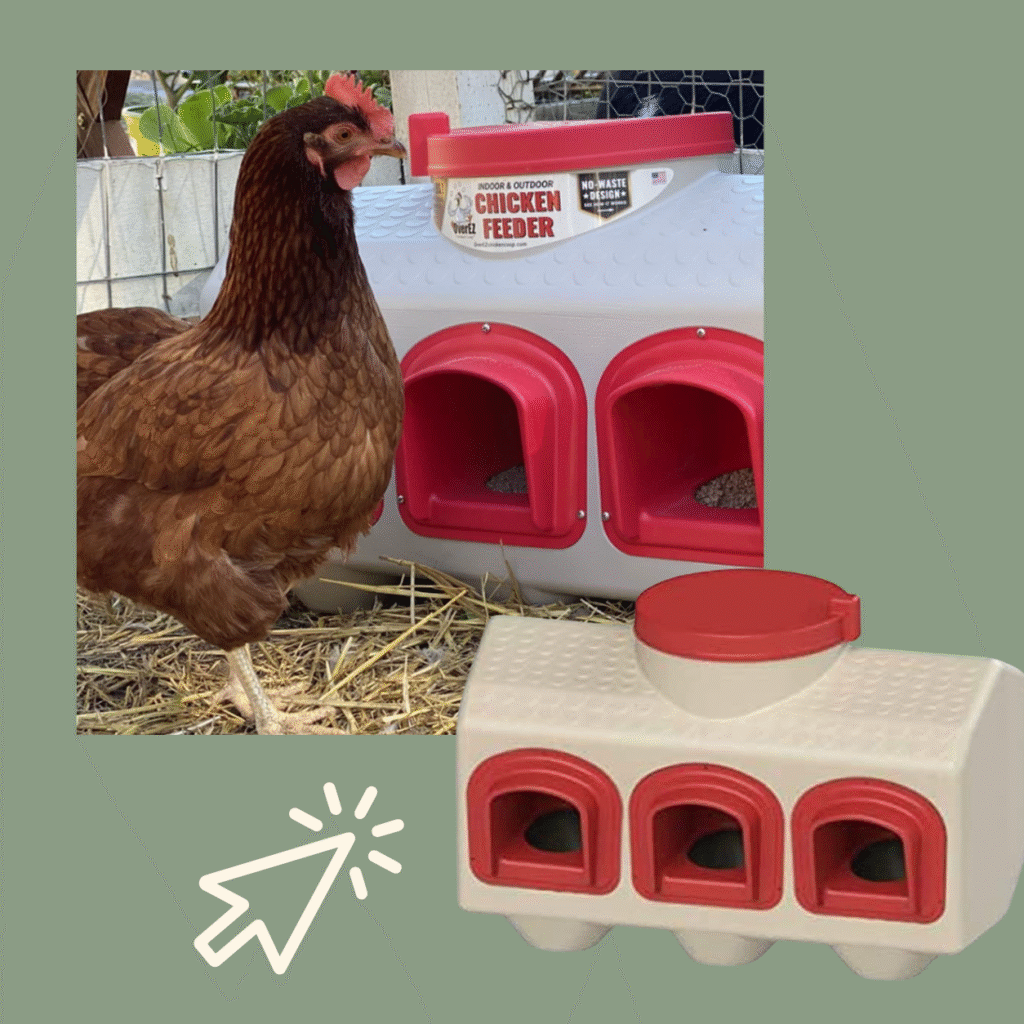
A chick feeder and drinker set makes life much easier when you are raising young chicks. These are designed to keep food and water accessible while reducing mess and waste.
A useful option is
this gravity chick feeder and waterer set on Amazon
. It is ideal for young chicks because it keeps supplies available while helping keep the brooder more organised.
When choosing one, look for:
- A stable shape that does not tip easily
- Narrow openings that help keep bedding out
- A chick-friendly height
- Easy cleaning and refilling
Top up both daily and give them a quick rinse often, because chicks are surprisingly talented at making everything dirty.
Step 4: Help Chicks Feel Safe and Confident
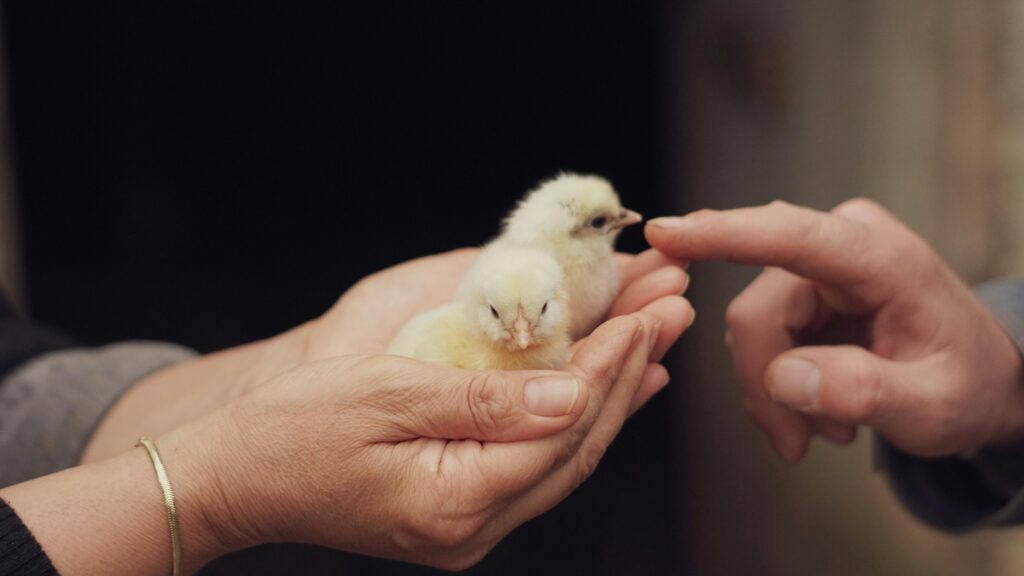
Raising chicks is not only about food and heat. It is also about helping them become calm, confident birds that are used to human presence.
You can build trust by:
- Handling them gently and briefly
- Spending time sitting near the brooder
- Speaking softly so they recognise your voice
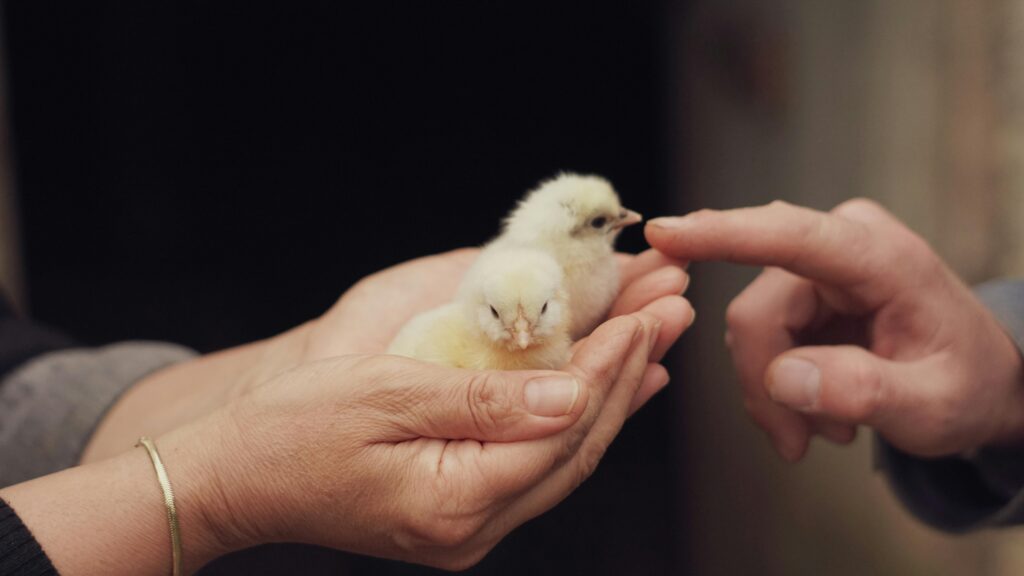
- Letting them explore your hands at their own pace
Short, calm interactions are better than constant handling. The goal is to help chicks feel secure, not overwhelmed.
As they grow stronger, it also helps to introduce simple enrichment so they can practise natural behaviour and stay active.
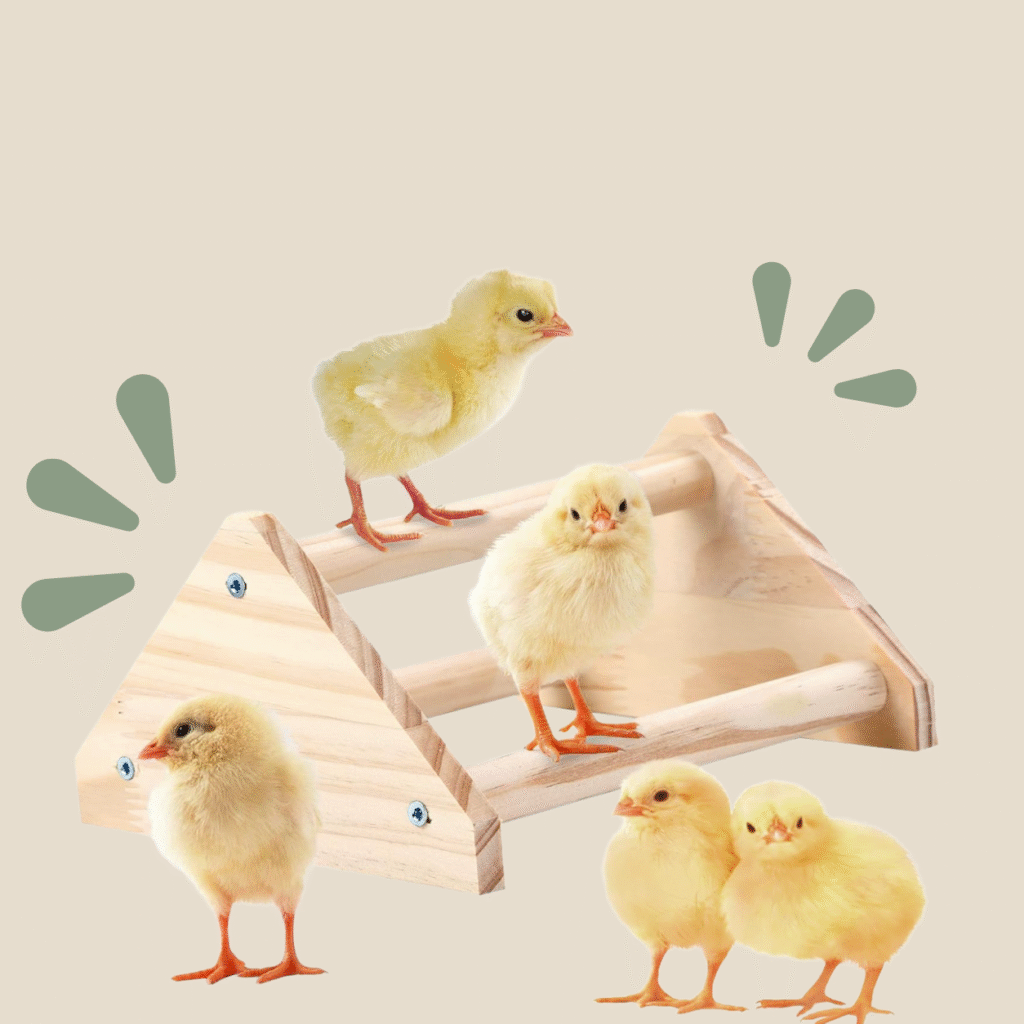
A small chick perch or brooder playground is a great way to give chicks something to explore. It encourages natural movement, early roosting habits, and a bit of healthy curiosity.
You could add this wooden chick perch set on Amazon, once your chicks are a little steadier on their feet. It gives them a safe place to hop, balance, and explore inside the brooder.
Look for:
- Low and stable perch height
- Smooth, easy-clean wood
- A simple design that fits comfortably in your brooder
This type of setup is small, but it can make a big difference to how active and engaged your chicks feel.
Step 5: Know When Chicks Are Ready for the Coop
One of the biggest beginner questions is when chicks can move outside. The answer depends on their feathering, the outdoor temperature, and how well they are coping without extra heat.
Chicks are usually closer to coop-ready when:
- They are mostly or fully feathered
- They no longer depend heavily on constant heat
- They are active, eating well, and growing steadily
- Outdoor temperatures are mild enough for their age
To help them prepare, gradually reduce heat over time and let them have short, supervised outdoor visits on dry, mild days if conditions allow.
Moving chicks outside should feel like a step forward, not a shock. A slow transition usually works best.
A small pet carrier is a simple but useful product when it is time to move chicks from the brooder to the coop. It keeps them secure, reduces stress, and gives you a safe way to transport them.
Try using this ventilated small animal carrier on Amazon when your chicks are ready to move. It is also useful later for temporary isolation or transport if one bird ever needs extra care.
Look for:
- Good ventilation
- A secure latch
- Enough room for a small group of chicks
- A flat base that you can line with a towel or bedding
It is one of those practical items you may not think about at first, but it becomes very handy once you need it.

Step 6: Make the Transition to the Coop Easier

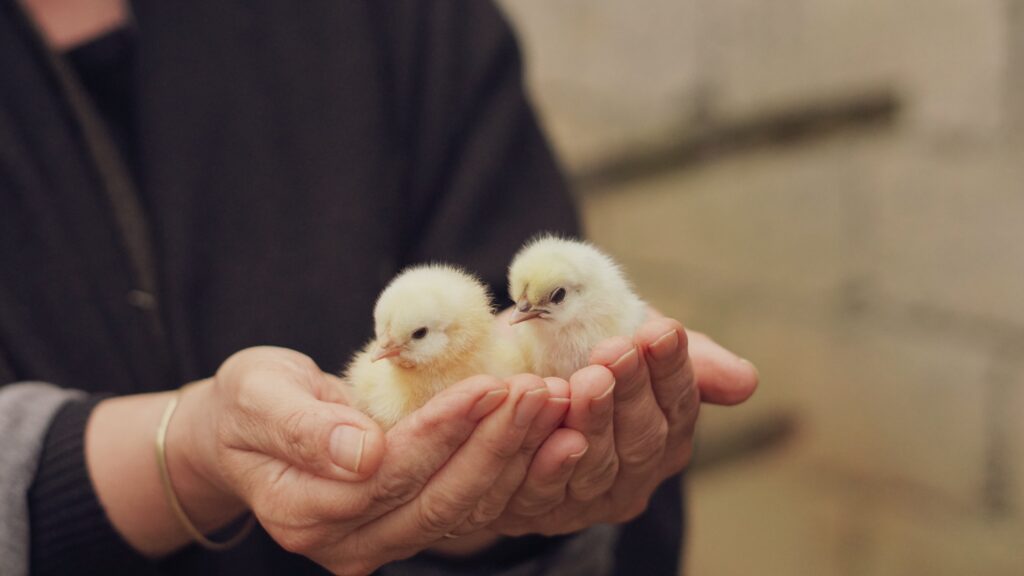
The first few days in the coop can feel unfamiliar for young chicks. Everything is new, and they may need a little help settling in.
To make the move smoother:
- Place food and water where they can find them easily
- Show them where to roost at night
- Keep the coop dry, secure, and draft-free
- Block any gaps where they could get stuck
If you are moving them into a larger setup, give them time to learn where home is before expecting them to behave like experienced adult hens.
This stage is all about helping them adjust with as little stress as possible.
Step 7: Keep Your Daily Routine Simple
Once everything is set up properly, chick care becomes much easier to manage. A simple routine looks like this:
Morning
- Check temperature and chick behaviour
- Refill feed and water
- Remove any damp or dirty bedding
During the day
- Spend a few calm minutes near the brooder
- Handle chicks gently if needed
- Make sure everyone looks active and healthy
Evening
- Check that the brooder is warm and secure
- Top up supplies if needed
- Make sure the chicks are settled for the night
Simple routines build confidence. The more consistent your care is, the easier it becomes to spot anything unusual early.
Final Thoughts
Raising chicks from day one to coop-ready does not have to feel complicated. When you focus on warmth, cleanliness, proper feeding, and a calm routine, you give your chicks the best possible start. With a safe brooder, a few helpful products, and a little daily consistency, chick care becomes much less intimidating and a lot more enjoyable. Before long, those tiny fluffballs will be confident young birds ready to move out to the coop.
⚠️ Affiliate Disclosure: This post contains Amazon affiliate links. If you purchase through these links, we may earn a small commission at no extra cost to you.