
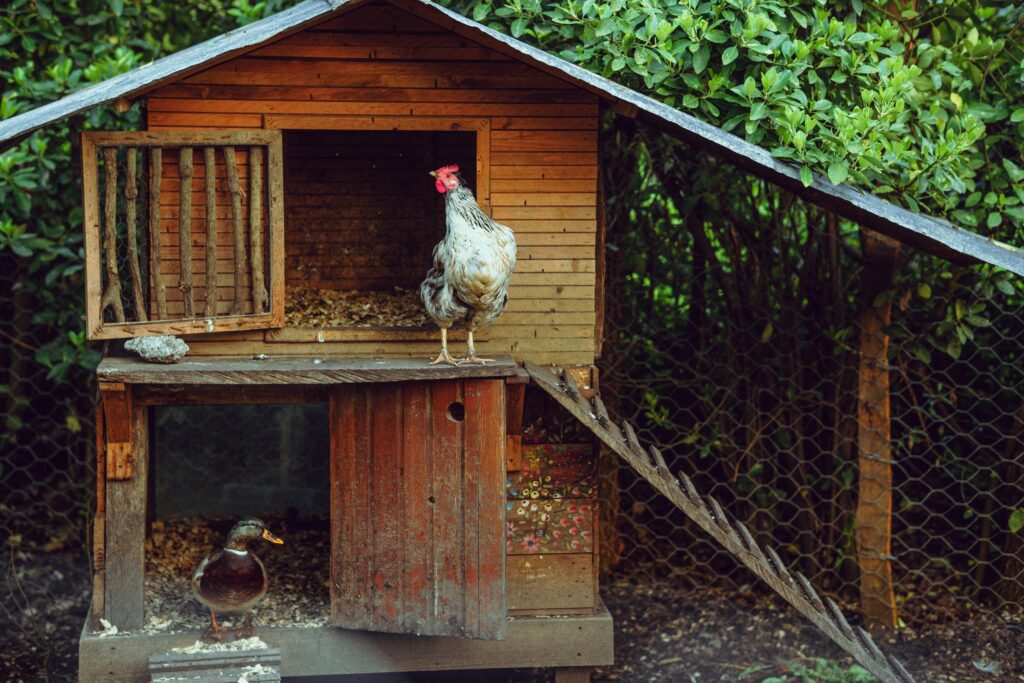
There are two types of chicken coops online: the dreamy Pinterest palaces that secretly took three weekends and a small fortune, and the flimsy flat‑packs that wobble in the first storm. You, meanwhile, are just trying to keep hens safe, dry, and alive without turning your entire free time into “project coop”.
This guide is for the third group: busy backyard owners who want a coop that’s practical, low‑maintenance, and realistic to build (or buy) around work, kids, and everything else.
What Your Coop Has To Do (Not Just Look Like)
Before you worry about paint colours and cute signs, your coop has one job: keep chickens comfortable and predators out.
A solid backyard coop should:
- Give each hen enough indoor space to roost and move around comfortably.
- Stay dry and draft‑free while still letting stale air escape.
- Include nest boxes that are easy for you to reach, not just the hens.
- Use proper mesh and latches so foxes, rats, and neighbourhood dogs stay out.
Think of appearance as the bonus round. If your hens are warm, clean, and safe, the coop is already doing most of its job.
Plan Around Your Routine, Not Just Your Garden
The best chicken coop plans don’t start with a tape measure; they start with your daily schedule.
Ask yourself:
- When do I realistically check on them? dawn, evening, both?
- Can I commit to manual “lock‑up” every night, or do I need help?
- Do I want to bend, crawl, and squeeze… or would I rather walk in?
If you’re short on time, it often makes sense to combine a simple plan with a ready‑made frame or kit and then upgrade the parts that matter most.
Start With a Walk‑In Coop You Can Actually Clean
Instead of building every panel from scratch, you can start with a sturdy walk‑in run and coop combination, then customise the inside with perches, nest boxes, and feeders.
Try a walk‑in chicken coop kit like the large walk-in Chicken Coop with run on Amazon – look for models with a galvanised steel frame, weather‑resistant roof panels, and enough height for you to step inside comfortably.
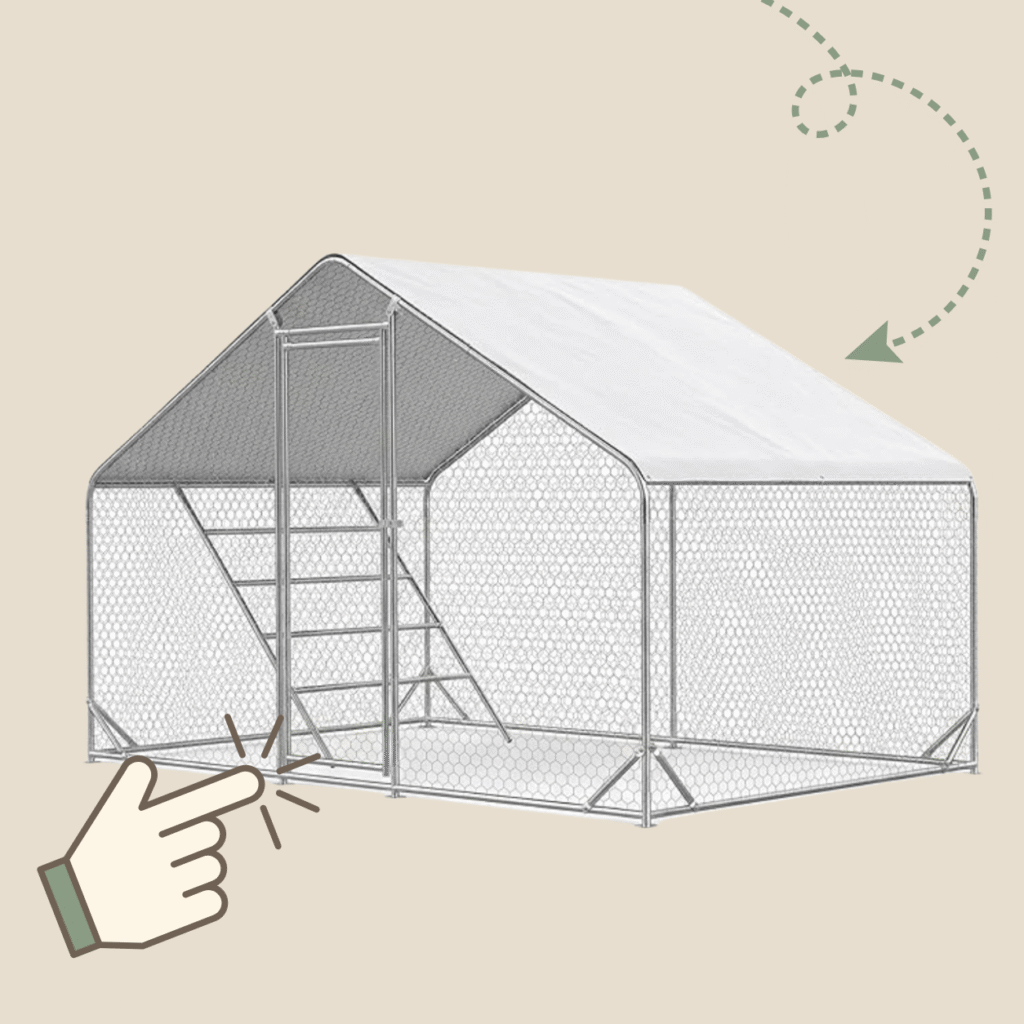
This kind of kit gives you a solid base that saves days of measuring, cutting, and guessing whether the door is straight.
Layouts That Make Life Easier (Not Just Prettier)
A busy‑friendly layout is less about “Instagram cute” and more about shaving minutes off repetitive jobs.
Smart layout choices:
- Side or rear access to nest boxes so you can grab eggs in seconds.
- Straight, removable roost bars that you can lift out and scrape quickly.
- A human‑sized door into the run so you’re not belly‑crawling through mud.
If you’re adapting a kit coop, sketch where your feeder, drinker, and nest boxes will go before you assemble everything; a few minutes of planning on paper saves you moving brackets later.
The “Set‑and‑Forget” Upgrade: Automatic Coop Doors
No matter how organised you are, there will be evenings when dusk arrives before you do. That’s where an automatic coop door quietly saves the day.
An automatic door opens in the morning and closes at night based on either a timer or daylight sensor, so your chickens go to bed on time even when you’re stuck in traffic.
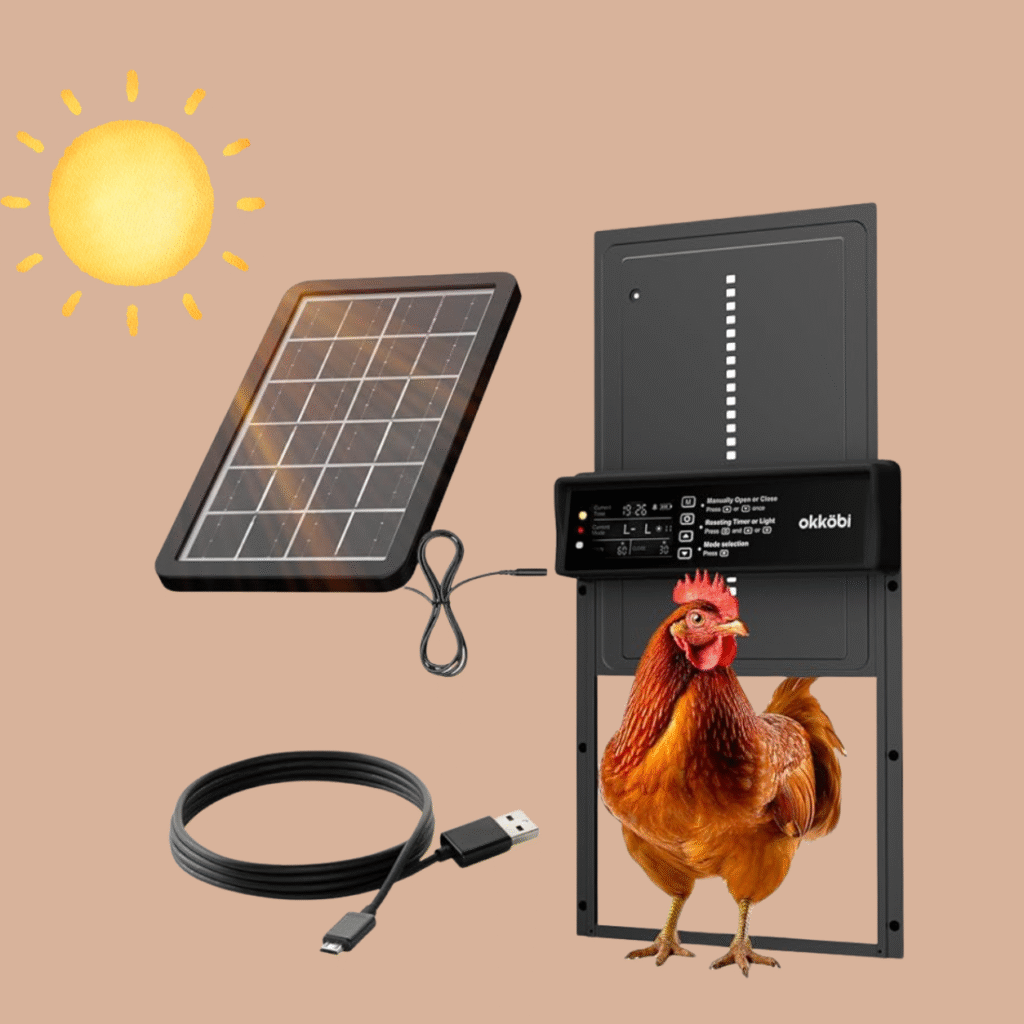
Try an automatic chicken coop door like the Okkobi Automatic Chicken Coop Door with Remote Control, Light Sensor & Timer – it is designed to be weather‑resistant, with programmable settings so you can choose whether it follows sunrise/sunset or a fixed schedule. For a busy owner, this is often the single upgrade that turns “keeping chickens feels stressful” into “they’re sorted, even when I’m not home right at dusk”.
Feed and Water Systems That Don’t Need You Constantly
Open bowls look cute on day one and disgusting by day three. Between scratching feet, flying bedding, and wild birds, you want something that keeps feed off the ground and water as clean as possible.
A covered hanging feeder keeps pellets dry, reduces waste, and makes it harder for wild birds to steal breakfast.
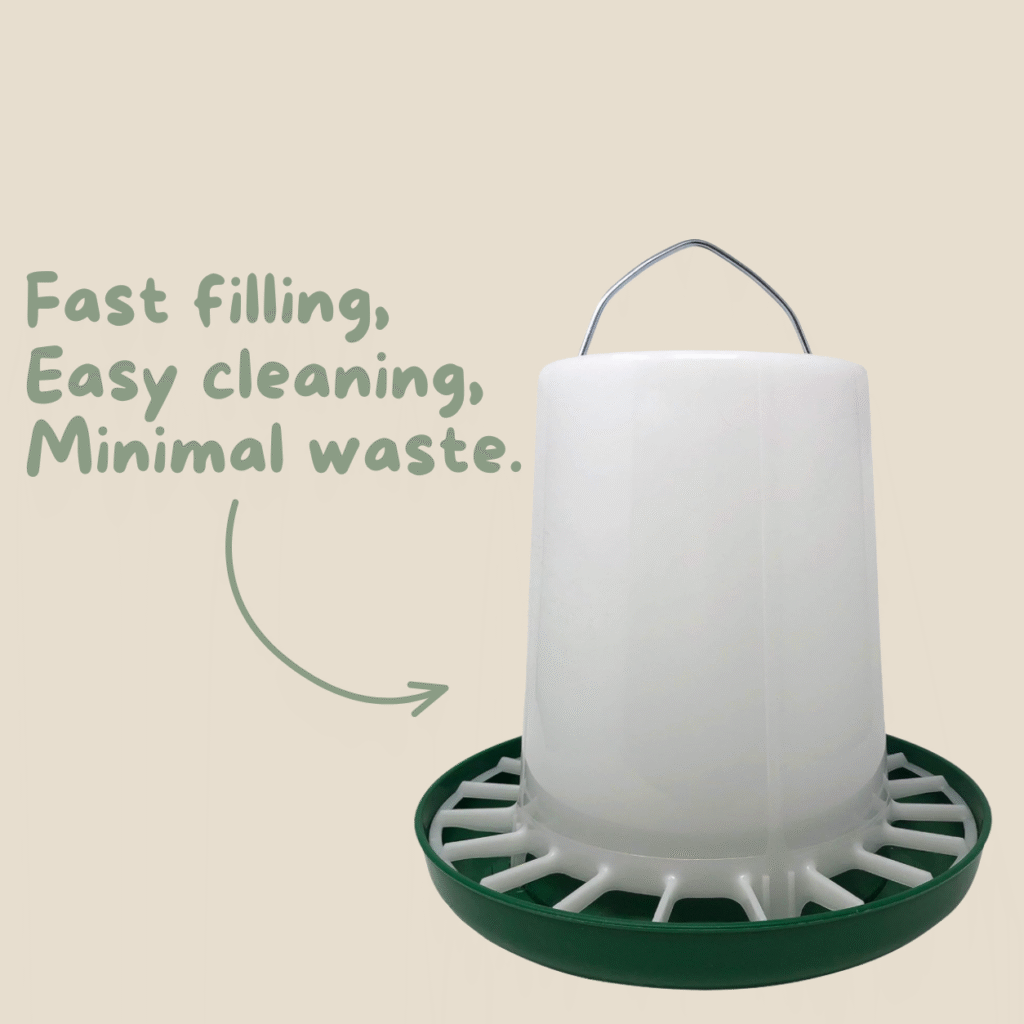
Look at a covered hanging poultry feeder, such as the Free Range Hanging Poultry Feeder
It’s designed to hang at hen chest height, helping keep feed clean and making refills less frequent. Pair it with a decent‑sized drinker or a nipple‑style water system, and your daily “top‑up” routine becomes much quicker.
Floors and Bedding That Don’t Turn Into a Swamp
Nothing makes you fall out of love with your coop faster than a wet, smelly floor. Good plans consider drainage and cleaning from the start.
Easy wins:
- Raise the coop off the ground so air can circulate underneath.
- Use a solid floor in the sleeping area and a well‑drained base in the run.
- Choose bedding that’s absorbent and easy to replace in one go.
To make cleaning even faster, you can line the coop floor with tough mats that lift out in one piece.
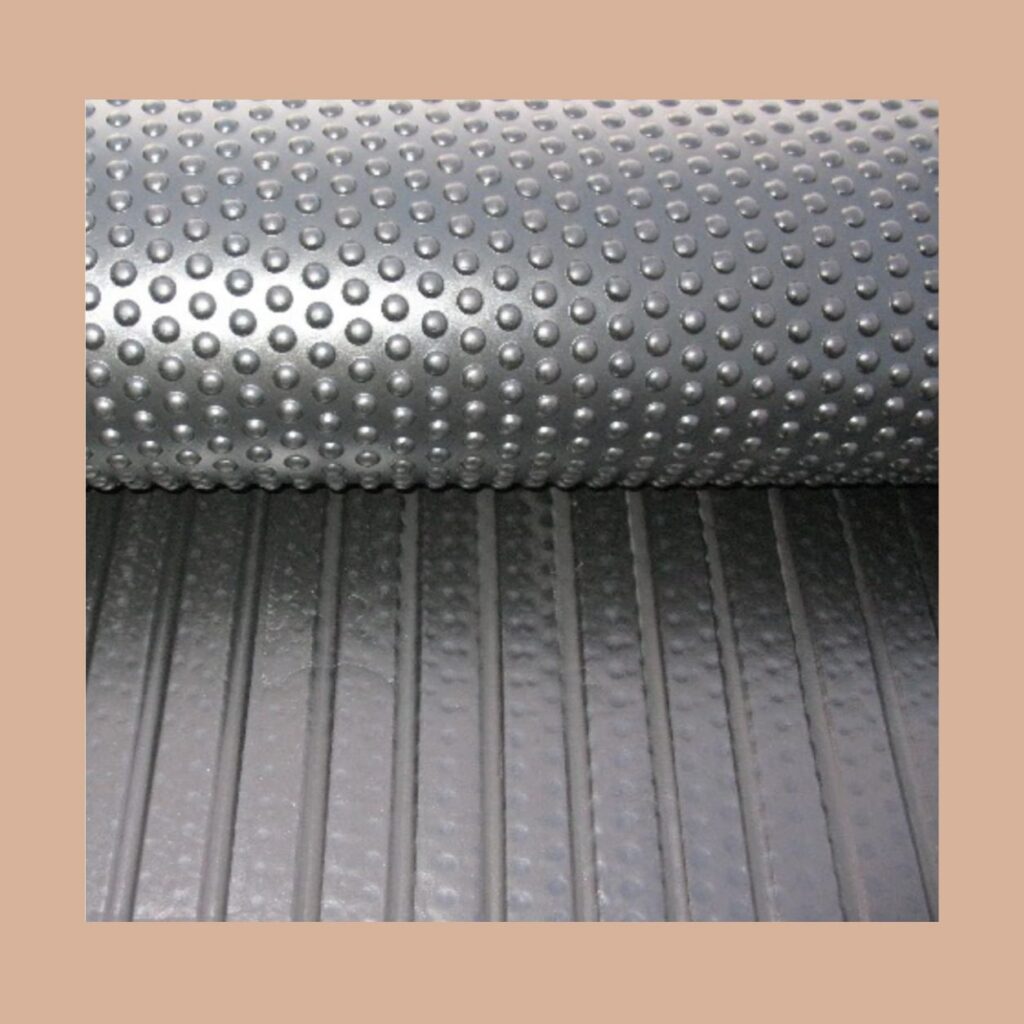
A practical option is the Heavy Duty Rubber, 12mm Thick – 6ft x 4ft, Non Slip Bubbletop Matting . You can cut these to size, lay bedding on top, and then simply lift, scrape, and hose them down when it’s time for a big clean.
This simple layer protects wooden floors, slows down rot, and turns “deep clean” into something you might actually do regularly.
Predator‑Proofing Without Over‑Engineering Everything
Predator‑proofing is one of those things you either do up front… or after you’ve had a very bad night. Foxes and rats are more determined than they look.
Basic rules that fit into almost any coop plan:
- Use welded mesh (hardware cloth) with small openings, not flimsy, wide‑gap wire.
- Extend the mesh outwards along the ground or bury it to block digging.
- Replace simple slide bolts with secure latches that can’t be nudged open.
A roll of strong, welded mesh lets you upgrade almost any kit coop. Try something like Suregreen Galvanised Wire Mesh Roll. It’s suitable for runs, windows, and vents, and gives you a sturdier barrier than standard “chicken wire”.
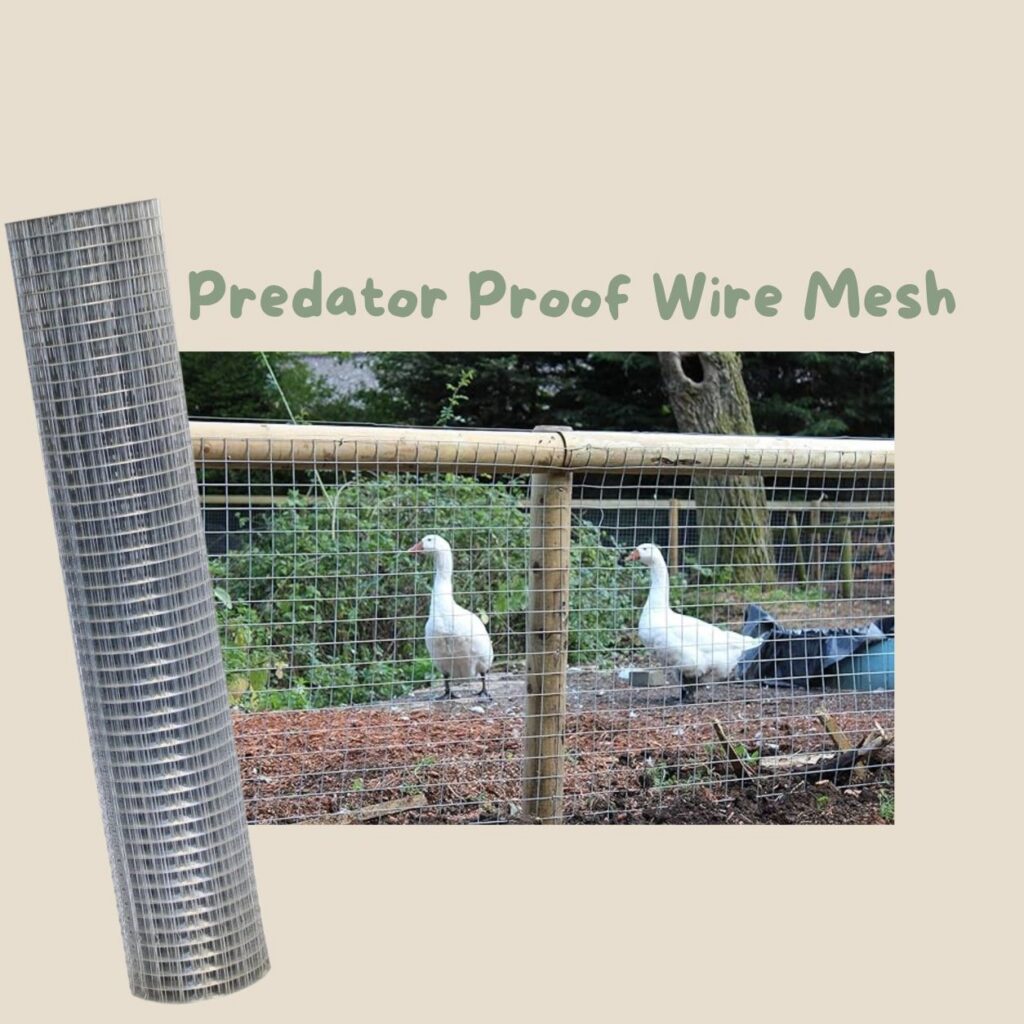
A roll of strong, welded mesh lets you upgrade almost any kit coop. Try something like Suregreen Galvanised Wire Mesh Roll it’s suitable for runs, windows, and vents, and gives you a sturdier barrier than standard “chicken wire”.
It’s not glamorous, but it’s the difference between “that coop looks nice” and “that coop actually keeps everyone in and everything else out”.
A Few Tried‑and‑Tested Plan Ideas
To keep things simple, you can start from one of these rough templates and adapt it to your garden:
- Starter setup (3-4 hens): A compact raised coop with an attached run. External nest box, automatic door on the pop‑hole, hanging feeder under the coop, and rubber‑matted floor in the sleeping area.
- Family flock (5-8 hens): Walk‑in run with a smaller coop tucked inside one end. Perches along the back wall, nest boxes on the side nearest your garden path, and feed stored just inside the main door.
- Busy‑owner “minimal effort” build: Pre‑made walk‑in frame, automatic door fitted to the coop, covered hanging feeder in the run, welded mesh skirt around the base, and heavy‑duty mats on the coop floor.
You don’t need architect‑level drawings; you just need to think through where you will stand when you feed, clean, and collect eggs. If it looks easy on paper, it’ll feel much easier in the rain at 7 am.
Daily Workload With a Well‑Planned Coop
When your coop is set up with your schedule in mind, your routine looks more like:
- A quick morning check to top up feed and water, and glance over everyone.
- A fast egg‑collection stop you can do in under a minute.
- A weekly clean‑out where trays, mats, and perches come out easily instead of fighting you.
You still have responsibilities; they’re living animals, not garden decor, but the coop stops feeling like a second job and starts feeling like a five‑minute reset outside.
Hanging out with your hens is the fun bit. A smart, low‑maintenance coop does the boring stuff behind the scenes, so keeping chickens stays enjoyable even on hectic days.
⚠️ Affiliate Disclosure: This post contains Amazon affiliate links. If you purchase through these links, we may earn a small commission at no extra cost to you.