
FetchStop

Pet Industry Updates

cat grooming brush
Cat, Cat Care

3 Best Cat Grooming Brush Picks For Persian Cats: Proven Ways To Stop Mats Fast

If you live with a Persian, you already know the deal: they look like a cloud, and they shed like one too. One cuddle and suddenly there’s fluff on your sofa, your clothes, and mysteriously, your tea. Long‑haired cats like Persians are gorgeous, but their coats will mat and tangle if you don’t help them out. Think of this guide as a chat with another “floof parent” who’s done the research, spoken to vets, and narrowed it down to three cat grooming brush picks that actually help stop mats fast, not just move loose fur around. Why Persian cats need serious grooming help Persians have long, dense, silky coats plus a thick undercoat, which is basically a matting machine if left alone. Welfare charities and vet sources say long‑haired cats ideally need daily grooming to stay comfy and avoid painful tangles. Without the right cat grooming brush and routine, you can end up with: The goal here is simple: choose the right three tools and use them in a calm, consistent way so mats are dealt with before they become a problem. Pick 1: a slicker cat grooming brush to clear loose fur fast Your first “must‑have” pick for a Persian is a slicker‑style cat grooming brush with fine, flexible pins. This is your daily, quick‑win tool. Pick 2: a wide‑toothed comb to catch hidden mats Slicker brushes are great for surface fur, but Persians hide trouble deeper down. That’s where a wide‑toothed metal comb comes in. If you find a small knot, gently tease it apart with your fingers or, for trickier ones, use a mat‑splitting tool recommended by your vet or groomer rather than scissors. Pick 3: a soft finishing brush or grooming glove for fuss‑free daily use Not every session needs to feel like a full salon appointment. For days when you just want to keep things light, a soft finishing brush or grooming glove is ideal. How to turn these three brushes into a quick routine You don’t need hour‑long sessions to make these tools work. Most long‑haired cat guides suggest little and often. Example routine for a Persian: If you spot big, tight mats or red, sore skin, skip DIY fixes and go straight to your vet or a professional groomer. Heavy mats can be genuinely painful and sometimes need sedation to remove safely. Quick FAQs: stopping Persian mats with the right cat grooming brush Final thoughts: long live the floof If you’ve made it to the end of a blog about cat grooming brushes, you’re officially doing more for your Persian’s coat than your sofa ever dreamed of. Your cat may act like they “woke up like this”, but you now know that behind every silky, mat‑free floof is a human armed with the right tools and a lot of patience. With just three good brushes and a few minutes most days, you’re not just stopping mats fast – you’re cutting down on hairballs, saving your clothes, and turning grooming time into a mini bonding ritual. Your Persian gets to stay gloriously fluffy, and you get to sit down without first de‑fur‑ing your entire life. End of the day, your cat doesn’t care which brush you buy; they care that you show up, go gently, and learn what works for them. The floof is strong – now the grooming game is too. Want to dig deeper into what your cat’s grooming habits are trying to tell you? Read our full guide on cat grooming and anxiety here.

raw dog food
Dog Care, Dog Care, Dog Guide

Raw Dog Food In The UK: Is It Really Better For Your First Pup?

So… you’ve just adopted your first dog, your Instagram is suddenly full of “raw dog food” bowls, and now you’re wondering if kibble makes you a bad dog parent. Totally normal. Raw feeding has exploded in the UK as more owners treat pets like family and want “real food” in the bowl, not just brown biscuits. This guide is your calm, vet‑informed starting point. No guilt, no scare tactics, just a realistic look at what raw dog food is, the pros and cons, and how to keep your dog safe if you decide to try it. What is raw dog food, really? When people say raw dog food, they usually mean diets built around: Why is everyone suddenly talking about raw dog food? You’re not imagining it… raw dog food really is having a moment. It’s in your Insta feed, on TikTok, and popping up in every “day in the life of my dog” reel. A big reason is that more of us are treating our dogs like actual family members. If you’re already thinking about what’s in your food, it’s natural to start side‑eyeing that bag of brown biscuits and wondering if your dog deserves something fresher. Raw bowls look like “real food”: more meat you can see, fewer mystery chunks, and that feels reassuring when you’re new to all this. People who’ve switched to good‑quality raw dog food often say things like: Those changes can make sense when you move from very processed diets to higher‑protein, less “filler‑heavy” ones. But, and this is the important bit, raw isn’t automatically the best choice for every dog or every household. There’s a real flip side vets want you to know about, especially if you’re juggling first‑time dog ownership and a busy UK flat or house share. The vet view: real upsides, real risks Think of raw dog food as one possible “upgrade path”, not a magic fix. There can be benefits, but there are also proper health risks that don’t get talked about enough on social. The trick is to look at both with your vet, not just the before/after Instagram photos. Potential benefits (when done right) If you’re a new dog parent, that all sounds very “yes please”. You just want your dog to feel good and look healthy. But you also don’t want a diet that quietly creates problems behind the scenes, which is where the risks come in. Key risks vets worry about Most vet concerns around raw dog food fall into two big buckets: That’s why your vet might sound a bit wary when raw dog food comes up, especially if you’re still mastering the basics: vaccines, flea and worm treatment, training, and just figuring out how much your dog should eat in the first place. The caution isn’t about judging you, it’s about keeping you out of avoidable drama. Step‑by‑step: how a new UK dog parent can explore raw more safely If you’ve read this far and you’re still curious (not scared off!), here’s a gentle way to dip a toe into raw dog food without feeling overwhelmed. Step 1: Have a quick chat with your vet Before you change anything, especially if your dog is under one year old, book a quick call or mention it at your next appointment. You can keep it simple: Your vet knows your dog’s age, breed and health history, so they’re in the best position to say whether raw is a good idea right now or whether something like gently cooked, complete food might be a safer move for you as a new owner. Step 2: Start with complete, beginner‑friendly products If you do get the green light to explore raw, don’t feel pressured to build Pinterest‑perfect DIY bowls. As a beginner, your main priorities are balanced nutrition and clear instructions, not aesthetics. Look for UK raw dog food or freeze‑dried options that: A complete raw dog food starter box – lets you test raw without committing to a freezer full of tubs. A freeze‑dried raw option – less mess, easier to store; feels like a halfway step between kibble and full raw. A prep and storage kit – dedicated bowls, spatula and cutting board for dog‑only food, so your kitchen feels organised, not chaotic. Step 3: Get your kitchen hygiene game on point This is the part TikTok rarely mentions, but it really matters. If you’re in a rented flat or sharing a kitchen, you want raw dog food to fit into your life without becoming a headache. Common‑sense hygiene rules: Your little prep kit can live in one corner of the kitchen as a “dog zone”, which makes it easier to remember what’s for you and what’s for the pup. Step 4: Transition slowly (and don’t freak out about poo) Sudden food changes are one of the most common reasons owners ring the vet in a panic. Take it slow with any switch, raw included. A gentle transition might look like: You’ll probably notice changes in poo size and texture; that’s normal! What you’re watching for is worry signs: diarrhoea, vomiting, refusing food, or seeming unusually tired. If any of that pops up, pause the new diet and chat to your vet. On top of that, your dog may poo less than it did before. That is normal also. Quick UK‑specific notes for first‑time owners Just a few reassuring reminders for you as a new dog parent in the UK: Raw dog food FAQs for new UK dog parents Final thoughts: you’re doing better than you think If you’ve read all the way to the end of a post about raw dog food, that already says a lot about you as a dog parent. You care, you’re curious, and you’re willing to research before you change anything. That’s exactly what your dog needs. Raw dog food can be amazing for some dogs and households, and a bit too stressful or risky for others. There isn’t one “perfect” answer; there’s just what works best for your

Dog Care

How To Build The Ultimate Rabbit Grooming Kit

Rabbits look like low‑maintenance fluff balls, but their coats and skin are secretly a whole project. They can’t vomit, so when they swallow loose fur it has to move through the gut. If hey ingest too much, that’s when we start worrying about blockages and stasis. A simple, well‑chosen rabbit grooming kit makes shedding easier on both of you: less loose fur floating around, fewer mats, cleaner bottoms, and a chance to catch little health issues (like sore skin or overgrown nails) before they turn into big ones. Step One: Choose The Right Brush For Your Rabbit’s Coat The “best brush” really depends on who you’ve got in front of you, a smooth‑coated bun sheds very differently from a lionhead or angora. For short‑haired rabbits (most mixed‑breeds, Rex, Dutch, etc.): For long‑haired rabbits (lionhead, angora, woolly mixes): You want tools that reach the undercoat without scratching delicate skin, which is why rabbit people love combs and slicker brushes more than big, harsh “deshedding” tools built for dogs. If you want one simple set that works for most pet rabbits, this brush and comb combo is a really nice place to start. The slicker‑style brush helps lift out loose undercoat without being brutally harsh, and the matching comb lets you go back in and catch any sneaky tangles hiding underneath. It’s the sort of kit you can reach for once or twice a week on short‑haired buns, or almost daily on fluffier rabbits, without feeling like you’re fighting your tools every time. Step Two: Add Safe Tools For Mats And Tricky Fur Even with good brushing, most rabbits eventually get a tangle behind the ears, around the bum, or under the armpits. Especially if they’re long‑haired or older and not grooming themselves as well. Vets and rabbit rescues generally recommend: For very long‑haired rabbits, some guardians choose to have them clipped regularly (by a vet nurse or experienced groomer) rather than fighting mats every day. For those “uh‑oh, what is that knot?” moments behind the ears or around the bum, this little mat‑busting tool earns its spot in the grooming box. The rounded edges are designed to work through tangles in small sections instead of ripping at the coat, which is exactly what you want on thin, delicate rabbit skin. Used with a comb between the fur and the skin, it’s perfect for dealing with stubborn fluff clumps that normal brushing just skims over. Step Three: Nail Trimming Tools That Don’t Crush Or Split Nails Rabbit nails grow continuously, and if they get too long, it affects posture, balance and even joint comfort. Many rabbit‑savvy vets recommend trimming every 4–8 weeks, depending on how quickly your bun’s nails grow and how much they naturally wear them down. For nails, you want: If you’re nervous, you can ask your vet or a rabbit‑savvy tech to show you once; practicing with just the tiniest tips at first helps build confidence. When it’s nail‑trim day, these small‑animal nail clippers make the job feel a lot less fiddly. The curved blades are sized for tiny feet, so you can see what you’re doing and make clean cuts instead of crushing or splintering the nail. They sit comfortably in your hand too, which really helps when you’re trying to be gentle, precise and quick. Especially if your rabbit is still deciding how they feel about pedicures. Step Four: Scent Gland & Bum‑Area Clean‑Up Helpers This is the less glamorous side of grooming, but it’s important—especially for older or slightly overweight rabbits. Two key areas: Always go gently and avoid harsh soaps. Mild, rabbit‑safe products and lukewarm water are all you need for occasional spot cleaning. This little “finishing touch” kit is ideal for the less glamorous side of grooming. Think scent‑gland clean‑ups or a quick tidy around the bum. The soft pads with gentle solution are made for sensitive small‑animal skin, so you’re not blasting them with harsh products just to get things fresh again. It’s one of those items you don’t think about until you really need it, and then you’re very glad it’s already sitting in your grooming box. How Often Should You Use Your Grooming Kit? How busy your grooming kit is depends a lot on your rabbit’s coat type and age. Keeping sessions short, calm and followed by a favourite treat makes grooming feel more like a little spa ritual and less like a wrestling match. A good rabbit grooming kit isn’t about turning you into a professional groomer; it’s about having the right small tools ready so you can keep on top of the basics without stress. With a gentle brush or comb that actually reaches the undercoat, safe tools for the occasional tangle, a nail clipper that fits their tiny feet, and a few bits for “delicate area” clean‑ups, you’re already giving your rabbit a huge boost in day‑to‑day comfort. If this helps you swap out a random dog brush for something more rabbit‑friendly, or finally build that all‑in‑one box you can grab on moulting days, your bun will absolutely feel the difference. Even if they pretend to be offended by grooming time. Quick FAQs: Rabbit Grooming Kit Want more tips on how to care for your jumping fur ball? Check out Litter training rabbits made simple even for stubborn bunnies, to make those growing pains more enjoyable.

best airtag dog holders
Dog Care

Best AirTag Holders For Dogs UK: Compare Top Picks (2026)

Using an AirTag on your dog is basically a modern “just in case” plan for when real life gets messy: doors get left ajar, gates don’t latch properly, fireworks spook even the calmest dogs, and off‑lead walks don’t always go to script. In the UK, where dogs are often walked off leash in parks, beaches and moorland, having a small tracker attached securely to a collar or harness can be a genuine safety net alongside ID tags and microchips. Why An AirTag Holder For Dogs Is Worth Considering An AirTag on its own is tiny and easy to lose; the holder is what makes it dog‑proof. A good holder helps when: Vets and pet‑safety experts still see microchipping and ID tags as the first line of defence, but they increasingly mention GPS and tracking accessories as helpful extra layers for dogs that roam, travel or are easily spooked. What To Look For In An AirTag Holder For Dogs Most UK AirTag holder guides highlight a few key features that matter specifically for pets. With that in mind, let’s look at four different styles of holder and which dogs and routines they suit best. 1. Slim Collar‑Mounted Holder (Everyday City & Suburb Walks) This type of holder clips directly onto a flat collar and sits low against the strap, which makes it a good all‑round choice for most everyday UK dogs. They are best for: This style is often recommended by comparison sites as a solid default pick because it balances security, comfort and everyday practicality. 2. Heavy‑Duty, Waterproof Holder (Highlands, Coasts & Mud Lovers) If your dog’s happy place is the Highlands, the beach, or any route that involves mud, bog and streams, a more rugged, waterproof AirTag holder is the better match. They are best for: UK guides specifically call out waterproof and robust holders as a smart upgrade for outdoor‑adventure dogs, because standard, open AirTags can quickly get clogged or damaged in those conditions. 3. Multi‑Use Clip Holder (Swapping Between Dog, Bag & Keys) If you like the idea of one AirTag doing double duty -sometimes on your dog, sometimes on your bag or keys- a clip‑style holder with a carabiner or keyring is often the most flexible option. They are best for: Expert round‑ups often highlight these multi‑use holders as cost‑effective for people just dipping their toe into tracking, as long as you remember to clip back onto the dog before walks. 4. Harness‑Friendly / Slide‑On Holder (Active, Collar‑Sensitive Dogs) Some dogs wear harnesses more often than collars, or they have sensitive necks and skin, so a slide‑on holder that can thread onto a harness strap is a nicer fit. They are best for: UK reviewers often recommend slide‑on designs specifically for harness users because they distribute weight better and are less likely to snag than dangling tags. Quick FAQs: AirTags & Dogs In The UK If you’re also rethinking what your dog actually wears on walks, our Complete Comfort Dog Harness Guide For Every Breed And Size walks you through choosing the right harness for their body shape and daily routine.

new rabbit owners
Dog Care

New Rabbit Owner? Here’s What Your Starter Kit Should Have

Bringing home a new rabbit feels a bit like bringing home a tiny, silent roommate who didn’t read the house rules. They’re not quite cats, not quite hamsters, and they come with their own very specific list of “non‑negotiables.” The trick is to get a few essentials right from day one, so you’re not constantly firefighting mess, boredom or health niggles in those first few weeks. 1. A Safe Space: Enclosure And Hide Your new rabbit’s first need isn’t a cute toy, it’s somewhere safe and roomy to live. Small hutches on their own just don’t cut it for modern rabbit welfare; they simply don’t give enough space to move, stretch and behave naturally. New rabbits do best with: If you want something that ticks those boxes without taking over your whole living room, a foldable indoor pen like this one gives you a flexible “bunny corner” you can reshape as you learn how they use the space. Pop a simple wooden hide or reinforced cardboard box inside, and you’ve instantly turned a bare floor into a proper little home base. Fun fact: many UK rescues recommend a minimum of about 60 square feet of total space (enclosure plus exercise area) for a pair of rabbits, because in the wild they can travel several kilometres a day. 2. The Food Core: Hay, Pellets And A Solid Feeder Once the “home base” is sorted, the next essential is food; specifically, constant access to hay. Rabbits are hindgut fermenters with ever‑growing teeth, so hay is both their main calorie source and their dental plan. Most rabbit care guides agree: To make that easier on both of you, a combined hay rack and pellet feeder like this can be a lifesaver. It keeps hay off the floor but easy to reach, gives pellets a fixed spot, and quietly reduces the number of times you’re sweeping up a full‑scale hay explosion every evening. Fun fact: in a healthy gut, hay moves through a rabbit’s digestive system in about 12–24 hours! So that constant nibbling you see is literally keeping things moving. 3. Litter Box Setup: Tray, Litter And Hay Yes, rabbits can be litter trained! And once you’ve seen how tidy a good setup can be, you’ll never go back. The key is to use rabbit‑safe materials and make the “right” spot the easiest, comfiest place to go. For most new setups, you’ll want: A corner or rectangular litter tray that’s actually sized for rabbits (not just tiny rodents) makes a huge difference. This style gives enough space to sit, turn and munch hay comfortably while still fitting neatly into a pen corner. Pair it with rabbit‑safe paper or wood‑pellet litter and you’ve basically set up the “bathroom” that anchors the rest of your cleaning routine. Fun fact: many experienced owners joke that rabbits “read” the litter tray as a hay buffet with a toilet attached, which is exactly why putting hay there works so well. 4. Chews, Toys And One Simple Grooming Tool Once the basics of home, food and toilet are in place, your starter kit needs just a bit of enrichment and a touch of grooming support. Rabbits are hard‑wired to chew, dig and explore, and they shed more than most new owners expect. To keep life sane and bunny‑friendly: If you don’t want to overthink it, a small enrichment starter bundle that covers those “jobs” is a really easy win. This particular set gives you a mix of chews and a tunnel/hide to nibble, toss and dart through, so your rabbit has something genuinely interesting to do from day one. Then you can add a simple rabbit‑friendly brush later, once you’ve got a feel for how much your bun sheds and how they cope with being handled. Fun fact: behaviour specialists often recommend you cover three “jobs” with toys -something to chew, something to throw, and something to dig- because that hits most of a rabbit’s natural urges. Start With What Rabbits Actually Care About – New Rabbit, New Life It’s very easy to blow your budget on cute bowls and themed toys, but your rabbit will care much more about safe space, endless hay, a clear toilet corner/space and a few ways to chew, dig and hide. If you build your starter kit around those four essentials: one solid enclosure and hide, a hay‑first feeding setup, a well‑placed litter tray, and a simple enrichment bundle you can expand with grooming tools later. You’ll have most of the “non‑negotiable” needs covered from day one. Everything else becomes a fun upgrade rather than a frantic “oops, we forgot the important thing” purchase later. If you’d like a bit of extra help turning that litter tray into your rabbit’s favourite bathroom spot, check out Litter training rabbits made simple even for stubborn bunnies guide that walks you through the whole process step by step.

Dog Care

Dog Essentials | Things You Need for a New Dog

Bringing a new dog home is exciting… until you realise you now live with a tiny, unpredictable creature who thinks your shoes are a snack and 3am is a great time to party. Between the excitement and the chaos, one question comes up fast: what do you actually need? Not the 27-item “new puppy checklist” that makes you panic-buy everything online, but the essentials that genuinely make those first few weeks smoother. Here’s a simple, realistic guide to four must-haves every new dog owner should consider. A Proper Dog Bed (Not Just Your Sofa) Yes, your new dog will try to claim your bed. That’s unavoidable. But giving them their own space from day one makes a big difference, especially when they’re settling into a completely new environment. A good dog bed isn’t just about comfort; it helps with routine and gives them somewhere to retreat when everything feels a bit overwhelming (which, honestly, is most of the time at the start). Look for something soft but supportive, and definitely washable. Future you will be very grateful. Calming or donuts-style beds are great for dogs who love to curl up and feel secure. Harness and Lead: Save Yourself the Chaos Walking a new dog sounds calm and wholesome. In reality, it’s more like being dragged around by a small, determined creature with zero sense of direction. A harness gives you better control and avoids putting pressure on your dog’s neck, which is especially important for puppies still learning how to walk nicely. Go for something adjustable, secure, and easy to put on. If it feels like solving a puzzle every time you use it, it’s not the one for you. You’ll be doing this daily, probably while your dog is trying to lick your face, so pick wisely. Food and Water Bowls (That Don’t Go on Tour Around Your Kitchen) This feels like the most obvious item… until your dog turns dinner time into a sport. Cheap, lightweight bowls tend to slide, tip, and somehow travel across the room mid-meal. Stainless steel or non-slip bowls are a much better choice. They’re durable, hygienic, and stay where they’re supposed to. It’s a small upgrade that makes a weirdly big difference to your daily routine. Chew Toys: Because Everything Else Is Fair Game Puppies explore the world with their mouths. Unfortunately, that includes your furniture, your chargers, and that one shoe you actually liked. Chew toys give them a safe outlet for that behaviour and help with teething at the same time. Without them, they’ll just… improvise. Durable rubber toys are a solid starting point, and anything you can stuff with treats will keep them occupied for longer than five minutes. Which, honestly, feels like a win in my book. What to Actually Look For (So You Don’t Waste Money) Product Type Key Features to Look For Common Mistakes to Avoid When You’ll Notice It Matters Most Dog Bed Washable cover, supportive filling, calming shape (e.g. donut), non-slip base. Choosing style over comfort, non-washable fabrics. First few nights, nap time, settling anxiety. Harness & Lead Adjustable fit, padded straps, secure clips, simple design. Too loose/tight fit, complicated straps, using collar only. Walk training, pulling, busy outdoor areas. Food & Water Bowls Stainless steel or ceramic, non-slip base, easy to clean. Lightweight plastic, bowls that tip or slide. Feeding time (especially with fast eaters). Chew Toys Durable materials (rubber), size-appropriate, safe for teething, optional treat-fill. Toys that break easily, too small (choking risk), no variety. Teething phase, boredom, preventing damage Final Thoughts (From Someone Who’s Been There) You don’t need to get everything perfect before your dog arrives. Honestly, your dog doesn’t care if their bed matches your room or if their bowls are “aesthetic.” What they do care about is feeling safe, having something to chew, and being close to you. Start with the basics, see what your dog actually likes (because they will have opinions), and adjust as you go. You’ll figure it out! Usually right after they do something mildly chaotic that forces you to. And if in doubt? Buy the chew toy. It’s almost always the right decision.

Dog Care

Top 10 Dog Harnesses for Comfort and Control on Walks

Taking your dog for a walk is one of the most joyful and essential parts of pet ownership. It strengthens your bond, provides needed exercise, and lets your furry friend explore the world. But the quality of those walks depends heavily on one simple accessory: your dog’s harness. With so many options available, choosing the best dog harnesses can feel overwhelming. Whether you’re searching for a comfortable walking harness, need something durable for a big breed, or want the best in no-pull dog harness reviews, the right fit can make all the difference. Harnesses have come a long way from the basic designs of the past. Today, they offer enhanced features for comfort, safety, and control. In this article, we’ll explore why harnesses are a better choice than collars for many dogs and dive into the top 10 dog harnesses that balance comfort, adjustability, and control—especially important if you’re seeking a harness for large dogs or a fully adjustable pet harness for growing pups. Why Choose a Harness Over a Collar? Before we list the top options, it’s worth noting why many pet owners are making the switch from collars to harnesses. Traditional collars can put pressure on a dog’s neck, especially when they pull or lunge. This can lead to discomfort or even injury, particularly for smaller breeds or dogs with breathing issues. A good harness distributes pressure evenly across the dog’s chest and shoulders, allowing for more control during walks and making it a safer alternative overall. Plus, for pups who like to pull, no-pull dog harnesses gently redirect them without causing pain. What to Look for in the Best Dog Harnesses Every dog is unique, so the ideal harness varies by breed, size, energy level, and specific needs. When evaluating options, consider the following: Now that you know what to look for, here’s our list of the top 10 dog harnesses to enhance your daily walks. 1. Ruffwear Front Range Harness One of the most highly rated across no-pull dog harness reviews, the Ruffwear Front Range is built for adventure and everyday comfort. It features two leash attachment points—one on the back and one on the chest—for versatile control. Best for: Active dogs, hiking, daily walksKey Features: Reflective trim, ID pocket, foam-padded chest 2. Kurgo Tru-Fit Smart Harness This harness is crash-tested for car safety and functions well as a comfortable walking harness. With five adjustment points and a broad, padded chest plate, it offers both safety and comfort. Best for: Travel and walkingKey Features: Steel nesting buckles, seat belt tether, multiple sizes 3. PetSafe Easy Walk Harness Designed specifically to curb pulling, this front-clip harness is a favorite among trainers and pet parents alike. The Martingale loop at the chest discourages forward movement without choking. Best for: Pullers and leash trainingKey Features: Quick-snap buckles, multiple size options, minimal design 4. Blue-9 Balance Harness This adjustable pet harness allows for total customization, making it perfect for dogs with unique body shapes. The six-point adjustment ensures a snug yet comfortable fit. Best for: Custom fit for hard-to-size dogsKey Features: Dual leash attachment, freedom of shoulder movement, durable design 5. Julius-K9 IDC Powerharness Built like a tank, this harness for large dogs offers excellent durability and control. Its wide straps and strong buckles make it ideal for working dogs or heavy pullers. Best for: Large breeds, strong dogsKey Features: Replaceable patches, handle on top for control, reflective elements 6. Voyager Step-In Air Dog Harness Ideal for small breeds, this step-in style is lightweight, breathable, and easy to put on. It’s a fantastic everyday harness with stylish options. Best for: Small dogs and puppiesKey Features: Mesh fabric, Velcro closure, easy on/off 7. Embark Adventure Dog Harness Sleek and practical, this harness is perfect for both urban walks and outdoor treks. It’s padded for comfort and includes front and back clips for varied control. Best for: Medium to large active dogsKey Features: Military-grade nylon, adjustable straps, handle for lifting 8. Chai’s Choice Outdoor Adventure Harness This eye-catching harness balances function and fashion. Its ergonomic design and sturdy build make it a reliable choice for all-day wear. Best for: Medium dogs, stylish pet parentsKey Features: Reflective trim, padded mesh, seatbelt handle 9. Eagloo Dog Harness An affordable yet highly effective no-pull dog harness, the Eagloo model features two leash clips and wide padded straps for even pressure distribution. Best for: Budget-conscious ownersKey Features: Anti-choke design, reflective straps, breathable padding 10. Puppia Soft Dog Harness This fan-favorite is perfect for smaller breeds who need a gentle, snug fit. The soft mesh and lightweight feel make walks more enjoyable for your pup. Best for: Toy breeds, puppiesKey Features: Adjustable chest belt, quick-release buckle, various colors Tips for Getting the Most Out of Your Dog’s Harness No matter how good the harness is, your dog’s comfort and safety depend on how well it fits and how you use it. Here are a few tips: Which Harness Is Right for Your Dog? Every dog has different needs. A calm senior might benefit from a soft mesh model, while an enthusiastic puller could do better with a front-clip no-pull dog harness. For big breeds, a harness for large dogs with reinforced stitching and control handles is a must. If your pup is still growing, go for an adjustable pet harness that can evolve with them. And if comfort is your top priority, look for breathable padding and lightweight materials that keep your dog cool and chafe-free. Final Thoughts The best walks start with the best dog harnesses—the ones that fit well, feel good, and give you peace of mind. A good harness isn’t just about control; it’s about freedom, safety, and a more enjoyable experience for both you and your dog. Whether you’re managing a strong puller, enjoying casual strolls, or embarking on off-road adventures, there’s a perfect harness out there. With options like the Ruffwear Front Range for rugged use or the Puppia Soft Harness for everyday comfort, you’re sure to find something that suits
Dog Care

World’s Ugliest Dog 2024: Meet the New Champion, Wild Thang!

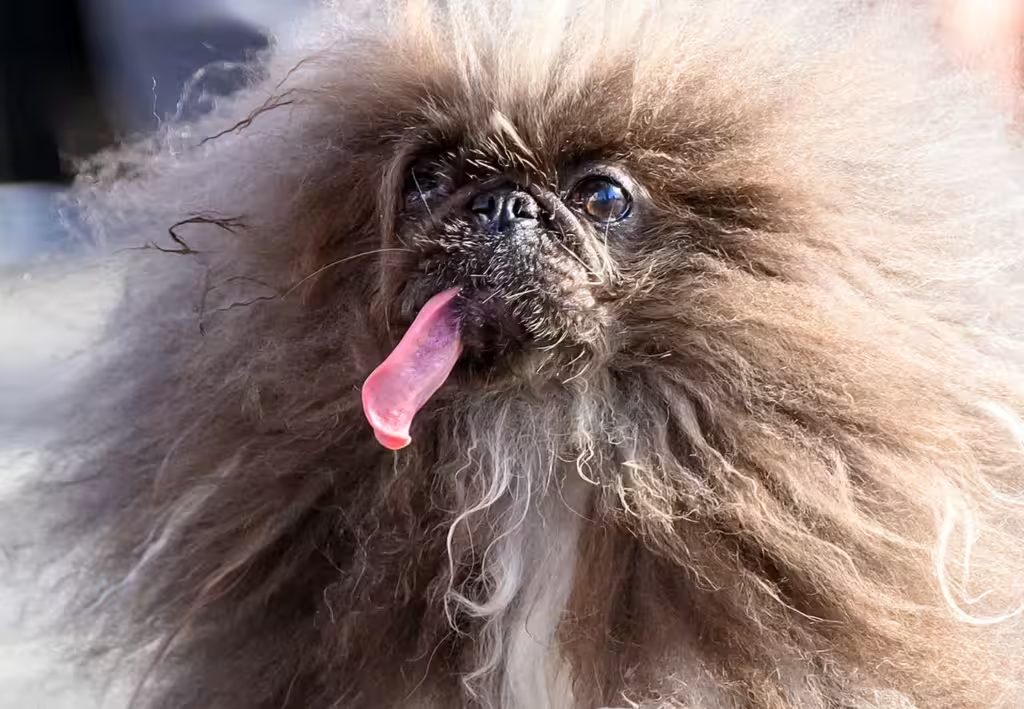
The World’s Ugliest Dog annual contest may not render the most flattering title to its victor, but don’t tell that to Wild Thang. This eight-year-old Pekingese won this year’s competition on Friday, bringing joy to his owner and fans alike. Let’s dive into the details of the 2024 contest, meet the new champion, and explore the impact of this delightful event. A Brief History of the World’s Ugliest Dog Contest Origins The World’s Ugliest Dog Contest began back in the 1970s as a small local event at the Sonoma-Marin Fair in Petaluma, California. Initially, it was a fun way for dog owners to show off their pets’ unique appearances, but it quickly gained popularity and became a beloved annual tradition. Over the years, the contest has evolved, attracting participants from all over the country and even internationally. It’s grown into a major event, drawing significant media attention and a large, enthusiastic audience. Notable Past Winners Some past winners have become quite famous, like Yoda, a Chinese Crested-Chihuahua mix who won in 2011, and Zsa Zsa, an English Bulldog who took the crown in 2018. Each winner has their own special story, highlighting the incredible diversity and resilience of these dogs. The 2024 World’s Ugliest Dog Contest Event Details This year’s world’s ugliest dog contest took place on June 21st at the Sonoma-Marin Fairgrounds. The atmosphere was electric, with dogs of all shapes and sizes strutting their stuff on stage. Eight dogs vied for the title this year, most of which came from dog shelters before being adopted. The judges had the tough job of choosing the ugliest dog from a field of impressive contenders. Judging Criteria Dogs are judged on a variety of factors, including their unusual attributes, personality, and overall impression. It’s not just about looks; the judges also consider the dogs’ stories and the bond they share with their owners. Key Participants This year saw a diverse group of participants, from hairless breeds to dogs with quirky features like lolling tongues and mismatched eyes. Each dog brought their own special charm to the stage, making the competition fierce and fun. Notable participants included a 14-year-old pug named Rome, who came in second place, and a mixed-breed dog named Daisy Mae, who took third place. Meet the 2024 World’s Ugliest Dog Winner Winner Announcement The 2024 title of World’s Ugliest Dog goes to Wild Thang, a super fluffy eight-year-old Pekingese from Coos Bay, Oregon. Wild Thang has competed in five editions of the contest, and this year marked his first victory. Background of the Winner Wild Thang’s journey to the world’s ugliest dog contest is a heartwarming one. He was diagnosed with canine distemper as a 10-week-old puppy, preventing the growth of his teeth and causing a muscular disorder in one of his legs. Despite these challenges, Wild Thang’s resilience and charm won over the judges. Owner’s Perspective Wild Thang’s owner, Ann Lewis, was thrilled with the win. “Winning this contest means the world to us. It’s not about the title; it’s about showing that every dog deserves a chance, no matter how they look,” she said. Ann hopes Wild Thang’s story will inspire more people to adopt rescue dogs, especially those with unique appearances. Along with the title, Ann can expect to receive $5,000 for the win and an appearance on NBC’s Today show. Public Reaction Social Media Buzz Social media lit up with reactions to Wild Thang’s win. Fans from all over the world congratulated him, sharing their own stories of adopting unconventional pets. The hashtag #UglyDogContest2024 trended for hours, filled with heartwarming photos and messages of support. Media Coverage Major news outlets covered the event, highlighting not just Wild Thang’s victory but also the contest’s larger message of love and acceptance. The media attention helps spread awareness about the importance of adopting pets from shelters. Public Opinion Public reaction was overwhelmingly positive. Many people appreciated the contest’s celebration of imperfections and the spotlight it shines on rescue dogs. Of course, there were a few dissenting voices, but the overall sentiment was one of joy and support for Wild Thang and his fellow contestants. The Significance of the Contest Awareness and Advocacy The World’s Ugliest Dog Contest plays a crucial role in raising awareness about rescue dogs and encouraging adoption. Many of the contestants, including Wild Thang, come from shelters or rescue situations. Their stories highlight the need for loving homes for all dogs, regardless of their looks. In a world that often values perfection, this contest is a refreshing reminder that beauty comes in all forms. It celebrates the uniqueness of each dog and promotes a message of acceptance and love. Impact on Participants For the dogs and their owners, participating in the contest can be life-changing. Winning or even just being part of the event brings attention to the dogs’ stories and can help change perceptions about what makes a dog beautiful. Conclusion The 2024 World’s Ugliest Dog Contest was a heartwarming and joyous event, celebrating the unique beauty of dogs like Wild Thang. It’s a reminder that every dog deserves love, no matter their appearance. As we look forward to future contests, let’s remember the important message behind this event: embracing imperfections and giving every dog a chance at a happy, loving home. Whether you’re a dog owner, a dog lover, or simply someone who enjoys heartwarming stories, the world’s ugliest dog contest has something for everyone. So, mark your calendars for next year’s event, and who knows? Maybe your furry friend could be the next champion!

Scroll to Top
×