

FetchStop

dog adoption

Dog Care

Dog Essentials | Things You Need for a New Dog

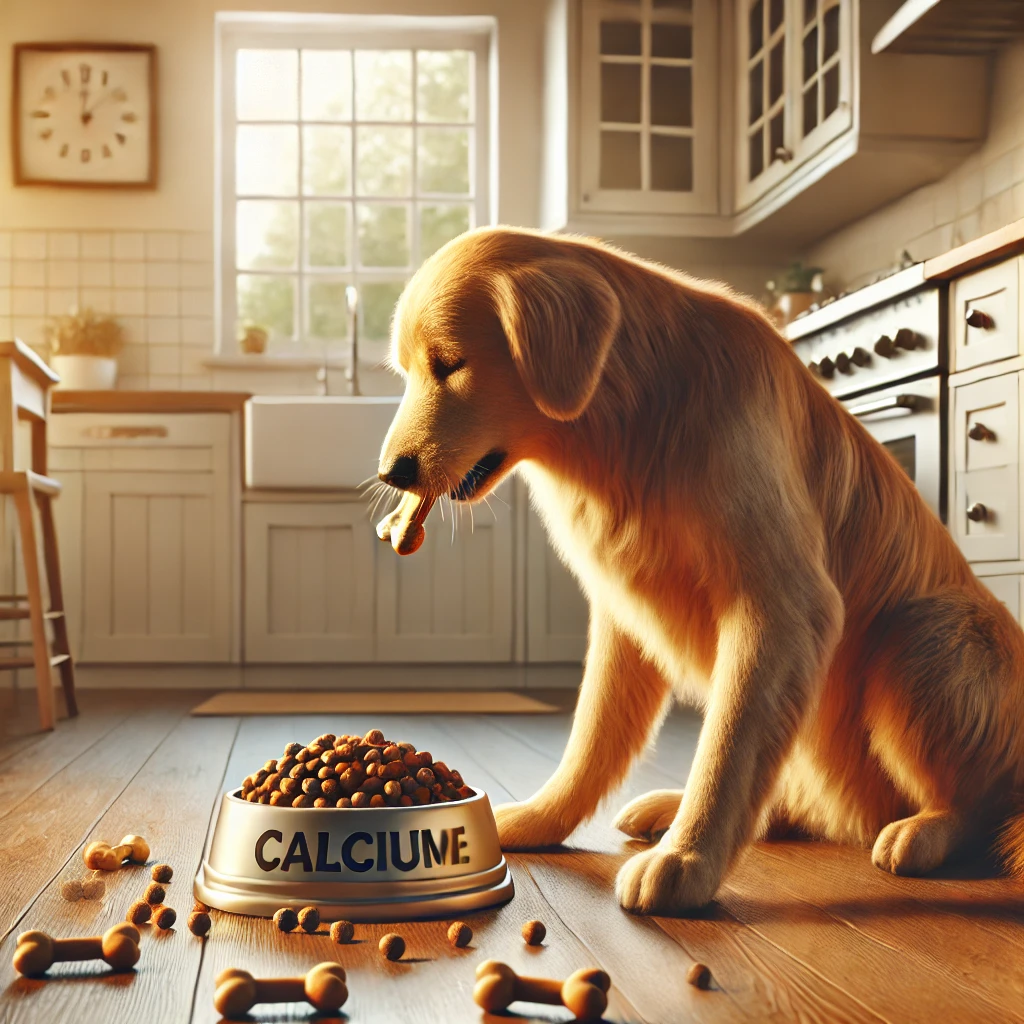
Bringing a new dog home is exciting… until you realise you now live with a tiny, unpredictable creature who thinks your shoes are a snack and 3am is a great time to party. Between the excitement and the chaos, one question comes up fast: what do you actually need? Not the 27-item “new puppy checklist” that makes you panic-buy everything online, but the essentials that genuinely make those first few weeks smoother. Here’s a simple, realistic guide to four must-haves every new dog owner should consider. A Proper Dog Bed (Not Just Your Sofa) Yes, your new dog will try to claim your bed. That’s unavoidable. But giving them their own space from day one makes a big difference, especially when they’re settling into a completely new environment. A good dog bed isn’t just about comfort; it helps with routine and gives them somewhere to retreat when everything feels a bit overwhelming (which, honestly, is most of the time at the start). Look for something soft but supportive, and definitely washable. Future you will be very grateful. Calming or donuts-style beds are great for dogs who love to curl up and feel secure. Harness and Lead: Save Yourself the Chaos Walking a new dog sounds calm and wholesome. In reality, it’s more like being dragged around by a small, determined creature with zero sense of direction. A harness gives you better control and avoids putting pressure on your dog’s neck, which is especially important for puppies still learning how to walk nicely. Go for something adjustable, secure, and easy to put on. If it feels like solving a puzzle every time you use it, it’s not the one for you. You’ll be doing this daily, probably while your dog is trying to lick your face, so pick wisely. Food and Water Bowls (That Don’t Go on Tour Around Your Kitchen) This feels like the most obvious item… until your dog turns dinner time into a sport. Cheap, lightweight bowls tend to slide, tip, and somehow travel across the room mid-meal. Stainless steel or non-slip bowls are a much better choice. They’re durable, hygienic, and stay where they’re supposed to. It’s a small upgrade that makes a weirdly big difference to your daily routine. Chew Toys: Because Everything Else Is Fair Game Puppies explore the world with their mouths. Unfortunately, that includes your furniture, your chargers, and that one shoe you actually liked. Chew toys give them a safe outlet for that behaviour and help with teething at the same time. Without them, they’ll just… improvise. Durable rubber toys are a solid starting point, and anything you can stuff with treats will keep them occupied for longer than five minutes. Which, honestly, feels like a win in my book. What to Actually Look For (So You Don’t Waste Money) Product Type Key Features to Look For Common Mistakes to Avoid When You’ll Notice It Matters Most Dog Bed Washable cover, supportive filling, calming shape (e.g. donut), non-slip base. Choosing style over comfort, non-washable fabrics. First few nights, nap time, settling anxiety. Harness & Lead Adjustable fit, padded straps, secure clips, simple design. Too loose/tight fit, complicated straps, using collar only. Walk training, pulling, busy outdoor areas. Food & Water Bowls Stainless steel or ceramic, non-slip base, easy to clean. Lightweight plastic, bowls that tip or slide. Feeding time (especially with fast eaters). Chew Toys Durable materials (rubber), size-appropriate, safe for teething, optional treat-fill. Toys that break easily, too small (choking risk), no variety. Teething phase, boredom, preventing damage Final Thoughts (From Someone Who’s Been There) You don’t need to get everything perfect before your dog arrives. Honestly, your dog doesn’t care if their bed matches your room or if their bowls are “aesthetic.” What they do care about is feeling safe, having something to chew, and being close to you. Start with the basics, see what your dog actually likes (because they will have opinions), and adjust as you go. You’ll figure it out! Usually right after they do something mildly chaotic that forces you to. And if in doubt? Buy the chew toy. It’s almost always the right decision.

puppy inside a crate
Dog Care

Puppy Crying in Puppy Crate at Night | How to Help 

Help, my puppy won’t stop crying at night! You’ve done everything right. You’ve puppy-proofed the house, bought the cutest little puppy crate, and set up the cosiest bedding. Still, the moment the lights go off, your new pup turns into a tiny, heartbroken siren. You’re not alone. Millions of new puppy parents go through exactly this, and the good news? It gets better, much faster than you think. Let’s break down why puppies cry at night, what vets and trainers actually recommend, and the products that can genuinely help. Why Is My Puppy Crying in the Crate? Before you can fix it, it helps to understand what kind of crying you’re hearing. Understanding which type you’re dealing with changes everything about how you respond, so it’s worth paying attention to the timing. What Vets Recommend Vets and trainers agree that helping a puppy settle comes down to addressing the root cause of their distress: The following vet-recommended strategies each target one of those needs. Mimic the Warmth of Their Littermates One of the most effective things you can do for a newly rehomed puppy is recreate the physical sensation of being close to their mum and siblings. Vets often recommend placing something warm and rhythmically soothing in the crate; a heartbeat toy is one option designed specifically for this. Recreate the Calming Signals of a Nursing Mum Vets explain that mother dogs naturally release a pheromone while nursing, called Dog-Appeasing Pheromone (DAP), that signals to puppies that they’re safe and protected. When a puppy is rehomed, that signal disappears overnight. A DAP diffuser like Adaptil releases a synthetic version of this same pheromone into the room. You plug it in near the crate and it works in the background, covering up to 700 square feet. It’s one of the more science-backed options available, and many vets recommend it as a first step for anxious settling. Give Them a Healthy Outlet for Anxiety Chewing is one of the ways dogs, especially young ones, naturally regulate stress. Vets often encourage owners to lean into this rather than discourage it. Leaving a dog-safe chew toy or a stuffed KONG in the crate at night gives your puppy something constructive to turn to if they wake up feeling unsettled. Small tip: A frozen KONG stuffed with kibble or a small amount of peanut butter works particularly well. The slow, repetitive licking action is calming, and over time it helps your puppy build a positive association with being in the crate. Reduce Environmental Disturbances Vets note that environmental noise is a common, and often overlooked, trigger for night waking in puppies who are much lighter sleepers than adult dogs. Before anything else, simply reducing noise disruption can make a real difference. A white noise machine near the crate helps mask unpredictable sounds that might startle a sleeping pup like traffic, hallway creaks, or a door closing somewhere in the house. Use Scent as a Source of Comfort Smell is a puppy’s most powerful sense, and vets frequently suggest using familiar scents to ease the transition into a new home. Lining the crate with a soft blanket and an unwashed t-shirt that carries your scent can reduce anxiety. Your smell tells your puppy they’re close to someone safe. If you’re collecting your puppy from a breeder, it’s worth asking if you can bring a small blanket to pick up the mother’s scent beforehand. For those very first nights, that familiarity can make a significant difference. What More Can You Do Building a routine can make a great difference! Here’s what my vet consistently recommends: How Long Does This Take? Most puppies adjust within 2 to 4 weeks of consistent crate training, usually settling into a solid sleep routine by around 12 to 16 weeks of age. If your puppy is still crying intensely beyond that window, it’s worth a vet visit. Persistent distress can sometimes point to an underlying issue like a urinary tract infection or tummy discomfort. The key takeaway from every vet and trainer? Consistency, patience, and making the crate feel like a safe, cosy den. Not a punishment. That’s what makes the real long-term difference. You’ve absolutely got this! For a deeper dive into what should actually go in your puppy’s bowl, check out our Ultimate Beginner’s Guide to Puppy Nutrition.

Choosing the Perfect Puppy in Scotland
Dog Care

Choosing the Perfect Puppy in Scotland

In my previous blog post, I outlined the 10 dog care accessories every dog owner should have. I guess it was helpful. Now, let’s roll our sleeves for the next hack. Getting a puppy is a big decision, and it’s important to do your research to make sure you choose the perfect one for you and your family. In Scotland, there are many different dog breeds and their special care requirement available, so you’ll have plenty of options to choose from.

Dog Care

Why Adopt a Dog? Here Are 5 Great Reasons

Are you thinking of purchasing a dog? Then this article is just for you! Before buying a puppy from a breeder, let us present to you 5 reasons why dog adoption is the superior choice. Currently in the United Kingdom there are over 100,000 dogs in shelters waiting to be taken to their forever home, and one of them could be your perfect fit.

Scroll to Top
×